Ataşehir Mah. Feza Sk. No:3 İstanbul / Türkiye
 French
  English
  German
  Spanish
Introduction
Belly fat is one of the most common aesthetic concerns for individuals across all age groups and body types. Many people maintain active lifestyles and balanced diets yet still notice fullness around the midsection. Understanding how to get rid of stubborn belly fat requires awareness of why this area resists change and what options exist for improvement. Fat stored around the abdomen often behaves differently from fat in other regions. It can be influenced by genetics, hormonal shifts, stress and metabolic factors. Even individuals at a healthy body weight may carry excess fat in this area. Modern aesthetic medicine and lifestyle-based strategies now offer a range of solutions. These are specifically designed to address abdominal fat effectively. This article explores the causes, treatment approaches and long-term habits that support a slimmer waistline.
Why Belly Fat Is Particularly Stubborn
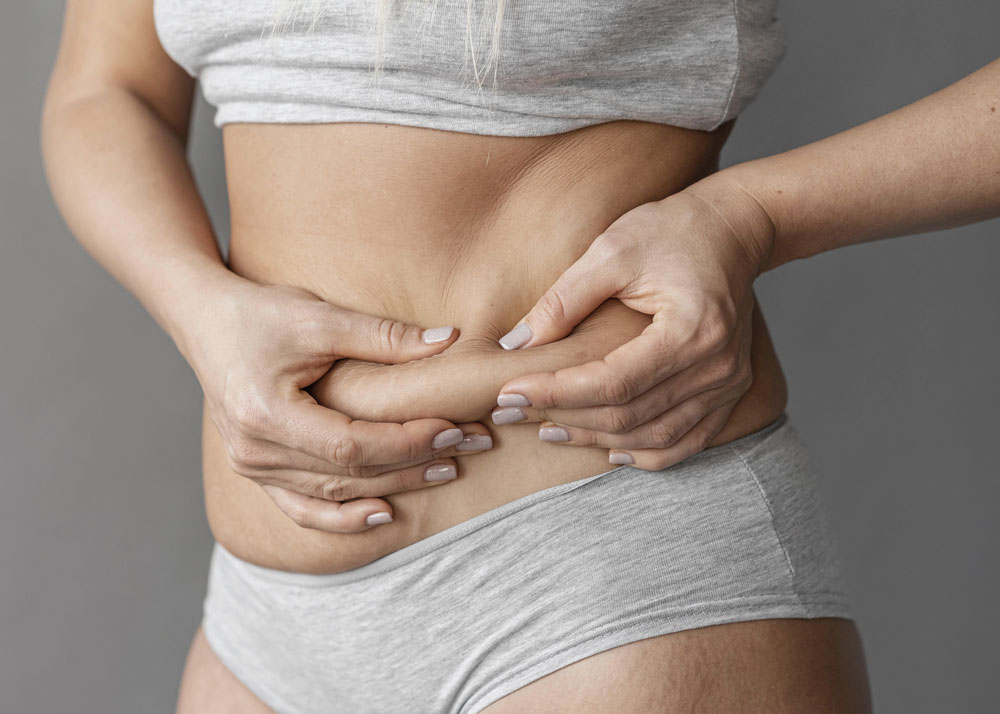
Abdominal fat can be more resistant to reduction than fat in other areas of the body. The midsection contains subcutaneous fat, which sits beneath the skin. It also contains visceral fat, which surrounds internal organs. Visceral fat responds differently to hormonal signals and metabolic processes. Cortisol, the hormone associated with stress, has been linked to increased fat storage around the abdomen. Genetic factors also determine where the body tends to accumulate and retain fat. These biological influences explain why targeted abdominal exercises alone may not produce visible changes. Understanding these mechanisms is an important step in learning how to get rid of stubborn belly fat effectively.
How to Get Rid of Stubborn Belly Fat: Nutrition
Nutrition plays a central role in managing abdominal fat. Diets high in processed foods, refined sugars and excess calories can contribute to fat accumulation. Balanced nutrition that prioritises whole foods, lean proteins and healthy fats supports more stable energy levels and metabolic function. Reducing sugar intake may help lower insulin levels, which influences how the body stores fat. Adequate fibre supports digestion and satiety. When exploring how to get rid of stubborn belly fat, improving dietary habits is often an essential foundation.
How to Get Rid of Stubborn Belly Fat: Exercise and Physical Activity
Regular physical activity supports overall fat reduction, including around the abdomen. Exercises such as walking, cycling and swimming help increase calorie expenditure and support metabolic health. Strength training is also beneficial because building lean muscle mass can improve resting metabolic rate. Core-strengthening exercises may improve posture and muscle definition but don’t remove fat from the abdomen. A combination of cardiovascular and resistance training tends to produce the most effective results. Physical activity also supports stress reduction, which may indirectly help manage cortisol-related fat storage.
How to Get Rid of Stubborn Belly Fat: Hormonal Factors
Hormones play a significant role in how and where the body stores fat. Cortisol, produced during periods of chronic stress, encourages fat deposition around the midsection. Insulin resistance can also contribute to increased abdominal fat storage. Hormonal changes associated with ageing, including shifts in oestrogen and testosterone levels, may alter fat distribution patterns. Individuals experiencing menopause or andropause sometimes notice fullness around the waistline despite maintaining consistent habits. Understanding how to get rid of stubborn belly fat includes recognising these hormonal influences. Managing stress, improving sleep quality and supporting hormonal balance through lifestyle adjustments can all contribute to reducing abdominal fat over time.
How to Get Rid of Stubborn Belly Fat: The Impact of Sleep and Stress
Sleep quality and stress management are often underestimated factors in fat accumulation. Poor sleep patterns can disrupt hormones that regulate appetite, including leptin and ghrelin. When these hormones become imbalanced, individuals may experience increased hunger and cravings for calorie-dense foods. Chronic stress maintains elevated cortisol levels, which encourages the body to store fat around the abdomen. Prioritising consistent sleep routines and incorporating stress-reducing activities can support fat reduction goals. These factors are important components of understanding how to get rid of stubborn belly fat.
How to Get Rid of Stubborn Belly Fat: Non-Surgical Treatments
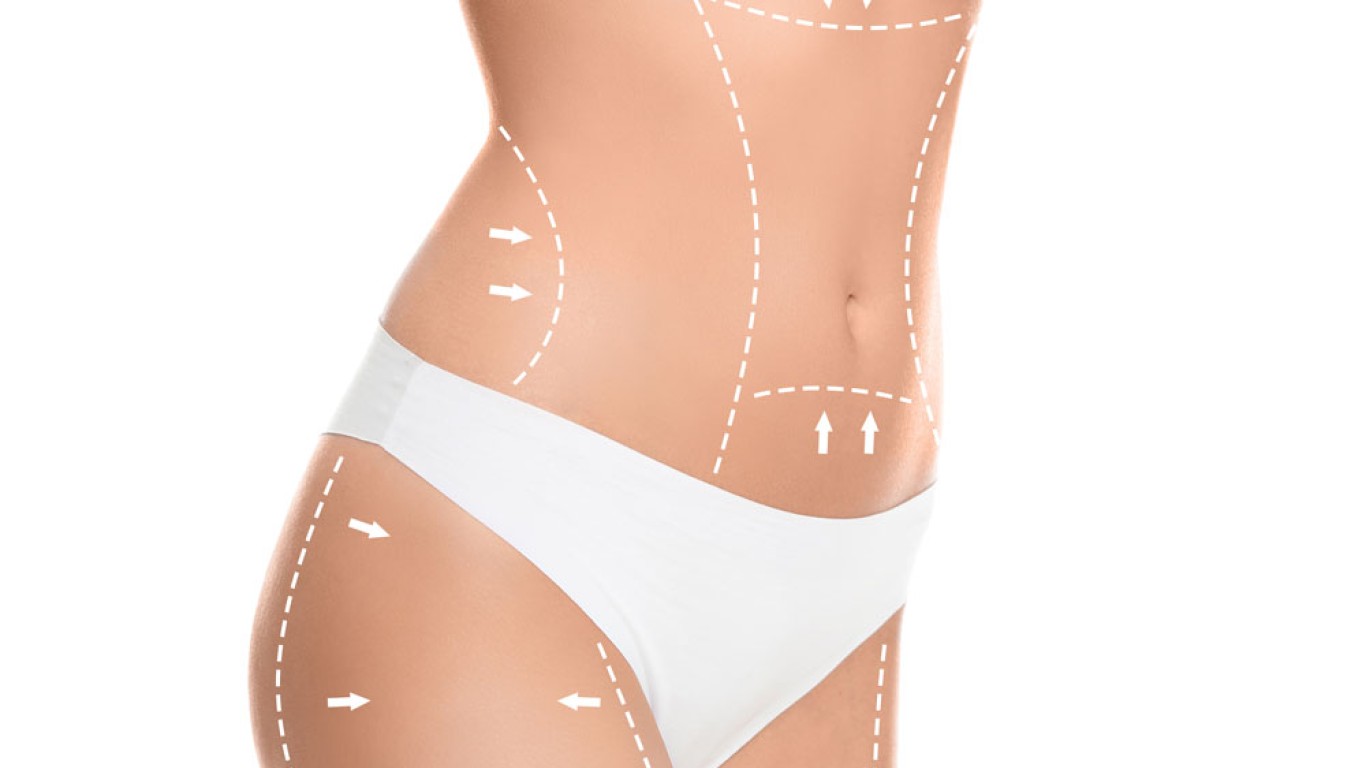
Non-surgical body contouring technologies have become increasingly popular for targeting stubborn abdominal fat. Cryolipolysis uses controlled cooling to disrupt fat cells beneath the skin. Radiofrequency devices deliver heat energy that can reduce fat while stimulating collagen production. Ultrasound-based technologies target fat cells with focused sound waves. These treatments are designed for individuals with localised fat deposits rather than large-scale weight reduction. Results typically develop gradually as the body processes treated fat cells. Non-surgical options appeal to many patients because they involve minimal recovery time. These methods can complement healthy lifestyle habits for individuals seeking refined abdominal contours.
How to Get Rid of Stubborn Belly Fat: Surgical Approaches
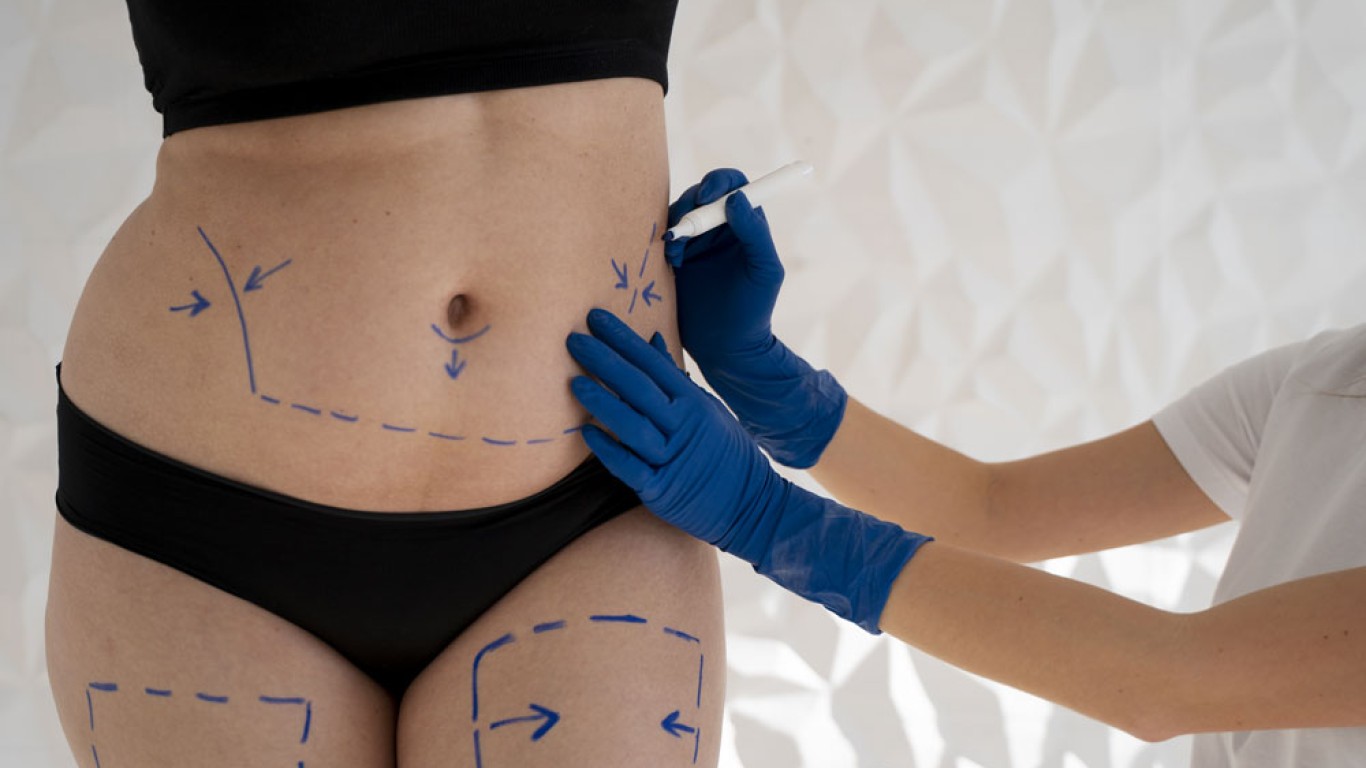
Surgical contouring may be considered when stubborn abdominal fat remains resistant to diet, exercise and non-surgical treatments. Liposuction is one of the most widely performed procedures for reshaping the midsection. During the procedure, a surgeon removes fat deposits through small cannulas inserted beneath the skin. The treatment focuses on sculpting the waistline while maintaining natural body proportions. Abdominoplasty, commonly known as a tummy tuck, may be recommended when excess skin accompanies fat deposits. This procedure removes both surplus skin and fat to create a firmer abdominal contour. Surgical options are typically considered after careful consultation and personalised planning.
The Role of Skin Elasticity in Belly Fat Treatment
Skin elasticity influences the final appearance after fat reduction treatments. When skin retains strong collagen support, it adapts smoothly as fat volume decreases. Younger individuals generally experience better skin retraction following treatment. As collagen production declines with age, the skin may become less firm after fat loss. In cases where elasticity is reduced, skin tightening technologies may be recommended alongside fat reduction. Evaluating skin quality during consultation helps specialists develop an appropriate treatment strategy. Understanding how to get rid of stubborn belly fat effectively includes considering skin condition as part of the overall approach.
Lifestyle Habits That Support Long-Term Results
Maintaining results after fat reduction depends on consistent healthy habits. Balanced nutrition helps support stable body weight and prevents remaining fat cells from expanding. Regular physical activity contributes to muscle tone and overall metabolic health. Stress management and quality sleep also play important roles in maintaining a healthy body composition. These habits work together to preserve the improvements achieved through treatment or lifestyle changes. Individuals who commit to sustainable routines often maintain smoother abdominal contours for longer periods.
How Reducing Belly Fat Improves Body Proportion
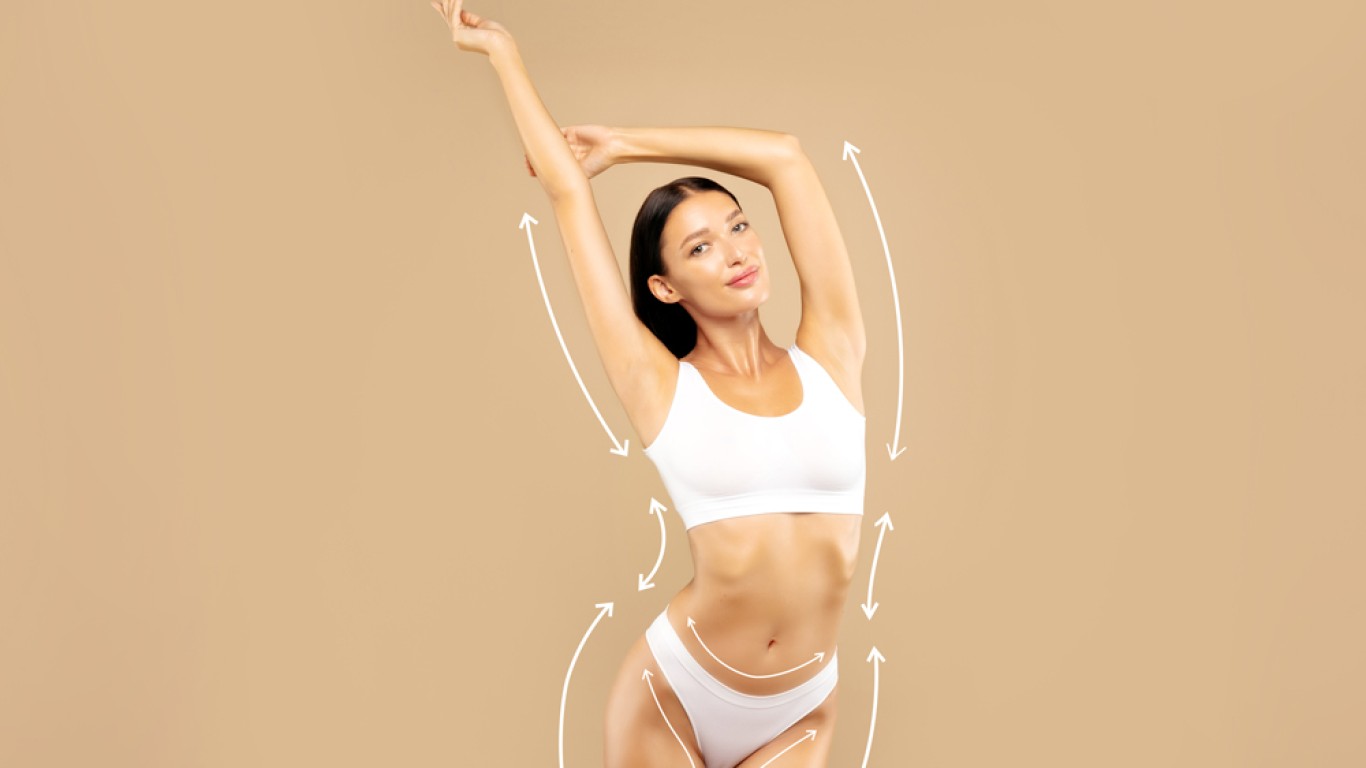
The abdominal area plays a central role in overall body proportion and silhouette. Excess fat around the midsection can make the torso appear wider. It may also look less balanced relative to the hips and shoulders. Reducing belly fat helps create a more defined waistline that improves visual balance. Many individuals notice that clothing fits more comfortably after abdominal contour improvement. These changes often support improved confidence in everyday activities. Understanding how to get rid of stubborn belly fat can therefore contribute to both physical appearance and overall wellbeing.
Combining Treatment and Lifestyle for Best Results
The most effective approach to addressing stubborn belly fat often involves a combination of strategies. Lifestyle modifications including improved nutrition, regular exercise and stress management form the foundation. When localised fat persists despite these efforts, non-surgical or surgical contouring treatments can provide additional refinement. Specialists assess individual anatomy, fat distribution and skin quality before recommending a treatment plan. Combining professional treatments with sustained healthy habits typically produces the most balanced and lasting outcomes.
How to Get Rid of Stubborn Belly Fat: Why Consultation Is Important
A professional consultation is an essential step for individuals considering treatments for abdominal fat. During this assessment, specialists evaluate body composition, fat distribution and skin elasticity. These factors help determine which approach will produce the most balanced result. The consultation also allows patients to discuss their goals and develop realistic expectations. Personalised planning ensures that any treatment aligns with the individual's anatomy and desired outcome. Careful evaluation supports safer procedures and more natural-looking contour improvements.
Conclusion
Understanding how to get rid of stubborn belly fat involves recognising the biological, hormonal and lifestyle factors that contribute to abdominal fat storage. Nutrition, exercise, sleep and stress all play important roles in reducing fat around the midsection. When lifestyle changes alone are not sufficient, non-surgical and surgical treatments offer targeted solutions for refining abdominal contours. Careful consultation and personalised planning help ensure balanced and natural-looking outcomes. With consistent healthy habits, individuals can maintain a smoother waistline and improved body proportion.
If you’re interested in finding out more about how to get rid of stubborn belly fat, visit the ACIBADEM Beauty Center website.
Frequently Asked Questions
A combination of balanced nutrition, regular exercise and targeted treatments can help reduce stubborn abdominal fat.
Genetics, hormonal factors and the type of fat stored in the abdomen all contribute to its resistance.
Yes, technologies such as cryolipolysis and radiofrequency can reduce localised fat deposits gradually.
Exercise supports overall fat reduction but may not eliminate localised abdominal fat without additional strategies.
Results can be long lasting when patients maintain stable body weight and healthy lifestyle habits.