Ataşehir Mah. Feza Sk. No:3 İstanbul / Türkiye
 English
  German
  Spanish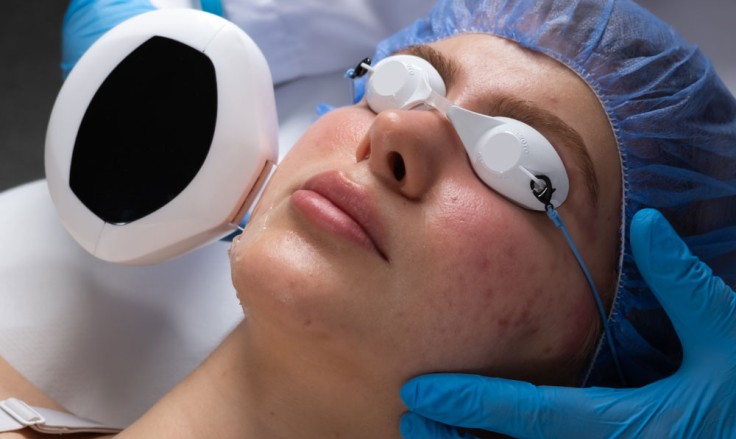
Introduction
IPL skin treatment is one of the most versatile light-based technologies in aesthetic medicine. It addresses multiple skin concerns using a single device. Pigmentation, redness, fine lines and unwanted hair all respond to IPL. The treatment is quick. Recovery is minimal. Results develop progressively over a treatment course. Understanding what IPL treatment targets and how it achieves results helps patients evaluate whether it suits their concerns. This article explains the science, applications and expected outcomes of IPL skin treatment.
What Is IPL Skin Treatment?
IPL stands for intense pulsed light. Unlike laser, which emits a single wavelength, IPL treatment delivers a broad spectrum of light wavelengths simultaneously. Filters select specific wavelength ranges for different treatment goals. IPL treatment uses this versatility to address multiple chromophores within the skin. Melanin absorbs certain wavelengths. Haemoglobin absorbs others. Collagen responds to specific light energy levels. IPL treatment adjusts the filter settings to target whichever chromophore is relevant to the patient's concern. This broad-spectrum approach means a single IPL treatment session can address pigmentation and redness simultaneously. The practitioner adjusts settings between treatment passes on the same face. IPL treatment treats the whole face comprehensively rather than targeting a single isolated concern.
What Does IPL Skin Treatment Target?
| Target | What IPL Addresses | Sessions Needed |
| Melanin (pigmentation) | Sun spots, freckles, age spots, melasma | Three to six |
| Haemoglobin (vascular) | Rosacea, broken capillaries, spider veins | Three to five |
| Collagen (rejuvenation) | Fine lines, texture, pore size | Four to six |
| Melanin (hair) | Unwanted facial and body hair | Six to eight |
IPL treatment targets these chromophores selectively. The light energy passes through the skin surface. It is absorbed by the target structure beneath. The surrounding tissue is spared. IPL skin treatment specificity depends on correct filter selection and appropriate energy settings. The practitioner's experience determines how effectively the device addresses each target. IPL treatment produces the best results when the practitioner understands the relationship between wavelength, energy level and the specific concern being treated.
IPL Skin Treatment for Pigmentation
Pigmentation is the most common IPL treatment indication. Sun damage produces brown spots across the face, chest and hands. Age spots accumulate over decades. Freckles darken with repeated sun exposure. IPL skin treatment targets the melanin within these pigmented lesions. The light energy is absorbed by the concentrated melanin. The pigment cells heat. They fragment. IPL treatment causes treated spots to darken initially. This darkening occurs within twenty-four to forty-eight hours. The spots appear temporarily worse. Over the following seven to fourteen days, the darkened pigment rises to the surface and flakes off. The skin beneath is clearer. IPL treatment for pigmentation typically requires three to six sessions spaced three to four weeks apart. Each session clears more pigment. The cumulative improvement across a full course is substantial. Most patients describe their skin as significantly clearer and more even-toned after completing treatment.
IPL Skin Treatment for Redness and Vascular Concerns
IPL treatment effectively addresses facial redness. Rosacea produces diffuse background redness across the cheeks, nose and chin. Broken capillaries create visible red lines. Spider veins produce small clusters of visible blood vessels. IPL skin treatment targets the haemoglobin within these vessels. The light energy heats the vessel walls. They collapse. The body absorbs the treated vessels over the following weeks. IPL treatment for redness produces gradual improvement. The background redness diminishes. Broken capillaries fade. The complexion appears calmer and more even. IPL treatment for vascular concerns requires three to five sessions. Some patients notice improvement from the first session. Full improvement develops across the treatment course. IPL treatment for rosacea management may require occasional maintenance sessions. Rosacea is a chronic condition. The underlying tendency to redness persists. Annual IPL treatment maintenance prevents the redness from returning to pre-treatment levels.
IPL Skin Treatment for Skin Rejuvenation
IPL skin treatment stimulates collagen remodelling alongside targeted pigment and vascular correction. The light energy triggers a mild thermal response in the dermis. Fibroblasts are activated. New collagen production begins. IPL treatment rejuvenation effects develop gradually over the treatment course. Fine lines soften. Pore size reduces. Skin texture improves. The complexion appears fresher and more refined. IPL treatment rejuvenation is a secondary benefit alongside the primary pigmentation and vascular correction. The collagen response is milder than what laser resurfacing or microneedling produces. However, IPL skin treatment achieves this improvement with no downtime. The convenience-to-benefit ratio is excellent. IPL skin treatment rejuvenation suits patients wanting gradual, progressive improvement without disrupting their daily routine. It is a maintenance treatment rather than a dramatic single-session transformation.
How IPL Skin Treatment Is Performed
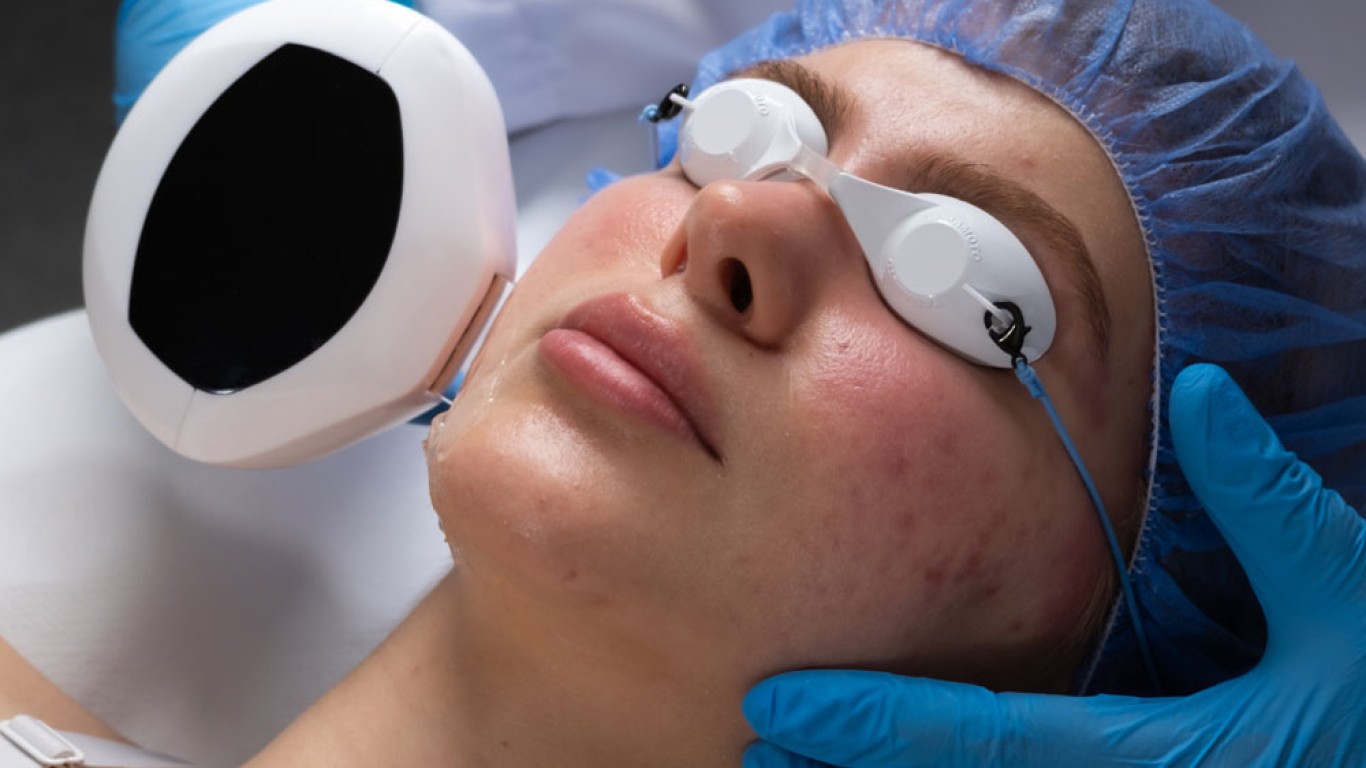
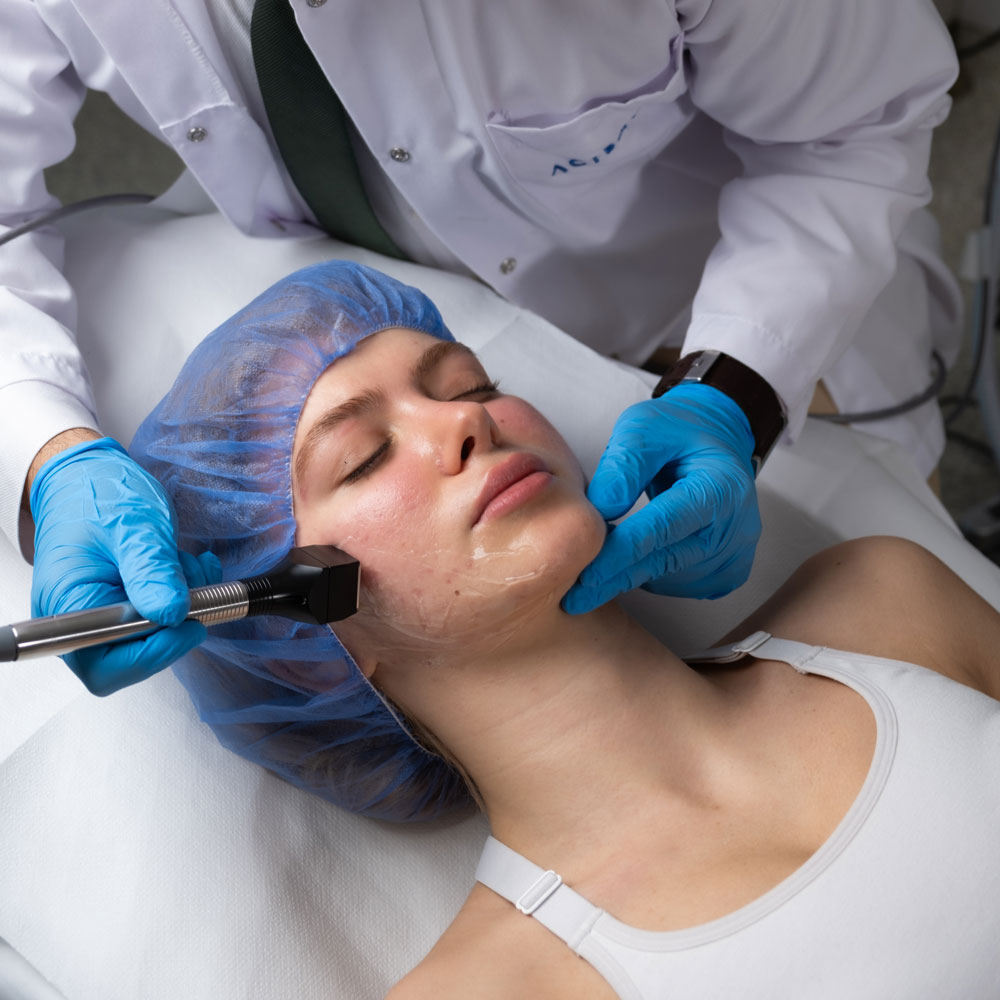
The procedure is straightforward and comfortable. IPL skin treatment takes twenty to forty minutes for a full face. The skin is cleansed. Cooling gel is applied. Protective eye shields are placed. The IPL handpiece delivers light pulses systematically across the treatment area. IPL treatment produces a snapping sensation with each pulse. Most patients describe it as tolerable without anaesthesia. Sensitive areas including the nose and temples may feel more intense. Cooling within the device and the cooling gel minimise discomfort. IPL treatment concludes with gel removal and application of soothing cream and SPF. The skin appears mildly flushed. Redness resolves within a few hours for most patients. Pigmented spots may appear slightly darker immediately after treatment. This darkening develops further over the next day and is a sign that the treatment targeted the melanin effectively.
IPL Skin Treatment: Who Is It Best For?
IPL skin treatment suits specific patient profiles. Lighter skin tones respond most safely and effectively. Fitzpatrick types one to three are ideal candidates. The contrast between the pigmented target and the surrounding skin allows precise targeting. IPL treatment on Fitzpatrick four to six skin types carries higher risk. The broad-spectrum light may affect melanin in the normal skin as well as the target. Burns and post-inflammatory pigmentation can result. Darker skin patients should seek alternative treatments. IPL treatment is best for patients with sun damage pigmentation, rosacea, broken capillaries and general skin quality decline. It suits patients wanting comprehensive facial improvement without downtime.
IPL skin treatment does not suit patients with deep wrinkles, significant scarring or structural ageing. These concerns need more intensive treatments including laser resurfacing or surgical intervention. IPL treatment is a surface-level refinement tool. It excels within its scope. It should not be expected to deliver results beyond what light-based therapy can achieve.
Conclusion
IPL skin treatment uses broad-spectrum light to target pigmentation, redness, vascular concerns and general skin quality simultaneously. The treatment takes twenty to forty minutes with no downtime. Three to six sessions produce cumulative improvement. IPL treatment suits lighter skin tones with sun damage and vascular concerns. Results develop progressively across the treatment course. Professional consultation confirms individual suitability. Turkey offers the treatment at competitive pricing with experienced practitioners.
To find out more information about skin treatments and to book a consultation visit the ACIBADEM Beauty Center Skin Treatments page.
Frequently Asked Questions
Pigmentation, redness, broken capillaries, fine lines, pore size and general skin quality.
Three to six sessions for most concerns. Spaced three to four weeks apart.
Safest for Fitzpatrick one to three. Not recommended for darker skin types without specific assessment.
A snapping sensation with each pulse. Tolerable without anaesthesia.
Six to twelve months. Annual maintenance sustains improvement.