Ataşehir Mah. Feza Sk. No:3 İstanbul / Türkiye
 French
  English
  German
  Spanish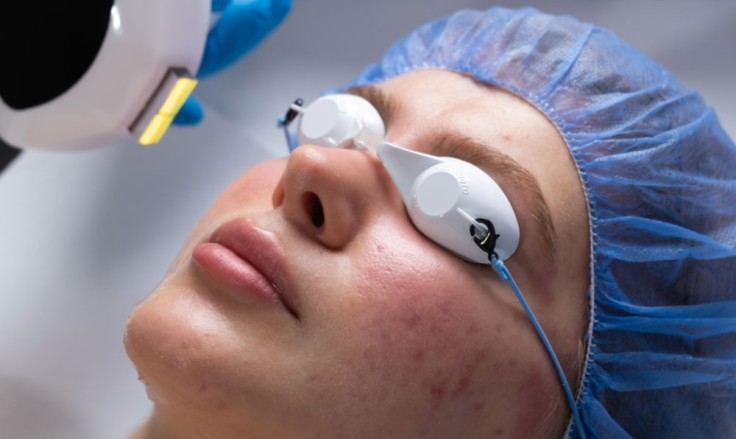
Introduction
Skin laxity is one of the most visible signs of facial ageing. As collagen production decreases, the skin loses firmness. It begins to sag. Many patients explore treatment options to restore a tighter, more youthful facial contour. Laser skin tightening vs surgery is a frequent comparison among those considering rejuvenation. Both approaches improve facial appearance, but they differ significantly in technique, results and recovery. Understanding how laser skin tightening vs surgery compares helps patients select the approach that best matches their degree of skin laxity and lifestyle preferences.
What Is Laser Skin Tightening?
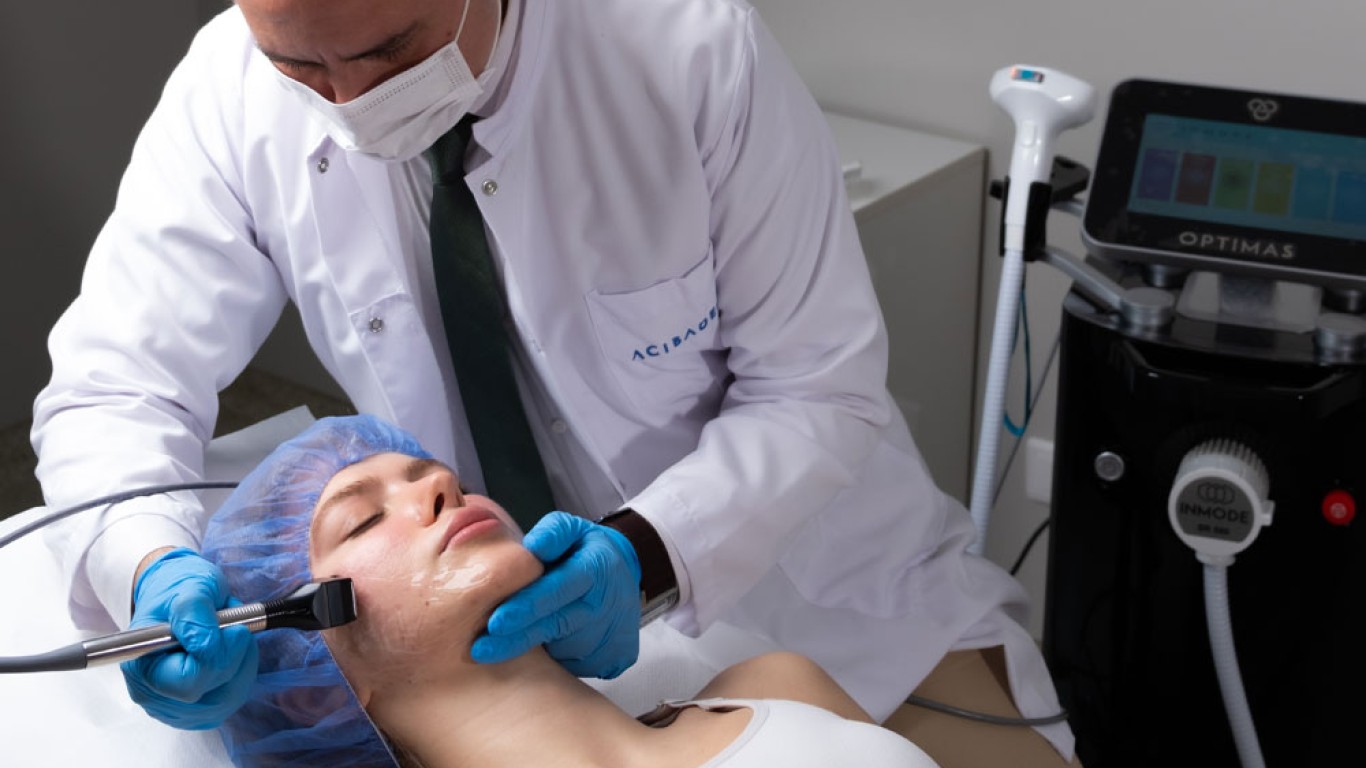
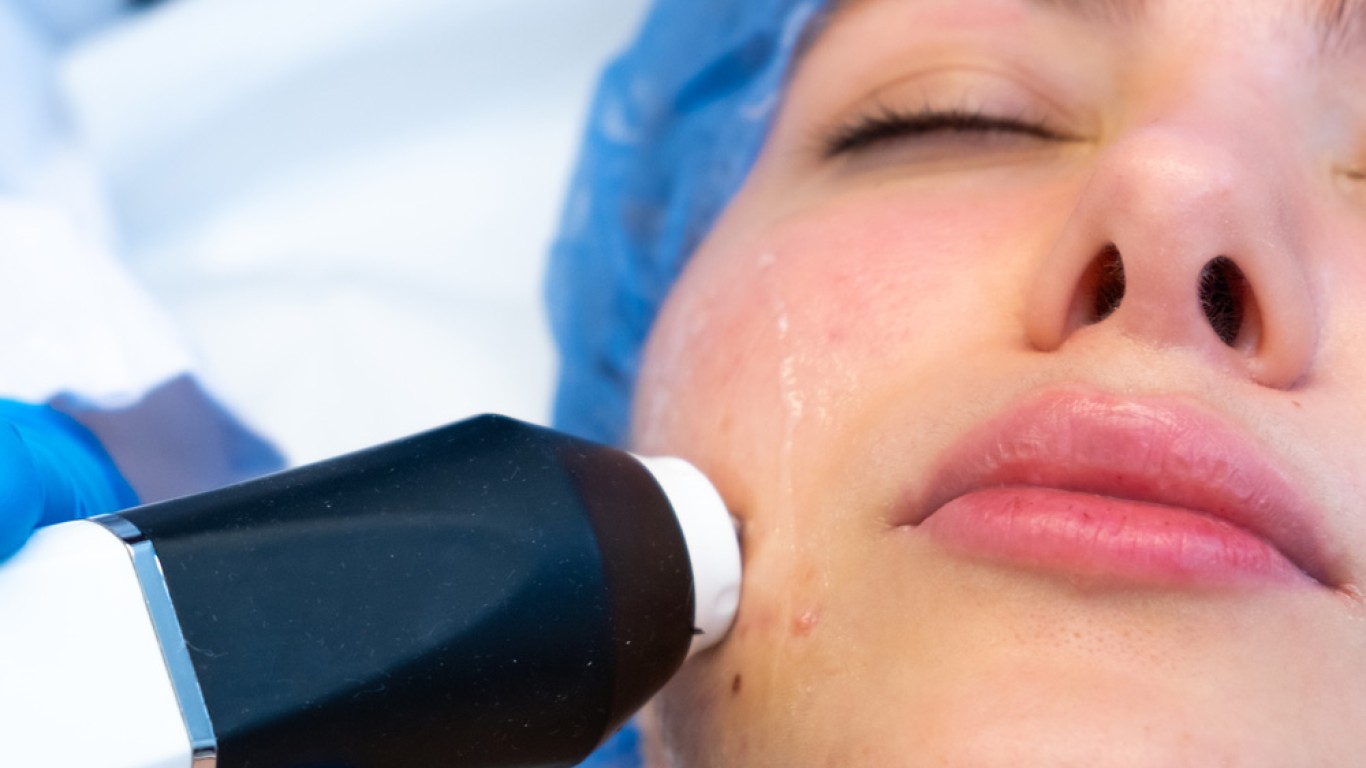
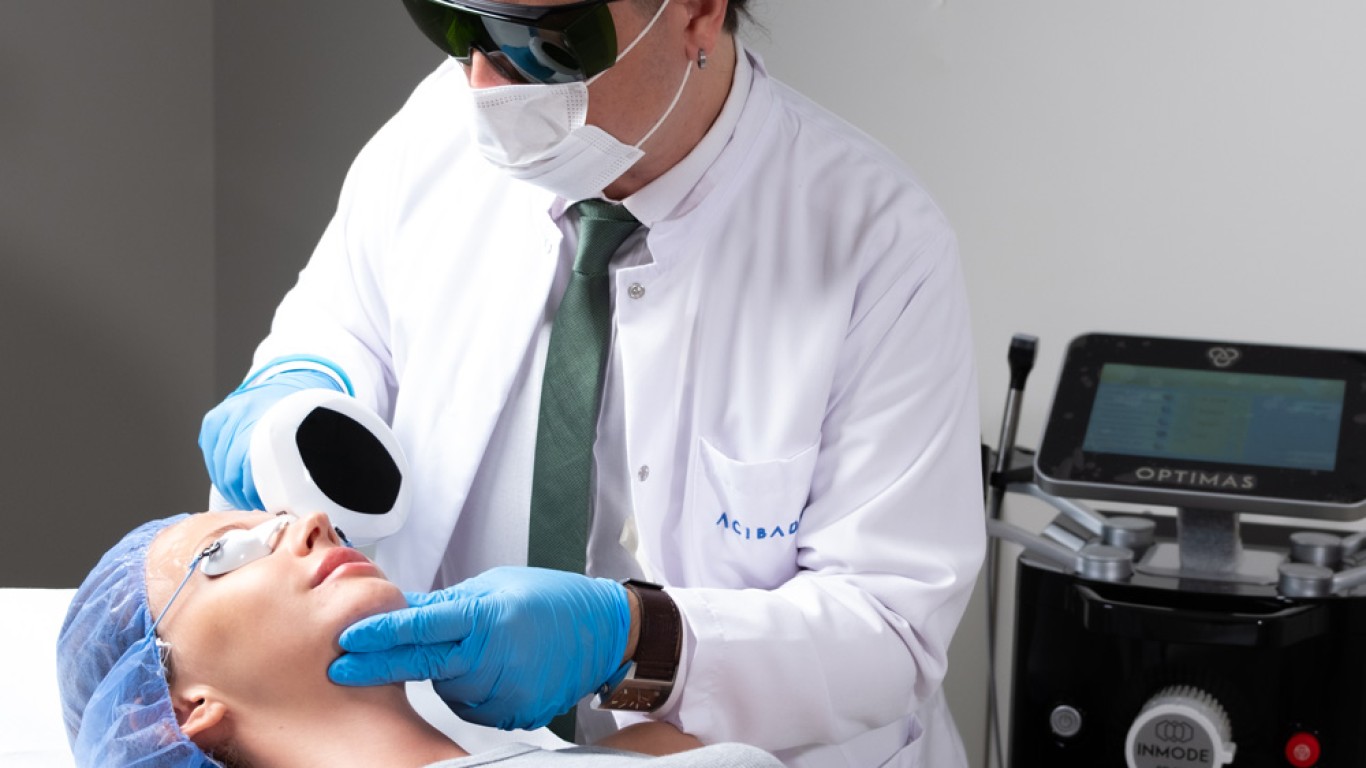
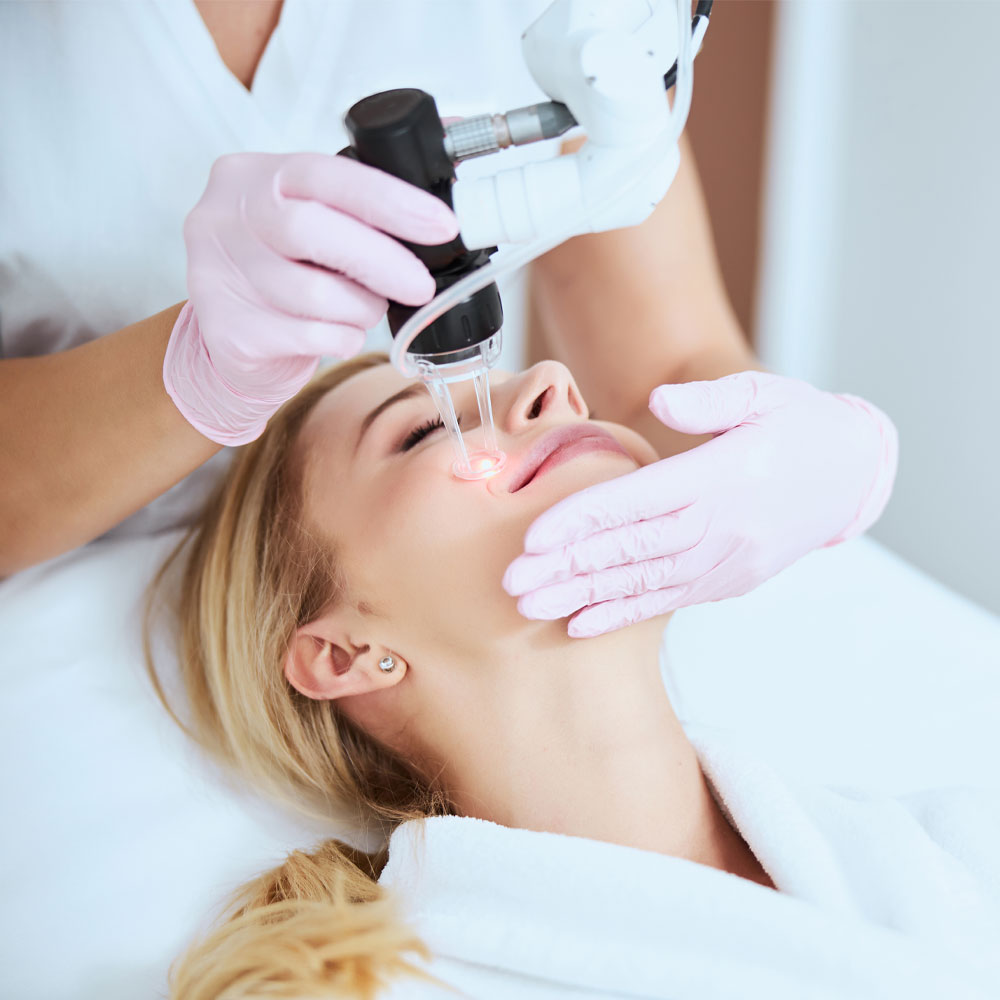
Laser skin tightening uses focused light energy to heat the deeper layers of the skin. This controlled heating stimulates collagen production. Remodelling occurs beneath the surface. As new collagen forms, the skin gradually becomes firmer and tighter over the following weeks and months. Laser skin tightening vs surgery discussions often note that laser treatments are non-invasive. No incisions are required. The procedure is performed in a clinical setting and typically takes thirty to sixty minutes per session. Multiple sessions may be recommended for optimal results. The treatment suits patients with mild to moderate skin laxity.
What Is Surgical Lifting?
Surgical lifting, commonly known as a facelift, involves repositioning and tightening the deeper facial tissues and removing excess skin. The surgeon makes incisions around the ears. These sometimes extend along the hairline. The underlying muscle and tissue layers are lifted and secured in a higher position. Excess skin is then removed. Laser skin tightening vs surgery comparisons highlight that surgical lifting addresses more advanced skin laxity. The procedure is performed under general anaesthesia and requires a recovery period of several weeks. Results are more dramatic and longer lasting than non-surgical alternatives.
Laser Skin Tightening vs Surgery: Results Compared
The level of improvement differs between the two approaches. Laser skin tightening vs surgery produces notably different outcomes. Laser treatments create gradual, subtle improvement in skin firmness. Results develop over two to six months as collagen remodelling occurs. The improvement is moderate and suits patients with early signs of sagging. Surgical lifting produces more dramatic and immediately visible results. The face appears significantly tighter and more defined after healing. Patients with moderate to severe skin laxity generally achieve more satisfying outcomes with surgery. Laser skin tightening vs surgery selection therefore depends heavily on the degree of laxity present.
Laser Skin Tightening vs Surgery: Recovery
Recovery is one of the most significant differences between the two options. Laser skin tightening vs surgery recovery timelines differ considerably. Laser treatments involve minimal downtime. Most patients experience temporary redness and mild swelling that resolves within a few days. Normal activities can usually be resumed immediately. Surgical recovery involves more significant swelling and bruising. Most facelift patients take two to four weeks before returning to normal routines. Bandages and compression garments may be required during the initial healing phase. Laser skin tightening vs surgery recovery preferences strongly influence which approach patients choose.
Laser Skin Tightening vs Surgery: How Many Sessions?
Laser skin tightening typically requires a series of treatments for optimal results. Most patients undergo three to six sessions spaced four to six weeks apart. Each session builds upon the collagen stimulation from previous treatments. Laser skin tightening vs surgery differs in this regard because surgery produces results in a single procedure. The cumulative nature of laser treatment means that improvement is gradual rather than immediate. Maintenance sessions every six to twelve months may be recommended to sustain results. The total number of sessions depends on the degree of laxity and the specific laser technology used.
Laser Skin Tightening vs Surgery: Longevity
Result longevity varies significantly between the two approaches. Surgical facelift results typically last eight to twelve years depending on individual ageing patterns and lifestyle factors. Laser skin tightening vs surgery longevity comparisons show that laser results are shorter lived. Laser treatments may maintain improvement for 1-2 years before collagen production gradually decreases again. Ongoing maintenance sessions help sustain results over time. Surgery provides a more lasting rejuvenation. However, natural ageing continues after both treatments. Sun protection and healthy lifestyle habits support the longevity of results from either approach.
Who Should Consider Laser Skin Tightening?
Laser skin tightening suits patients with mild-moderate skin laxity who prefer a non-invasive approach. Individuals in their thirties and forties who notice early signs of sagging often respond well to laser treatments. Laser skin tightening vs surgery decisions for these patients typically favour the non-surgical route because their laxity is not yet severe enough to warrant surgery. Patients who want gradual improvement with no downtime find laser treatment appealing. Those who prefer to avoid anaesthesia and incisions may choose this approach. A consultation determines whether the degree of laxity is suitable for laser treatment.
Who Should Consider Surgery?
Surgical lifting suits patients with moderate-severe skin laxity that laser treatments cannot adequately address. Individuals in their fifties, sixties and beyond often achieve the most satisfying outcomes from facelift surgery. Laser skin tightening vs surgery recommendations for this group typically favour surgery because the degree of tissue descent requires physical repositioning. Patients with significant jowling, deep nasolabial folds and neck laxity benefit most from surgical intervention. Candidates should be in good general health and prepared for the recovery period involved.
Combining Laser Skin Tightening vs Surgery Approaches
Some patients benefit from combining both approaches for comprehensive facial rejuvenation. Laser skin tightening vs surgery does not always require choosing one exclusively. Laser treatments can be used before surgery to improve skin quality. They can also be used after facelift surgery to maintain and extend results over time. This combination strategy addresses both structural laxity through surgery and skin quality through laser stimulation. Combination planning is discussed during consultation to determine the most effective sequence and timing.
Safety and Side Effects
Both approaches carry different safety profiles. Laser skin tightening is generally considered very safe with minimal side effects. Temporary redness, mild swelling and tingling are the most common experiences. Serious complications are rare. Surgery carries risks associated with anaesthesia, infection and scarring. However, these are uncommon when performed by experienced surgeons. Safety discussions should include the qualifications of the treating specialist. Choosing an experienced practitioner reduces risk for both approaches. Patients should discuss potential side effects during consultation.
Cost Considerations
Cost differs between the two approaches in both upfront investment and long-term expense. A single laser session costs less than surgery. However, multiple sessions are needed, and maintenance treatments add to the cumulative expense. Surgical lifting involves a higher upfront cost but requires no further treatment for many years. Cost analysis should consider the total investment over a five to ten year period. For some patients, the cumulative cost of laser maintenance approaches surgical pricing. The decision depends on budget preferences and treatment priorities.
Patient Satisfaction
Both laser skin tightening and surgical lifting produce high patient satisfaction when the appropriate treatment is selected for the degree of skin laxity present. Satisfaction rates reflect the importance of matching treatment to expectation. Patients with mild laxity who choose laser treatment are typically pleased with the gradual improvements. Surgical patients with more advanced sagging often report dramatic satisfaction with the visible rejuvenation. Setting realistic expectations during consultation is key to positive outcomes for both approaches. Understanding what each treatment can and cannot achieve supports informed decision-making.
Conclusion
Laser skin tightening vs surgery represents two distinct approaches to facial rejuvenation. Laser treatments offer gradual, non-invasive improvement for mild to moderate laxity. Surgery provides more dramatic and lasting results for moderate to severe sagging. Recovery, longevity and cost differ significantly between the two options. Combining both approaches can produce comprehensive outcomes. Professional consultation ensures personalised recommendations based on individual skin condition and aesthetic goals.
For more information on whether laser tightening or surgical lifting is the best option for you, visit the ACIBADEM Beauty Center Skin Treatments page.
Frequently Asked Questions
Results typically last one to two years with maintenance sessions.
Downtime is minimal with most patients resuming activities immediately.
Surgical results typically last eight to twelve years.
Yes, laser treatments can complement surgical results.
Laser skin tightening is best for mild to moderate laxity.