Ataşehir Mah. Feza Sk. No:3 İstanbul / Türkiye
 English
  German
  Spanish
Introduction
Laser tattoo removal in Turkey has become a popular choice for international patients. Turkey combines advanced laser technology with significantly lower pricing than the UK. The process is well-established and produces excellent results when performed at accredited clinics. Understanding exactly how laser tattoo removal works helps patients feel prepared and confident before booking. This article explains the full process step by step. It covers the consultation and the technology used. It also covers what happens during each session. It explains aftercare and what results to expect. Whether you want full removal or lightening for a cover-up, this guide provides clear answers. It covers every stage of the journey.
Step One: The Consultation for Laser Tattoo Removal in Turkey
Every course of laser tattoo removal in Turkey begins with a detailed consultation. The practitioner assesses the tattoo during this appointment. Several factors are evaluated at this stage. These include the size and location of the tattoo. The colours present significantly affect how many sessions will be required. Black and dark blue inks respond fastest to laser energy. Greens, yellows and light blues are more resistant. The age of the tattoo also matters. Older tattoos have already begun to fade and often respond more quickly. The patient's skin tone is assessed to determine the most appropriate laser wavelength. A treatment plan and realistic session estimate are agreed before any treatment begins.
Step Two: Choosing the Right Laser for the Tattoo
The technology selected makes a significant difference to the outcome of laser tattoo removal in Turkey. Q-switched lasers have been used for decades and remain effective on black and dark inks. Picosecond lasers are the most advanced option currently available. They deliver energy in much shorter pulses than Q-switched devices. This creates a photoacoustic effect that shatters ink particles more efficiently. Picosecond lasers produce faster clearance with fewer sessions. They are also more effective on difficult colours such as green and yellow. Multiple wavelengths are needed for multicolour tattoos. Reputable Turkish clinics invest in modern laser platforms. These offer the full range of wavelengths required for comprehensive tattoo removal.
Step Three: Preparing for Each Laser Tattoo Removal Session
Preparing correctly before each session supports the best results from laser tattoo removal in Turkey. Keep the treated area out of direct sun for at least four weeks before each session. Sun-damaged skin is more prone to adverse reactions during laser treatment. Avoid tanning beds and self-tan products on the area. Arrive with clean skin free of moisturiser, perfume or makeup over the tattoo. Stay well hydrated in the days before treatment. Avoid alcohol for twenty-four hours before the session. Blood-thinning medications and supplements should be paused if the practitioner advises. Numbing cream is applied to the area forty-five to sixty minutes before each session. This significantly reduces discomfort during treatment.
Step Four: What Happens During Laser Tattoo Removal in Turkey
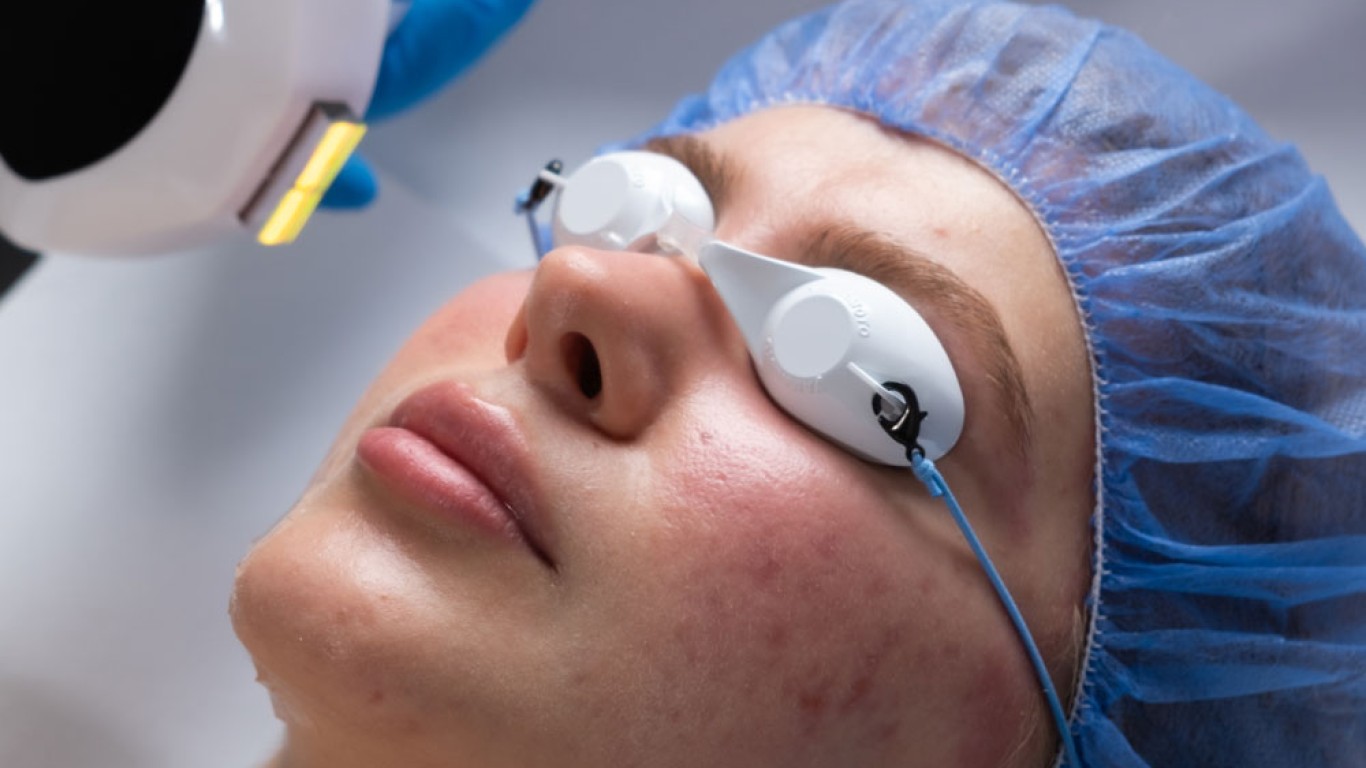
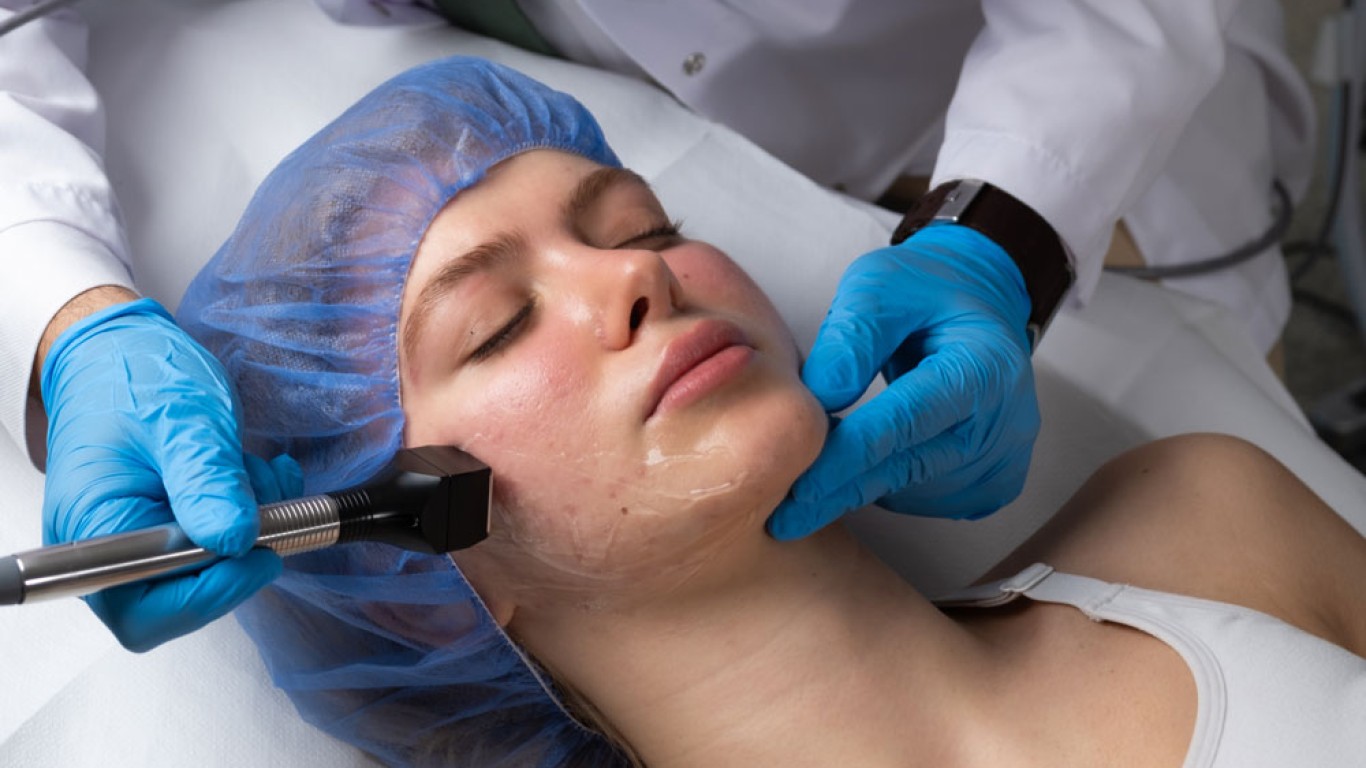
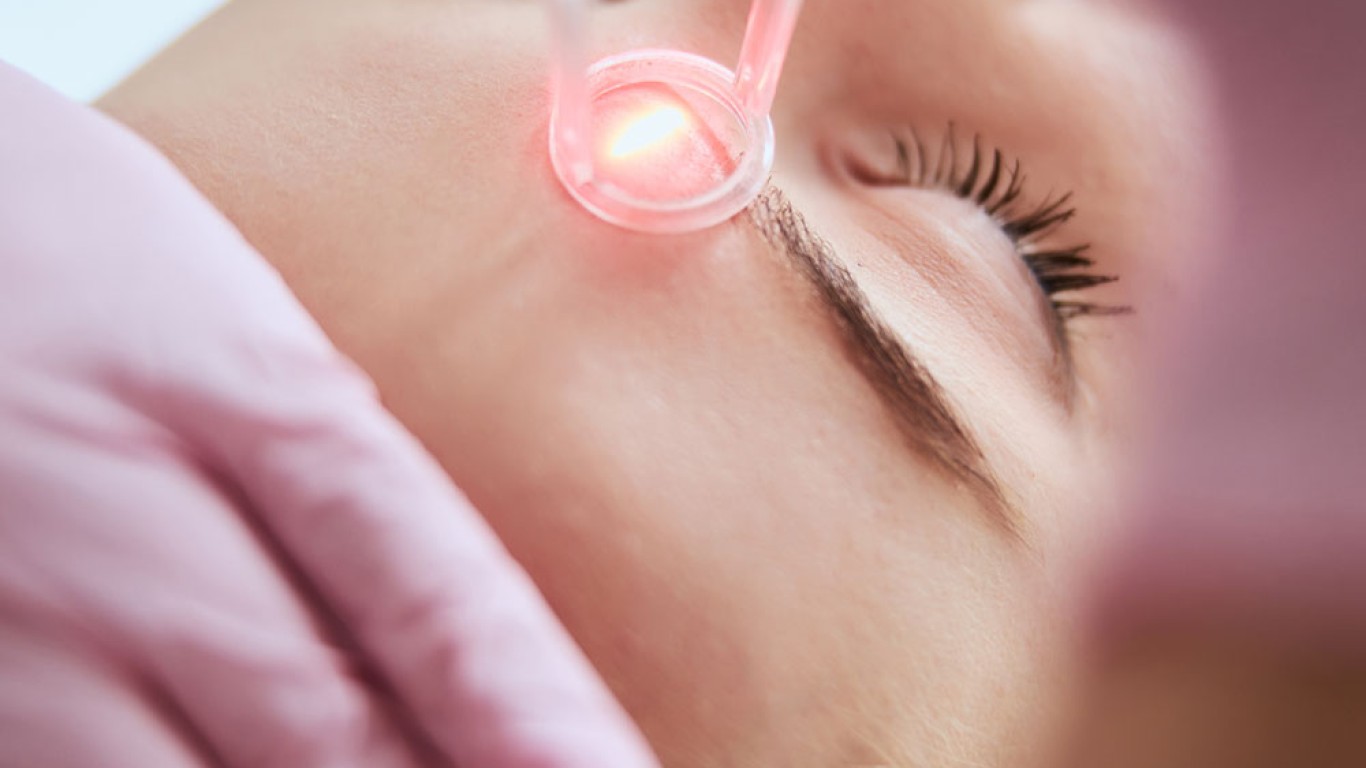
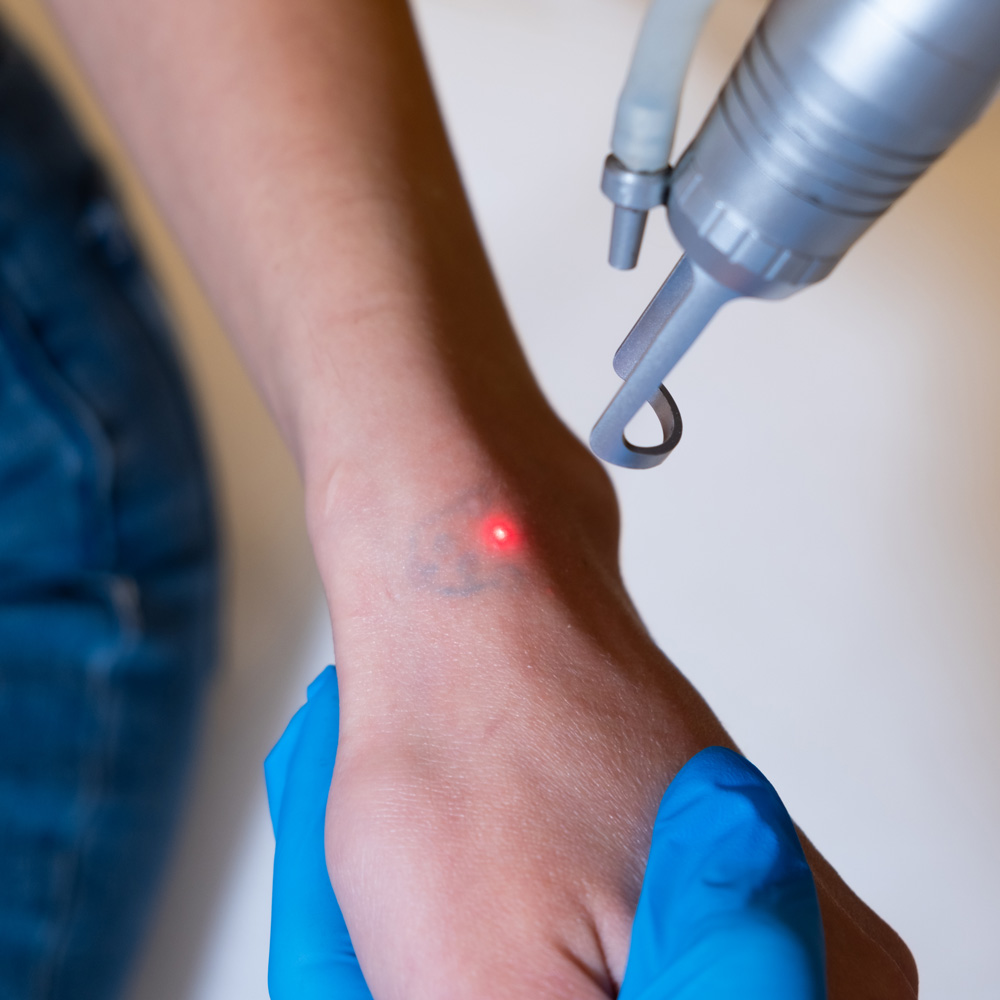
Each laser tattoo removal in Turkey session follows a consistent process. Protective eyewear is provided for both the patient and the practitioner. The laser handpiece is passed over the tattooed area in precise movements. Short pulses of laser energy are delivered into the skin. The ink absorbs this energy and the particles shatter. Most patients describe the sensation as similar to a rubber band snapping against the skin. The numbing cream reduces this significantly. A small tattoo session takes five to fifteen minutes. Larger or multicolour tattoos take longer. The skin typically turns white immediately after laser exposure. This is called frosting and is a normal response. It fades within minutes. Redness and swelling follow and resolve over one to three days.
Step Five: Aftercare Between Laser Tattoo Removal Sessions
Aftercare is an important part of the laser tattoo removal in Turkey process. Keep the treated area clean and dry for the first forty-eight hours. Apply the aftercare cream or ointment provided by the clinic. Avoid picking or rubbing any blistering that may occur. Blisters are a normal healing response. They should be left to resolve naturally. Keep the area out of direct sunlight throughout the entire course of treatment. Apply high-SPF sunscreen when going outdoors. Avoid swimming pools, saunas and hot baths for two weeks after each session. Most practitioners recommend leaving six to eight weeks between sessions. This allows the body time to remove the fragmented ink particles. The result improves progressively between sessions as the immune system clears the debris.
How Many Sessions Does Laser Tattoo Removal in Turkey Take?
The number of sessions required varies between patients and tattoos. Black ink tattoos on lighter skin tones respond fastest. Six to eight sessions are a common range for complete removal of a simple black tattoo. Multicolour tattoos typically require more. Ten to fifteen sessions may be needed depending on colours and ink depth. Amateur tattoos often respond faster than professional ones. Professional tattoos tend to use higher ink volumes and deeper placement. Larger tattoos require more sessions than small ones. Sessions are spaced six to eight weeks apart. A full removal course can take one to two years when all sessions are accounted for. Starting treatment in Turkey and continuing locally is a practical approach. Many patients return for subsequent sessions or continue with a more local provider.
Laser Tattoo Removal in Turkey: Pricing and What to Expect
Pricing for laser tattoo removal in Turkey depends on the size of the tattoo and the laser technology used. Small tattoos typically cost £80 to £200 per session. Medium tattoos range from £150 to £350 per session. Larger pieces cost more depending on complexity. Picosecond laser sessions are priced slightly higher than Q-switched sessions. UK clinic pricing for equivalent sessions is typically two to three times higher. Full removal packages for a set number of sessions are often available at reduced rates. Accommodation and transfers are included in international patient packages at many Turkish clinics. Modern technology and competitive pricing make Turkey one of the most cost-effective destinations. It is ideal for patients committing to a full removal course in Turkey.
Planning Your Laser Tattoo Removal Trip to Turkey
Planning well makes a significant difference to the laser tattoo removal in Turkey experience. Begin with a virtual consultation before booking travel. Send clear photographs of the tattoo from multiple angles. Include a ruler or coin for scale so the practitioner can assess the size accurately. A session estimate and pricing can be confirmed before you travel. Most patients complete one or two sessions per visit to Istanbul. Allow two to three days around each session for healing to begin. Avoid sun exposure on the tattooed area for at least four weeks before travelling. Arrange travel insurance that covers laser skin treatments. Comfortable, loose clothing that does not rub the treatment area makes the journey home more comfortable. Many patients begin their course in Turkey. They continue with follow-up sessions locally or you can return for further visits.
Conclusion
Laser tattoo removal in Turkey follows a clear step-by-step process. It begins with a thorough consultation and tattoo assessment. The right laser technology is selected based on ink colour and skin tone. Sessions are prepared for with sun avoidance and numbing cream. Each treatment shatters ink particles that the body then clears naturally. Aftercare between sessions supports healing and optimal results. The number of sessions varies by tattoo complexity. Pricing in Turkey is significantly lower than in the UK. Accredited clinics use modern picosecond and Q-switched technology. Quality, expertise and competitive pricing make Turkey an excellent choice. It suits patients committing to a full removal course.
To find out more information about laser tattoo removal in Turkey. Or, to book a consultation visit the ACIBADEM Beauty Center Laser Tattoo Removal page.
Frequently Asked Questions
The laser delivers energy that shatters tattoo ink particles. The body's immune system then removes the fragmented ink naturally over the weeks following each session.
Black ink tattoos typically require six to eight sessions. Multicolour tattoos may need ten to fifteen or more depending on the colours and ink depth.
Most patients describe the sensation as a rubber band snapping against the skin. Numbing cream is applied before each session to significantly reduce discomfort.
A single session takes under an hour. Most patients stay two to three days per visit. They return for subsequent sessions or continue treatment locally.
Small tattoos cost £80 to £200 per session. Medium tattoos range from £150 to £350. Pricing varies by size, colour complexity and laser technology used.