Ataşehir Mah. Feza Sk. No:3 İstanbul / Türkiye
 French
  English
  German
  Spanish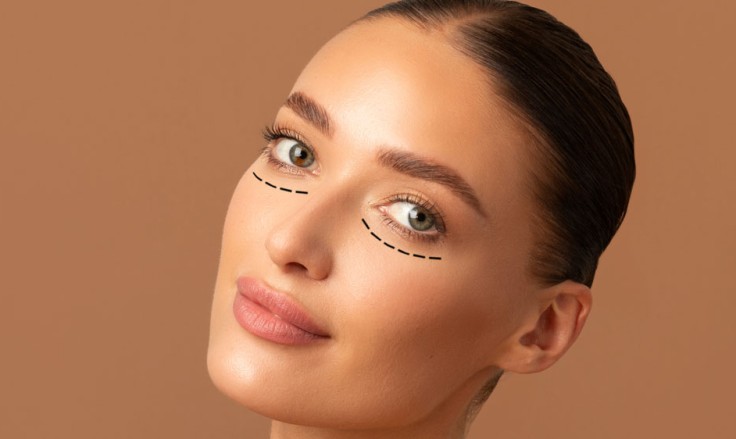
Introduction
Under-eye bags and puffiness are common aesthetic concerns that affect many individuals. These changes can make the face appear tired or aged even when the person feels well-rested. Diet, hydration and sleep improvements may help mild cases. However, persistent eye bags often require professional treatment for visible improvement. Lower eyelid surgery for eye bags is one of the most effective solutions for addressing this concern permanently. The procedure targets excess fat, loose skin and tissue laxity beneath the eyes. Understanding how the treatment works helps patients set realistic expectations about outcomes and recovery.
What Causes Eye Bags and Puffiness?
Eye bags develop for several reasons. Ageing is the most common factor. As the skin beneath the eyes loses elasticity over time, the underlying fat pads may shift forward and become more visible. Genetic predisposition also plays a significant role. Some individuals develop under-eye fullness at a relatively young age due to inherited facial structure. Fluid retention caused by diet, allergies or sleep patterns can worsen the appearance of puffiness temporarily. Lower eyelid surgery for eye bags addresses the structural causes rather than temporary factors. Understanding the underlying cause helps specialists recommend the most effective treatment approach.
How Lower Eyelid Surgery for Eye Bags Works
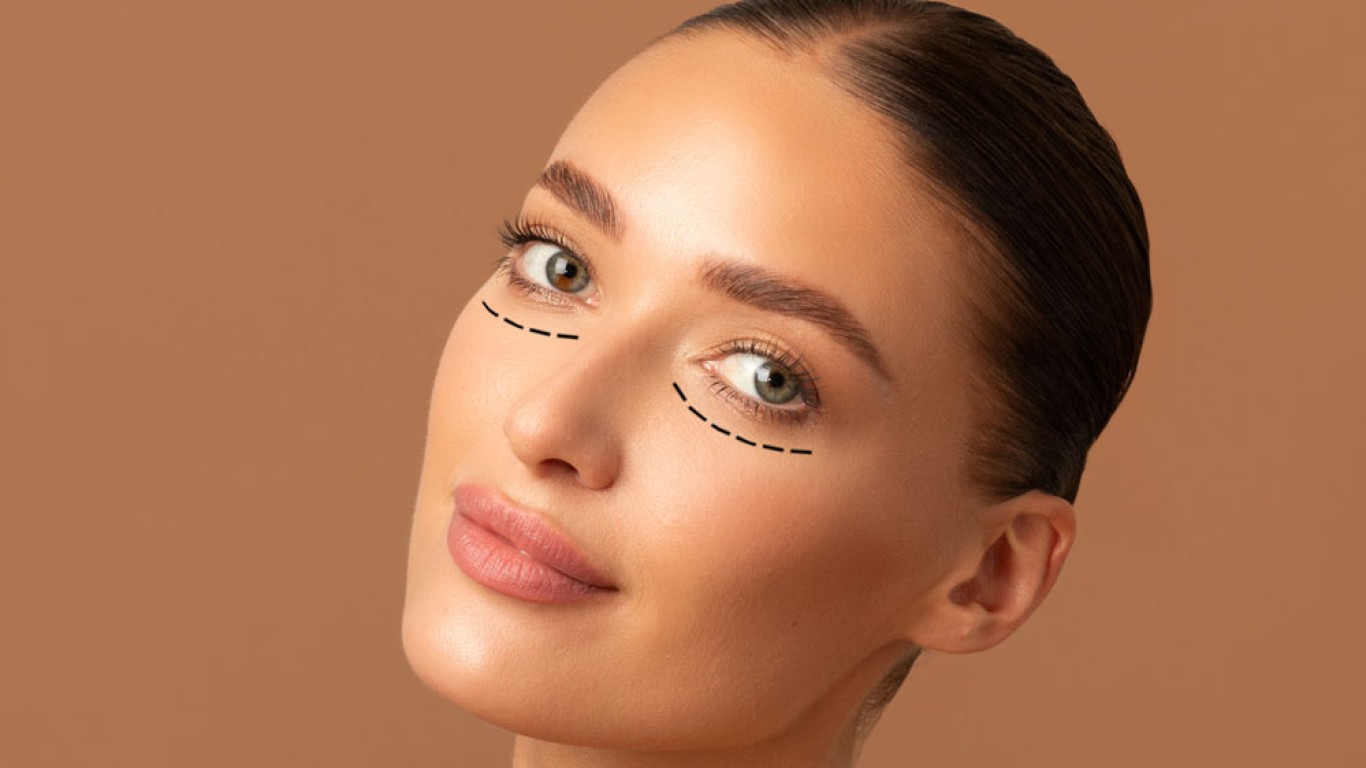
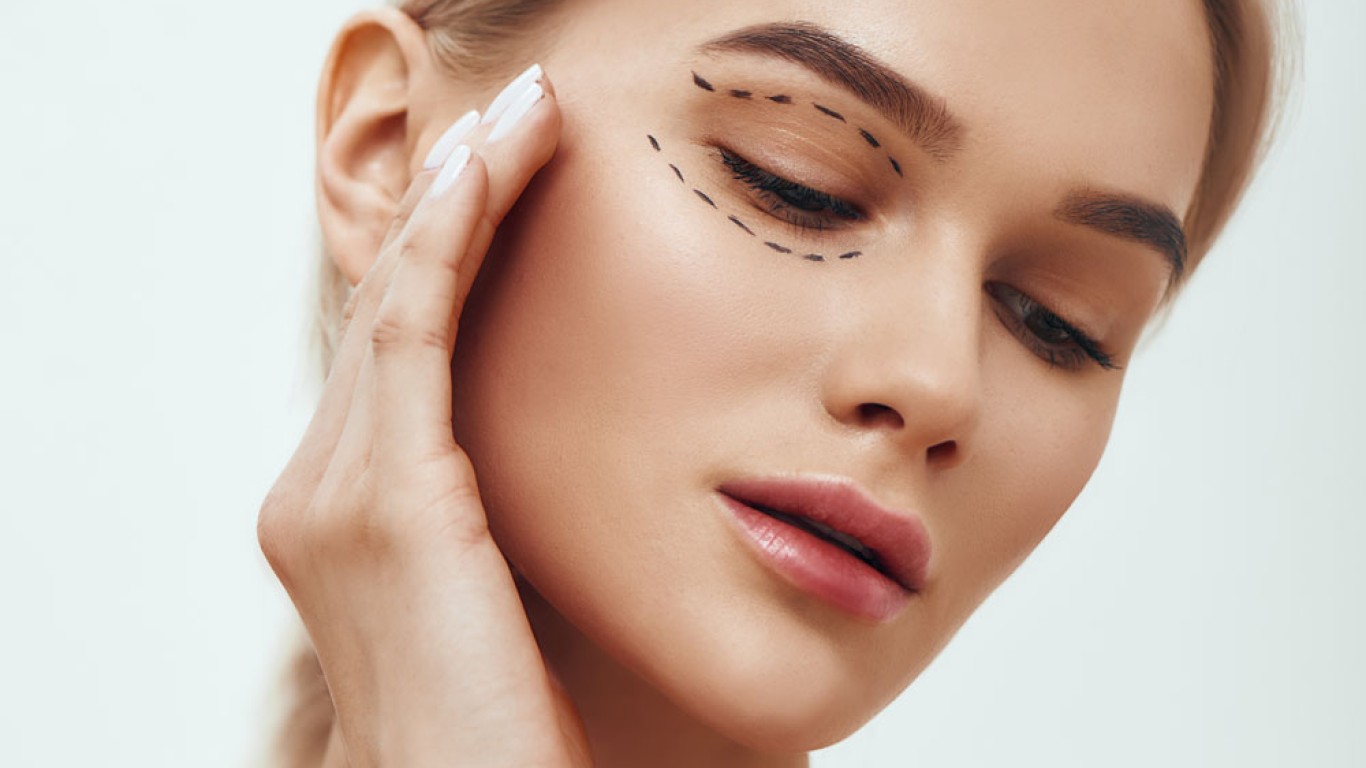
Lower eyelid surgery for eye bags, also known as lower blepharoplasty, reshapes the under-eye area by addressing excess fat and skin. During the procedure, the surgeon accesses the fat pads beneath the lower eyelid. Fat may be removed or redistributed to create a smoother contour. Excess skin is trimmed and the remaining tissue is repositioned. Incisions are typically placed just below the lash line or inside the lower eyelid depending on the technique used. Lower eyelid surgery for eye bags aims to reduce puffiness while maintaining a natural and refreshed appearance.
Lower Eyelid Surgery for Eye Bags: Surgical Approaches
Two main surgical approaches are used for lower eyelid surgery for eye bags. The transconjunctival approach involves an incision inside the lower eyelid. This method leaves no visible external scar. It is often used when fat removal or repositioning is the primary goal with minimal excess skin present. The external approach places the incision just below the lash line. This allows the surgeon to remove excess skin alongside fat adjustment. Lower eyelid surgery for eye bags using the external technique suits patients with both fat protrusion and skin laxity. The choice of approach depends on individual anatomy.
Who Is a Good Candidate for Lower Eyelid Surgery for Eye Bags?
Ideal candidates have persistent under-eye bags that do not improve with lifestyle changes. Lower eyelid surgery for eye bags suits individuals whose puffiness is caused by structural fat displacement rather than temporary fluid retention. Candidates should be in good general health. Non-smokers tend to experience better healing outcomes. Realistic expectations are important for satisfaction. Patients with mild skin laxity beneath the eyes may also benefit. A consultation evaluates the degree of puffiness, skin quality and tear trough depth. This assessment determines the most suitable surgical approach.
Lower Eyelid Surgery for Eye Bags:The Consultation Process
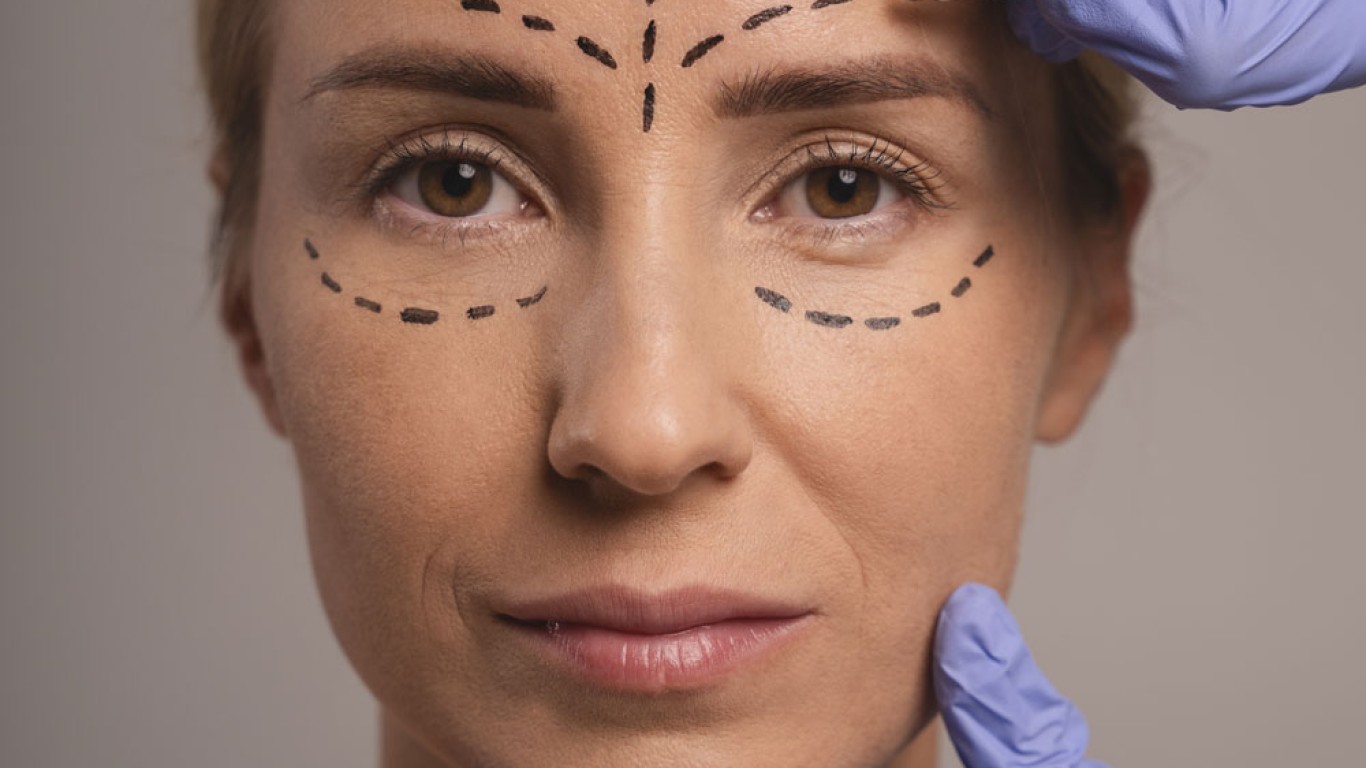
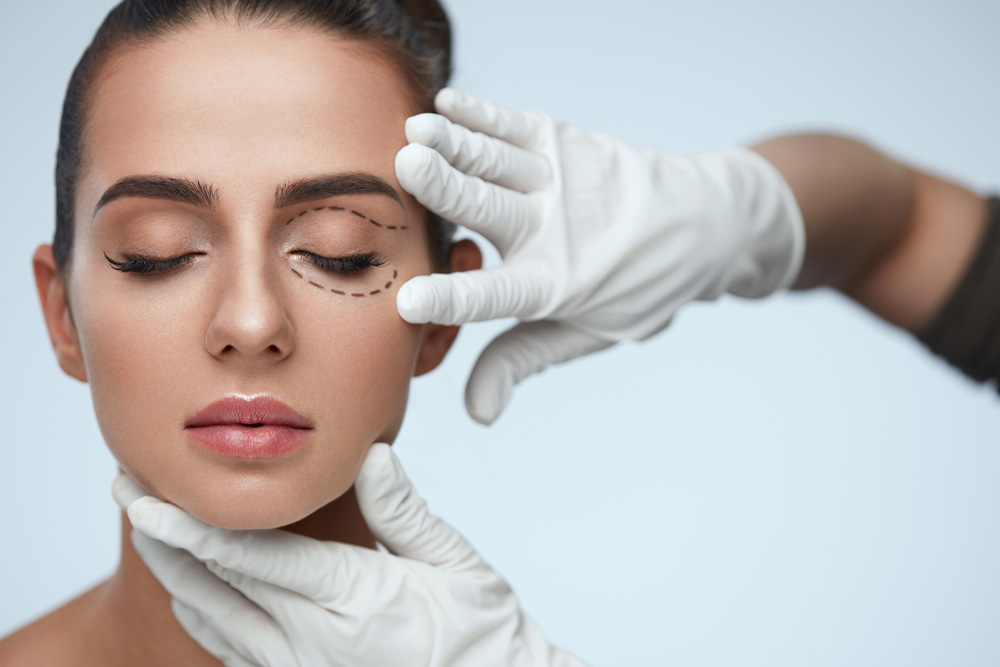
A thorough consultation is essential before lower eyelid surgery for eye bags. The specialist examines the under-eye area carefully. Fat pad position, skin elasticity and the depth of the tear trough are all assessed. Photographs may be taken for planning purposes. The surgeon discusses the recommended technique, expected outcomes and recovery timeline. Any medical conditions or medications that could affect healing are reviewed. This consultation ensures the treatment plan is personalised to the patient's anatomy. Open communication supports realistic expectations and confident decision-making.
What to Expect During Surgery
Lower eyelid surgery for bags is typically performed as a day procedure under local anaesthesia with sedation. The procedure usually takes between one and two hours depending on complexity. The surgeon carefully removes or repositions fat beneath the lower eyelid to create a smoother contour. Excess skin is trimmed if the external approach is used. Fine sutures close any external incisions. Most patients return home the same day. The procedure is considered one of the most refined facial aesthetic treatments available.
Recovery After Lower Eyelid Surgery for Eye Bags
Recovery is generally straightforward. Mild swelling and bruising around the eyes are common during the first week. Cold compresses and head elevation support comfortable healing during the early days. Sutures are typically removed within five to seven days if external incisions were made. Most patients feel comfortable returning to daily activities within one to two weeks. Lower eyelid surgery for eye bags produces visible improvement even during early recovery. Final results develop as swelling resolves completely over the following weeks and months.
Managing Swelling and Bruising
Swelling and bruising are the most common concerns during the first week of recovery. These effects are temporary and resolve gradually. Sleeping with the head elevated reduces overnight fluid accumulation. Cold compresses applied gently help minimise swelling during the first few days. Avoiding blood-thinning medications before and after surgery supports cleaner healing. Bruising typically transitions from darker to lighter tones as the body reabsorbs the fluid. Most visible bruising resolves within ten to fourteen days. Patience during this phase is important as the under-eye area continues to improve steadily.
Results and How They Develop
Improvement is visible almost immediately as the puffiness is reduced during surgery. However, full results develop gradually as swelling subsides over several weeks. The under-eye area appears smoother, less puffy and more rested as healing progresses. This procedure creates a refreshed appearance that can last many years. The eyes look more alert and less fatigued. Most patients see their final result within two to three months. Removed fat does not typically return. The procedure creates lasting structural change. Natural ageing continues but the treated area maintains its improved contour.
Risks and Considerations
As with any surgical procedure, lower eyelid surgery for eye bags carries potential risks. These include temporary dryness, mild asymmetry or changes in eyelid position. Serious complications are rare when surgery is performed by experienced specialists. Careful surgical technique minimises the risk of adverse outcomes. Patients are informed of potential risks during the consultation process. Choosing a qualified and experienced surgeon is one of the most important steps in reducing risk. Following aftercare instructions closely supports safe and smooth healing.
Long-Term Care After Surgery
Maintaining results after lower eyelid surgery for eye bags involves consistent skincare habits. Sun protection is essential for the delicate under-eye area because ultraviolet exposure accelerates skin ageing. Using a quality eye cream helps maintain hydration and skin elasticity over time. Gentle skincare routines that avoid harsh rubbing protect the sensitive tissue beneath the eyes. The procedure creates lasting structural improvement. Healthy daily habits support long-term results. Regular sleep, balanced nutrition and adequate hydration all contribute to maintaining a refreshed appearance long term. Many patients find that their improved under-eye contour motivates continued investment in overall skincare.
Emotional Benefits of Treatment
Under-eye bags and persistent puffiness can affect how individuals feel about their appearance in daily life. Looking tired despite adequate rest is a common frustration among those with structural eye bags. Surgery addresses this concern directly. It restores a smoother and more rested contour beneath the eyes. Many patients report feeling more confident in photographs and video calls after treatment. The refreshed appearance often positively influences self-perception and social confidence as well. These emotional benefits complement the physical improvements achieved through the procedure and contribute to overall satisfaction with the results.
Some patients combine lower blepharoplasty with other facial procedures for comprehensive rejuvenation. Upper eyelid surgery may be performed simultaneously to address hooding above the eyes. Tear trough filler can complement surgical results by adding volume to hollow areas beneath the lower eyelid. Lower eyelid surgery for eye bags works well alongside other facial treatments when planned carefully. Combining procedures reduces overall recovery time compared with separate operations. Treatment planning always prioritises safety, symmetry and balanced aesthetic outcomes for each individual patient.
Conclusion
Lower eyelid surgery for eye bags is an effective treatment for reducing under-eye puffiness and restoring a more rested appearance. The procedure addresses excess fat and skin beneath the lower eyelid with minimal visible scarring. Recovery is generally straightforward with most patients resuming daily activities within two weeks. Results develop gradually and typically last many years. Professional consultation ensures personalised planning and the most appropriate surgical approach for each patient.
For more information and to book a consultation visit the ACIBADEM Beauty Center Blepharoplasty page.
Frequently Asked Questions
Ageing, genetics and fat displacement beneath the eyes are common causes.
Scars are minimal and placed discreetly below the lash line or inside the eyelid.
Most patients return to daily activities within one to two weeks.
Removed fat does not typically return and results last many years.
Yes, it can be combined with upper eyelid surgery or filler treatments.