Ataşehir Mah. Feza Sk. No:3 İstanbul / Türkiye
 French
  English
  German
  Spanish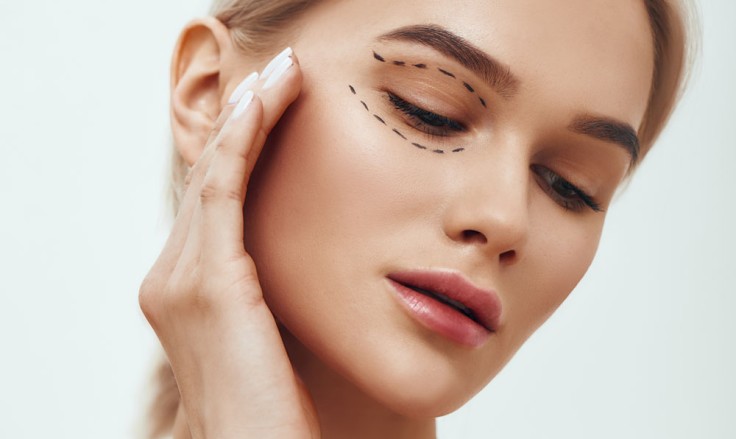
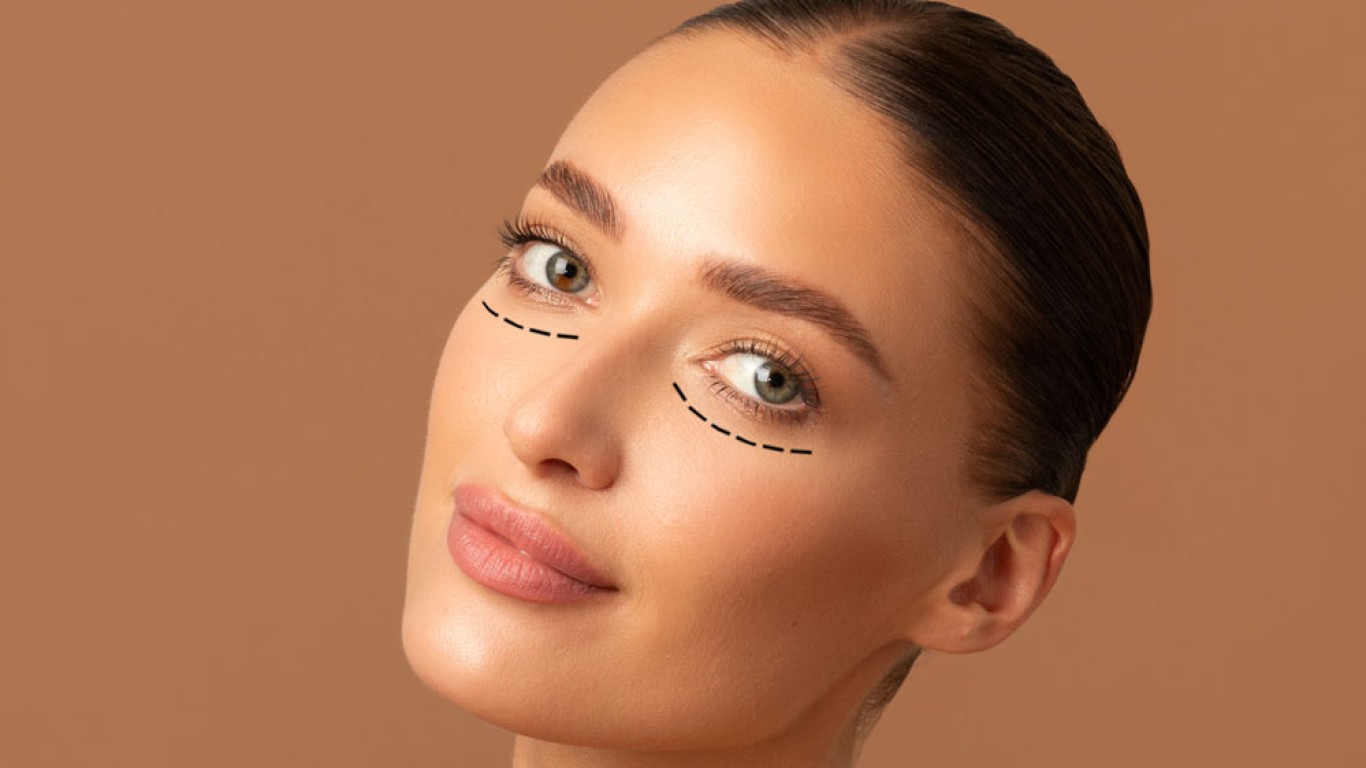
Under eye blepharoplasty is a popular surgical procedure. It is designed to improve the appearance of the lower eyelid area. First-time patients consider this treatment when under-eye puffiness or excess skin becomes more noticeable. The lower eyelids play a major role in overall facial balance. Changes in this area often appear earlier than elsewhere on the face. Therefore, understanding the procedure helps first-time patients feel informed and prepared before surgery.
What Under Eye Blepharoplasty Treats
Under eye blepharoplasty focuses on concerns beneath the lower eyelids. These include puffiness, excess skin, and visible fat bulges. The procedure does not change eye shape. Instead, it restores smoother contour and better transition between the eyelid and cheek. This targeted approach helps improve facial harmony without affecting expression.
Why Under Eye Changes Occur
Ageing affects the lower eyelids due to thin skin and delicate support structures. Fat pads beneath the eyes can shift forward over time. Skin elasticity also reduces gradually. These changes contribute to under-eye fullness or laxity. Under eye blepharoplasty addresses these structural changes directly.
Who Is a Suitable Candidate for Under Eye Blepharoplasty
First-time patients considering under eye blepharoplasty usually have persistent under-eye puffiness or loose skin. Candidates often maintain good overall health. Skin quality and facial anatomy are assessed carefully. The procedure suits those seeking structural improvement rather than surface treatment. A detailed consultation confirms suitability.
How the Procedure Is Performed
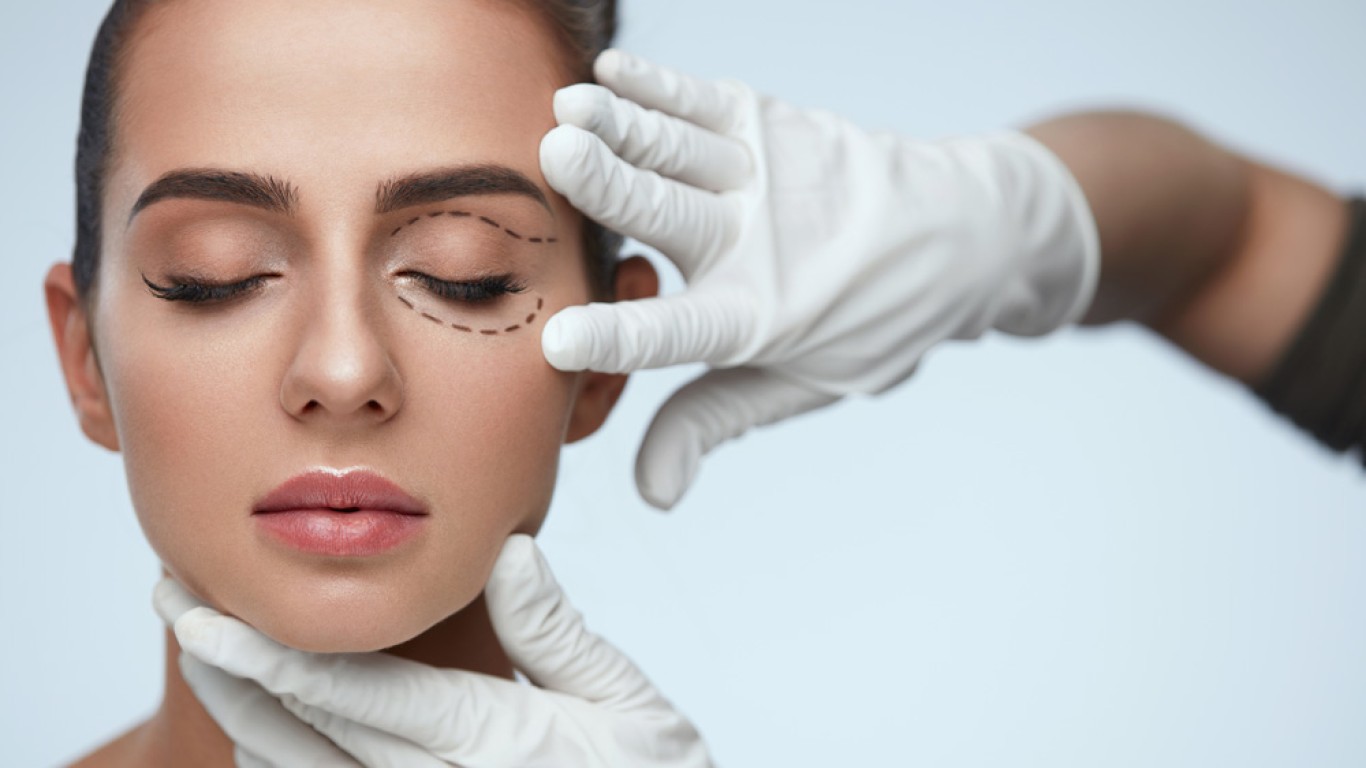
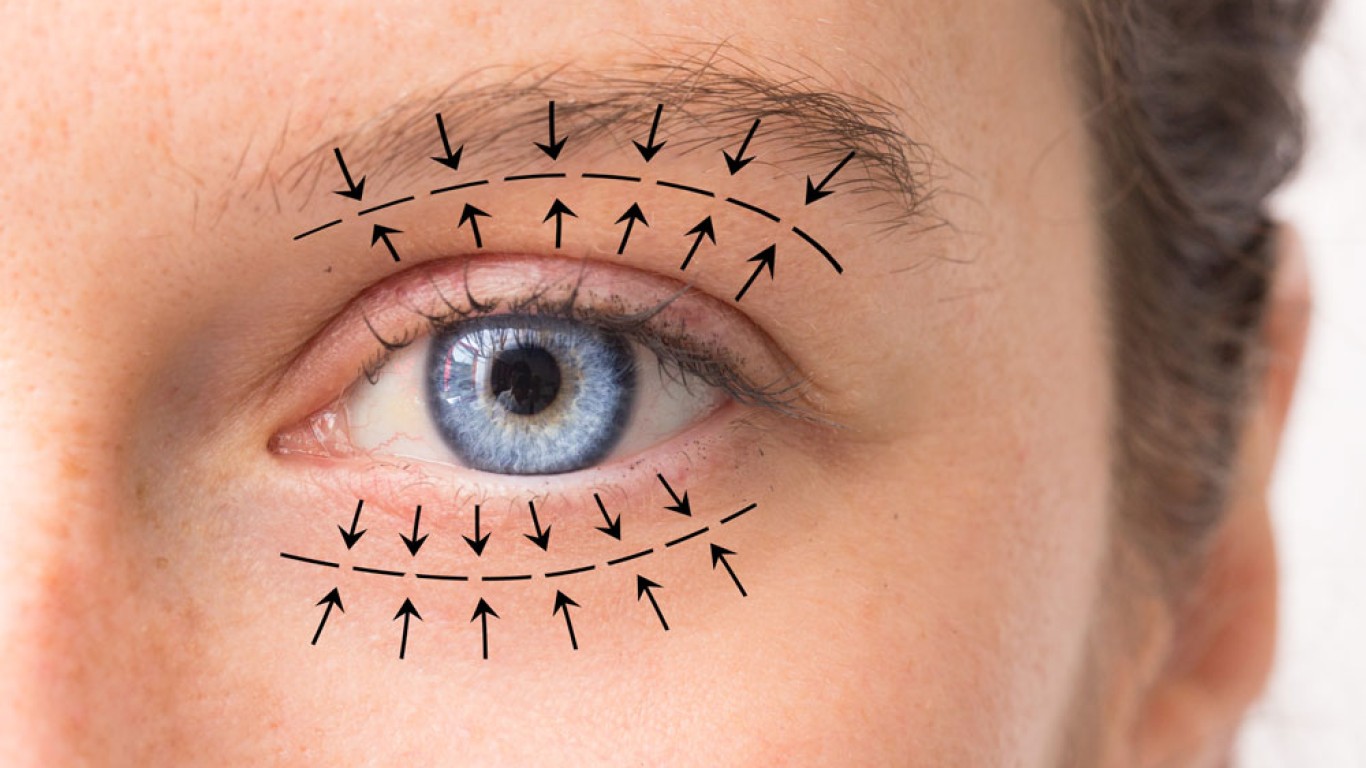
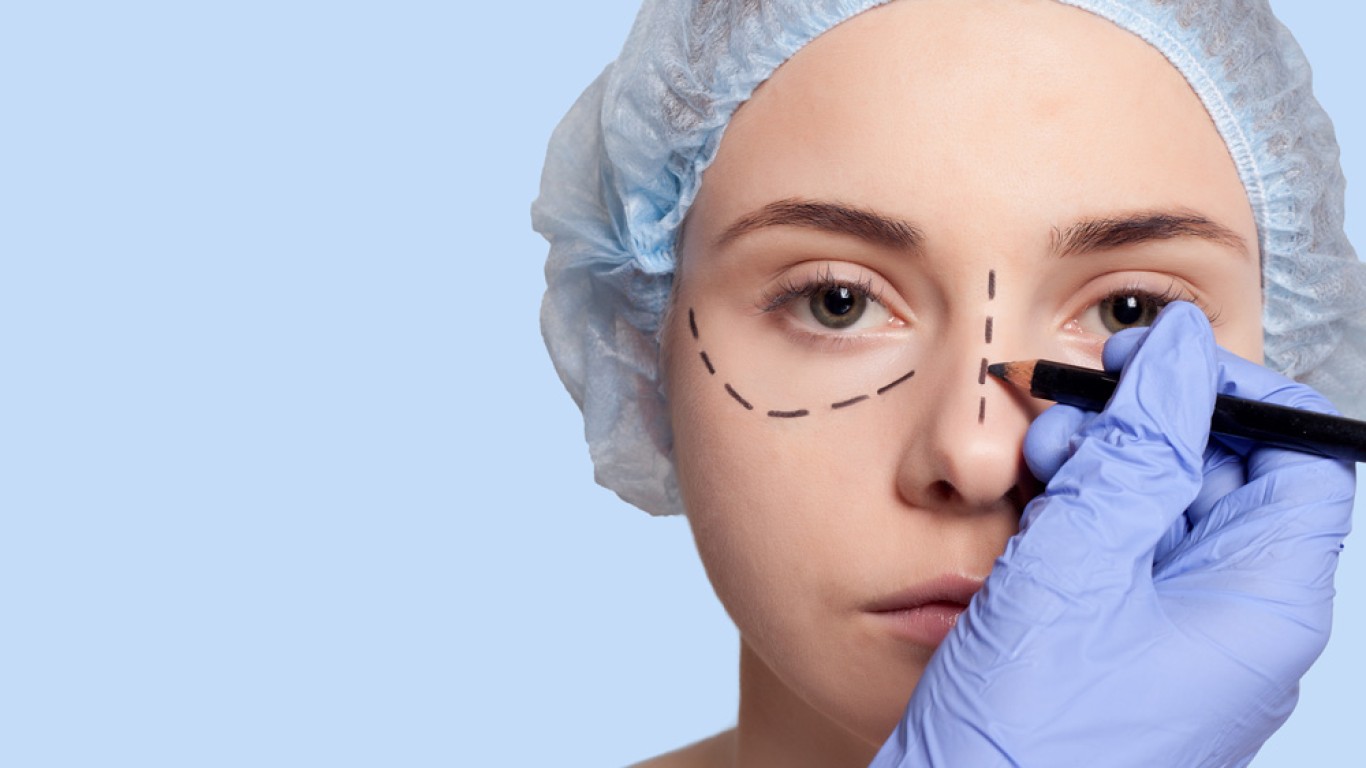
Under eye blepharoplasty is performed using precise surgical techniques. Incisions are placed either inside the lower eyelid or just beneath the lash line. The surgeon removes or repositions fat pads carefully. Excess skin may be trimmed if required. The goal is smooth contour without overcorrection.

Transconjunctival vs External Approach
There are two main approaches to under eye blepharoplasty. The transconjunctival method uses an incision inside the eyelid. This approach avoids external scarring and suits patients without excess skin. The external approach allows skin tightening when needed. The choice depends on anatomy and goals.
Anaesthesia and Procedure Length
The procedure is typically performed under local anaesthesia with sedation or general anaesthesia. Surgery usually lasts between one and two hours. The controlled setting ensures precision and comfort. First-time patients are monitored closely throughout the procedure.
Immediate Post-Surgery Expectations
After surgery, swelling and bruising are expected around the lower eyelids. Tightness and mild discomfort may occur initially. These effects are temporary and managed with aftercare guidance. Patients usually return home the same day. Early recovery focuses on rest and protection.
Recovery Timeline for First-Time Patients
Initial swelling reduces significantly within the first two weeks. Bruising fades gradually during this period. Most patients resume daily activities after ten to fourteen days. Residual swelling may persist for several weeks. Final results appear as tissues settle fully.
How Results Develop Over Time
Results from under eye blepharoplasty are not immediate. Early swelling can mask contour changes. Over time, the under-eye area appears smoother and more balanced. Improvements integrate naturally with surrounding facial features. The outcome reflects structural correction rather than surface tightening. Under eye blepharoplasty provides long-lasting improvement. Fat repositioning and skin adjustment remain stable for many years. Natural ageing continues gradually. Lifestyle and skin care influence how results age over time. The procedure does not require routine repetition.
Scarring and Incision Healing
When external incisions are used, scars are placed discreetly beneath the lash line. These typically fade well over time. Transconjunctival incisions leave no visible scars. Proper wound care supports optimal healing. Most scars become difficult to detect once healed.
How the Procedure Affects Facial Expression
Under eye blepharoplasty does not restrict facial movement. Muscles responsible for expression are preserved. The goal is refinement rather than alteration. When performed correctly, facial expression remains natural. For first-time patients, this is incredibly important.
Under Eye Blepharoplasty vs Non-Surgical Treatments
Non-surgical treatments improve skin quality but do not remove or reposition fat. Under eye blepharoplasty addresses the underlying structural cause of puffiness. Surgery provides more definitive correction. Non-surgical options may complement surgery but cannot replace it.
Age Considerations for First-Time Patients
There is no specific age requirement for under eye blepharoplasty. Suitability depends on anatomy rather than age. Some patients consider the procedure in their thirties or forties - others pursue it later. Assessment focuses on tissue behaviour and goals.
Combining Under Eye Blepharoplasty with Other Procedures
Some patients combine under eye blepharoplasty with other facial procedures. These may include upper eyelid surgery or midface lifting. Combination treatment is planned carefully. The aim is balance rather than excessive change. Strategic planning ensures cohesive outcomes.
Importance of Surgeon Experience
Surgeon expertise significantly affects results. The lower eyelid area requires precise judgement. Over-removal of fat can affect long-term appearance. Choosing an experienced surgeon supports controlled, natural outcomes. Experience is particularly important for first-time patients.
Preparing for Under Eye Blepharoplasty
Preparation includes medical assessment and pre-operative guidance. Certain medications may be paused temporarily. Patients are advised on skincare and recovery planning. Following instructions supports smoother healing. Preparation helps first-time patients feel confident.
Conclusion
Under eye blepharoplasty offers effective, long-lasting improvement for under-eye puffiness and excess skin. The procedure focuses on restoring smooth contour and natural balance. For first-time patients, understanding the process, recovery, and outcomes supports informed decision-making. When performed by an experienced surgeon, results integrate seamlessly with facial features.
For more information and to book a consultation visit the ACIBADEM Beauty Center Blepharoplasty webpage.
Frequently Asked Questions
Yes, it is commonly chosen as a first facial procedure.
Most patients resume daily activities within two weeks.
Results are long lasting, although ageing continues naturally.
Scars are minimal or hidden depending on the technique used.
Yes, when planned carefully.