Ataşehir Mah. Feza Sk. No:3 İstanbul / Türkiye
 French
  English
  German
  Spanish
Introduction
Non-surgical nose shaping has become a popular option for subtle nasal refinement without surgery. This approach focuses on contouring rather than altering bone or cartilage structure. Many people choose it for convenience, flexibility, and shorter recovery time. Results are visible quickly and develop further as products settle. Longevity and maintenance are important considerations before treatment. Understanding how outcomes evolve helps patients plan realistically. This guide explores how results last and how they are maintained.
What Non-Surgical Nose Shaping Involves
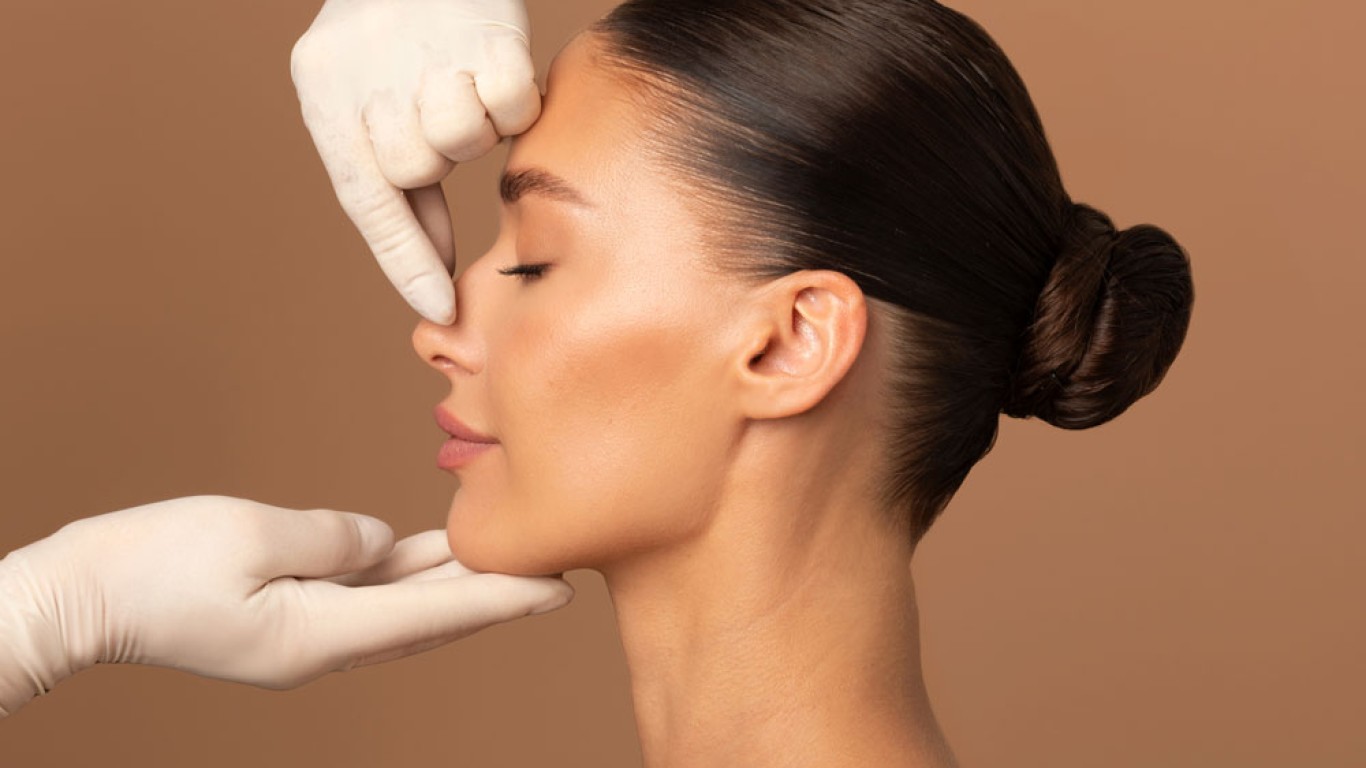
Non-surgical nose shaping uses injectable products to adjust nasal contours. The aim is to improve symmetry, smooth irregularities, or enhance profile balance. Treatment focuses on strategic placement rather than volume increase. Small adjustments can create significant visual improvement. The procedure is performed in a clinical setting. Precision and anatomical knowledge are essential for refined outcomes. This approach does not reduce nose size directly. Instead, it redistributes visual balance across the nasal bridge and tip. Careful planning ensures natural proportions. Results appear immediately, although refinement continues as swelling settles. Treatment is customised to facial structure. Individual goals guide the final contour.
Typical Longevity of Results with a Non-Surgical Nose Job
Longevity varies depending on individual factors and product choice. Most results last several months to over a year. Gradual breakdown occurs as the body metabolises the injectable material. Changes happen slowly rather than suddenly. This allows the nose to return gently to its original shape. Metabolism, facial movement, and lifestyle influence duration. Some patients notice longer-lasting results after repeated sessions. Consistent treatment can support stability over time. Longevity expectations are discussed during consultation. Planning helps avoid disappointment.
Factors That Influence How Long Results Last
Several factors affect how long results remain visible. Product density plays an important role. Areas with more movement may experience faster breakdown. Skin thickness can also influence longevity. Thicker skin may retain results slightly longer. Lifestyle habits matter as well. High physical activity levels can increase metabolic rate. Facial expressions contribute to product movement. Individual anatomy always plays a role. These factors explain why results differ between patients.
How the Nose Changes Over Time After Treatment
After treatment, the nose settles gradually. Initial firmness softens as the product integrates. Swelling reduces within days. Final contours become clearer over several weeks. This process supports natural-looking outcomes. As time passes, gradual reduction occurs evenly. There is no sudden loss of shape. This allows patients to plan maintenance calmly. Changes are subtle and predictable. Monitoring progress supports timely follow-up.
Maintenance Scheduling and Follow-Up
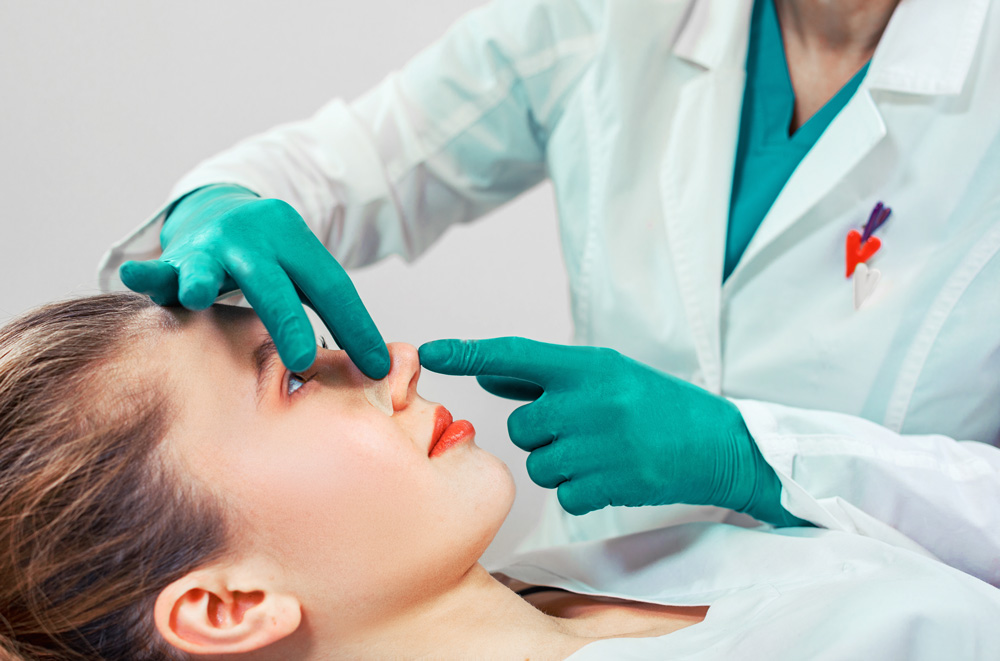
Maintenance typically involves repeat treatment at planned intervals. Some patients prefer early top-ups to maintain consistency. Others wait until visible changes appear. Both approaches are acceptable. Scheduling depends on personal preference. Follow-up appointments allow assessment and refinement. Small adjustments maintain balance. Regular review ensures proportions remain harmonious. Maintenance planning is part of long-term care. Clear scheduling avoids overcorrection.
Benefits of Gradual Maintenance Over Time
Gradual maintenance supports stable and refined results. Smaller top-ups integrate more naturally. This approach avoids dramatic changes. The nose maintains a consistent appearance. Facial harmony is preserved. Repeated treatments may extend longevity slightly. The area becomes more predictable. Patients often feel more confident with gradual care. This method suits those valuing subtlety. Long-term refinement becomes easier.
Non-Surgical Nose Shaping in Turkey
Turkey has become a destination for advanced facial aesthetic treatments. Clinics emphasise detailed facial assessment and proportion analysis. Treatment planning focuses on refinement rather than exaggeration. International patients often seek experienced practitioners. Centres such as Acibadem provide structured consultation pathways. Care plans are designed around facial balance. Follow-up guidance supports maintenance planning. Patients value organised treatment journeys. Expertise contributes to consistent outcomes.
Comparing Non-Surgical Nose Job Longevity to Surgical Options
Surgical nose procedures offer permanent structural change. Non-surgical nose job approaches provide temporary refinement. The choice depends on goals and commitment. Some patients prefer flexibility rather than permanence. Temporary results allow adjustment over time. Facial preferences may change. Non-surgical nose treatment supports adaptability. Maintenance replaces permanence with control. This appeals to many patients.
Managing Expectations for Non-Surgical Nose Job Long-Term Results
Clear expectations support satisfaction. Non-surgical nose shaping is best for subtle improvements. Dramatic structural changes are not the goal. Understanding limitations is important. Longevity varies and maintenance is required. Results evolve gradually. Realistic planning avoids frustration. Consultation helps align expectations. Informed decisions lead to better experiences.
Combining Nose Shaping with Other Facial Treatments
Some patients combine nose shaping with other facial refinements. This supports overall balance. Timing is planned carefully. Treatments complement rather than compete. A holistic approach considers the full facial profile. Balance across features enhances results. Coordination improves harmony. Planning ensures natural outcomes. Integrated care is increasingly popular.
How Facial Movement Affects Non-Surgical Nose Longevity
Facial movement plays an important role in how long non-surgical nose results remain visible. Smiling, speaking, and laughing place repeated pressure on nasal tissues. Over time, this movement can encourage gradual product breakdown. Areas near the tip often experience faster change. Understanding movement patterns helps guide realistic longevity expectations. Patients with expressive facial habits may notice subtle changes sooner. This does not indicate treatment failure. Instead, it reflects natural interaction between muscle activity and injectable materials. Strategic placement helps manage this effect. Maintenance planning accounts for facial dynamics. Movement-aware treatment supports balanced outcomes.
Skin Thickness and Its Role in Result Stability
Skin thickness influences how non-surgical nose shaping settles over time. Thicker skin can soften visible changes slightly. However, it may also help conceal gradual product breakdown. Thinner skin reveals contour changes more clearly. Assessment includes evaluating skin density along the bridge and tip. This helps determine placement depth and technique. Skin quality also affects how light reflects. Planning considers both texture and structure. Balanced evaluation improves predictability.
Non-Surgical Nose Shaping for Profile Refinement
Profile refinement is a common reason patients choose non-surgical nose treatment. Small adjustments along the bridge can improve alignment. A raised radix can balance facial proportions effectively. The nose may appear straighter without reduction. Side profile changes often deliver high satisfaction. This approach focuses on optical balance rather than size alteration. Careful contouring avoids overcorrection. Profile planning is highly individual. Subtle refinement remains the goal.
How Repeat Treatments Influence Long-Term Appearance
Repeat sessions can influence how results behave over time. Smaller, staged treatments often integrate more smoothly. This avoids abrupt visual change. Gradual layering supports consistent contour. Some patients experience improved stability after multiple sessions. This may be due to refined placement and tissue adaptation. Follow-up evaluation guides timing. Repeat care focuses on preservation rather than alteration. Long-term appearance benefits from restraint.
The Importance of Injector Technique in Longevity
Technique strongly affects outcome durability. Precise depth placement reduces migration risk. Knowledge of vascular pathways supports controlled application. Experienced injectors tailor approach carefully. Product choice also interacts with technique. Different consistencies behave uniquely. Matching technique to material improves stability. Expertise reduces variability. Longevity often reflects skill rather than product alone.
Lifestyle Factors That May Shorten Results
Certain lifestyle habits influence result duration. High-intensity exercise can increase metabolic breakdown. Frequent heat exposure may accelerate change. These factors affect injectable longevity generally. Hydration levels also play a role. Well-hydrated tissue supports smoother integration. Lifestyle discussion forms part of consultation. Awareness helps manage expectations. Balanced habits support maintenance planning.
When Patients Choose Maintenance Over Surgical Change
Some patients prefer ongoing maintenance rather than permanent alteration. Non-surgical nose shaping offers flexibility. Preferences may evolve with age or facial changes. Temporary refinement supports adaptability. Maintenance allows gradual adjustment. Patients remain in control of appearance. This suits those avoiding irreversible decisions. Flexibility is often valued. Treatment aligns with changing goals.
How Follow-Up Appointments Improve Outcome Consistency
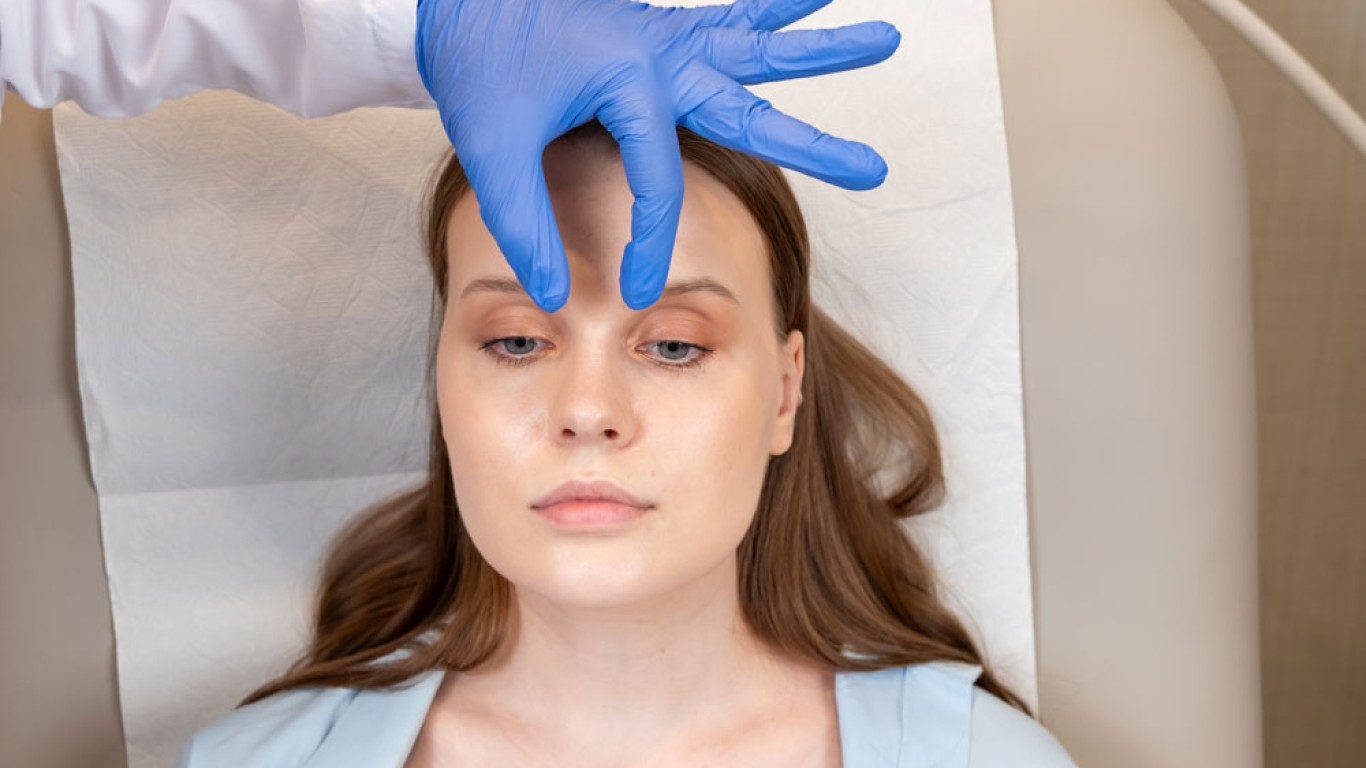
Follow-up appointments allow careful review of results. Subtle refinements may be recommended. These sessions focus on balance rather than volume. Adjustments are typically minimal. Review supports long-term consistency. Patients feel reassured through monitoring. Follow-up also guides future timing. Structured review improves satisfaction.
Conclusion
Non-surgical nose shaping offers a flexible approach to nasal refinement with predictable longevity. Results develop quickly and fade gradually over time. Maintenance planning plays a key role in preserving balance and proportion. Individual factors influence how long results last and how often treatment is needed. With careful planning and experienced care, outcomes remain subtle and natural.
For more information and to book a consultation visit the ACIBADEM Beauty Center Skin Treatments webpage.
Frequently Asked Questions
Results typically last several months to over a year, depending on individual factors.
Maintenance is needed to preserve results as products gradually break down.
Yes, gradual change supports a natural appearance.
Some patients notice slightly longer-lasting results with consistent maintenance.
Suitability depends on anatomy and desired outcomes, discussed during consultation.