Ataşehir Mah. Feza Sk. No:3 İstanbul / Türkiye
 French
  English
  German
  Spanish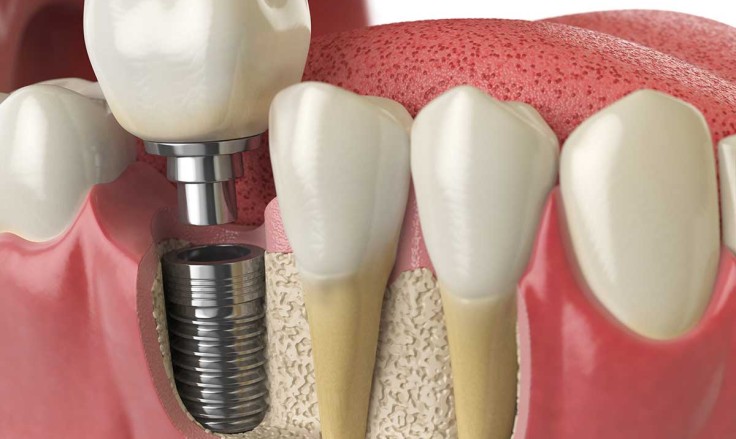
Introduction
The dental bridge vs implant decision is one of the most common choices patients face when replacing missing teeth. Both options restore function and appearance but through fundamentally different approaches. A dental bridge spans the gap by anchoring to adjacent teeth. An implant replaces the tooth root with a titanium post embedded in the jawbone. Longevity is often the deciding factor for patients weighing the choices. Understanding how each option works and how long it lasts helps patients make informed decisions. This article compares both approaches across durability, procedure details, maintenance and cost.
What Is a Dental Bridge?
A dental bridge replaces one or more missing teeth by anchoring to the natural teeth on either side of the gap. The adjacent teeth are prepared by removing enamel to accommodate crowns. These crowned teeth act as supports called abutments. Replacement tooth, called a pontic, is fused between the abutment crowns. The bridge is cemented permanently in place. The entire structure functions as a single unit. A comparison begins with understanding this reliance on adjacent teeth. The bridge requires healthy neighbouring teeth strong enough to support the restoration. The procedure typically requires two appointments over two to three weeks. Bridges have been used successfully for decades and remain a reliable tooth replacement option.
What Is a Dental Implant?
A dental implant replaces the missing tooth from the root up. A titanium post is surgically placed into the jawbone where the tooth root once sat. Over three to six months, the implant integrates with the bone through osseointegration. Once integrated, an abutment is attached and a custom crown is placed on top. The implant functions independently without affecting adjacent teeth. This is a fundamental difference in the dental bridge vs implant comparison. No healthy tooth structure needs to be removed from neighbouring teeth. The implant stimulates the jawbone through normal biting forces, preserving bone density. The procedure requires a longer overall timeline than a bridge. But produces a standalone restoration that mimics a natural tooth in both function and appearance.
Dental Bridge vs Implant: Longevity Compared
Longevity is the central question in the dental bridge vs implant comparison. A well-made dental bridge typically lasts ten to fifteen years before it may need replacement. Some bridges last longer with excellent oral hygiene. However, the abutment teeth supporting the bridge are at increased risk of decay and damage over time. The bridge prevents flossing between the supporting teeth in the normal manner, requiring special cleaning techniques. A dental implant can last twenty years or more. Many implants last a lifetime with proper care. The titanium post itself does not decay or deteriorate. Crown on top may need replacement after ten to fifteen years due to normal wear. The longevity comparison strongly favours implants for patients seeking the longest-lasting solution.

Dental Bridge vs Implant: Impact on Adjacent Teeth
The impact on adjacent teeth is an important consideration in dental bridge vs implant comparison. A dental bridge requires the removal of healthy enamel from the teeth. This preparation is irreversible. The prepared teeth are permanently altered and will always need crown coverage. The increased load on these supporting teeth can lead to complications over time. Root canal treatment may become necessary. An implant does not affect adjacent teeth in any way. They remain intact and untouched. The comparison on this factor clearly favours implants for preserving overall dental health. The decision to sacrifice healthy tooth structure for a bridge should be considered carefully. Particularly in younger patients who will live with the consequences for many decades.
Dental Bridge vs Implant: Bone Preservation
Bone preservation is another factor in the dental bridge vs implant comparison. When a tooth is lost, the jawbone in that area begins to resorb. This is because it no longer receives stimulation from the tooth root. A dental bridge sits above the gum line and does not stimulate the underlying bone. Bone resorption continues beneath the pontic. This can create a visible gap between the pontic and the gum that traps food. An implant integrates with the bone and transmits biting forces just like a natural root. This stimulation preserves bone density in the area. The comparison on bone health favours implants. Maintaining bone volume is particularly important for long-term facial aesthetics. As well as for keeping future treatment options open.
Dental Bridge vs Implant: Treatment Timeline
Treatment timelines differ significantly in the dental bridge vs implant comparison. A dental bridge can be completed in two to three weeks across two appointments. The first appointment prepares the abutment teeth and takes impressions. The second appointment fits the permanent bridge. An implant requires a longer process. Implant placement surgery is followed by three to six months of healing for osseointegration. A second appointment fits the final crown. The total timeline spans several months for implants versus weeks for bridges. Some patients prefer the faster bridge timeline. Others accept the longer implant process for the superior long-term outcome. Immediate loading implant protocols can reduce the implant timeline in selected cases.
Dental Bridge vs Implant: Maintenance
Maintenance requirements differ in the dental bridge vs implant comparison. A dental bridge requires special cleaning techniques. Floss threaders or interdental brushes must be used to clean beneath the pontic and around the abutment teeth. Food can trap between the bridge and the gum. Failure to clean thoroughly increases the risk of decay in the supporting teeth. An implant is maintained like a natural tooth. Normal brushing and flossing around the implant crown keeps it clean. Professional dental cleanings every six months maintain implant health. The maintenance comparison shows that implants are simpler to care for on a daily basis. This ease of maintenance contributes to the superior longevity of implants.
Dental Bridge vs Implant: Cost Comparison
Cost is a practical factor in the dental bridge vs implant decision. A dental bridge typically costs less initially than an implant. UK bridge pricing ranges from one thousand five hundred to three thousand pounds. Implant pricing ranges from two thousand to three thousand pounds per tooth. Turkish pricing offers significant savings on both options. However, the dental bridge vs implant cost comparison should consider lifetime value. Bridges may need replacement every ten to fifteen years. Multiplying the initial cost over a lifetime. Implants may last indefinitely with only crown replacement needed occasionally. When calculated over twenty to thirty years, the implant often proves more cost-effective. Despite the higher initial investment. The cost analysis favours implants for long-term value.
Dental Bridge vs Implant: Who Suits Each Option?
Different patients suit different options in the dental bridge vs implant comparison. Implants suit most patients with adequate bone density and good general health. They are ideal for younger patients who need a long-lasting solution. Patients who want to preserve adjacent teeth benefit from implants. Bridges suit patients who need faster treatment completion. Those with insufficient bone who cannot undergo grafting may prefer a bridge. Patients with health conditions that affect healing may be better suited to bridges. Cost-conscious patients may choose a bridge for the lower initial investment. The dental bridge vs implant decision should be made in consultation with a dental professional. One who evaluates individual anatomy, health status and long-term goals.
Conclusion
The dental bridge vs implant comparison reveals that implants offer superior longevity, bone preservation and protection of adjacent teeth. Bridges provide a faster, initially more affordable solution. Implants can last a lifetime while bridges typically need replacement every ten to fifteen years. The impact on neighbouring teeth favours implants which require no preparation of healthy tooth structure. Cost analysis over a lifetime often favours implants despite higher initial pricing. Both options effectively restore function and appearance. Professional consultation determines which dental bridge vs implant approach best suits each patient. Based on individual dental anatomy, health and long-term goals.
For more information and to book a consultation visit the ACIBADEM Beauty Center Dental Treatments page.
Frequently Asked Questions
Implants can last a lifetime; bridges typically last ten to fifteen years.
Yes, healthy enamel must be removed from supporting teeth.
Bridges cost less initially but implants offer better lifetime value.
Bridges: two to three weeks; implants: three to six months total.
Bone grafting can rebuild bone to support an implant in most cases.