Ataşehir Mah. Feza Sk. No:3 İstanbul / Türkiye
 French
  English
  German
  Spanish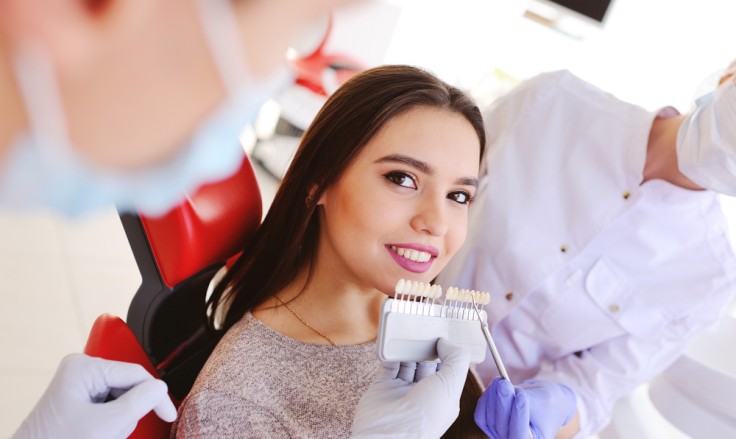
Introduction
Cosmetic dentistry continues to evolve rapidly with new technologies, materials and patient preferences shaping the field in 2026. More patients than ever are investing in their smiles. The treatments they choose reflect changing aesthetic ideals, advancing technology and growing accessibility through dental tourism. Understanding current trends helps patients explore the most effective and modern options available. Smile enhancement is no longer reserved for celebrities or the very wealthy. This article examines treatments gaining popularity. The technologies transforming delivery and the broader shifts in how patients approach smile enhancement. The information supports informed decision-making about which options best suit individual goals.
Natural-Looking Results in Cosmetic Dentistry
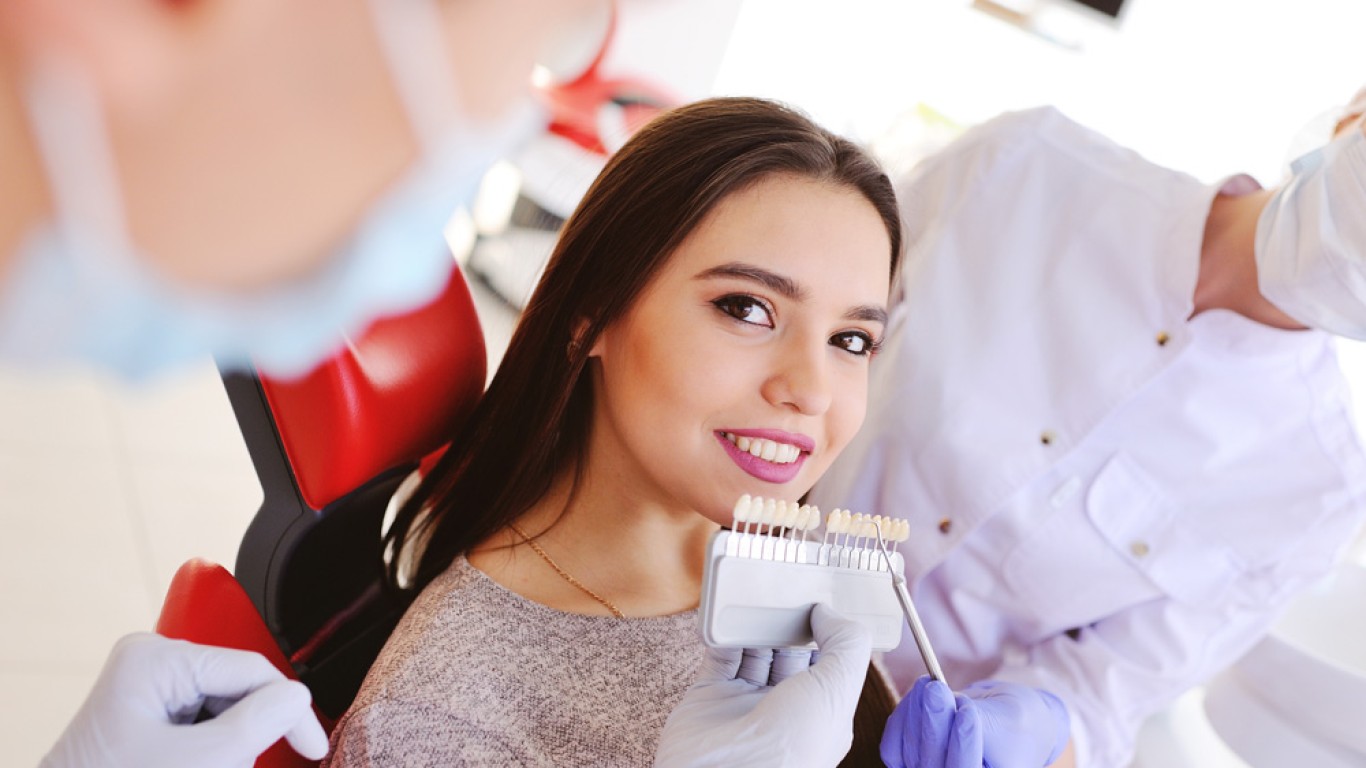
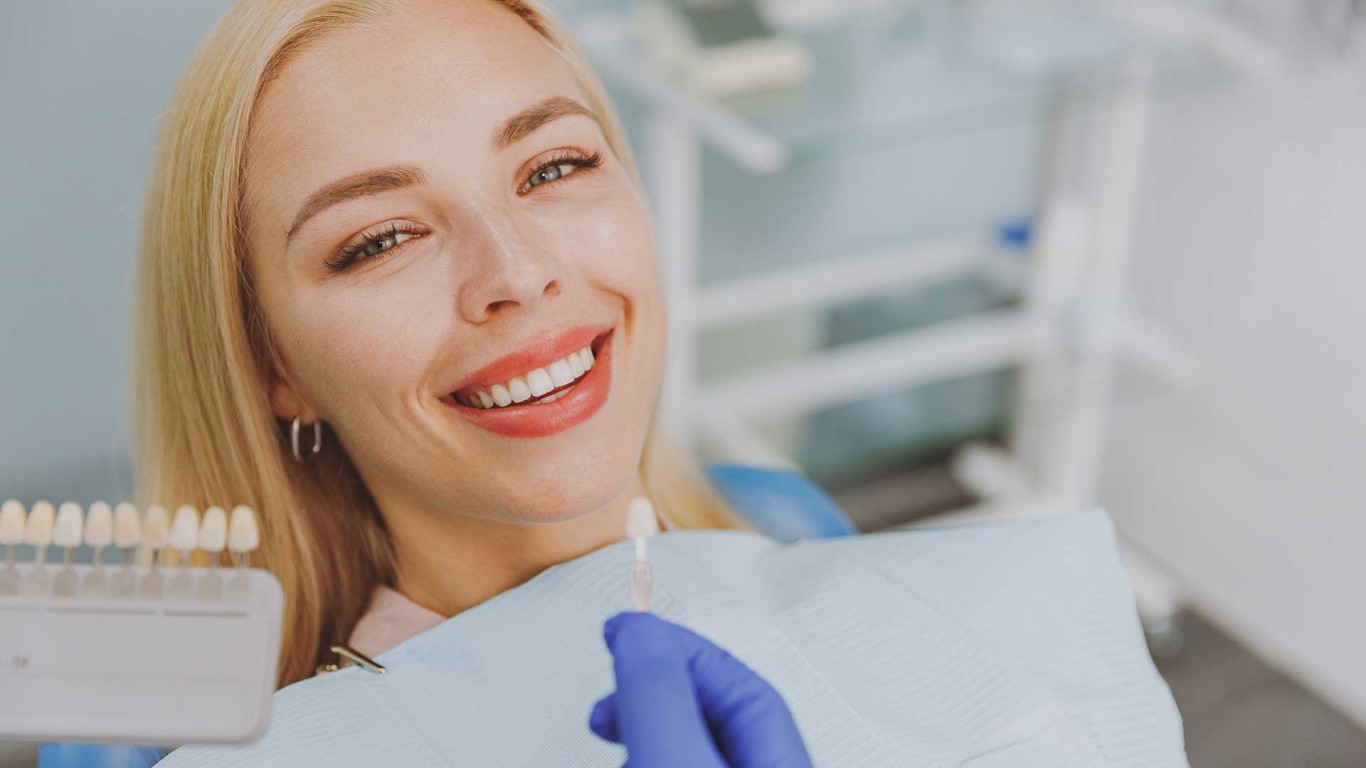
The strongest trend in cosmetic dentistry in 2026 is the shift toward natural-looking results. The era of obviously artificial, uniformly bright white teeth is fading. Patients increasingly request restorations that mimic the subtle variations found in natural teeth. Translucency, slight colour gradients and natural surface texture are now prioritised. Dentists use layered ceramic techniques to create depth and realism. Digital shade matching ensures restorations blend seamlessly with surrounding teeth. Today's approach reflects a mature understanding: beautiful smiles look effortlessly natural. Obvious enhancement is no longer the goal. This philosophy influences treatment planning from veneer design through crown fabrication to whitening shade selection.
Minimal Preparation Cosmetic Dentistry
Minimal preparation and no-preparation veneers represent a significant trend in cosmetic dentistry. Traditional veneers require removal of tooth enamel to accommodate the porcelain. Modern ultra-thin veneers can be bonded with minimal or no preparation at all. This preserves healthy tooth structure. Materials such as Lumineers and ultra-thin E-max veneers enable this conservative approach for suitable candidates. Not every patient qualifies for no-preparation veneers. Cases with significant misalignment or discolouration may still require traditional preparation. The shift toward conservation reflects growing awareness that preserving natural tooth structure benefits long-term health. Patients increasingly ask about the least invasive option first. Dentists welcome this conversation as it leads to better-informed treatment choices.
Digital Smile Design in Cosmetic Dentistry
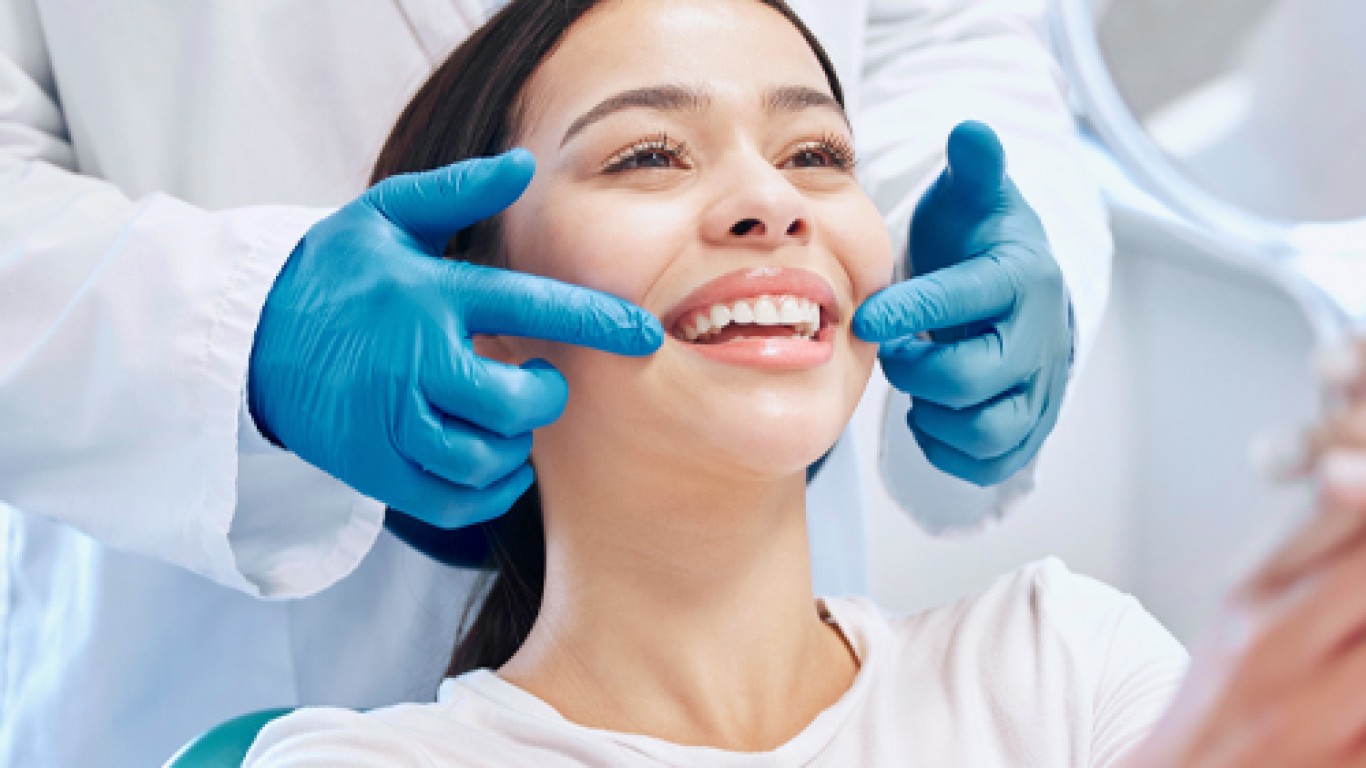
Digital smile design has become a defining feature of modern cosmetic dentistry. The technology allows patients to see their proposed result before any treatment begins. Photographs and videos are analysed using sophisticated software. Ideal tooth shapes, sizes and proportions are designed within the patient's facial anatomy. The patient previews and approves the design before commitment. This eliminates the uncertainty that once accompanied smile makeover decisions. Physical mockups allow patients to trial their new smile before permanent work begins. It has become a standard expectation rather than a premium addition at leading clinics. The technology transforms the patient experience from passive recipient to active collaborator.

Composite Bonding in Cosmetic Dentistry
Composite bonding has surged in popularity as a cosmetic dentistry trend in 2026. The treatment uses tooth-coloured composite resin to reshape, repair and enhance teeth. The material is applied directly to the tooth surface and sculpted by the dentist. No tooth preparation is needed in most cases. The treatment is reversible because no natural tooth structure is removed. It addresses chips, gaps, minor misalignment and uneven edges. Each tooth takes approximately thirty to sixty minutes. Results are immediate. The cost is significantly lower than porcelain veneers. It appeals to patients wanting visible improvement without the commitment or cost of porcelain restorations. It suits younger patients and those wanting conservative enhancement. Touch-up treatments are simple to perform as the resin ages.
Teeth Whitening Trends
Teeth whitening remains one of the most widely performed cosmetic dentistry treatments. Approaches, however, are evolving rapidly. In-office treatments using advanced LED or laser activation produce results in a single session. Take-home custom tray systems offer gradual whitening over two to four weeks. The current trend favours natural-looking brightness rather than stark white results. Patients request specific target shades that look bright but believable. Sensitivity management has improved with desensitising agents incorporated into modern whitening formulations. Combination protocols using in-office treatment followed by take-home maintenance produce the most lasting results. Turkey offers professional whitening at a fraction of UK pricing, often included within broader smile makeover packages.
Clear Aligner Orthodontics in Cosmetic Dentistry
Clear aligner orthodontics continues to grow as a cosmetic dentistry trend. Invisalign and similar systems straighten teeth discreetly without metal braces. The aligners are nearly invisible when worn. Treatment times have reduced with modern protocols. AI-powered planning improves predictability of outcomes. Remote monitoring through smartphone apps reduces the need for frequent appointments. Many patients view clear aligners as a smile enhancement rather than traditional orthodontics. Their primary motivation is appearance rather than function. Integration of aligner treatment with veneer and bonding plans reflects the comprehensive approach of modern dentistry. Patients straighten first, then refine with bonding or whitening for a complete transformation.
Dental Tourism and Cosmetic Dentistry
Dental tourism continues to shape accessibility in cosmetic dentistry in 2026. Turkey remains the leading destination for international dental patients. Experienced dentists, modern CAD technology and competitive pricing attract patients from across Europe and beyond. Full smile makeover packages including veneers, crowns and whitening cost fifty - seventy percent less than UK pricing. The dental tourism trend has matured significantly. Clinics now offer virtual consultations, digital smile design before travel and structured treatment timelines. Quality at accredited Turkish clinics matches UK standards. Dental tourism has broadened comprehensive smile transformation to a much wider range of budgets. Many patients combine treatment with a short break, making the trip practical and cost-effective.
Gum Aesthetics in Cosmetic Dentistry
Gum aesthetics are receiving increasing attention in cosmetic dentistry. A beautiful smile depends on the gum framework as much as the teeth themselves. Gum contouring reshapes uneven or excessive tissue to create a more symmetrical smile line. Laser treatments offer precise reshaping with minimal bleeding and fast healing. Crown lengthening exposes more tooth surface for patients with a gummy smile. Dentists now evaluate and address gum aesthetics as part of any veneer or crown plan. The focus is no longer solely on the teeth. This holistic approach produces more balanced and natural-looking outcomes. Gum treatment has become a standard element of comprehensive smile planning. Many patients are surprised by how much the gumline affects their overall result.
Technology Driving Cosmetic Dentistry Forward
Technology continues to drive cosmetic dentistry innovation in 2026. Intraoral scanners have replaced uncomfortable impression materials. CAD/CAM milling enables same-day crown and veneer fabrication. 3D printing produces surgical guides, models and temporary restorations rapidly. AI assists with diagnostic analysis and outcome prediction. Augmented reality applications allow patients to visualise potential results through their smartphone camera. These advances improve accuracy, reduce treatment time and enhance the patient experience. The field bears little resemblance to what it was even a decade ago. Patients benefit from greater precision, faster turnaround, more comfortable procedures and better predictability overall. Technology is now a central reason patients choose Turkey for advanced dental care.
Conclusion
Cosmetic dentistry in 2026 is defined by natural-looking results, minimal preparation and digital planning technology. Composite bonding, clear aligners and professional whitening continue to grow in popularity. Digital smile design has become standard at leading clinics. Dental tourism provides accessibility at competitive pricing. Gum aesthetics are now integrated into comprehensive smile planning. Advanced technology improves every aspect of the patient experience. These trends reflect a field that prioritises natural beauty. Conservation of healthy tooth structure and patient collaboration. Professional consultation helps patients find the most appropriate modern options for their individual smile goals. The right treatment depends on each person's unique anatomy, budget and expectations. An experienced clinician guides patients through the decision clearly and without pressure.
For more information and to book a consultation visit the ACIBADEM Beauty Center Dental Treatments page.
Frequently Asked Questions
Natural-looking results that mimic real teeth rather than obviously artificial enhancement.
It suits mild cases; porcelain veneers offer superior durability and longevity for more comprehensive changes.
Yes, digital smile design allows full preview and approval before any commitment.
Yes, at accredited clinics with qualified dentists using modern technology.
Fifty to seventy percent savings on equivalent cosmetic dentistry treatments.