Ataşehir Mah. Feza Sk. No:3 İstanbul / Türkiye
 English
Introduction
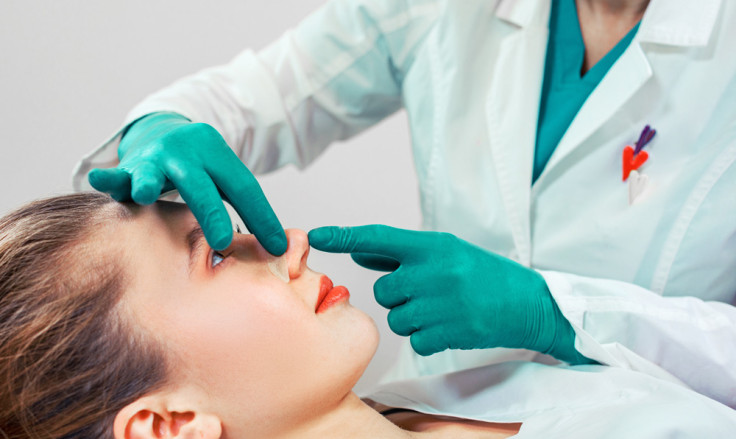
Primary rhinoplasty is the term for a patient's first nose surgery. It is one of the most commonly performed facial plastic surgery procedures worldwide. Patients choose it to change the shape, size or proportions of their nose. Many also want to improve breathing problems at the same time. The nose sits at the centre of the face, so small changes can make a big difference. Careful planning is therefore essential for a natural, balanced result. This article explains what the procedure involves and how to prepare. It also covers surgical techniques, choosing a surgeon, recovery and the results timeline.
What Is Primary Rhinoplasty?
Primary rhinoplasty refers to rhinoplasty performed on a nose that has not been operated on before. The surgeon works with untouched tissue, cartilage and bone. This offers the best opportunity to achieve a predictable, natural outcome. The procedure can reshape the bridge, tip, nostrils or overall size of the nose. It can also correct asymmetry or a crooked nose. Functional problems, such as a deviated septum, can be treated at the same time. Combining cosmetic and functional surgery is known as septorhinoplasty. Surgery is performed under general anaesthesia and typically takes two to three hours.
Why Getting Primary Rhinoplasty Right Matters
The first operation offers the best chance of an excellent result. Untouched tissues heal more predictably than previously operated tissues. Scar tissue from earlier surgery makes revision procedures more complex. Revision surgery may also require cartilage grafts from the ear or rib. For these reasons, careful planning before the first procedure is essential. Patients should take time to research surgeons and understand their options. A thoughtful, well-planned approach reduces the likelihood of needing further surgery. It also helps patients achieve a result that suits their face for many years.
Common Goals of Nose Surgery
Patients choose rhinoplasty for a wide range of reasons. Many want to remove a bump or hump on the bridge of the nose. Others wish to refine a wide, bulbous or drooping nasal tip. Some patients want to reduce the overall size of the nose. Narrowing wide nostrils is another common request. Patients with a crooked nose may want improved symmetry. Some need surgery after an injury has changed the shape of their nose. Breathing difficulties caused by internal structures are also common concerns. A surgeon will help patients prioritise their goals during consultation.

Who Is a Good Candidate for Primary Rhinoplasty?
Good candidates are in good general health and have realistic expectations. Facial growth should be complete before surgery is performed. This usually means patients are at least sixteen to eighteen years old. Patients should want surgery for themselves rather than to please others. Non-smokers heal better and face fewer complications. Smokers are usually asked to stop several weeks before surgery. Patients with certain medical conditions may need additional assessment. People with significant body image concerns may need further support before surgery. A thorough consultation helps confirm whether surgery is appropriate.
The Consultation and Planning Stage
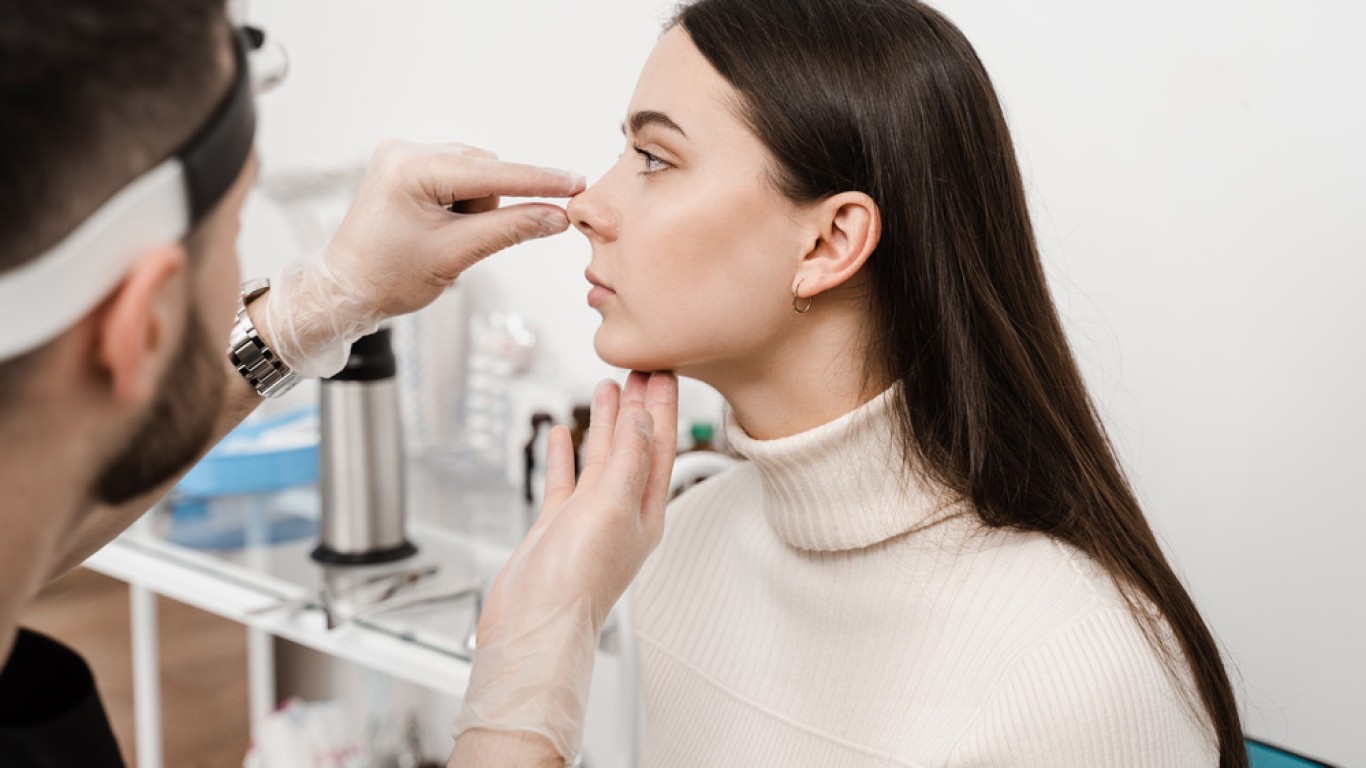
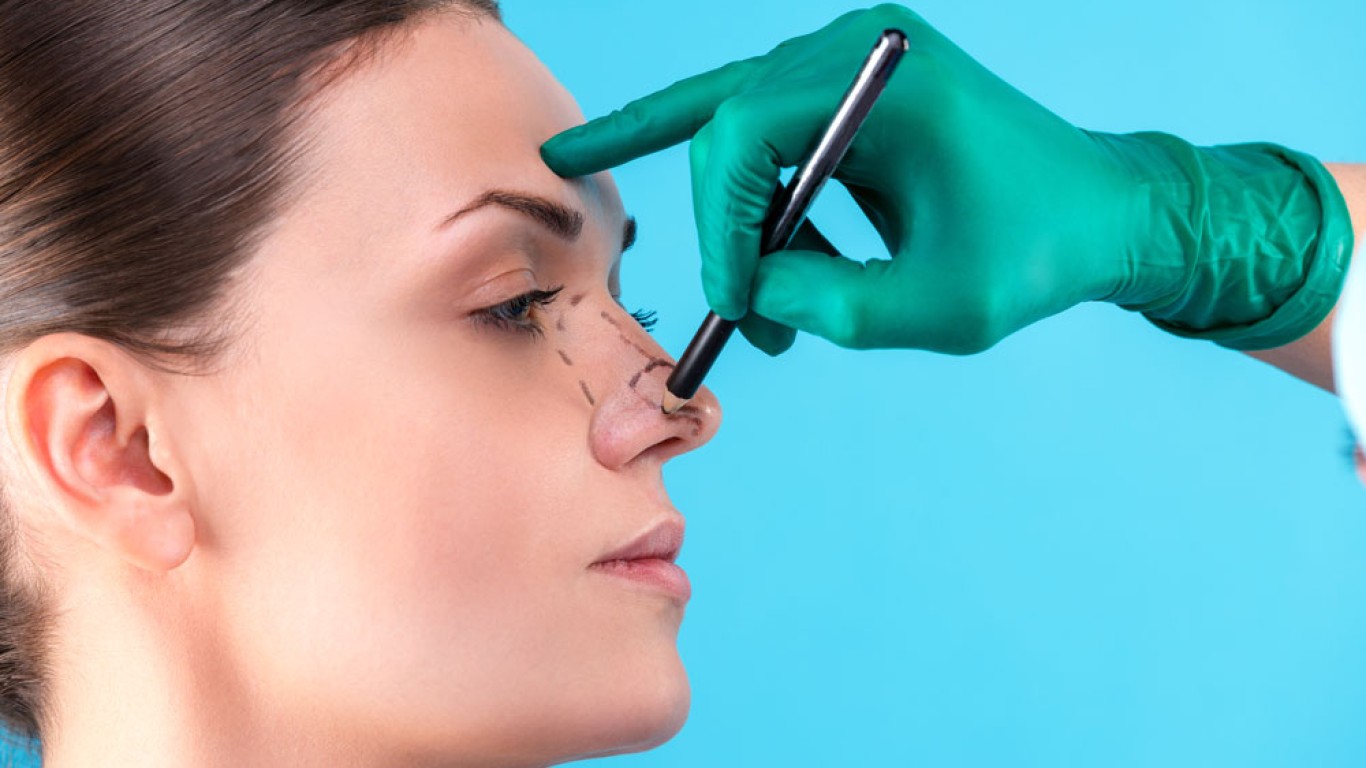
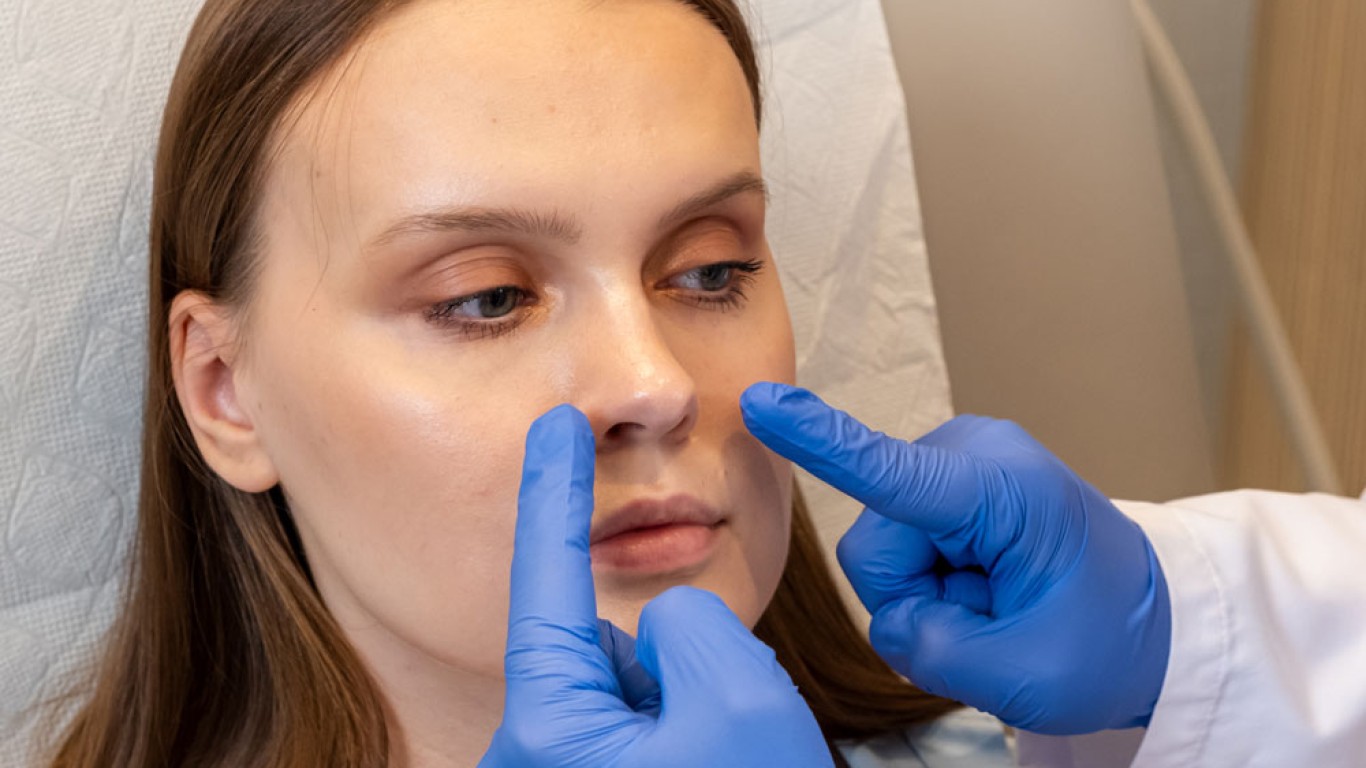
The consultation is the foundation of successful rhinoplasty. Surgeon examines the nose externally and internally. They assess skin thickness, cartilage strength and breathing function. The surgeon also considers how the nose relates to the rest of the face. Facial balance with the chin, lips and forehead is particularly important. Photographs are taken from several angles. Many surgeons use digital imaging to show possible outcomes. This helps patients and surgeons agree on realistic goals. Patients should ask questions and share examples of the results they like. A clear, shared plan reduces the risk of disappointment.
Open vs Closed Primary Rhinoplasty
Surgeons use two main approaches, depending on the changes required. The following table compares them.
| Approach | Incision Placement | Typical Use |
| Closed rhinoplasty | Inside the nostrils only | Smaller changes, such as hump reduction |
| Open rhinoplasty | Inside the nostrils plus a small cut across the columella | Complex tip work and greater precision |
The open approach leaves a small scar beneath the nose that usually fades well. Some surgeons also use preservation techniques that keep more of the natural structure. Ultrasonic instruments may be used to shape bone more precisely. The surgeon will recommend the most suitable technique for each patient.
Choosing the Right Surgeon
Choosing an experienced surgeon is one of the most important decisions. Patients should look for a qualified plastic surgeon or facial plastic surgeon. Rhinoplasty should form a significant part of the surgeon's regular practice. Before-and-after photographs help show the surgeon's skill and aesthetic style. Patients should look for results that appear natural and balanced. Reviews from previous patients can provide useful insight. The surgeon should explain risks and limitations honestly. A good surgeon will also discuss what cannot realistically be achieved. Treatment should take place in an accredited hospital with full support facilities.
Preparing for Primary Rhinoplasty
Good preparation supports a smooth operation and recovery. Patients should stop smoking at least four to six weeks before surgery. Certain medications and supplements that increase bleeding may need to be paused. Pre-operative tests may include blood tests and a general health check. Patients should arrange at least one to two weeks off work or study. Someone should be available to help during the first few days. Stocking up on soft foods and extra pillows can make recovery more comfortable. Patients travelling for surgery should plan to stay locally for around a week.
Recovery After Primary Rhinoplasty
Recovery follows a fairly predictable timeline. A splint is usually worn on the nose for around one week. Swelling and bruising around the eyes peak within two to three days. Most bruising fades within ten to fourteen days. Patients should sleep with the head raised during the first few weeks. Nose blowing and strenuous activity should be avoided for several weeks. Most patients return to work or study within one to two weeks. Glasses should not rest on the nose for around four to six weeks. Contact sports should be avoided for at least six weeks.
Improving Breathing at the Same Time
Many rhinoplasty patients also have breathing difficulties. A deviated septum is one of the most common causes. The septum is the wall of cartilage and bone dividing the nostrils. When it bends to one side, airflow through the nose can be reduced. Enlarged turbinates can also block the nasal passages. Weak cartilage may cause the nostrils to collapse inwards when breathing in. These problems can be corrected during the same operation. Addressing function and appearance together avoids the need for separate surgery. Patients should mention any breathing problems during their consultation.
Conclusion
Primary rhinoplasty offers the best opportunity to achieve a natural, lasting result. Careful planning, realistic goals and an experienced surgeon are essential. Surgeons may use open or closed techniques depending on the changes required. Recovery takes one to two weeks, while final results develop over twelve to eighteen months. A detailed consultation helps patients plan their first nose surgery with confidence.
To learn more about primary rhinoplasty and to book a consultation, visit the ACIBADEM Beauty Center Rhinoplasty webpage.
Frequently Asked Questions
Primary rhinoplasty is a first nose surgery. Secondary rhinoplasty corrects or refines a previous operation.
Most surgeons recommend waiting until facial growth is complete, usually around sixteen to eighteen.
Surgery typically takes two to three hours under general anaesthesia.
Most patients return to work or study within one to two weeks.
Final results may take twelve to eighteen months as swelling fully settles.