Ataşehir Mah. Feza Sk. No:3 İstanbul / Türkiye
 English
Introduction
Understanding primary vs secondary rhinoplasty helps patients make informed decisions about nose surgery. Both procedures reshape the nose, but they differ in important ways. Primary rhinoplasty is a patient's first nose operation. Secondary rhinoplasty is performed to correct or refine a previous operation. The two procedures involve different challenges, techniques and recovery timelines. Expectations and planning also differ considerably between them. This article compares both procedures side by side. It explains complexity, techniques, recovery and results. It also offers practical advice on reducing the likelihood of needing revision surgery.
Primary vs Secondary Rhinoplasty: Key Definitions
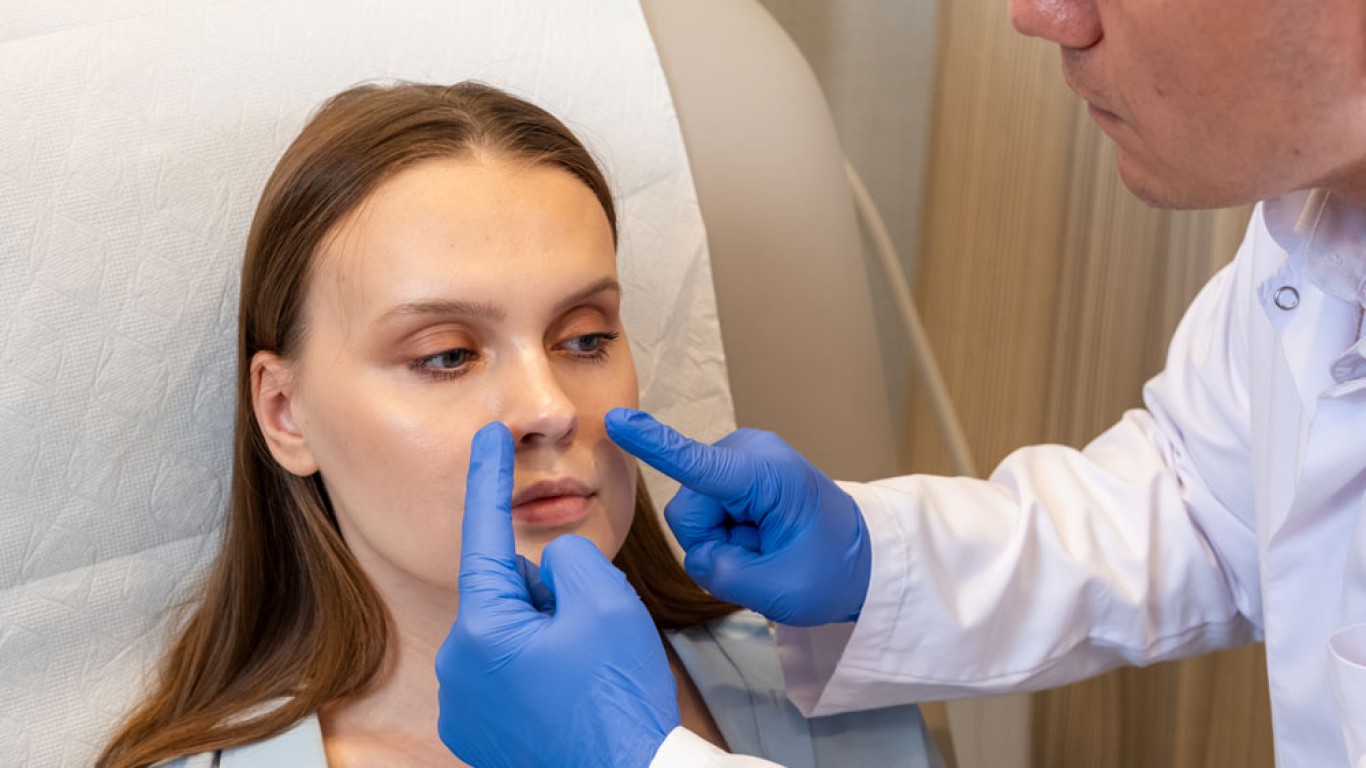
Primary rhinoplasty is performed on a nose that has never had surgery before. The surgeon works with natural, unscarred tissue, cartilage and bone. This allows precise reshaping with a high degree of predictability. Secondary rhinoplasty is also known as revision rhinoplasty. It is performed after one or more previous nose operations. The aim is to improve appearance, breathing or both. Some revisions involve small refinements to a single area. Others require major reconstruction of the nasal framework. The term tertiary rhinoplasty is sometimes used for a third operation.
Primary vs Secondary Rhinoplasty at a Glance
The two procedures differ in several practical ways. The following table summarises the main differences.
| Factor | Primary Rhinoplasty | Secondary Rhinoplasty |
| Tissue condition | Natural, unscarred tissue | Scar tissue and altered anatomy |
| Typical approach | Open or closed | Usually open |
| Cartilage grafts | Sometimes needed | Frequently needed, often from ear or rib |
| Operation length | Around two to three hours | Around three to five hours |
| Final results | Twelve to eighteen months | Eighteen months to two years |
Why Patients Seek Revision Surgery
Most patients are satisfied after their first rhinoplasty. However, a small proportion seek further surgery. Cosmetic concerns are one common reason. These include a residual bump, an uneven tip or an over-reduced bridge. Some patients feel their nose looks unnatural or unbalanced with their face. Functional problems are another important reason. Weakened structures can collapse inwards and narrow the airway. This may cause breathing difficulties that affect sleep and exercise. Injury after the first surgery can also change the shape of the nose.

Primary vs Secondary Rhinoplasty: Surgical Complexity
Secondary surgery is generally more complex than primary surgery. Scar tissue forms naturally after the first operation. It can obscure normal anatomy and make tissues stiffer. Previous surgery may have removed cartilage that now needs replacing. The skin may be thinner in some areas and thicker in others. Blood supply to the tissues can also be reduced. These factors make outcomes in revision surgery less predictable. By contrast, primary surgery allows the surgeon to work with healthy, intact structures. This is why careful planning for a first operation is so important.
Primary vs Secondary Rhinoplasty: Surgical Techniques and Grafts
Primary rhinoplasty can be performed using an open or closed approach. The closed approach uses incisions only inside the nostrils. The open approach adds a small incision across the base of the nose. Some surgeons use preservation techniques that keep more natural structures intact. Secondary rhinoplasty usually requires an open approach for better visibility. Revision surgeons often need cartilage grafts to rebuild support. Septal cartilage may be limited if it was used during the first operation. In these cases, ear or rib cartilage is commonly used. Rib cartilage provides strong support for major reconstruction.
Timing Considerations
Timing differs considerably between the two procedures. Primary rhinoplasty can be performed once facial growth is complete. This is usually from around sixteen to eighteen years of age. Secondary rhinoplasty requires patience after the first operation. Most surgeons recommend waiting at least twelve months before revision. This allows swelling to settle and scar tissue to mature. Operating too early can make results less predictable. Urgent breathing problems may occasionally justify earlier treatment.
Primary vs Secondary Rhinoplasty: Recovery and Results Timeline
Early recovery is broadly similar for both procedures. A nasal splint is usually worn for around one week. Bruising and swelling typically settle within two weeks. Most patients return to work within one to two weeks. However, swelling often lasts longer after revision surgery. Scar tissue and thicker skin slow the final refinement of shape. Patients with rib grafts will also experience chest discomfort for a few weeks. Final primary results usually appear within twelve to eighteen months. Final revision results may take up to two years.
Cost Considerations
Revision surgery usually costs more than a first rhinoplasty. The operation is longer and often more technically demanding. Cartilage harvesting from the ear or rib adds further time and complexity. Additional anaesthesia and hospital time also increase the overall cost. Patients should request a detailed written quote for either procedure. A clear quote should list the surgeon's fee, hospital costs and follow-up care. Investing in an experienced surgeon for the first operation may avoid revision costs later.
Expectations and Goals
Expectations should be realistic for both procedures. In primary surgery, the goal is often a significant aesthetic change. Breathing may be improved at the same time. In secondary surgery, the goal is usually meaningful improvement rather than perfection. Revision patients may already have experienced disappointment. Clear, honest communication with the surgeon is therefore essential. Digital imaging can help patients visualise realistic outcomes. Agreeing on priorities helps the surgeon plan the most effective approach.
How the Consultation Differs
The consultation process differs between the two procedures. For a first rhinoplasty, the surgeon focuses on the patient's goals and natural anatomy. Skin thickness, cartilage strength and facial balance are assessed carefully. Digital imaging often helps patients visualise possible outcomes. For revision surgery, the surgeon must also understand what was done previously. Records from the original operation are very helpful if available. The surgeon examines scar tissue, remaining cartilage and internal support. Imaging such as a CT scan may be recommended in some cases. Revision consultations often take longer because the planning is more complex.
Functional Considerations
Breathing is an important consideration in both procedures. During a first rhinoplasty, surgeons can correct a deviated septum or enlarged turbinates. This is often done alongside cosmetic changes in one operation. In revision surgery, breathing problems are a common reason for further treatment. Over-reduction of cartilage can weaken the nasal walls. The airway may then collapse inwards when the patient breathes in. Revision surgeons often use grafts to strengthen and open the airway. Improving function can make a significant difference to sleep and exercise.
Benefits of Primary vs Secondary Rhinoplasty
Both primary and secondary rhinoplasty can improve nasal appearance, facial harmony and breathing function. Primary rhinoplasty allows surgeons to refine the nose while preserving its natural structural support. Additionally, patients can achieve improved proportions that complement their individual facial features. Secondary rhinoplasty offers opportunities to enhance previous results and restore balance to the nose. Furthermore, cartilage grafts can strengthen nasal structures and support a more defined appearance. Functional improvements may also help patients breathe more comfortably during everyday activities. Both procedures can provide long-lasting improvements when supported by careful surgical planning.
Conclusion
Primary rhinoplasty is a first nose surgery performed on natural, unscarred tissue. Secondary rhinoplasty corrects or refines the results of previous surgery. Revision procedures are more complex and often require cartilage grafts. Recovery is longer, and final results take more time to appear. Careful planning and an experienced surgeon give patients the best results in both cases.
To learn more about primary vs secondary rhinoplasty and to book a consultation, visit the ACIBADEM Beauty Center Rhinoplasty webpage.
Frequently Asked Questions
Primary rhinoplasty is a first nose surgery. Secondary rhinoplasty corrects a previous operation.
Revision surgery is more complex and its results are less predictable.
No. Small revisions may use septal or ear cartilage instead.
Most surgeons recommend waiting at least twelve months before revision surgery.
Yes. Swelling usually lasts longer, and final results may take up to two years.