Ataşehir Mah. Feza Sk. No:3 İstanbul / Türkiye
 English
Introduction
Buccal fat pad removal is a facial contouring procedure that slims full, rounded cheeks. Some people have naturally full lower cheeks despite a healthy weight. This fullness can make the face look rounder or younger than they would like. Diet and exercise often have little effect on this type of facial fat. Buccal fat removal reduces this fullness and creates more defined cheek contours. The procedure has become increasingly popular in recent years. However, it is permanent and does not suit every face. This article explains how the procedure works and who it suits best. It also covers recovery, potential risks and important long-term considerations.
What Is the Buccal Fat Pad?
The buccal fat pad is a natural pocket of fat in each cheek. It sits deep in the face, between the cheekbone and the jaw. It lies in front of the large chewing muscle known as the masseter. The buccal fat pad helps cushion facial muscles during chewing and expression. Its size varies considerably between individuals. Genetics largely determine how prominent these fat pads are. Some people have large buccal fat pads that create a round, full lower face. The buccal fat pad also naturally reduces and descends with age. This is an important factor when considering removal.
What Is Buccal Fat Pad Removal?
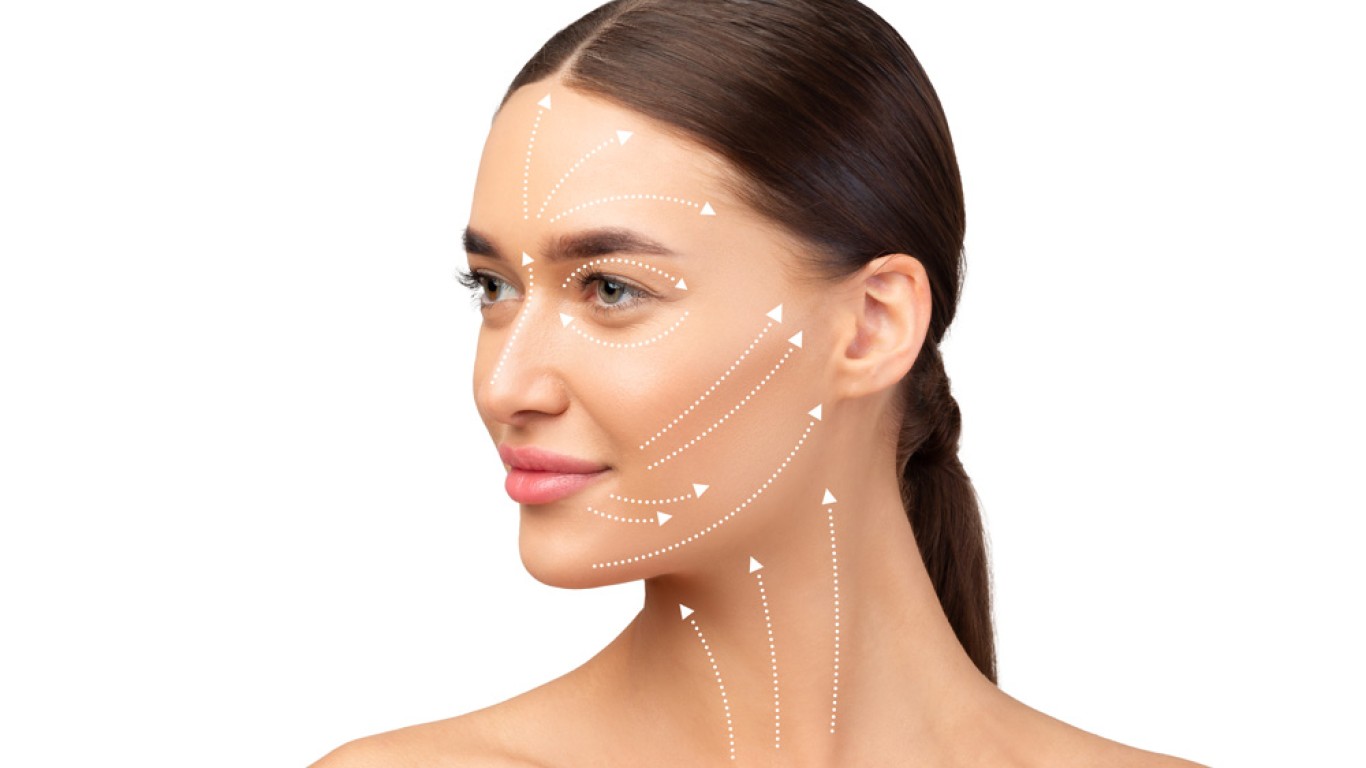
Buccal fat pad removal is also known as buccal lipectomy or cheek reduction surgery. The surgeon removes part of the buccal fat pad from each cheek. This reduces fullness in the lower cheek area. The result is a slimmer face with more visible contours beneath the cheekbones. The procedure is performed through small incisions inside the mouth. This means there are no visible scars on the face. Surgeons usually remove only a portion of the fat pad rather than all of it. Conservative removal helps avoid a hollow appearance in later life. The procedure can be performed alone or with other facial treatments.
How Buccal Fat Pad Removal Works
The procedure usually takes thirty to sixty minutes. It is commonly performed under local anaesthesia, sometimes with light sedation. Some patients have general anaesthesia, especially when combining procedures. Surgeon makes a small incision of around one to two centimetres inside each cheek. The incision is placed carefully to avoid the salivary duct. The surgeon then gently presses on the cheek to bring the fat pad forward. A controlled amount of fat is carefully removed. The surgeon compares both sides to achieve good symmetry. The incisions are closed with dissolvable stitches. Most patients go home on the same day.

Who Suits Buccal Fat Pad Removal?
The best candidates have naturally full, round lower cheeks. Their fullness should be caused mainly by prominent buccal fat pads. Good candidates are usually at or near their ideal body weight. They are often in their twenties or thirties, with good facial volume elsewhere. Patients who feel their face looks rounder than their body suggests may benefit. Candidates should be in good general health and non-smokers. Realistic expectations are essential, as the change is often subtle. A careful examination helps confirm that buccal fat is the main cause of fullness. Other causes, such as muscle size or general weight, need different treatments.
Who Should Avoid Buccal Fat Pad Removal?
Buccal fat removal is not suitable for everyone. Patients with naturally thin or narrow faces are usually poor candidates. Removing fat in these patients can create a gaunt, hollow appearance. Older patients often have natural volume loss in the cheeks already. Removing more fat may make them look older rather than more refined. Patients who are significantly overweight may not see a meaningful change. Losing weight first may be more effective for these patients. Fullness caused by a large masseter muscle needs a different approach. Patients with certain medical conditions may also be unsuitable for surgery.
Benefits of Cheek Slimming Surgery
When performed on the right candidate, the procedure offers several benefits. It creates a slimmer lower face with more defined cheekbones. The jawline may also appear more defined by contrast. There are no visible external scars because incisions are inside the mouth. The procedure is relatively quick and usually performed as a day case. Results are permanent because removed fat does not grow back. Many patients feel their face better reflects their overall body shape. The procedure can also complement other contouring treatments.
Buccal Fat Removal Compared With Other Options
Several treatments can slim or contour the face. The following table compares the main options.
| Treatment | What It Targets | Longevity |
| Buccal fat pad removal | Prominent buccal fat in the lower cheeks | Permanent |
| Masseter Botox | Enlarged chewing muscles at the jaw | Four to six months |
| Facial liposuction | Fat along the jawline and under the chin | Long-lasting |
| Cheekbone and jawline fillers | Lack of definition and structure | Twelve to eighteen months |
A specialist will identify the cause of fullness before recommending treatment.
Recovery After Buccal Fat Pad Removal
Recovery is generally straightforward. Swelling is common and usually peaks within two to three days. Most visible swelling settles within two to three weeks. Mild discomfort can be managed with prescribed pain relief. Patients usually follow a soft or liquid diet for several days. An antiseptic mouthwash helps keep the incisions clean. Patients should avoid smoking, as it slows healing and increases infection risk. Strenuous exercise should be avoided for around two weeks. Most patients return to work within a few days to a week. The stitches dissolve on their own within one to two weeks.
Achieving Natural-Looking Facial Contours
Achieving balanced facial contours is an important goal of buccal fat pad removal. The procedure aims to enhance cheekbone definition while maintaining natural facial proportions. Additionally, careful surgical planning helps create results that complement each patient's individual features. An experienced plastic surgeon assesses facial structure before determining the appropriate amount of fat removal. This personalised approach helps preserve fullness where needed while refining the lower cheeks. Furthermore, conservative fat removal supports a softer, more natural appearance as the face ages. Patients can discuss their preferred facial contours during the initial consultation. Photographs may also help demonstrate the expected changes and establish realistic treatment goals. Ultimately, successful cheek slimming creates subtle definition without dramatically changing the patient's natural appearance.
Long-Term Results of Buccal Fat Pad Removal
Final results usually become visible after three to six months. This allows time for swelling to settle completely. Removed fat does not grow back, so the change is permanent. However, the face continues to age naturally after surgery. Natural fat loss with age may make the cheeks look thinner over time. This is why conservative removal is so important. Some patients may later choose fillers or fat grafting to restore volume. Maintaining a stable weight helps preserve a balanced facial appearance.
Conclusion
Buccal fat pad removal can slim full lower cheeks and enhance facial contours. It suits patients with naturally round faces caused by prominent buccal fat. It is less suitable for slim faces or older patients with natural volume loss. Recovery is usually quick, and there are no visible scars. Careful assessment and a conservative approach help achieve natural, lasting results.
To learn more about buccal fat pad removal and to book a consultation, visit the ACIBADEM Beauty Center Aesthetics webpage.
Frequently Asked Questions
Yes. Removed fat does not grow back, although the face continues to age naturally.
No visible scars are left because the incisions are made inside the mouth.
Most visible swelling settles within two to three weeks after surgery.
Excessive removal may create hollowness with age, so careful assessment is essential.
Final results usually appear between three and six months after surgery.