Ataşehir Mah. Feza Sk. No:3 İstanbul / Türkiye
 English
  German
  Spanish
Introduction
Rhinoplasty is no longer primarily a female procedure. Growing numbers of men seek nasal reshaping each year. Male rhinoplasty has become one of the fastest-growing areas in cosmetic surgery. However, the approach differs from female rhinoplasty in important ways. Rhinoplasty requires understanding masculine facial proportions. The aesthetic goals are different. Technique must be adapted accordingly. This article explains what makes rhinoplasty distinct for men. It covers aesthetic considerations, technique differences, recovery and what male patients should expect.
Why Men Seek Rhinoplasty
Men seek rhinoplasty for many of the same reasons as women. Dorsal humps, crooked noses and breathing difficulties are common motivations. A disproportionately large nose affects facial harmony. Previous nasal trauma from sport or injury is a frequent driver. Rhinoplasty addresses both functional and aesthetic concerns. Male patients increasingly value facial aesthetics alongside other aspects of appearance. Social media exposure has normalised cosmetic surgery among men. Professional environments also influence the decision. Many male patients feel that an improved nasal appearance enhances confidence in work settings. The desire for rhinoplasty often builds over years before the patient takes action. Most male patients want subtle improvement rather than dramatic transformation.
How Rhinoplasty for Men Differs Aesthetically
Masculine and feminine nasal aesthetics differ significantly. Women typically prefer a slightly concave or straight nasal profile. Men generally want a straight bridge with minimal concavity. A very scooped profile appears feminine on a male face. Rhinoplasty preserves a stronger bridge line. The nasal tip differs between genders. Female patients often want a slightly upturned, refined tip. Male patients prefer a tip that projects forward without upward rotation. An over-rotated tip on a male face looks unnatural and feminised. Rhinoplasty maintains a nasolabial angle of approximately ninety to ninety-five degrees. Female rhinoplasty aims for approximately one hundred to one hundred five degrees. These angular differences are subtle but critical. The width of the nose also receives different treatment. Male noses are naturally wider. Excessive narrowing creates a feminised appearance. Rhinoplasty refines without over-reducing width.
Rhinoplasty for Men: Maintaining Masculine Features
The most important principle in rhinoplasty is preserving masculinity. Over-refinement is the biggest risk. A nose that is too small, too narrow or too upturned looks out of place on a male face. Rhinoplasty should produce a result that looks natural within masculine facial proportions. The nose should harmonise with the brow, jawline and chin. Strong brow bones and jaw definition frame the nose. A proportionate nose complements these features. Rhinoplasty requires the surgeon to think in terms of facial balance rather than isolated nasal refinement. The goal is a nose that does not draw attention. It should look like it has always been there. Male patients consistently describe wanting to look better without looking operated upon. This understated result requires surgical restraint and sophisticated aesthetic judgment.

Rhinoplasty for Men: Skin Thickness Considerations
Male nasal skin is typically thicker than female nasal skin. Thicker skin has important implications for rhinoplasty. It does not drape as tightly over the cartilage framework. Fine refinements may be obscured by the thicker soft tissue envelope. Tip definition takes longer to appear. Swelling resolves more slowly. Rhinoplasty patients with thick skin should expect a longer timeline to final results. Eighteen months is realistic. The surgeon adapts technique for thick skin. Stronger cartilage grafting may be used to project definition through thicker tissue. Aggressive refinement beneath thick skin can produce irregularities that are visible and palpable. Rhinoplasty requires balancing structural strength with the skin's ability to reveal the new shape. Experienced rhinoplasty surgeons understand how to work with thick male skin to produce defined yet natural results.
The Rhinoplasty for Men Procedure
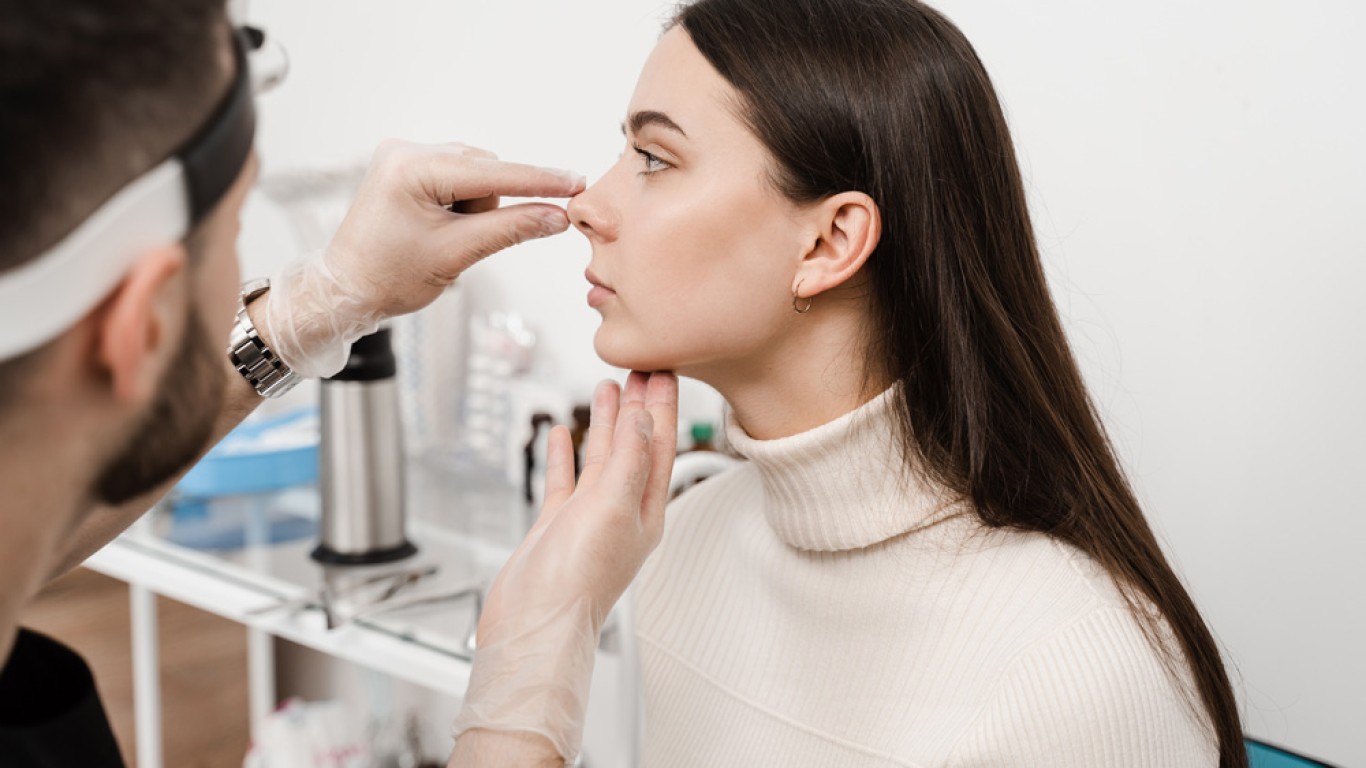
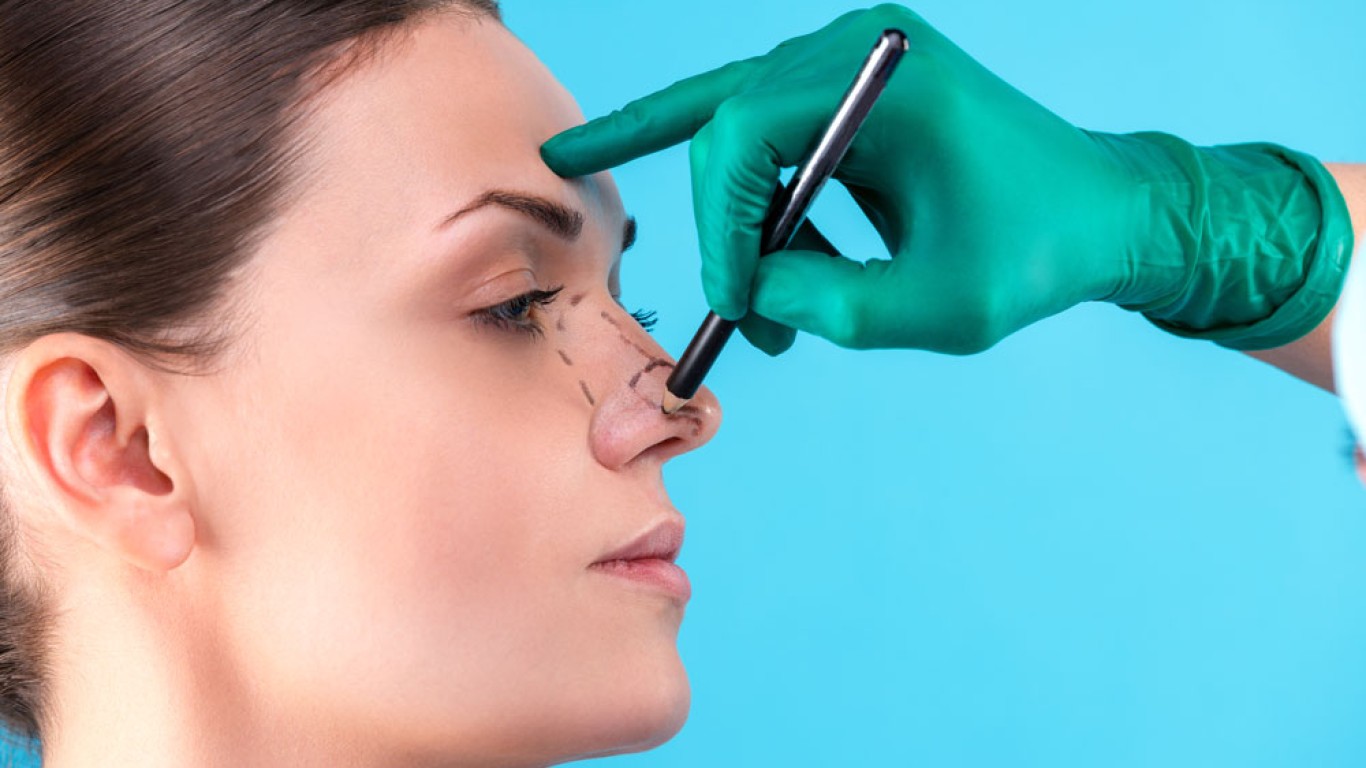
The surgical procedure follows the same principles as female rhinoplasty. Open or closed approaches are used depending on the complexity. Open rhinoplasty provides direct visualisation of the nasal structures. It suits more complex cases. Closed rhinoplasty uses internal incisions only. Rhinoplasty for men typically takes one and a half to three hours. General anaesthesia is standard. The surgeon reshapes bone and cartilage to achieve the planned result. Dorsal humps are reduced. Crooked bridges are straightened. The tip is refined without over-rotation. Rhinoplasty for men may include osteotomies to narrow a wide bony bridge. Cartilage grafting strengthens and defines the tip. Septal deviation is corrected if breathing is affected. A splint is applied for one week. Nasal packing is used selectively depending on the surgeon's technique.
Rhinoplasty for Men: Recovery Expectations
Recovery follows the standard rhinoplasty timeline. The splint is removed at day seven. Bruising lasts one to two weeks. Major swelling resolves within three to four weeks. Rhinoplasty for men patients can return to desk work within one to two weeks. Most feel socially presentable by week two to three. Strenuous exercise should wait four to six weeks. Contact sports require six to eight weeks minimum. Full healing takes twelve to eighteen months. Rhinoplasty for men recovery may involve slightly longer swelling duration due to thicker skin. Tip refinement appears more gradually. Monthly photography tracks progress objectively. Male patients generally recover well. Most describe the experience as more manageable than expected. The improvement in facial harmony becomes apparent within the first few months.
Choosing the Right Surgeon
Surgeon selection is critical for male rhinoplasty outcomes. The surgeon must understand masculine facial aesthetics. Rhinoplasty for men requires a different eye than female nasal surgery. Reviewing male-specific before-and-after photographs is essential. Look for results that maintain strength and proportion. Avoid surgeons whose male results appear feminised or over-refined. Rhinoplasty for men outcomes depend on the surgeon's ability to exercise restraint. A natural male nose requires less intervention than many surgeons instinctively apply. Ask how many male rhinoplasty procedures the surgeon performs. Experience with male anatomy and aesthetics specifically matters. Communication during consultation should address the unique considerations of rhinoplasty for men. The surgeon should demonstrate understanding of masculine proportions and the importance of preserving natural character.
Rhinoplasty for Men: Functional Considerations
Many male patients seek rhinoplasty for both aesthetic and functional reasons. Previous nasal trauma is common among men. Sport injuries, accidents and physical altercations cause fractures and deviation. A broken nose heals with irregularities if not treated promptly. Rhinoplasty for men frequently includes septoplasty to correct internal deviation. Breathing improvement is achieved alongside cosmetic refinement. Nasal valve collapse from previous injury may also be repaired. Rhinoplasty for men addressing both form and function in a single procedure is efficient and practical. Patients receive cosmetic improvement and breathing correction during one recovery period. The functional component adds clinical justification beyond aesthetic preference. Many male patients find this dual benefit strengthens their decision to proceed.
Rhinoplasty for Men: Cost and Treatment in Turkey
Turkey offers rhinoplasty at competitive pricing for male patients. Rhinoplasty for men in Turkey typically costs between two thousand five hundred and five thousand pounds all-inclusive. UK pricing ranges from five thousand to nine thousand pounds. Turkish packages include consultation, surgery, hospital stay, accommodation and aftercare. Experienced rhinoplasty surgeons perform male procedures at high volume. JCI-accredited hospitals provide international safety standards. Remote consultation before travel allows assessment and planning. Rhinoplasty for men in Turkey provides the same quality of results at substantially lower pricing. The combination of surgical expertise and comprehensive patient care supports a confident treatment experience for international male patients.
Conclusion
Rhinoplasty for men requires a distinct aesthetic approach. Masculine nasal proportions differ from feminine ideals. Preserving strength, avoiding over-refinement and maintaining facial harmony are essential. Thicker male skin affects technique and swelling timeline. The procedure addresses both cosmetic and functional concerns effectively. Rhinoplasty for men produces subtle, natural improvement that enhances facial balance. Surgeon selection is critical. Experience with male nasal aesthetics specifically determines outcome quality. Professional consultation ensures personalised planning. Turkey offers rhinoplasty for men at competitive pricing with experienced surgeons and modern facilities. Recovery requires patience as swelling gradually resolves over twelve to eighteen months. Long-term satisfaction depends on realistic expectations and careful aftercare. Choosing an experienced specialist helps achieve balanced, masculine results that age naturally over time.
To find out more information about rhinoplasty and to book a consultation visit the ACIBADEM Beauty Center Aesthetics page.
Frequently Asked Questions
It preserves masculine proportions. A stronger bridge and less tip rotation distinguish it from female rhinoplasty.
No. The goal is natural improvement. Most male patients want a result that looks undetectable.
Yes. Rhinoplasty corrects deformity from previous trauma and can improve breathing simultaneously.
Most men return to work within one to two weeks. Final results develop over twelve to eighteen months.
Typically two thousand five hundred to five thousand pounds all-inclusive.