Ataşehir Mah. Feza Sk. No:3 İstanbul / Türkiye
 French
  English
  German
  Spanish
Introduction
Semaglutide weight loss treatment has transformed the approach to obesity management worldwide. The medication has become one of the most discussed treatments in modern healthcare. Originally developed for type two diabetes, semaglutide demonstrated remarkable weight loss effects in clinical trials. Regulatory approval for weight management followed. Millions of patients now use this treatment to achieve results that diet and exercise alone could not deliver. Understanding how the medication works helps patients make informed decisions about whether it suits their goals. This article explains the science, expected results, side effects and practical considerations of semaglutide weight loss treatment in 2026.
What Is Semaglutide?
Semaglutide is a GLP-1 receptor agonist medication. It mimics the effects of the natural hormone GLP-1 which the body produces after eating. The medication was originally developed by Novo Nordisk for type two diabetes treatment. Clinical trials revealed significant weight loss as a side effect. This led to development of higher-dose semaglutide weight loss formulations specifically for obesity management. The medication is available as a weekly injection and increasingly as an oral tablet. Brand names include Wegovy for weight management and Ozempic for diabetes. This type of treatment has become one of the most prescribed weight management medications globally due to its demonstrated effectiveness in helping patients achieve meaningful and sustained weight reduction.
How Semaglutide Weight Loss Works
Semaglutide weight loss works through multiple complementary mechanisms. The medication activates GLP-1 receptors in the brain that control hunger and satiety. This reduces appetite and creates a feeling of fullness with smaller portions. The medication slows gastric emptying, meaning food stays in the stomach longer. This contributes to prolonged fullness between meals. This type of treatment also reduces the reward response to food, decreasing cravings for high-calorie foods. The medication improves insulin sensitivity and blood sugar regulation. These combined effects produce a sustained caloric deficit that leads to progressive weight loss. The biological mechanisms explain why semaglutide weight loss is more effective than willpower alone for many patients who have struggled with obesity.
Semaglutide Weight Loss: Expected Results
Clinical trials demonstrate impressive semaglutide weight loss results. The STEP trials showed that patients on the higher dose achieved an average weight loss of approximately fifteen percent of body weight. Some patients lost over twenty percent. Most weight loss occurs during the first twelve to eighteen months of treatment. The rate of loss is most rapid during the initial months. Semaglutide continues gradually as long as treatment is maintained. Individual results vary based on starting weight, adherence to lifestyle changes and metabolic factors. Patients who combine the medication with improved nutrition and regular exercise consistently achieve better semaglutide weight loss outcomes than those relying on medication alone.
Semaglutide Weight Loss: Dosing and Administration
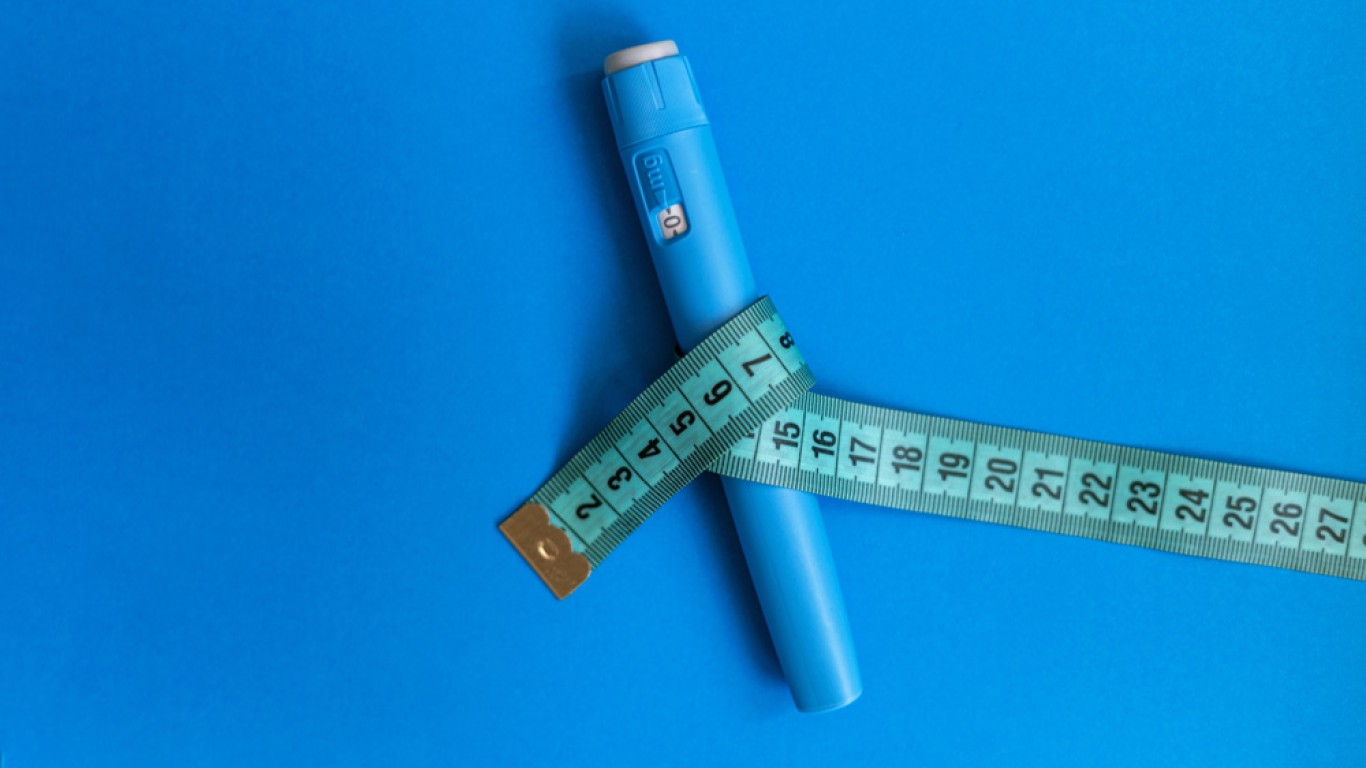
Semaglutide treatment follows a structured dosing schedule. The medication is started at a low dose and increased gradually over several months. This titration period reduces the incidence of side effects, particularly nausea. The injectable form is administered once weekly using a pre-filled pen. The injection is given subcutaneously in the abdomen, thigh or upper arm. Oral form is taken daily on an empty stomach. The gradual dose escalation for semaglutide weight loss typically takes sixteen to twenty weeks to reach the maintenance dose. Patients should follow the prescribed schedule carefully. Missing doses or escalating too quickly can increase side effects. Medical supervision throughout the titration period ensures safe and effective weight loss treatment.

Side Effects of Semaglutide Weight Loss Treatment
Semaglutide weight loss treatment carries potential side effects that patients should understand. Nausea is the most commonly reported effect, particularly during dose escalation. This typically improves as the body adjusts to each dose level. Diarrhoea, constipation and bloating are frequent gastrointestinal effects. Reduced appetite is expected and represents part of the therapeutic mechanism. Headache and fatigue may occur. Gallbladder problems including gallstones are reported more frequently during rapid weight loss. Pancreatitis is a rare but serious potential complication. The medication is contraindicated in patients with personal or family history of medullary thyroid carcinoma. Gradual dose titration significantly reduces side effect severity. Most patients tolerate semaglutide weight loss treatment well after the initial adjustment period. Regular follow-up appointments help monitor progress and support comfortable long-term treatment adjustment.
Who Is Suitable for Semaglutide Weight Loss?
Semaglutide weight loss treatment suits specific patient profiles. Adults with a BMI of thirty or above typically qualify. Those with a BMI of twenty-seven or above with at least one weight-related health condition may also be eligible. Type two diabetes, high blood pressure, high cholesterol and sleep apnoea are qualifying conditions. Previous unsuccessful attempts at weight loss through diet and exercise support eligibility. Good general health is important. Certain medical conditions including pancreatitis history may exclude patients. Pregnancy and breastfeeding are contraindications. Semaglutide treatment requires commitment to ongoing medical supervision. A thorough medical assessment determines individual suitability. The medication is most effective when combined with sustained lifestyle improvements. Personalised treatment plans help patients achieve safer and more sustainable long-term weight management results.
Semaglutide Weight Loss and Body Composition
An important consideration with semaglutide weight loss is the effect on body composition. Rapid weight loss from any cause typically involves loss of both fat and lean muscle mass. Research suggests that approximately twenty-five to forty percent of weight lost with semaglutide may come from lean mass rather than fat alone. This muscle loss can affect metabolism, strength and long-term weight maintenance. Resistance training during weight loss treatment helps preserve muscle mass. Adequate protein intake supports muscle retention. Most experts recommend one point two to one point six grams of protein per kilogram of body weight during treatment. Combining semaglutide with structured exercise programmes produces better body composition outcomes than medication alone. Regular monitoring of body composition can help patients maintain balanced and sustainable physical progress.
Long-Term Considerations
Long-term planning is essential with semaglutide weight loss treatment. Research indicates that weight regain commonly occurs after stopping the medication. Many patients may need to continue treatment indefinitely to maintain their results. The long-term safety profile continues to be studied. Ongoing medical monitoring supports safe extended use. The cost of long-term semaglutide weight loss treatment is a significant consideration for many patients. NHS availability varies and private prescriptions can be expensive. Patients should discuss long-term plans with their prescribing doctor. Establishing sustainable lifestyle habits during treatment provides the best foundation for maintaining results regardless of whether medication continues. Semaglutide weight loss represents a powerful tool but not a permanent standalone solution for most patients. Ongoing nutritional guidance and exercise routines support stronger long-term weight management success.
Semaglutide Weight Loss and Cosmetic Procedures
Many patients using semaglutide weight loss treatment subsequently consider cosmetic procedures. Significant weight loss can leave excess skin on the abdomen, arms, thighs and face. Body contouring procedures such as tummy tucks, arm lifts and body lifts address this concern. Surgeons typically recommend waiting until weight has stabilised for six to twelve months before cosmetic surgery. This treatment may need to be discussed with the surgical team before procedures. Facial volume loss from weight reduction can be addressed with dermal fillers or fat grafting. Understanding the relationship between semaglutide and subsequent cosmetic treatment helps patients plan their complete transformation journey from weight management through to body confidence. Comprehensive planning helps patients achieve balanced, natural-looking aesthetic outcomes after major weight reduction.
Conclusion
Semaglutide weight loss treatment has become one of the most effective pharmacological approaches to weight management in 2026. The medication works through appetite suppression, gastric slowing and reduced food reward responses. Clinical trials demonstrate average weight loss of approximately fifteen percent. Side effects are manageable for most patients through gradual dose escalation. The treatment suits patients with a BMI of thirty or above who have not achieved adequate results through lifestyle changes alone. Long-term use may be necessary to maintain results. Combining semaglutide weight loss with exercise and nutrition optimises outcomes. Medical supervision ensures safe treatment. Professional consultation determines individual suitability for this transformative weight management medication. Ongoing lifestyle commitment remains essential for preserving health improvements and long-term weight stability.
For more on semaglutide weight loss and to book a consultation visit the ACIBADEM Beauty Center Aesthetics page.
Frequently Asked Questions
Clinical trials show average loss of approximately fifteen percent of body weight.
Weekly injection or daily oral tablet depending on the formulation.
Nausea is most common, particularly during dose escalation; it typically improves.
Exercise is strongly recommended to preserve muscle mass and improve outcomes.
Weight regain is common after stopping; long-term use may be recommended.