Ataşehir Mah. Feza Sk. No:3 İstanbul / Türkiye
 French
  English
  German
  Spanish
Introduction
Tear trough filler has become one of the most popular non-surgical treatments for rejuvenating the under-eye area. Hollows beneath the eyes create a tired, aged appearance that affects many adults. Dark circles and sunken under-eye areas are common complaints in aesthetic consultations. The procedure addresses these concerns by restoring volume to the hollow area between the lower eyelid and the cheek. Understanding how the treatment works helps patients evaluate whether it suits their concerns. This article explains what the procedure involves, how results look, the risks to be aware of and what patients should know before booking treatment.
What Is Tear Trough Filler?
Tear trough filler is a non-surgical injectable treatment that restores volume beneath the eyes. The tear trough is the groove that runs from the inner corner of the eye downward and outward toward the cheek. As the face ages, fat pads beneath the eyes thin and descend. The underlying bone becomes more visible through thinner skin. This creates a hollow, shadowed appearance. Procedure uses hyaluronic acid dermal filler to fill this groove. The product adds gentle volume that smooths the hollow and reduces the shadow effect. The result is a more refreshed, less tired appearance. Tear trough filler produces immediate visible improvement that lasts several months.
How Tear Trough Filler Works
Tear trough filler works by adding soft volume to the deficient area beneath the eye. The practitioner uses a fine needle or cannula to place hyaluronic acid filler beneath the skin. The product sits on the bone surface and fills the hollow above. Shadow that creates the dark circle appearance is eliminated or significantly reduced. The skin appears smoother and less creased. Procedure requires precise placement because the under-eye area has very thin skin and sits close to important structures. The practitioner must inject the correct amount at the right depth. Too much filler can cause visible lumps or a puffy appearance. Too little may not produce adequate improvement. Experienced practitioners achieve natural-looking results consistently.
Who Is Suited to Tear Trough Filler?
Tear trough filler suits patients with specific under-eye concerns. Those with hollowing beneath the eyes due to volume loss are ideal candidates. Patients who appear tired despite adequate sleep often benefit. Dark circles caused by shadowing from the hollow respond well. Patients with good skin quality and minimal excess skin in the under-eye area achieve the best results. The procedure may not suit patients with significant under-eye bags caused by protruding fat pads. These patients may need surgical blepharoplasty instead. Patients with very thin, crepey skin under the eyes require cautious assessment because filler may show through the skin. Allergies to hyaluronic acid, though rare, are a contraindication. A thorough consultation evaluates individual suitability for tear trough filler.
Tear Trough Filler Treatment Process
The treatment process is quick and well tolerated. The under-eye area is cleansed thoroughly. Topical anaesthetic cream is applied for twenty to thirty minutes to ensure comfort. Many filler products also contain a local anaesthetic within the gel. The practitioner uses a fine needle or blunt-tipped cannula to inject the filler. Cannula technique is often preferred for the under-eye area because it reduces bruising risk. Small amounts of product are placed precisely along the tear trough. The practitioner assesses symmetry and smoothness throughout. The entire treatment takes approximately fifteen to thirty minutes. Tear trough filler produces immediate visible results. Patients can see the improvement before leaving the clinic.
Results from Tear Trough Filler
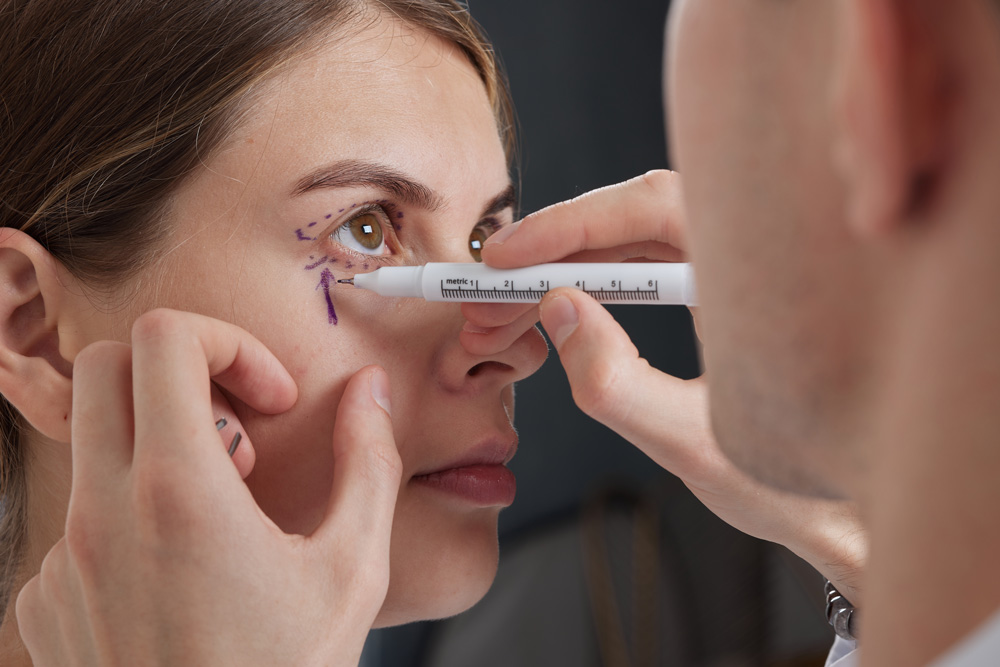
Results from tear trough filler are visible immediately after treatment. The under-eye hollow appears smoother and less shadowed. Dark circles caused by the hollow reduce significantly. The eyes appear more refreshed and less tired. Mild swelling may temporarily affect the initial appearance during the first few days. Results refine over one to two weeks as any swelling resolves. The full effect of the procedure is typically apparent within two weeks. Results last six to twelve months for most patients. Some patients find results last longer because the under-eye area has less movement than other facial zones. Maintenance treatments sustain the improvement. Most patients describe the treatment as one of the most impactful subtle enhancements available.
Benefits of Professional Tear Trough Filler Treatment
Tear trough filler delivers effective under-eye rejuvenation when performed by an experienced practitioner. The delicate under-eye area requires precise technique and detailed anatomical understanding. Modern hyaluronic acid fillers are specifically designed for soft, natural-looking correction in this region. Most patients experience only mild temporary swelling or bruising that settles quickly within a few days. Careful product selection and conservative placement support smooth, refreshed results without heaviness or puffiness. Experienced injectors focus on maintaining natural facial expression and balanced proportions. Choosing a qualified practitioner with expertise in this procedure significantly improves both comfort and aesthetic outcome. Professional assessment and personalised treatment planning help patients achieve brighter, more rested under-eye appearance with minimal downtime.
Tear Trough Filler vs Blepharoplasty
Patients often compare tear trough filler with surgical blepharoplasty. Both address under-eye concerns but through different approaches. The procedure suits volume loss and hollowing without excess skin. The treatment is non-surgical with no downtime. Results are temporary lasting six to twelve months. Blepharoplasty surgically removes excess skin and repositions or removes protruding fat pads. The procedure suits patients with bags, excess skin and more advanced under-eye ageing. Results from blepharoplasty are permanent. Recovery takes one to two weeks. The procedure offers a non-surgical entry point for patients not ready for surgery. Some patients use tear trough filler to preview the potential improvement before considering surgical options.
Choosing a Practitioner for Tear Trough Filler
Choosing the right practitioner is particularly important for tear trough filler. The under-eye area requires advanced injection skill and detailed anatomical knowledge. Medical professionals with specific training in periorbital injection should be chosen. Doctors, nurse prescribers or clinical practitioners with dedicated aesthetic training and experience produce the safest results. Before and after photographs demonstrate the practitioner’s skill specifically with tear trough filler. Patient reviews provide honest insight. The consultation should include honest assessment of whether tear trough filler is the appropriate treatment for the individual’s concerns. Some patients may be better suited to alternative treatments or surgery. A practitioner who advises against treatment when it is not appropriate demonstrates integrity.
Aftercare Following Tear Trough Filler
Aftercare supports the best results from tear trough filler. Avoiding touching or pressing the treated area for twenty-four hours allows the filler to settle. Sleeping with the head slightly elevated reduces swelling during the first night. Avoiding intense exercise, hot environments and alcohol for twenty-four hours reduces bruising risk. Makeup can typically be applied after twenty-four hours. Gentle handling of the eye area supports healing. Cold compresses can reduce any swelling. Most patients find recovery completely straightforward with minimal disruption to daily activities. Any concerns about the appearance of the treated area should be raised with the practitioner. Hyaluronic acid fillers can be dissolved with hyaluronidase if needed, providing important reversibility.
Maintaining Results
Maintaining results requires periodic treatment. Most patients schedule maintenance sessions every six to twelve months. Some patients find the product lasts longer in the under-eye area due to reduced movement. Over time, some patients require slightly less product at each session as the filler provides ongoing structural support. Good skincare including eye cream and sun protection supports the treated area between sessions. Adequate hydration and sleep benefit overall under-eye appearance. Tear trough filler maintenance is straightforward and quick. Most patients develop a regular treatment schedule that keeps their under-eye area looking refreshed consistently. The ongoing investment produces lasting improvement in facial freshness and confidence.
Conclusion
Tear trough filler offers an effective non-surgical solution for under-eye hollows and tired-looking eyes. The treatment uses hyaluronic acid to restore volume and reduce shadowing in the tear trough area. Results are immediate and typically last six to twelve months. The treatment suits patients with volume loss rather than excess skin or protruding fat pads. Choosing an experienced practitioner with specific periorbital injection expertise is essential for safe and natural-looking results. The treatment is one of the most impactful subtle enhancements available in modern aesthetic medicine. Professional consultation ensures tear trough filler is the appropriate treatment for each individual’s under-eye concerns and aesthetic goals.
For more information on tear trough filler visit the ACIBADEM Beauty Center Aesthetics page.
Frequently Asked Questions
Injectable hyaluronic acid treatment that restores volume beneath the eyes.
Typically six to twelve months.
Topical anaesthetic ensures the treatment is comfortable.
Yes, hyaluronic acid fillers can be dissolved with hyaluronidase.
Yes, when performed by experienced practitioners with periorbital injection expertise.