Ataşehir Mah. Feza Sk. No:3 İstanbul / Türkiye
 French
  English
  German
  Spanish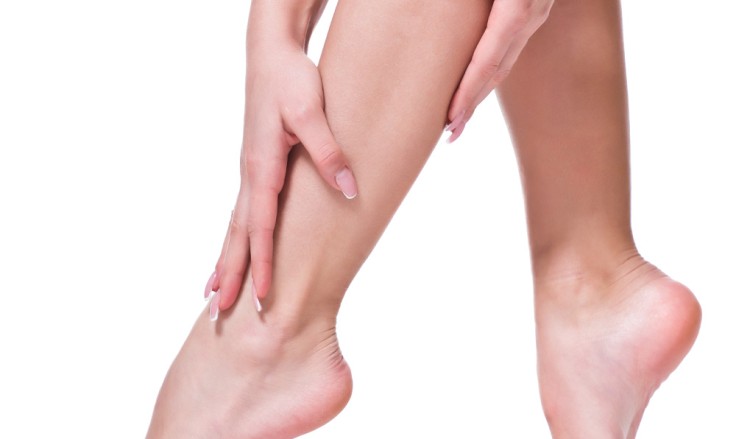
Introduction
The procedure is one of the most commonly requested aesthetic treatments for the legs. These small red, blue or purple veins sit close to the skin surface and form web-like patterns that many patients find cosmetically bothersome. Two primary treatment approaches dominate the vein removal. Laser treatment targets veins with focused light energy from outside the skin. Sclerotherapy injection introduces a solution directly into the vein causing it to collapse. Understanding how each method works helps patients choose the most effective spider vein removal approach for their specific situation. This article compares both treatments across effectiveness, comfort, recovery and results.
What Are Spider Veins?
Spider veins are small damaged veins that appear on the surface of the legs or face. They get their name from the web-like pattern they create. Spider veins are typically one millimetre or less in diameter. They appear red, blue or purple depending on their depth and the type of blood they carry. Unlike varicose veins, spider veins do not bulge above the skin surface. They are usually painless though some patients report mild itching or burning. Genetics, hormonal changes, sun exposure, prolonged standing and ageing all contribute to their development. Spider veins are primarily a cosmetic concern rather than a medical condition. Spider vein removal addresses the appearance of these vessels for patients who find them bothersome.
How Laser Spider Vein Removal Works
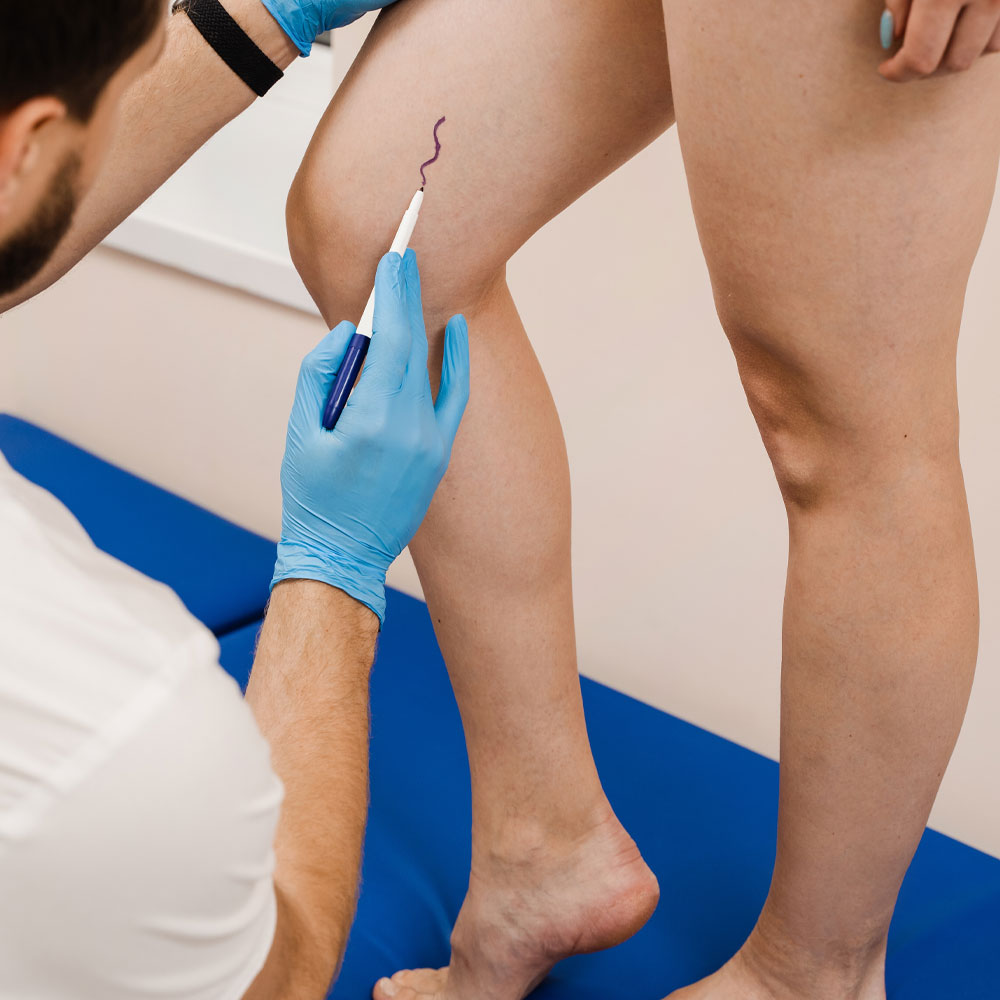
Laser spider vein removal uses focused light energy to target and close visible veins from outside the skin. The laser delivers a specific wavelength absorbed by the haemoglobin in the blood within the vein. Absorbed energy heats the vessel wall, causing it to collapse and seal. The body then gradually absorbs the closed vein over the following weeks. Nd:YAG lasers are the most commonly used devices for the procedure on the legs. The treatment is non-invasive with no needles or incisions. Each pulse targets a section of the vein. The practitioner traces along the visible vessels systematically. Laser vein removal is particularly effective for very fine veins that are too small for needle injection. The treatment also works well for spider veins on the face.
How Sclerotherapy Spider Vein Removal Works
Sclerotherapy is the most established method of spider vein removal. The practitioner injects a sclerosing solution directly into the target vein using a very fine needle. The solution irritates the vein lining, causing it to swell, stick together and close. Blood flow redirects through healthier vessels. The closed vein is gradually absorbed by the body. Several veins can be treated in a single session. Sclerotherapy spider vein removal is highly effective for veins large enough to accommodate the injection needle. The treatment has been performed for decades with well-established outcomes. Both liquid and foam formulations are available. Foam sclerotherapy provides better contact with the vein wall and is preferred for slightly larger spider veins.
Spider Vein Removal: Laser vs Injection Effectiveness
Both methods are effective for the procedure but each excels in different situations. Sclerotherapy injection is generally considered more effective for larger spider veins and reticular feeder veins on the legs. The direct delivery of the sclerosing agent into the vein provides reliable closure. Success rates of eighty to ninety percent per treated vein are typical. Laser treatment excels for very fine spider veins that are too small for needle access. Facial spider veins respond well to laser removal. For typical leg spider veins of moderate size, both approaches produce good results. Some practitioners combine both methods, using sclerotherapy for larger veins and laser for the finest vessels. This combined approach often produces the most comprehensive clearance.
Spider Vein Removal: Treatment Experience Compared
The treatment experience differs between the two spider vein removal methods. Laser treatment involves no needles. Each pulse feels like a brief hot snap against the skin. A cooling device is typically used to improve comfort. No anaesthesia is needed. Treatment takes fifteen to thirty minutes. Sclerotherapy involves multiple fine needle injections. Most patients describe a mild burning sensation during injection that lasts seconds per vein. No anaesthesia is typically required. Treatment takes twenty to forty minutes. Both methods are well tolerated by most patients. Those with needle anxiety may prefer the laser approach. The choice between methods often comes down to practitioner recommendation based on the specific vein characteristics. Most clinics provide personalised treatment plans to maximise comfort and improve overall patient satisfaction throughout the process.
Spider Vein Removal: Recovery Compared
Recovery differs slightly between the laser and injection approaches. After laser treatment, mild redness and slight swelling at the treatment site are common for one to three days. No compression stockings are typically needed. Normal activities resume immediately. After sclerotherapy, compression stockings are worn for one to three weeks. Walking is encouraged. Mild bruising at injection sites resolves within one to two weeks. Some patients experience temporary skin darkening along the treated vein. Both vein removal methods allow patients to return to work the same day. Strenuous exercise should be avoided briefly after either approach. The recovery from both spider vein removal methods is minimal and does not significantly disrupt daily routines. Following aftercare instructions carefully supports faster healing and optimal cosmetic improvement after treatment.
Spider Vein Removal: Number of Sessions
Multiple sessions are typically needed for optimal vein removal results regardless of the method chosen. Laser treatment usually requires two to four sessions spaced four to six weeks apart. Sclerotherapy typically requires two to four sessions at similar intervals. Each session treats a portion of the visible veins. Some veins may need repeat treatment if they do not respond fully to the first session. The total number of spider vein removal sessions depends on the extent and distribution of visible veins. Patients with extensive spider vein networks need more sessions than those with localised clusters. The practitioner assesses progress between sessions and adjusts the treatment plan accordingly. Gradual improvement across sessions helps create smoother and more even-looking skin over time.
Spider Vein Removal: Cost Comparison
Cost is comparable between the two vein removal methods. Laser treatment typically costs two hundred to five hundred pounds per session in the UK. Sclerotherapy costs one hundred fifty to four hundred pounds per session. Turkish pricing for both spider vein removal methods is significantly lower. Laser sessions in Turkey cost one hundred to three hundred pounds. Sclerotherapy ranges from one hundred to two hundred fifty pounds per session. Most patients need multiple sessions regardless of method. The total investment depends on the extent of spider veins and the number of sessions required. Turkey offers significant savings on spider vein removal for patients willing to combine treatment with travel. Many clinics also include consultation and follow-up care within package pricing for added value.
Choosing Between Laser and Injection
Choosing the right spider vein removal method depends on the specific veins being treated. Very fine veins under one millimetre suit laser treatment. Larger spider veins and reticular feeder veins suit sclerotherapy. Facial spider veins are best treated with laser. Mixed presentations benefit from a combined approach. Patient preference regarding needles influences the decision. The practitioner evaluates the vein pattern during consultation and recommends the most appropriate spider vein removal method. Some practitioners specialise in one method while others offer both. Choosing a provider who offers both options ensures the most appropriate technique is used for each patient’s specific vein pattern. A personalised assessment supports the most effective and natural-looking treatment outcome for every patient.
Conclusion
Spider vein removal through laser or sclerotherapy injection both produce effective results for visible leg and facial veins. Each method excels for different vein sizes and locations. Sclerotherapy is generally preferred for larger spider veins. Laser suits the finest vessels and facial veins. Combining both methods provides the most comprehensive spider vein removal. Recovery is minimal with both approaches. Multiple sessions are typically needed. Turkey offers competitive pricing for both methods. Professional consultation determines which spider vein removal approach or combination best suits each patient’s specific vein pattern and treatment goals. Modern treatment techniques continue to improve comfort, precision and patient satisfaction with visible vein reduction.
To find out more about vein removal methods, the laser vs injection comparison, and to book a consultation visit the ACIBADEM Beauty Center Aesthetics page.
Frequently Asked Questions
Each suits different vein sizes; sclerotherapy for larger veins, laser for fine veins.
Two to four sessions for most patients.
Both methods cause mild brief discomfort that is well tolerated.
Treated veins do not return but new ones can develop over time.
£100-£500 per session depending on method and country.