Ataşehir Mah. Feza Sk. No:3 İstanbul / Türkiye
 French
  English
  German
  Spanish
Introduction
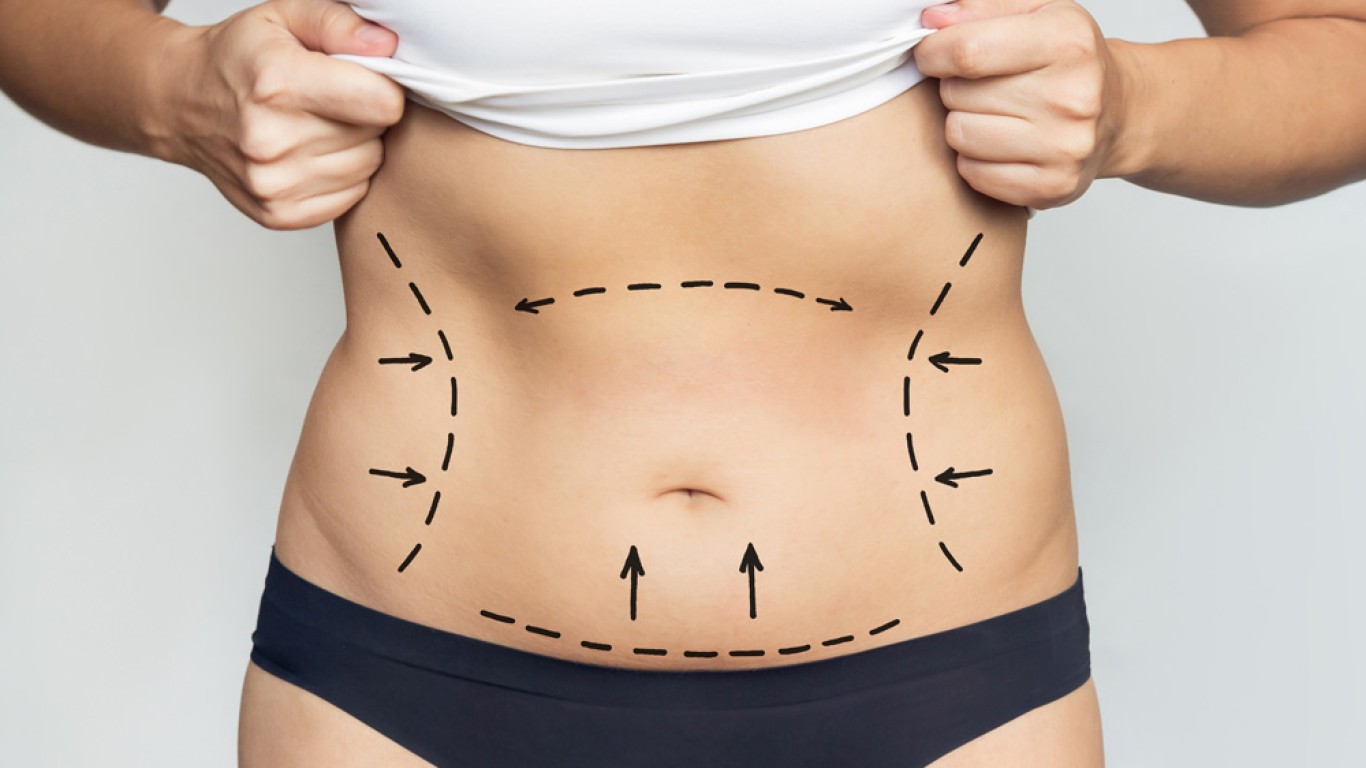
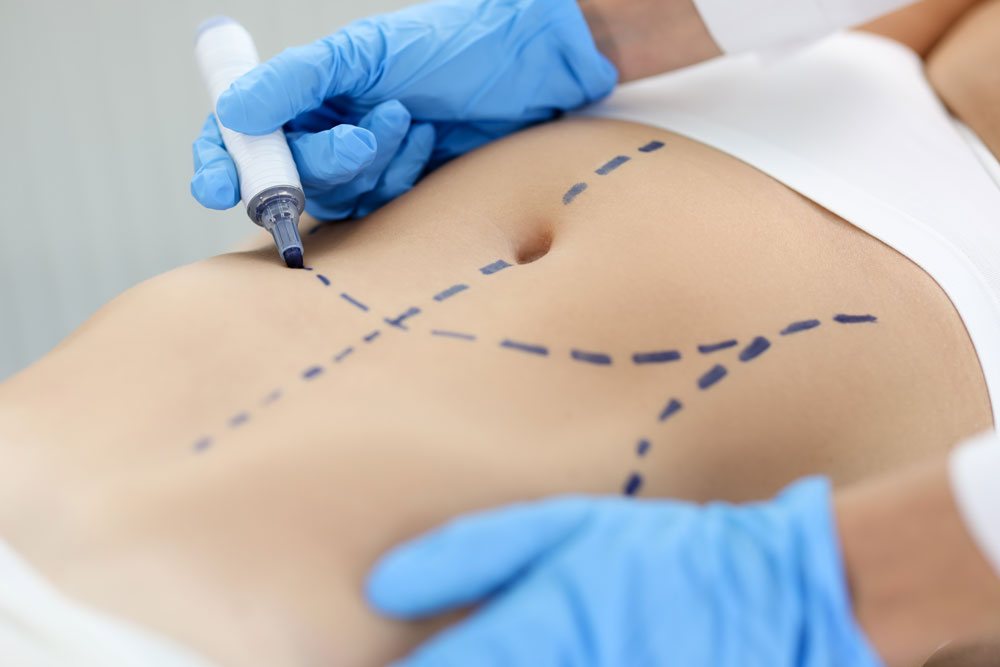
Stretch mark removal treatments have evolved considerably in recent years. Modern options offer more effective approaches than were available even a decade ago. Many patients seek removal for stretch marks that developed during pregnancy, weight changes or growth. The options now include various laser technologies, microneedling, topical treatments and injectable therapies. Understanding which removal approach works best for different situations helps patients make informed choices. This article compares the most effective treatments available in 2026. The information supports realistic decision-making about how to address stretch marks through professional treatment tailored to individual needs and preferences.
Understanding Stretch Marks
Stretch marks are a form of scarring that occurs when skin stretches rapidly. The middle layer of skin called the dermis tears during rapid expansion. The tears create visible lines on the skin surface. New stretch marks appear red, purple or dark. This is as blood vessels remain visible through the thinned skin. These fresh marks are called striae rubra. Over time the marks fade to a silvery white colour called striae alba. Both types can be treated but respond differently. Younger red marks typically respond better to stretch mark removal treatments. Understanding the stage of stretch marks helps guide appropriate treatment selection for each patient.
Laser Stretch Mark Removal
Laser treatments remain among the most effective stretch mark removal options. Fractional lasers create controlled micro-injuries that stimulate new collagen formation. Pulsed dye lasers target the red and purple colour of fresh marks. CO2 lasers provide intensive resurfacing for significant texture concerns. Each laser type suits different stretch mark characteristics. Multiple sessions are typically needed. Results develop over several months as new collagen forms. Laser removal for stretch marks can produce significant improvement in both colour and texture. The best choice of laser depends on individual stretch mark type, skin tone and goals. Consultation with an experienced practitioner identifies the most appropriate approach.
Microneedling for Stretch Mark Removal
Microneedling offers another effective option for stretch mark removal. The treatment uses fine needles to create controlled micro-injuries in the affected skin. The body responds by producing new collagen and elastin. These new fibres gradually fill in the thinned areas of the stretch marks. Texture improves as the skin becomes thicker and more uniform. Some colour improvement also occurs. Microneedling works well on various skin tones. The treatment carries less risk of pigmentation changes than some laser options. Multiple sessions are typically needed. The combination of microneedling with platelet-rich plasma enhances results further. The treatment has become increasingly popular as a removal solution.
Radiofrequency Stretch Mark Removal
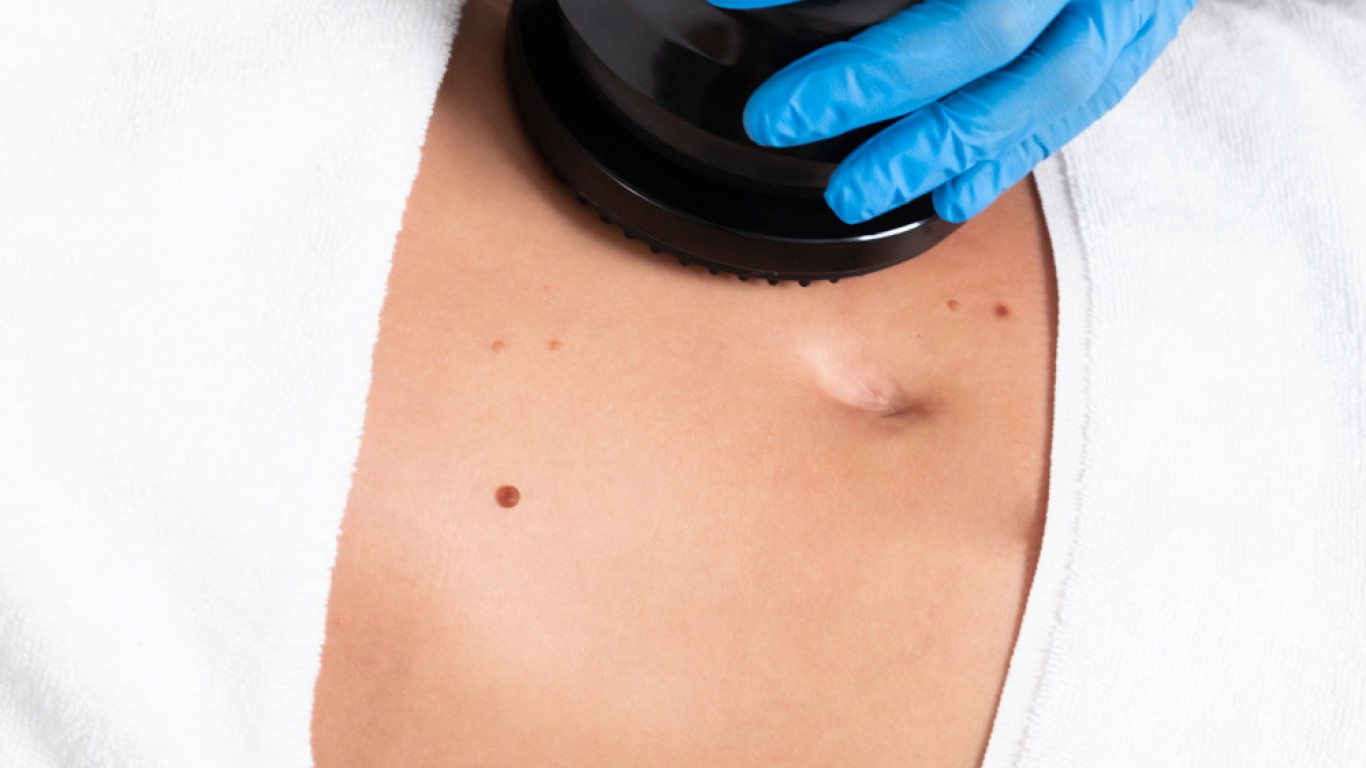
Radiofrequency technologies offer another effective stretch mark removal approach. The treatment delivers controlled heat into the skin. This stimulates significant collagen production over the following months. Radiofrequency devices can be combined with microneedling for enhanced effects. The combined approach delivers energy deeper into the skin tissue. The collagen remodelling improves both the texture and tone of stretch marks. Multiple sessions produce progressive improvement. Recovery is typically minimal. Radiofrequency removal for stretch marks suits most skin types safely. The treatment represents a valuable option for patients who may not be suitable for certain laser approaches. Results develop gradually over several months following treatment.
Topical Stretch Mark Removal Options
Topical products offer another approach to mark removal though results are typically modest. Prescription retinoids can help improve the appearance of fresh stretch marks. These products increase cell turnover and collagen production. Over-the-counter creams containing various ingredients have less evidence for effectiveness. Centella asiatica and hyaluronic acid formulations show some benefit. Topical options work best for newer stretch marks. Older marks respond poorly to topical treatments alone. Consistent daily use over several months is required. Topical products complement rather than replace in-clinic treatments. Many practitioners recommend combining topical products with professional removal procedures for better overall results.
Chemical Peels for Stretch Marks
Chemical peels offer another option within stretch mark removal treatments. Medium depth peels using trichloroacetic acid can improve stretch mark appearance. The peels remove damaged outer skin layers and stimulate new tissue formation. The approach works best on the abdomen and other body areas where peels can be safely performed. Multiple sessions achieve progressive improvement. The treatment has longer recovery than some other options. Peeling and redness continue for one to two weeks. Chemical peels can be combined with other treatments for enhanced results. The approach suits patients comfortable with moderate recovery time. Professional administration by qualified practitioners is essential for safe and effective treatment.
Combined Approaches for Stretch Mark Removal
Combined approaches often produce the best results for removal of stretch marks. Microneedling paired with radiofrequency energy addresses multiple aspects of the concerns. Laser treatments may be combined with microneedling in separate sessions. Topical retinoids support the improvements between in-clinic treatments. Platelet-rich plasma can enhance the effects of microneedling. Chemical peels may complement laser approaches for comprehensive improvement. The specific combination depends on individual stretch mark characteristics and skin type. Practitioners develop personalised treatment plans that sequence various approaches appropriately. This comprehensive strategy typically produces better outcomes than any single treatment alone. Combined removal protocols for stretch marks represent the current standard of care for significant concerns.
Realistic Expectations for Stretch Mark Removal
Realistic expectations support satisfaction with stretch mark removal outcomes. No current treatment eliminates stretch marks completely. Significant improvement in appearance is the realistic goal. Newer red or purple marks typically respond better than older white ones. Fresh marks may fade by fifty to seventy percent with appropriate treatment. Older silvery marks typically show twenty to forty percent improvement. Texture smoothness improves alongside colour changes. The treated areas look considerably better but the marks usually remain visible on close inspection. Multiple sessions over several months are required for optimal results. Commitment to the full treatment course protects the investment and supports the best possible final outcome from treatment.
How to Choose the Right Stretch Mark Removal Treatment
Choosing the right stretch mark treatment involves several considerations. Stretch mark age matters significantly. Fresh red marks respond to different treatments than old white ones. Skin tone affects laser safety and suitability. Treatment area influences the appropriate approach. Budget considerations play a role as some treatments cost more. Recovery tolerance matters for busy patients. Long-term commitment to multiple sessions is essential. Consultation with an experienced practitioner provides personalised guidance. The specialist evaluates the stretch marks, skin type and overall goals. They recommend the most appropriate single treatment or combined approach. Good selection at the start produces better outcomes than trying ineffective options first.
Preventing Stretch Marks
Prevention is more effective than stretch mark removal in most cases. Maintaining a stable body weight reduces the likelihood of developing stretch marks. Gradual weight changes allow the skin to adapt rather than stretching beyond its capacity. Good hydration supports skin elasticity. A diet rich in vitamins and minerals provides nutrients for healthy skin. During pregnancy, moisturising the skin with creams containing vitamin E may help. Exercise that builds muscle gradually allows skin to adjust. While prevention cannot guarantee avoidance of stretch marks, these habits reduce the risk significantly. Genetic factors also influence susceptibility. Those with family members who have stretch marks may be more prone regardless of preventive measures.
Conclusion
Stretch mark removal treatments in 2026 offer more effective options than ever before. Laser technologies, microneedling, radiofrequency, chemical peels and topical products all play valid roles. The most effective approach often combines multiple treatments for comprehensive improvement. Realistic expectations support satisfaction because no treatment eliminates stretch marks completely. Newer marks typically respond better than older ones. The right combination of treatments produces significant improvement in both appearance and texture. Professional consultation ensures the most appropriate removal approach is selected for each individual. Commitment to the full treatment course and aftercare protects the investment and supports lasting improvement.
For more information and to book a consultation visit the ACIBADEM Beauty Center Skin Treatments page.
Frequently Asked Questions
No current treatment eliminates them completely; significant improvement is realistic.
Combined approaches typically produce the best results for significant concerns.
Prescription retinoids help fresh marks; over-the-counter creams produce modest results.
Most patients see visible improvement within three to six months of starting treatment.
Gradual weight changes, hydration and good skincare reduce but do not eliminate risk.