Ataşehir Mah. Feza Sk. No:3 İstanbul / Türkiye
 French
  English
  German
  Spanish
Introduction
These are among the most common benign skin lumps encountered in clinical practice. They are frequently referred to as sebaceous cysts, though this is technically inaccurate. Epidermoid cysts arise from the epidermis rather than from sebaceous glands. Understanding the distinction matters because it affects how the condition is understood and discussed. This article explains what epidermoid cysts are and how they form. It covers diagnosis, treatment options and what to expect during recovery. Whether you have noticed a lump or been referred for removal, this guide is useful. Understanding the condition often reduces anxiety and supports informed treatment decisions. Many patients are reassured to learn that these cysts are benign.
What Are Epidermoid Cysts?
Epidermoid cysts are benign cysts that develop from epidermal cells. The epidermis is the outermost layer of skin. When epidermal cells become trapped beneath the skin surface, they continue to produce keratin. Keratin is the protein that forms skin, hair and nails. This keratin accumulates within the cyst, producing a thick, white or yellowish, cheesy material. The cyst is enclosed within a sac made of epidermoid cells. Epidermoid cysts feel smooth, round and firm beneath the skin. They move freely when pressed. They may have a central punctum. This small dark opening represents the blocked pore from which the cyst developed. They are most common on the face, neck, chest, back and scalp. Their size varies considerably between patients. Some remain small for years without noticeable change.
What Causes Epidermoid Cysts?
The cysts form when epidermal cells are displaced into the dermis. This can happen from minor skin trauma such as a scratch or surgical wound. It also occurs when a blocked hair follicle wall ruptures or invaginates into the dermis. Acne-prone skin is particularly susceptible. Repeated follicle blockage creates conditions for cyst formation. Some people develop multiple epidermoid cysts as part of certain genetic conditions. Gardner syndrome, for example, is associated with multiple cysts alongside other features. Most epidermoid cysts, however, occur in isolation without any underlying systemic cause. They are not contagious and not caused by poor hygiene. Hormonal influences may also contribute to follicular blockage in susceptible individuals.
How Are Epidermoid Cysts Diagnosed?
Epidermoid cysts are typically diagnosed by clinical examination. A doctor or dermatologist assesses the size, location, consistency and mobility of the lump. A central punctum and cheesy contents if the cyst has discharged both support the diagnosis. Imaging is not usually required for straightforward cases. An ultrasound can confirm the cystic nature of the lump if the diagnosis is uncertain. It is particularly useful for deeper cysts or those where other structures could be affected. Biopsy is rarely needed but may be performed if unusual features raise diagnostic uncertainty. Most epidermoid cysts are diagnosed confidently on clinical grounds alone. Accurate diagnosis helps ensure the most appropriate treatment approach is selected.
Epidermoid Cysts Treatment Options
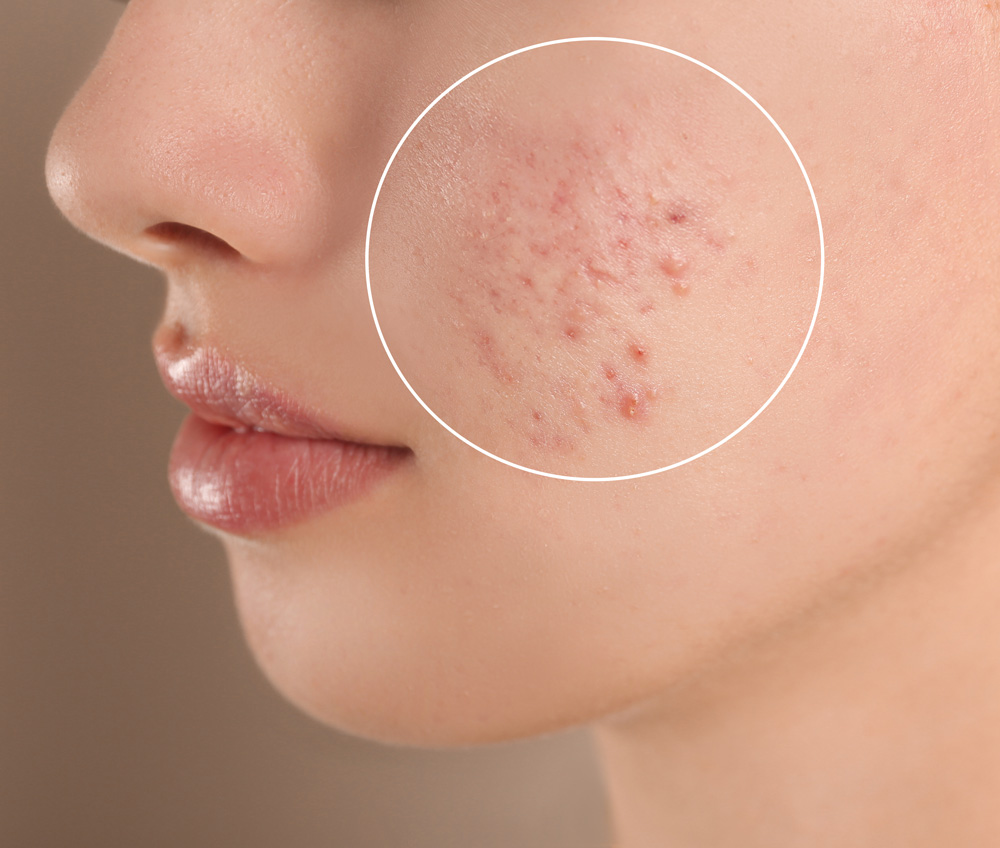
Treatment for these cysts depends on whether they are causing symptoms. Small asymptomatic cysts may simply be monitored over time. Treatment becomes necessary when the cyst becomes inflamed, infected, uncomfortable or aesthetically concerning. Infected or inflamed epidermoid cysts are treated initially with antibiotics and sometimes drainage. Drainage alone relieves pressure but does not prevent recurrence because the sac remains. Definitive treatment is surgical excision under local anaesthesia. The complete cyst sac must be removed to prevent regrowth. Minimal excision technique uses a small incision to express the contents. The sac is then removed through a smaller opening than traditional excision. This leaves a smaller scar and is suitable for uncomplicated cysts. Treatment selection depends on cyst size, location and the patient's preferences.
What Happens During Epidermoid Cyst Removal?
Epidermoid cyst removal is a minor procedure performed under local anaesthesia. The skin is cleaned and the anaesthetic is injected around the cyst. Once numb, the surgeon makes a precise incision over or around the cyst. The cyst and its intact sac are carefully dissected from surrounding tissue. Keeping the sac intact during dissection reduces the risk of contents spilling into the wound. The wound is then closed with sutures. The procedure typically takes fifteen to thirty minutes. Most patients experience only pressure during the procedure. Discomfort is well controlled with local anaesthesia. Patients can return home immediately. Most resume normal activities the same or following day. Written aftercare instructions are usually provided before discharge from the clinic. Follow-up appointments may be arranged to assess healing and wound appearance.
Epidermoid Cysts Recovery
Recovery from epidermoid cyst removal is generally uncomplicated. The wound is covered with a small dressing for the first few days. Stitches are removed after seven to ten days depending on location and closure technique. The area may feel tender and slightly swollen for a few days. This is normal and settles quickly. The wound should be kept clean and dry during early healing. Swimming and submerging the wound should be avoided until it is fully healed. A scar remains at the incision site. This fades progressively over several months. Scars from small cyst removals are typically minimal. Applying silicone gel once the wound is closed supports scar maturation. Most patients are pleased with the appearance of the healed treatment area.
Can Epidermoid Cysts Be Prevented?
This type of cyst cannot always be prevented. However, certain habits reduce the likelihood of formation. Managing acne effectively reduces repeated follicle blockage and the inflammation that contributes to cyst development. Avoiding picking or squeezing spots reduces trauma to the skin and hair follicles. Protecting skin from repeated minor injury reduces the chance of epidermal cell displacement. Prompt attention to new lumps allows early management before complications develop. Patients with a history of multiple epidermoid cysts benefit from regular dermatological review. This allows new cysts to be identified and managed early. Treatment is simpler before they become inflamed or very large. Early assessment also helps exclude other causes of skin lumps.
Managing Multiple Epidermoid Cysts
Some patients develop multiple cysts rather than a single isolated lesion. This pattern occurs in association with acne. Nodulocystic acne creates conditions for multiple cysts through repeated follicle blockage. It can also occur as part of genetic conditions including Gardner syndrome and Gorlin syndrome. Patients with multiple cysts benefit from a dermatological assessment. This rules out any underlying systemic association. Managing acne effectively reduces the risk of new cysts forming. For patients with numerous cysts in one area, combined removal sessions address multiple lesions efficiently. Prioritising the removal of the most symptomatic or prominent cysts makes practical sense. A staged approach over time manages multiple epidermoid cysts systematically and efficiently. Regular monitoring helps identify changes before symptoms become more troublesome.
Conclusion
These cysts are benign, keratin-filled cysts arising from the epidermis. They are often confused with sebaceous cysts but are clinically distinct. Diagnosis is typically made by clinical examination. Small, asymptomatic epidermoid cysts may be monitored without treatment. Inflamed or infected cysts require initial medical management before surgical removal. Definitive treatment is complete surgical excision of the cyst and its sac. This prevents recurrence. Recovery is generally straightforward with most patients returning to normal activities within one to two days. Scars are typically small and fade well over time. Patients with new or changing lumps should seek professional assessment promptly. Early diagnosis allows simpler treatment and faster recovery. A dermatologist or surgeon confirms the diagnosis. They advise on the most appropriate management plan for each individual patient. Regular skin checks benefit patients with a history of multiple cysts. This allows new lesions to be identified and managed before complications arise. Early intervention often reduces the likelihood of inflammation and future discomfort. Professional advice provides reassurance and supports effective long-term skin health management.
To find out more information about cysts. Or, to book a consultation visit the ACIBADEM Beauty Center Skin Treatments page.
Frequently Asked Questions
They are benign cysts formed from epidermal cells trapped beneath the skin. They contain a thick, cheesy keratin material and are enclosed within a sac.
No. Epidermoid cysts arise from the epidermis while true sebaceous cysts arise from sebaceous glands. The terms are often used interchangeably but they are clinically distinct.
Not always. Asymptomatic cysts can be monitored. Removal is recommended if the cyst is inflamed, infected, growing or causing discomfort.
It can if the sac is not completely removed. Complete excision of the entire sac is the most reliable way to prevent recurrence.
Most patients return to normal activities the same or following day. Stitches are removed after seven to ten days. Full healing takes four to six weeks.