Ataşehir Mah. Feza Sk. No:3 İstanbul / Türkiye
 English
Introduction
Melasma is one of the most challenging pigmentation conditions to treat. It responds to therapy but recurs readily. The search for the best treatment reflects this frustration. Patients want improvement that lasts. Understanding which treatments produce the most reliable results and how to maintain them helps patients manage this chronic condition effectively. This article evaluates every evidence-based melasma treatment available in 2026.
Understanding Melasma Before Treating It
Melasma treatment must be informed by the condition's nature. Melasma is driven by hormonal factors, UV exposure and possibly heat and visible light. The melanocytes are chronically overactive. They produce excess melanin in response to triggers that other skin would handle normally. Treatment must address the existing pigment while managing the ongoing trigger. Clearing the pigment alone is insufficient. Without trigger management, the pigment returns. Treatment success is measured differently from other pigmentation treatments. The goal is sustained improvement rather than permanent resolution. Patients who understand this framework achieve higher satisfaction because their expectations match the achievable outcome.
Best Melasma Treatment Options
| Treatment | How It Works | Evidence Level |
|---|---|---|
| Hydroquinone (topical) | Inhibits melanin production | Strong; gold standard topical |
| Triple combination cream | Hydroquinone + tretinoin + steroid | Strong; most effective topical |
| Tranexamic acid (oral) | Reduces melanin transfer and vascularity | Growing; significant recent evidence |
| Azelaic acid (topical) | Inhibits abnormal melanocytes | Moderate; safe for long-term use |
| Chemical peel (gentle) | Resurfaces pigmented outer layers | Moderate; adjunct to topical |
| Low-fluence Nd:YAG laser | Fragments melanin at low energy | Moderate; experienced practitioners only |
Melasma treatment in 2026 combines topical agents, oral medication and carefully selected professional procedures. No single treatment resolves melasma completely. The most effective approach layers multiple treatments alongside rigorous sun protection.
Melasma Treatment: Topical Agents
Topical treatment is the foundation. Treatment begins with prescription-strength topical agents. Hydroquinone at two to four percent concentration remains the most effective single topical depigmenting agent. It inhibits tyrosinase, the enzyme that produces melanin. Results develop over four to eight weeks of nightly application. Treatment with triple combination cream produces the strongest topical results. The formulation combines hydroquinone, tretinoin and a low-potency corticosteroid. Each ingredient addresses a different aspect of the pigmentation process. The combination is more effective than any single ingredient.
Melasma treatment with triple cream is typically used for eight to twelve weeks. The steroid component limits long-term use. After the initial clearing phase, patients transition to maintenance with non-steroidal agents. Maintenance options include azelaic acid, tranexamic acid cream, niacinamide, vitamin C and arbutin. These agents maintain the improvement achieved during the intensive phase without the side effects of prolonged hydroquinone or steroid use. Topical consistency determines results. Daily application without skipping produces cumulative improvement. Interrupted use allows the melanocytes to reactivate. The pigment returns within weeks of stopping treatment.

Melasma Treatment: Oral Tranexamic Acid
Oral tranexamic acid has emerged as one of the most significant advances in melasma treatment. The medication reduces melanin production through a different pathway from topical agents. It inhibits plasminogen activation in the skin. This reduces both melanocyte activity and the vascular component that contributes to melasma. Treatment with oral tranexamic acid at a typical dose of two hundred and fifty milligrams twice daily produces significant improvement within two to three months. Studies show results comparable to or exceeding triple combination cream in some patients.
Treatment with tranexamic acid is particularly effective for resistant melasma that has not responded adequately to topical treatment alone. The combination of topical agents with oral tranexamic acid produces the most comprehensive clearing for moderate to severe cases. Melasma treatment with oral tranexamic acid requires medical supervision. The medication affects the blood clotting pathway. Patients with clotting disorders or those taking certain medications may not be suitable candidates. A thorough medical assessment ensures safety.
Melasma Treatment: Chemical Peels
Gentle chemical peels complement topical melasma treatment. Superficial peels using glycolic acid at thirty to fifty percent or lactic acid resurface the pigmented outer layers. New skin regenerates with less melanin. Treatment with peels accelerates the improvement achieved by topicals. Treatment with chemical peels must be conservative. Medium and deep peels carry the risk of post-inflammatory hyperpigmentation that worsens the melasma. The inflammatory response triggers the overactive melanocytes. Superficial peels at appropriate concentrations avoid this risk while providing genuine benefit. Melasma treatment with a series of four to six gentle peels spaced two to four weeks apart produces cumulative improvement. The peels are used alongside topical treatment and sun protection. They are an adjunct rather than a standalone approach.
Melasma Treatment: Laser and Energy-Based Approaches
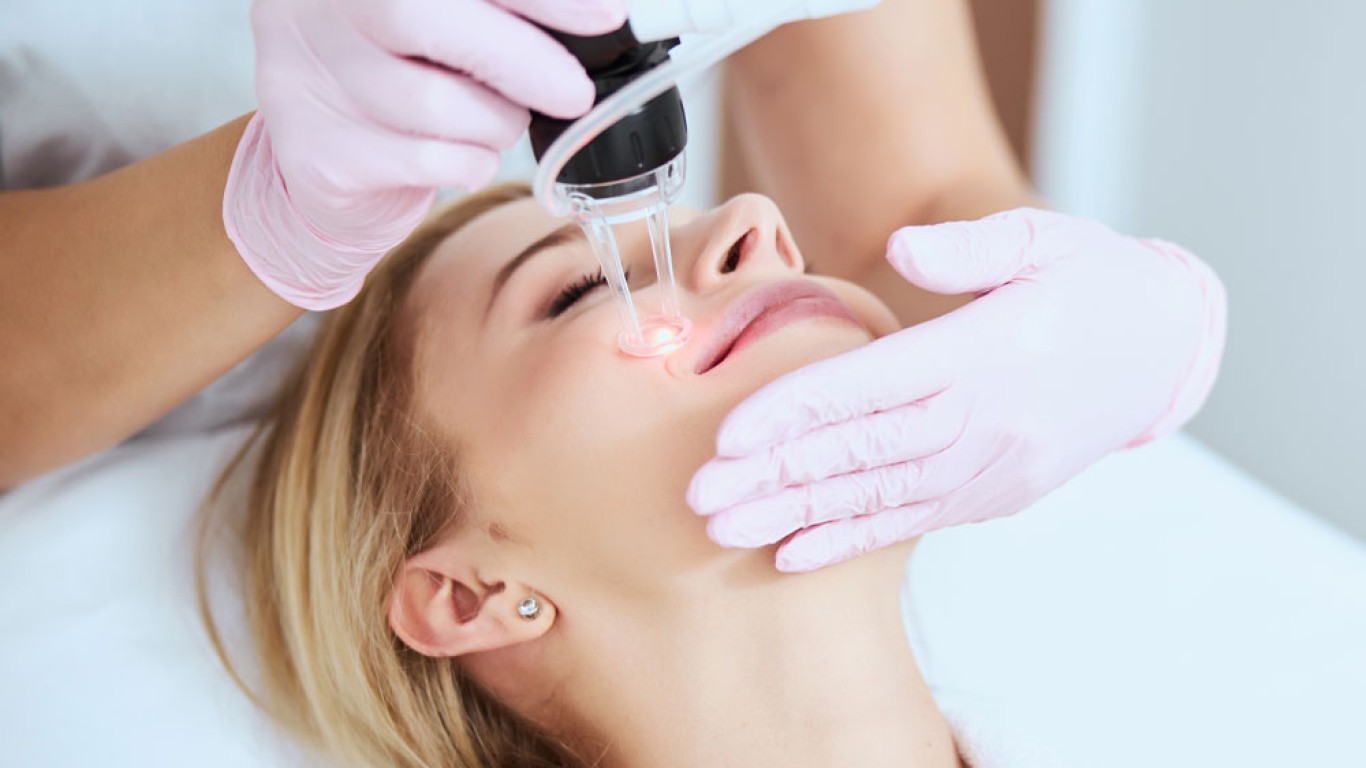
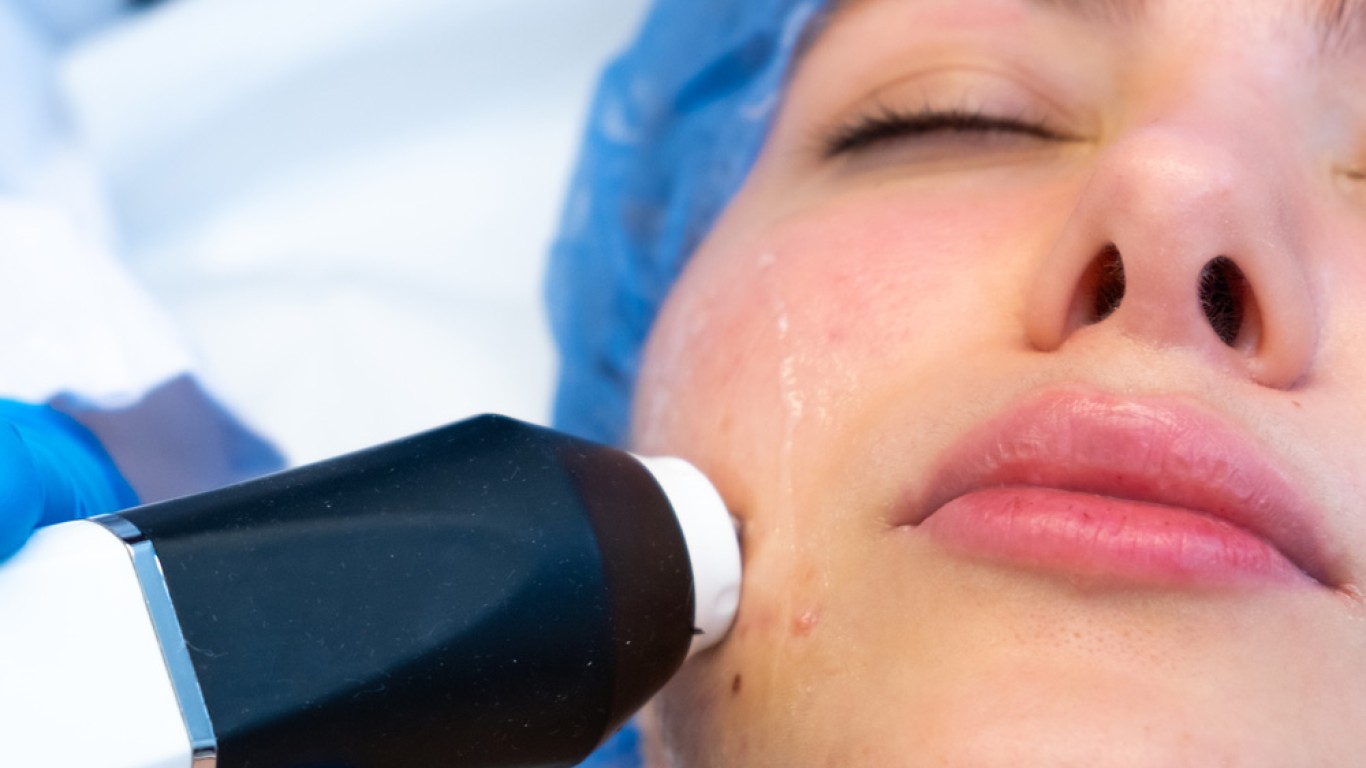
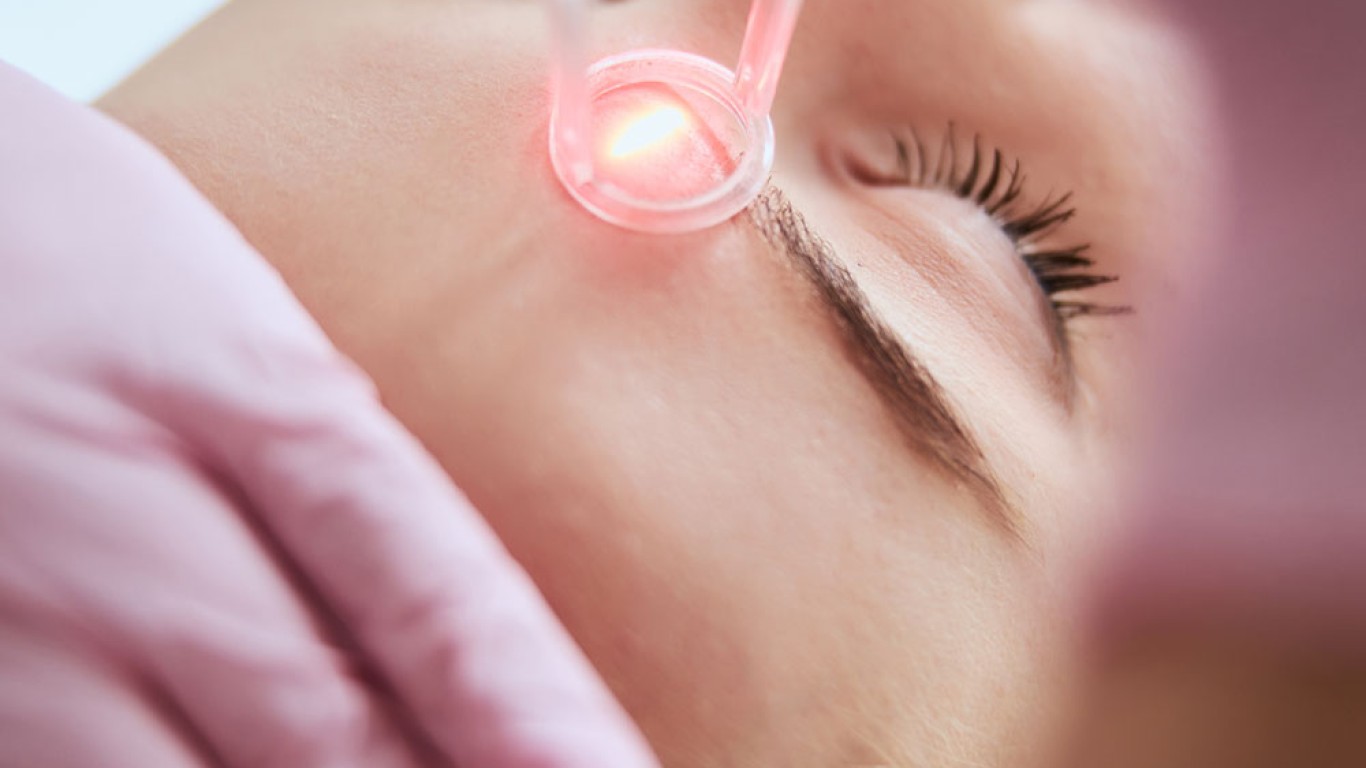
Laser treatment for melasma is controversial. Melasma treatment with standard laser settings often worsens the condition. High-energy treatments trigger inflammatory rebound. The melasma darkens after treatment rather than lightening. This paradoxical response has led many dermatologists to avoid laser for melasma entirely. Treatment with low-fluence Q-switched Nd:YAG laser at 1064nm represents a more nuanced approach. The low energy settings fragment melanin gradually without triggering significant inflammation. Multiple sessions at two to four week intervals produce progressive lightening. Melasma treatment with low-fluence laser requires specific expertise. The settings, session frequency and patient selection all influence whether the outcome is improvement or worsening. Only practitioners with documented melasma-specific laser experience should perform this treatment. Melasma treatment with laser should be considered a second or third-line option. Topical treatment and oral tranexamic acid should be tried first. Laser is reserved for cases that respond inadequately to these safer approaches.
Melasma Treatment: Sun Protection
Sun protection is the single most important element. Treatment without sun protection fails regardless of the products or procedures used. UV activates the melanocytes. Every minute of unprotected sun exposure undermines the treatment. Melasma treatment sun protection requires SPF fifty applied every morning. Reapplication every two hours during sun exposure is essential. Treatment benefits from tinted SPF containing iron oxide. This ingredient blocks visible light in addition to UV. Visible light contributes to melasma activation. Standard SPF does not block visible light. Tinted formulations provide this additional protection. Sun protection extends to heat avoidance where practical. Saunas, steam rooms, hot yoga and prolonged cooking over heat may trigger melasma flares. While complete heat avoidance is impractical, awareness helps patients manage their triggers.
Melasma Treatment: Long-Term Management Strategy
Melasma is a chronic condition requiring ongoing management. Treatment follows a two-phase approach. The clearing phase uses intensive topical treatment, potentially oral tranexamic acid and gentle peels to achieve maximum improvement over eight to sixteen weeks. Melasma treatment maintenance phase follows. Non-steroidal topical agents maintain the improvement. SPF continues daily. Gentle peels may be performed periodically. The goal is sustained control rather than repeated clearing-and-relapse cycles. Patients who commit to the maintenance phase achieve the most consistent, satisfying results. Those who stop treatment after clearing experience predictable relapse. The ongoing commitment is modest. A nightly topical agent and daily SPF require minutes per day. The sustained improvement is significant.
Conclusion
Melasma treatment in 2026 combines topical agents, oral tranexamic acid, gentle chemical peels and carefully selected laser approaches. Topical triple combination cream is the most effective first-line treatment. Oral tranexamic acid provides significant additional benefit for resistant cases. Gentle peels accelerate clearing. Conservative laser is reserved for refractory melasma. Sun protection is essential and non-negotiable. Long-term maintenance prevents relapse. Turkey offers comprehensive treatment at competitive pricing.
For more information about melasma and to book a consultation visit the ACIBADEM Beauty Center Skin Treatments page.
Frequently Asked Questions
Triple combination cream as first line. Oral tranexamic acid for resistant cases. All with rigorous SPF.
Managed rather than cured. Sustained improvement is achievable with ongoing treatment and sun protection.
Only at low-fluence settings by experienced practitioners. Standard laser often worsens melasma.
Essential. Without daily SPF fifty, every other treatment is undermined. Tinted SPF provides additional visible light protection.
Eight to sixteen weeks for initial clearing. Ongoing maintenance prevents relapse.