Ataşehir Mah. Feza Sk. No:3 İstanbul / Türkiye
 English
Introduction
The condition is a common pigmentation condition causing brown or grey-brown patches. These patches most commonly appear across the face. They often affect the cheeks, forehead, upper lip, nose bridge and chin. The condition is considerably more common in women. It also frequently affects olive and darker skin tones. Hormonal changes, sun exposure and genetic predisposition can contribute to melasma. Many people want to know how to get rid of melasma permanently. However, melasma is generally considered a chronic and recurring condition. Treatment can significantly reduce pigmentation and improve its appearance. However, hormonal changes and sun exposure can trigger recurrence. This article explains effective treatments and important long-term management strategies.
What Causes Melasma?
The condition develops when pigment-producing skin cells, called melanocytes, become overactive. Consequently, these cells produce excessive amounts of melanin. This excess pigment can accumulate within different layers of the skin. Three important triggers include hormonal changes, ultraviolet exposure and genetic susceptibility. Hormonal triggers can include pregnancy, contraception and hormone replacement therapy. Pregnancy-associated melasma is sometimes called the mask of pregnancy. UV exposure is another important ongoing trigger. Even limited sunlight can darken existing areas of pigmentation. Additionally, continued exposure can make treatment less effective. Genetics can also influence an individual's susceptibility. People with affected relatives may have an increased likelihood of developing the condition. Therefore, successful management should consider potential triggers alongside treatment.
Sun Protection: The Foundation of Melasma Treatment
Sun protection is essential when treating and managing the condition. It forms the foundation of an effective long-term management programme. UV exposure stimulates melanocytes and can increase pigmentation. Therefore, inconsistent protection can limit the effectiveness of other treatments. Broad-spectrum SPF 50 sunscreen should be applied every morning. Reapplication is important during prolonged outdoor exposure. Hats and protective clothing provide additional protection against sunlight. Tinted sunscreens containing iron oxides may also help protect against visible light. This can be particularly relevant for some people with the condition. Consistent sun protection can support meaningful improvements alongside other treatments. Conversely, continued exposure can contribute to recurring pigmentation. Therefore, sun protection remains important even after visible improvement occurs.
Topical Treatments for Melasma
Topical treatments are commonly used when considering how to get rid of the condition. Hydroquinone is an established topical depigmenting treatment. It inhibits tyrosinase, an enzyme involved in melanin production. Clinical formulations are available in different concentrations. Treatment duration should follow professional medical guidance. Prolonged or inappropriate use can cause unwanted effects in some patients. Tretinoin may be combined with other treatments to support cell turnover. Azelaic acid provides another treatment option for some patients. Tranexamic acid has also been studied for managing the condition. However, oral treatment requires careful medical assessment because of potential risks. Kojic acid and vitamin C derivatives provide additional topical options. Combination formulations may sometimes produce greater improvement than individual ingredients. A dermatologist can recommend suitable products according to skin type and pigmentation depth.
Chemical Peels for Melasma
Chemical peels can improve the condition when selected and performed appropriately. Superficial peels encourage controlled exfoliation and skin renewal. Glycolic acid, lactic acid and mandelic acid are commonly considered options. However, chemical peels carry a risk of post-inflammatory hyperpigmentation. This risk can be greater among people with darker skin tones. Aggressive treatment may worsen pigmentation instead of improving it. Therefore, conservative treatment plans are generally preferred for the condition. Repeated superficial treatments may be considered instead of aggressive deeper peels. Mandelic acid penetrates relatively slowly because of its larger molecular structure. Consequently, practitioners may consider it for selected darker skin types. Professional assessment remains important before any chemical peel programme. Consistent sun protection is also essential before and after treatment.
Laser and Energy-Based Treatments for Melasma
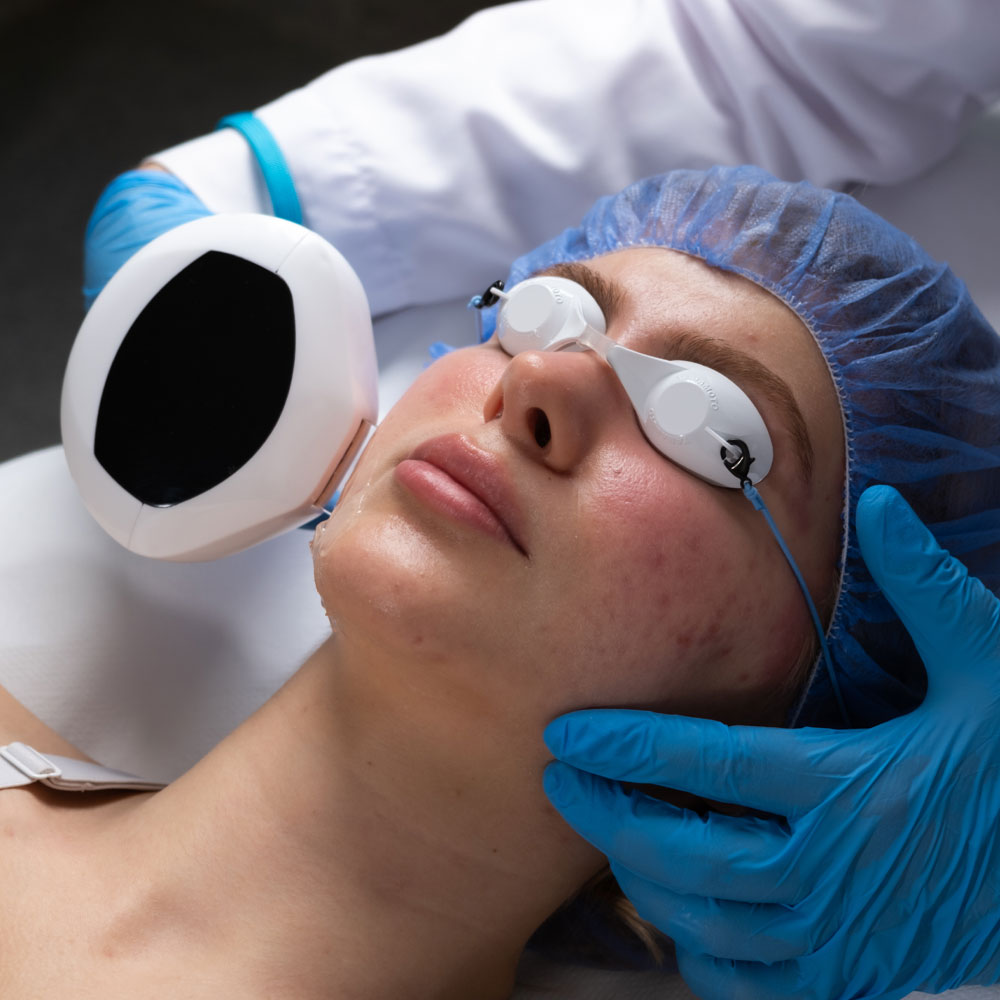
Laser treatment for the condition requires careful patient selection and experienced practitioners. Some energy-based treatments can worsen pigmentation through inflammation or heat. Low-fluence Q-switched Nd treatment is sometimes called laser toning. This technique has been studied as a possible treatment for the condition. However, results vary and recurrence remains possible. Fractional laser resurfacing may also be considered for carefully selected patients. Pico-second laser technology has also been investigated for management. However, no laser treatment guarantees permanent clearance. Treatment should be selected according to skin type and pigmentation characteristics. Conservative settings may help reduce unwanted pigmentation changes. Practitioners may also recommend testing a small area before wider treatment. Strict sun protection remains essential throughout any laser treatment programme.
Hormonal Melasma: Addressing the Trigger
Hormonal changes can trigger or worsen the condition in susceptible individuals. Contraception may contribute to pigmentation changes for some patients. However, patients should not change contraception without appropriate medical advice. A GP can discuss suitable alternatives where hormonal contraception appears relevant. Pregnancy-associated melasma may improve naturally following childbirth. However, pigmentation can persist and may require later treatment. Hormonal changes continue during the post-partum period. Therefore, treatment choices should consider pregnancy and breastfeeding status. Certain medicines and skincare ingredients are avoided during pregnancy. Treatment suitability during breastfeeding also depends on the specific product and individual circumstances. Patients should seek professional advice before using active treatments during these periods.
Conclusion
The condition is a chronic pigmentation condition that can often be significantly improved. Effective management usually combines sun protection, topical treatments and appropriate clinical procedures. However, recurrence remains possible even after successful treatment. Sun protection is fundamental to every management programme. Topical treatments can help reduce excess pigmentation over time. Hydroquinone, azelaic acid and other agents may be considered depending on individual circumstances. Chemical peels can provide additional improvement for suitable patients. Laser treatments may also help carefully selected cases. However, both approaches require experienced practitioners because inappropriate treatment can worsen pigmentation. Hormonal triggers should also be considered where relevant. Turkey provides various treatment options for international patients seeking management. However, patients should prioritise practitioner expertise, appropriate assessment and reliable aftercare. Realistic expectations are equally important because successful management focuses on control rather than permanent elimination. Professional dermatological consultation can identify suitable treatments for each individual melasma pattern.
For more information about the condition and to book a consultation visit the ACIBADEM Beauty Center Skin Treatments page.
Frequently Asked Questions
Melasma cannot be permanently cured. It is a chronic condition prone to recurrence, particularly with sun exposure and hormonal changes. It can be significantly reduced and managed long term with the right combination of sun protection and treatment.
The most effective approach combines strict sun protection with topical agents such as hydroquinone, tranexamic acid and azelaic acid. Clinical procedures including chemical peels or laser toning enhance results. No single treatment works without consistent sun protection.
Pregnancy-associated melasma sometimes improves after delivery. Other forms of melasma rarely resolve without treatment. Sun avoidance produces some natural improvement but most cases require active management.
Laser treatment for melasma requires careful selection of the right technique. Some lasers worsen melasma. The Q-switched Nd:YAG at low fluence and picosecond lasers have shown the best safety and efficacy profile for this condition.
A course of superficial chemical peels costs £50 to £150 in Istanbul. Laser toning sessions cost £80 to £200. Full treatment programmes vary in cost depending on the combination of treatments selected.