Ataşehir Mah. Feza Sk. No:3 İstanbul / Türkiye
 English
Introduction
A thread lift is a minimally invasive treatment that lifts sagging skin using fine dissolvable threads. It is popular with patients who want a visible lift without surgical recovery. Recovery is much shorter than after a facelift, but there is still healing to plan for. Knowing what to expect after thread lift treatment can make the first weeks easier. This guide explains the recovery stages, common side effects and helpful aftercare steps. It also covers when final results appear and which symptoms need prompt advice.
A Quick Overview of the Thread Lift Procedure
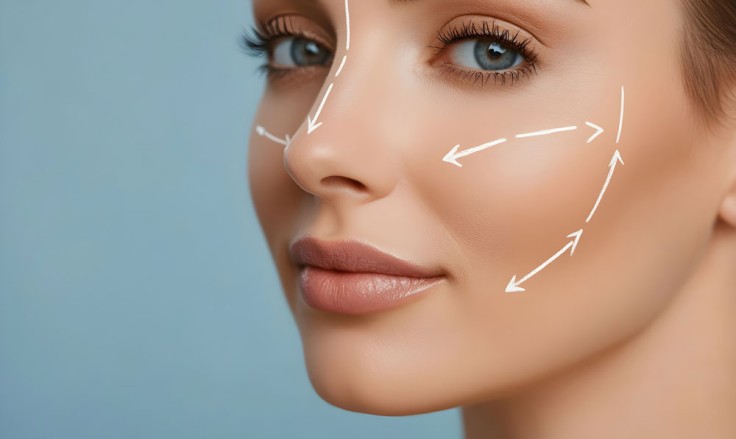
During a thread lift, dissolvable threads are inserted beneath the skin through tiny entry points. Many threads have small cones or barbs that grip and hold the tissue. The procedure is usually done under local anaesthetic and takes thirty to sixty minutes. Most patients go home on the same day and can manage recovery at home. Common treatment areas include the cheeks, jowls, jawline, neck and brows. The number and type of threads depend on the area and the result wanted.
After Thread Lift Treatment: The First 24 Hours
In the first day after thread lift treatment, the face often feels tight and slightly sore. Mild swelling and bruising around the entry points are common and expected. Some patients notice that the lifted areas look slightly overcorrected at first. This is normal, as the tissue settles into a more natural position over the following weeks. Practitioners usually advise resting with the head raised and avoiding pressure on the face. Simple pain relief, as recommended by the practitioner, can help with any soreness. Some patients prefer to plan a quiet evening at home after treatment. Cold compresses applied gently over a clean cloth can help to reduce swelling.
After Thread Lift Treatment: Days 2 to 7
Swelling and bruising usually peak within two or three days, then begin to settle. Most patients feel comfortable returning to work after around three to seven days. Some patients notice tightness when opening the mouth wide, smiling or chewing. This happens because the threads anchor tissue that is still adjusting. Small dimples or puckers in the skin can also appear near the threads. These usually settle on their own within one to two weeks as the tissue relaxes.

After Thread Lift Treatment: Weeks 2 to 4
By the second week, most visible swelling and bruising have usually faded. The face begins to look more natural, and the lift becomes easier to judge. Any remaining tightness usually eases during this period as the tissue continues to settle. Many patients return to most normal activities by the end of the first month. A follow-up appointment is often arranged around this time to review the result. Photographs taken before treatment can help both the patient and practitioner judge the change. The practitioner can check for asymmetry and discuss whether any adjustment is needed.
After Thread Lift Treatment: Months 1 to 6
Over the following months, the threads slowly dissolve beneath the skin. As they dissolve, they stimulate collagen, which can improve firmness and skin quality.
This means the result often continues to improve for several months after treatment. Many patients see their best result around three to six months after the procedure.
| Stage | What to Expect |
| First 24 hours | Tightness, mild soreness, swelling and some bruising |
| Days 2 to 7 | Swelling peaks then settles; tightness when chewing or smiling |
| Weeks 2 to 4 | Most bruising fades; any skin dimpling usually settles |
| Months 1 to 6 | Threads dissolve and collagen builds; result continues to improve |
| 1 to 2 years | Results gradually fade; maintenance may be considered |
Aftercare Rules After a Thread Lift
Following aftercare instructions closely helps the threads stay in place and supports smooth healing. Your practitioner's own instructions should always come first.
General aftercare advice often includes the following steps:
- Sleep on your back with the head raised for the first week
- Avoid rubbing, massaging or pressing on the treated areas
- Avoid wide mouth movements, such as large yawns, for the first two weeks
- Avoid strenuous exercise, saunas and steam rooms for around two weeks
- Avoid dental treatment for a few weeks, as it involves opening the mouth wide
- Avoid facial treatments, such as massage or radiofrequency, for several weeks
Gentle cleansing is usually allowed from the first day, with the skin patted dry.
Eating, Make-Up and Daily Life
Soft foods are often easier to eat for the first few days after a thread lift. Chewing slowly and avoiding very hard foods can reduce tightness and discomfort. Make-up can usually be applied after one to two days, once the entry points have closed. Products should be applied gently without pressing or dragging the skin. Most patients can return to desk-based work within around three to seven days. Patients whose work involves heavy lifting or physical activity may need a little longer.
Common Side Effects After Thread Lift Treatment
Most side effects after thread lift treatment are mild and temporary. They usually settle within one to two weeks without further treatment. Keeping a short daily note of symptoms can help patients notice whether things are improving as expected. Common side effects include swelling, bruising, tenderness and a feeling of tightness. Some patients also notice mild asymmetry while swelling settles unevenly on each side. Small dimples, puckering or a pulling sensation near the threads are also fairly common. These usually improve as the tissue relaxes over the first few weeks.
Conclusion
After thread lift treatment, swelling, bruising and tightness usually settle within one to two weeks. The result continues to improve for several months as collagen builds around the threads. Careful aftercare and prompt advice for any concerns support the best possible outcome. A specialist consultation is the best way to understand your likely recovery. Additionally, recovery experiences vary according to skin condition, thread placement and healing responses. Patients should avoid judging their appearance too early after thread lift treatment. Instead, improvements can become clearer as swelling reduces and facial tissues settle. Regular follow-up appointments provide reassurance and opportunities to discuss any concerns. Maintaining skincare habits after thread lift treatment supports comfort during recovery. Furthermore, realistic expectations help patients appreciate subtle, natural-looking improvements over time.
Explore aesthetic treatments at ACIBADEM Beauty Center to learn more about what happens after thread lift treatment.
Frequently Asked Questions
Most swelling after a thread lift settles within one to two weeks. Minor swelling can occasionally last a little longer in some patients. Sleeping with the head raised can help to reduce it.
It is common to feel tightness or slight firmness in the first few weeks. The threads are usually not felt once the tissue settles. Contact your practitioner if a thread can be felt clearly or seen.
Most practitioners advise avoiding strenuous exercise for around two weeks. Gentle walking is usually fine from the first few days. Your practitioner will confirm the right timing for you.
Small dimples can appear where the threads grip the tissue. These usually settle on their own within one to two weeks. Persistent dimpling should be checked by the practitioner.
An initial lift is visible straight away, but swelling can hide the result at first. The final result is often clearest around three to six months after treatment. This is when collagen stimulation is well established.