Ataşehir Mah. Feza Sk. No:3 İstanbul / Türkiye
 English
Introduction
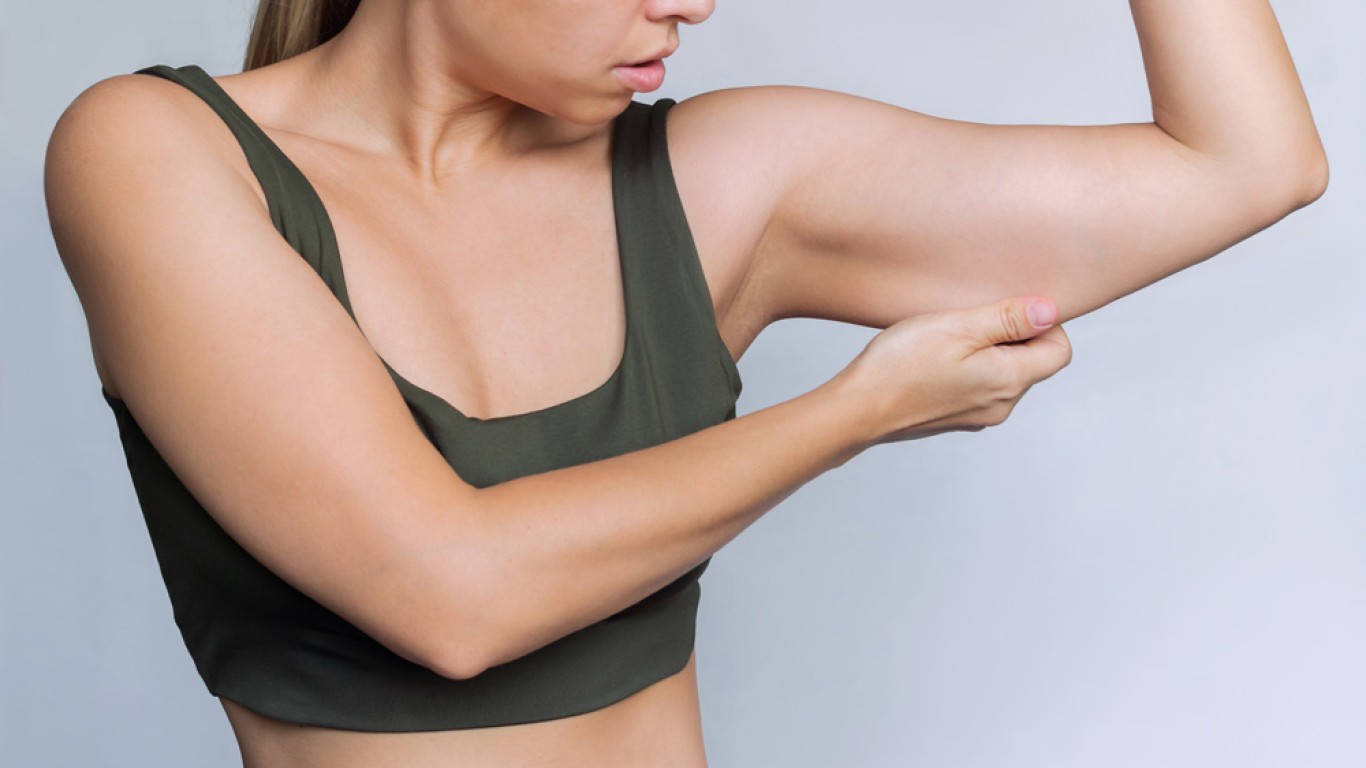
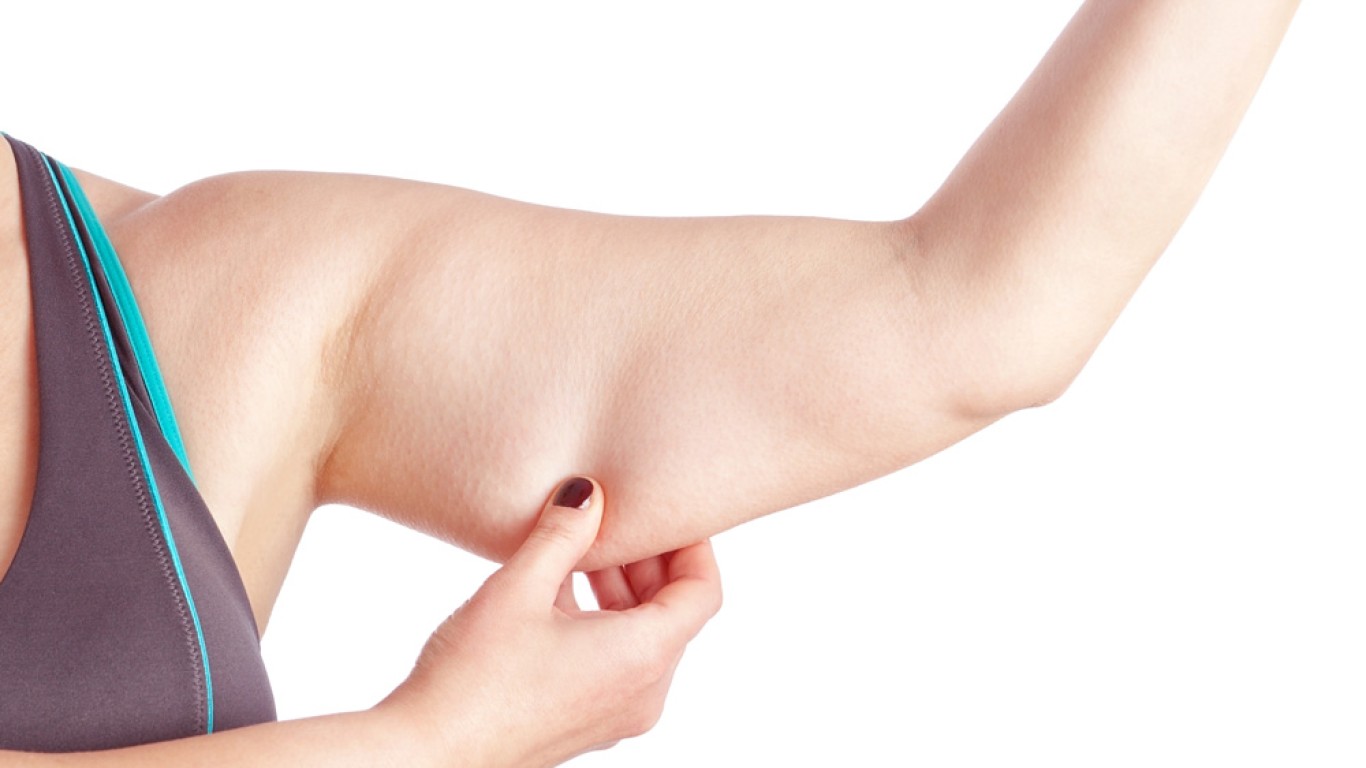
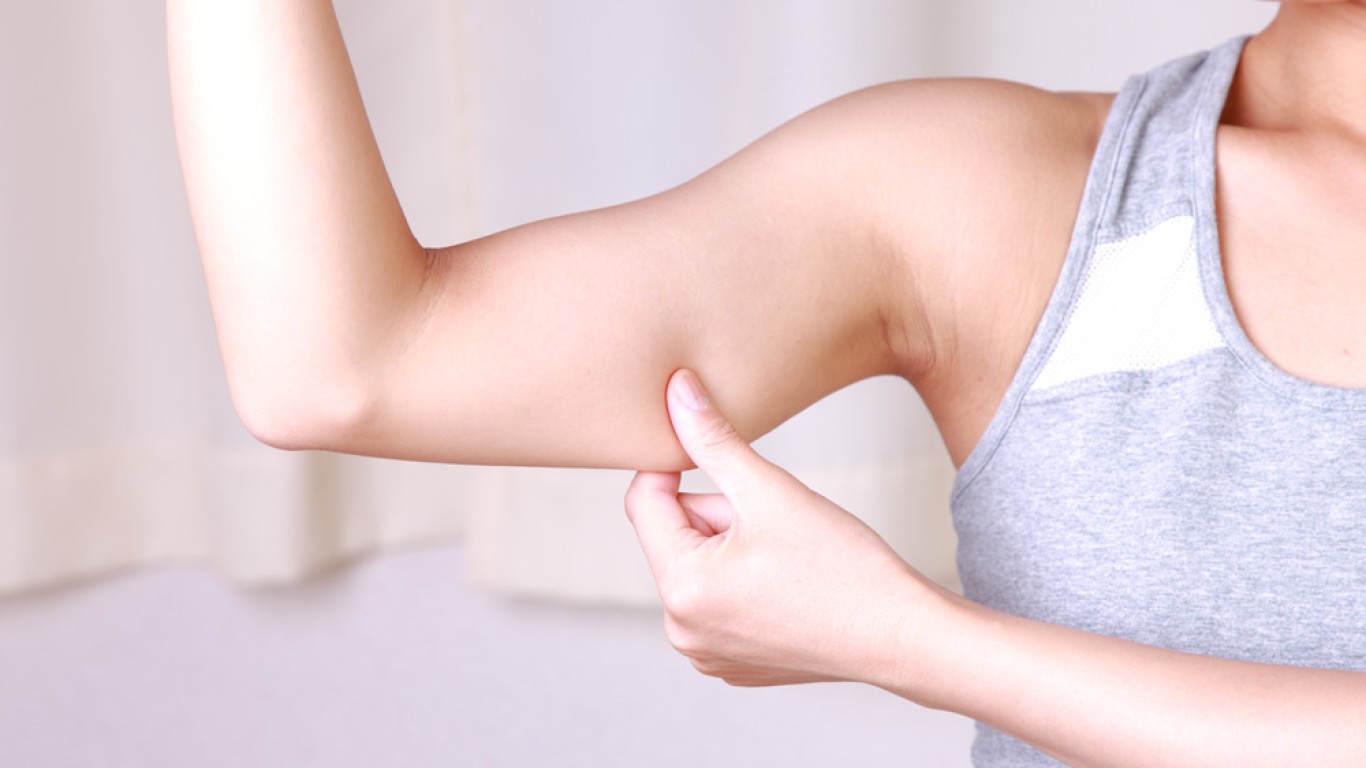
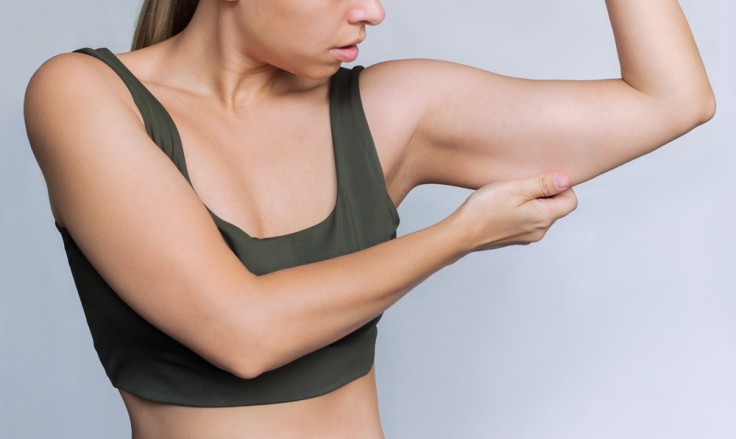
Exercising after arm lift surgery should follow a gradual, carefully planned timeline. An arm lift, or brachioplasty, removes loose skin and fat from the upper arms. Many patients are active and keen to return to their usual routine. However, returning to exercise too soon can strain healing incisions. It may also increase swelling and the risk of wider scars. On the other hand, gentle movement supports circulation and recovery. This article explains when different types of exercise can usually resume. It also covers safe activities, warning signs and how exercise helps maintain results.
Understanding Healing After an Arm Lift
An arm lift involves incisions along the inner upper arm. In some patients, the incision extends into the armpit or down towards the elbow. The surgeon removes excess skin and tightens the remaining tissue. Liposuction may also be used to refine the arm contour. Healing happens in stages over several months. The skin surface usually closes within two to three weeks. Deeper tissues take longer to regain strength. Scar tissue continues to mature for up to a year. Exercise must respect each of these healing stages.
Why Exercising After Arm Lift Must Be Gradual
The arms are involved in almost every type of exercise. Lifting, pushing, pulling and stretching all place tension on the inner arm. Too much tension too early can separate healing wounds. It may also cause fluid build-up, known as a seroma. Strain on incisions can stretch scars and make them more visible. Raised heart rate and blood pressure can increase swelling and bleeding risk early on. A gradual return allows tissues to strengthen safely. Following a staged plan protects both health and the final result.
Exercising After Arm Lift: A Week-by-Week Timeline
The following table outlines a general timeline for returning to exercise.
| Timeframe | Activities Usually Allowed | Activities to Avoid |
| Days one to seven | Gentle walking around the home | Lifting, stretching arms overhead |
| Weeks two to three | Longer walks, light stationary cycling | Arm exercises and heavy lifting |
| Weeks three to six | Lower-body training without arm strain | Weights, push-ups, pulling movements |
| Weeks six to eight | Light upper-body exercise with surgeon approval | Heavy lifting and intense arm training |
| After eight to twelve weeks | Gradual return to full training | Sudden jumps in intensity |
This is general guidance only. Patients should always follow their surgeon's individual advice.
The First Two Weeks: Rest and Gentle Walking
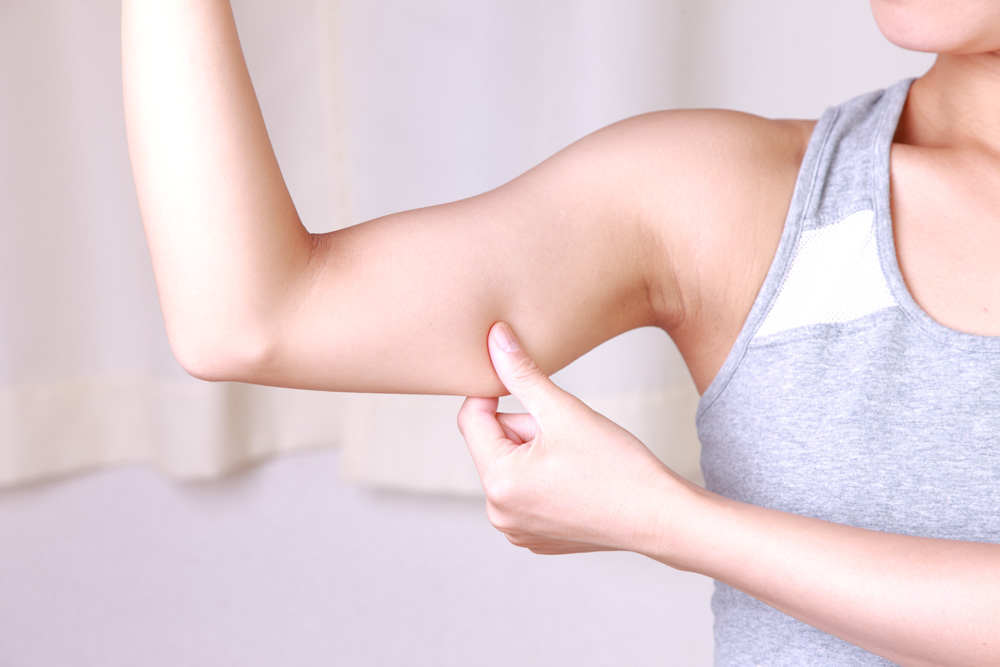
Rest is the priority during the first two weeks. However, gentle walking should begin as soon as possible after surgery. Walking helps blood circulation and lowers the risk of blood clots. Short walks around the home several times a day are ideal. Patients should keep their arms relaxed at their sides while walking. Lifting anything heavier than a light cup or book should be avoided. Patients should not raise their arms above shoulder height. Compression garments should be worn as instructed throughout this time.
Exercising After Arm Lift: Safe Activities in the First Month
From around two to three weeks, light cardio can often begin. Longer walks are usually the best starting point. A stationary bike can be used if the arms remain relaxed. Patients should keep the intensity low and avoid heavy sweating at first. From around three to four weeks, lower-body exercises may be introduced. Bodyweight squats and gentle leg exercises are often suitable. Exercises that require holding weights or bracing the arms should still be avoided. Patients should stop immediately if they feel pulling or pain at the incisions.
Exercising After Arm Lift: Returning to Upper-Body Training
Upper-body exercise usually resumes from around six weeks. This should always be approved by the surgeon first. Patients should begin with light resistance bands or very light weights. Gentle range-of-motion exercises help restore flexibility. Push-ups, pull-ups and heavy pressing movements should wait longer. These exercises place significant tension on the inner arm. Many patients return to full upper-body training after eight to twelve weeks. Progress should be gradual, increasing weight and intensity slowly over several weeks.
Exercising After Arm Lift: Swimming, Yoga and Other Activities
Some activities need special consideration after an arm lift. Swimming should wait until all incisions have fully healed. This is often around four to six weeks after surgery. Swimming strokes also involve strong arm movements, so a gradual return is advised. Yoga and Pilates often include weight-bearing poses on the arms. Planks and downward dog should be avoided until upper-body training is approved. Racquet sports and climbing place heavy strain on the arms. These activities usually resume only after eight to twelve weeks.
Warning Signs When Exercising After Arm Lift
Patients should know when to stop and seek advice. Sudden pain or a pulling sensation at the incision is a warning sign. New or increasing swelling in one arm should be checked. Fluid leaking from the wound or a wound opening requires prompt attention. Redness, warmth or fever may suggest infection. Unusual bruising after exercise should also be reported. Patients should not push through pain during recovery. Contacting the surgical team early helps prevent minor problems becoming serious.
Supporting Your Scars During Exercising After Arm Lift
Protecting scars is an important part of returning to exercise. Compression garments help support the tissues during early activity. Patients should avoid repetitive stretching of the inner arm while scars are fresh. Loose, breathable clothing reduces friction over healing incisions. Scar care, such as silicone gel or sheets, may be recommended once wounds close. Sun protection prevents scars from darkening. Gentle, gradual movement helps scars mature flat and pale.
Exercising After Arm Lift to Maintain Results
Regular exercise helps protect long-term results once healing is complete. Strength training tones the arm muscles beneath the tightened skin. Cardio exercise supports a healthy weight. Significant weight gain can stretch the skin and affect results. Weight fluctuations may also make scars more noticeable. A balanced routine of strength and cardio supports lasting definition. Many patients find that exercise becomes more enjoyable after surgery. Comfortable, well-fitting clothing can boost confidence during workouts.
Everyday Activities During Recovery
Daily tasks can strain the arms as much as exercise. Patients should avoid lifting heavy shopping bags for several weeks. Carrying children, laundry baskets or suitcases should also be avoided. Reaching for high shelves can stretch the inner arm incisions. Patients should keep frequently used items at waist height. Driving is usually possible after one to two weeks, once arm movement is comfortable. Desk work can often resume within one to two weeks. Household chores should be shared or postponed during early recovery.
Preparing Before Surgery
Preparing well before surgery can make recovery easier. Patients who exercise regularly should build strong leg and core fitness beforehand. This makes walking and lower-body exercise easier after surgery. Patients should also plan alternative workouts that avoid the arms. Arranging help with heavy tasks at home is very useful. Stopping smoking several weeks before surgery supports healing. A stable weight before surgery also helps produce lasting results.
Conclusion
Exercising after arm lift surgery should follow a gradual, staged plan. Gentle walking begins straight away, with light cardio from around two to three weeks. Lower-body training often resumes from three to four weeks. Upper-body exercise usually starts around six weeks, with full training after eight to twelve weeks. Following surgeon advice protects incisions, scars and long-term results.
To learn more about exercising after arm lift and to book a consultation, visit the ACIBADEM Beauty Center Arm Lift webpage.
Frequently Asked Questions
Gentle walking usually begins within a day or two after surgery.
Light upper-body exercise often resumes around six weeks, with surgeon approval.
Push-ups and similar exercises usually wait until eight to twelve weeks.
Swimming can usually resume once all incisions have fully healed.
Yes. Regular exercise and a stable weight help protect long-term results.