Ataşehir Mah. Feza Sk. No:3 İstanbul / Türkiye
 English
Introduction
Platelet-rich plasma, often shortened to PRP, uses a concentrate of your own blood. It is widely used in aesthetic medicine for hair thinning, skin rejuvenation and acne scarring. One of the most common questions patients ask is how many PRP treatments they will need. The answer depends on the condition being treated, the severity of the concern and your individual response. Most patients need a short initial course followed by occasional maintenance sessions. This guide explains typical session numbers for the most common uses of PRP. It also covers the factors that affect results and what to expect over time.
What Is PRP Treatment?
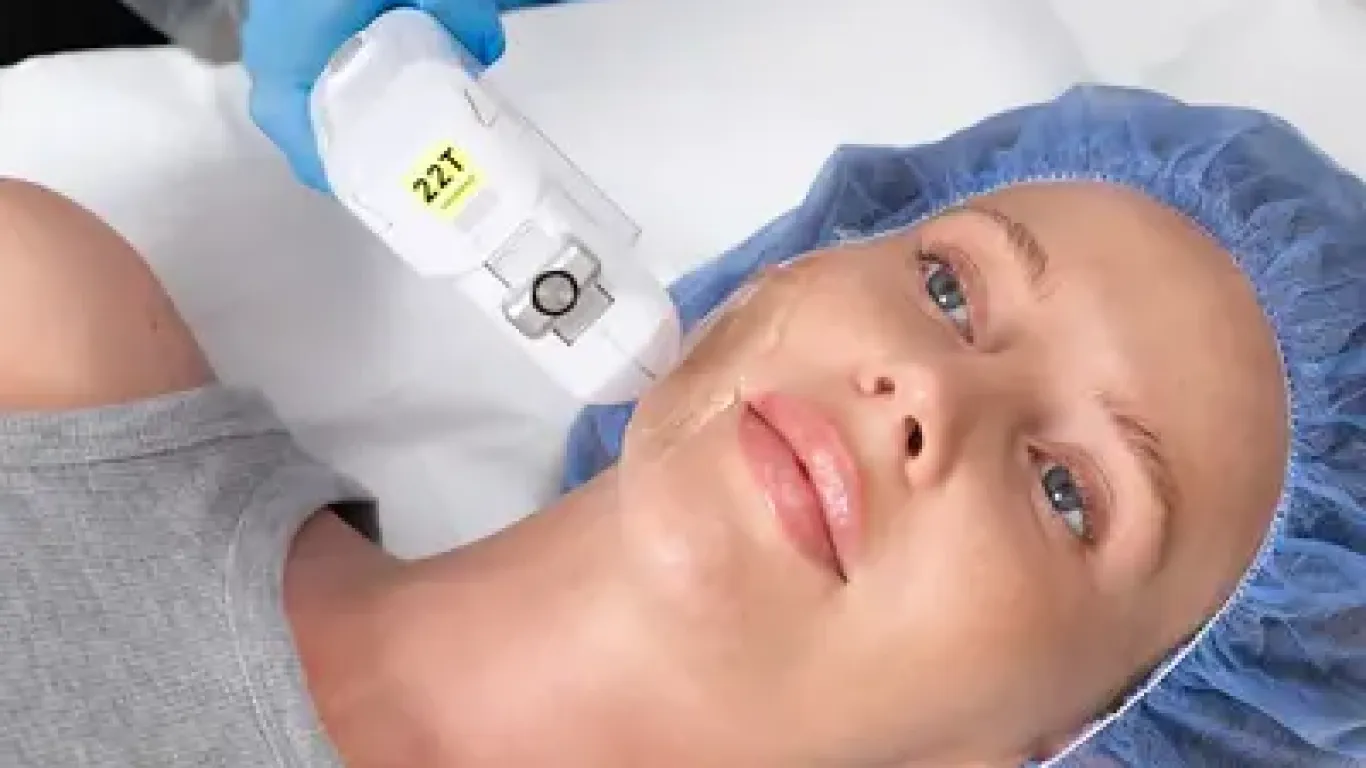
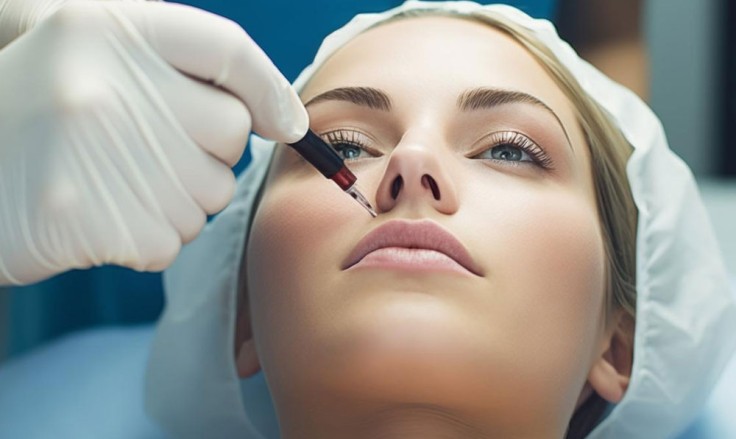
PRP treatment begins with a small blood sample, usually taken from the arm. The sample is placed in a centrifuge, which separates the different components of the blood. The layer rich in platelets is then collected for treatment. Platelets contain growth factors that play an important role in tissue repair. When PRP is applied to the skin or scalp, these growth factors may support renewal. Because PRP comes from your own blood, the risk of an allergic reaction is very low. A typical appointment lasts between forty-five and ninety minutes, including preparation. Most patients return to normal daily activities on the same day as their treatment.
How Many PRP Treatments for Hair Loss?
For hair thinning, most clinics recommend an initial course of three to four sessions. These are usually spaced about four weeks apart to allow the scalp to respond between treatments. After the initial course, maintenance sessions are often advised every three to six months. Some patients extend this to once or twice a year once results have stabilised. PRP tends to work best for early to moderate thinning, such as androgenetic alopecia. It cannot regrow hair in areas where follicles are no longer active. In these cases, a hair transplant may be discussed as an alternative. PRP is also sometimes used alongside a hair transplant to support healing and graft growth. Your specialist will explain whether this approach is appropriate for your pattern of hair loss.
How Many PRP Treatments for Skin Rejuvenation?
For skin rejuvenation, a course of three sessions is commonly recommended. These are typically spaced four to six weeks apart to allow collagen production to build. PRP may help to improve skin texture, tone, fine lines and overall radiance. It is often used on the face, neck, hands and the delicate area under the eyes. Once the initial course is complete, many patients choose one maintenance session each year. Some combine PRP with microneedling, which can help the growth factors reach deeper layers of skin. The under-eye area often needs fewer sessions, as the treated zone is smaller. Patients with more advanced signs of ageing may need a longer course to see a meaningful change.
How Many PRP Treatments for Acne Scars?
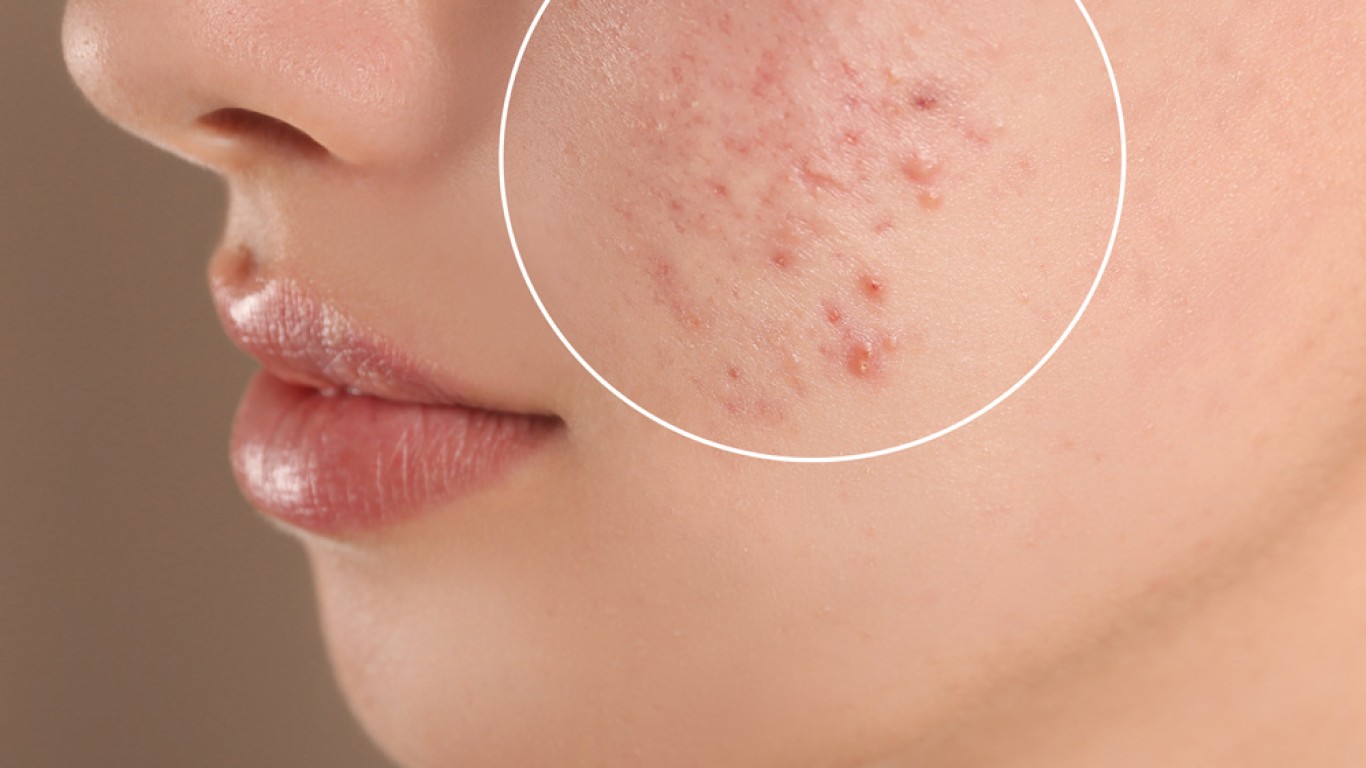
Acne scars usually need a slightly longer course than general skin rejuvenation. Most treatment plans involve three to six sessions spaced four to six weeks apart. PRP is rarely used on its own for scarring and is usually combined with another treatment. Microneedling and fractional laser resurfacing are the most common partners. The PRP is applied during or after the session to support healing and collagen production. Deeper or more established scars may need more sessions than shallow, recent scarring. Your practitioner will assess the type and depth of your scars before recommending a plan.
How Many PRP Treatments: A Summary Table
The table below summarises typical session numbers for the most common aesthetic uses of PRP. These figures are general guides, and individual plans will vary.
| Treatment Area | Initial Sessions | Interval | Maintenance |
| Hair thinning | 3 to 4 | Around 4 weeks | Every 3 to 6 months |
| Skin rejuvenation | 3 | 4 to 6 weeks | Around once a year |
| Acne scars | 3 to 6 | 4 to 6 weeks | As advised after the course |
| Under-eye area | 2 to 3 | 4 to 6 weeks | Around once a year |
There is currently no single standard protocol that every clinic follows. This is why recommendations can differ slightly between practitioners. Research into PRP is still developing, and results reported in studies vary between patients. A clear treatment plan with regular reviews helps to judge whether further sessions are worthwhile.
Factors That Affect How Many PRP Treatments You Need
Several factors influence how many PRP treatments a patient will need to see results. These include the following:
- The severity and duration of the hair loss, ageing or scarring being treated
- Age and general health, which affect the body's natural healing response
- Lifestyle factors, such as smoking, diet, stress levels and sun exposure
- The preparation method and platelet concentration used by the clinic
- Whether PRP is combined with other treatments or used on its own
Certain medications, such as blood thinners and anti-inflammatory painkillers, may also reduce effectiveness. Your practitioner will review your medical history before planning a course. Some medications may need to be paused before each session, but only on medical advice.
How Long Do PRP Results Take to Appear?
PRP works by supporting natural repair processes, so results build gradually rather than overnight. For skin treatments, some patients notice a fresher appearance within a few weeks. More noticeable changes in texture and firmness usually appear around three months after the course begins. For hair thinning, reduced shedding is often the first sign of improvement. Visible changes in density usually take three to six months to become clear. This reflects the natural growth cycle of hair, which cannot be rushed. Taking photographs before treatment and at regular intervals can help you track progress objectively. Changes can be gradual, so photographs are often more reliable than a mirror.
Conclusion
How many PRP treatments you need depends on what is being treated and how your body responds. Most patients start with three to six sessions spaced four to six weeks apart. Maintenance sessions then help to sustain results over the longer term. A personal consultation is the best way to understand how many sessions are likely to suit you.
Explore how many PRP treatments at ACIBADEM Beauty Center to learn more about PRP and related options.
Frequently Asked Questions
A single session may give some improvement, but most patients need a course of treatments. Growth factors work gradually, and repeated sessions help to build collagen and support hair follicles. Results from one session alone are usually limited.
Most PRP sessions are spaced four to six weeks apart during the initial course. This gives the body time to respond before the next treatment. Hair treatments are sometimes spaced slightly closer together.
Most patients describe mild discomfort rather than pain during treatment. A numbing cream or local anaesthetic is often used to keep the procedure comfortable. The scalp may feel tender for a day or two afterwards.
PRP results are not permanent, as the skin and hair continue to age naturally. Maintenance sessions are usually recommended to help sustain improvement. The ideal frequency varies from patient to patient.
Yes, PRP is often combined with microneedling, laser resurfacing or hair loss medication. Combination plans can support stronger or longer-lasting results. Your practitioner will advise on safe timing between different treatments.