Ataşehir Mah. Feza Sk. No:3 İstanbul / Türkiye
 French
  English
  German
  Spanish
Introduction
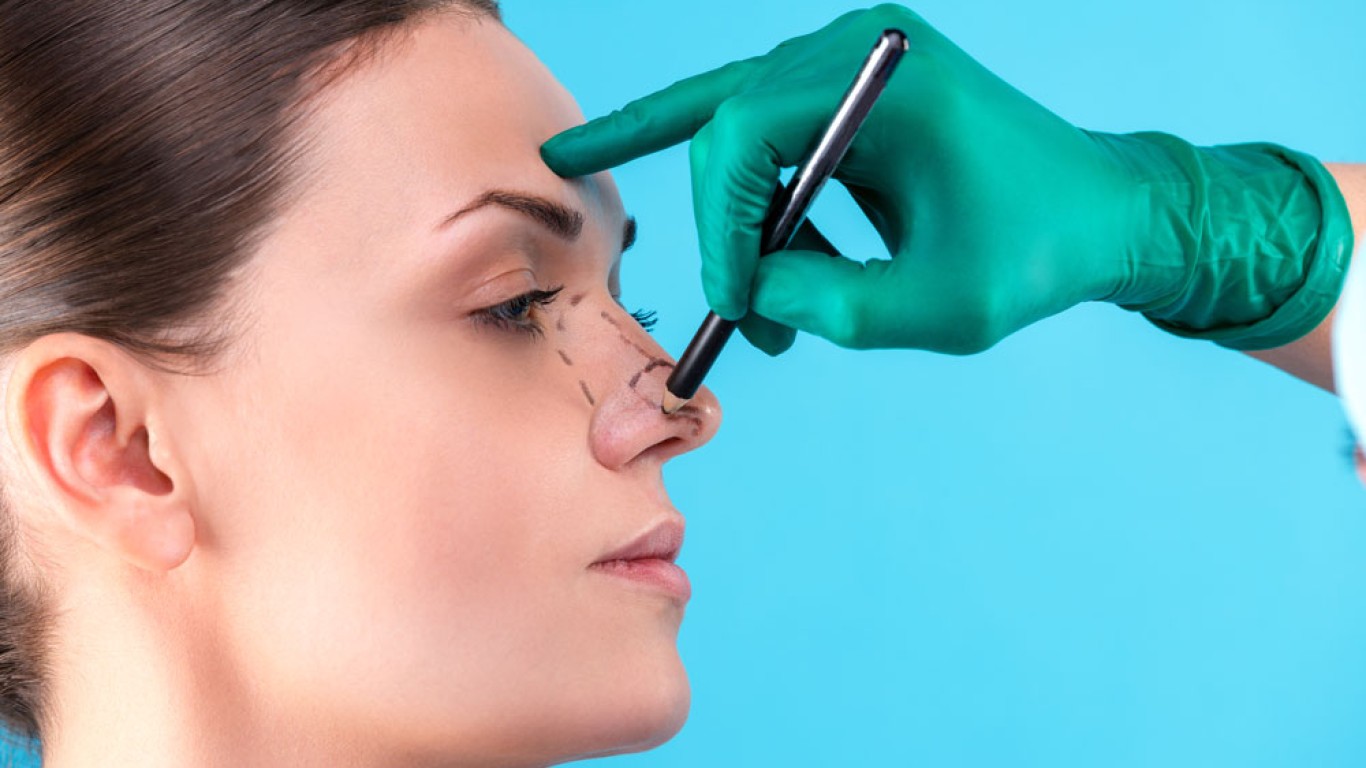
Rhinoplasty is one of the most complex cosmetic procedures because even small changes to nasal structure significantly affect facial appearance. Patients considering nose surgery often find it difficult to visualise how their face will look after the procedure. This is where advanced imaging technology has transformed the consultation experience. Simulation technology allows patients to see a realistic preview of potential results before committing to surgery. The technology supports clearer communication between surgeon and patient about aesthetic goals. Understanding how 3D rhinoplasty simulation works helps patients appreciate the value it brings to modern surgical planning.
What Is 3D Rhinoplasty Simulation?
3D rhinoplasty simulation uses advanced imaging technology to create a detailed three-dimensional model of the patient's face. High-resolution cameras capture the nasal structure from multiple angles. Software then constructs a digital replica that can be manipulated to show potential surgical changes. The surgeon adjusts the digital nose to demonstrate different modifications. Simulation shows changes to the bridge, tip, width and profile in realistic detail. The simulated result can be viewed from every angle. The technology has become essential in modern consultations.
How 3D Rhinoplasty Simulation Works
The process begins with capturing detailed images of the patient's face. Multiple photographs create a precise three-dimensional digital model. The software maps the nasal anatomy including the bridge, tip, nostrils and surrounding facial structures. The surgeon then uses digital tools to adjust the nose shape within realistic parameters. Modifications can be applied and reversed in real time during the consultation. The patient and surgeon review the simulated outcome together, discussing preferences and possibilities. This interactive process ensures that both parties share a clear vision of the intended result.
Benefits of 3D Rhinoplasty Simulation for Patients
3D rhinoplasty simulation offers significant benefits for patients considering nose surgery. Key advantages include:
- Visual clarity about how the nose will look after surgery from multiple angles.
- Reduced anxiety about the unknown outcome of a permanent procedure.
- Improved communication between patient and surgeon about aesthetic goals.
- Ability to compare different surgical approaches before making a decision.
- Greater confidence in proceeding with surgery based on a shared visual plan.
Simulation technology transforms the consultation from an abstract discussion into a concrete visual experience that patients can engage with directly.
How 3D Rhinoplasty Simulation Supports Surgical Planning
Beyond patient communication, 3D rhinoplasty simulation supports the surgeon's technical planning. The technology provides precise measurements of nasal dimensions and angles. Surgeons can plan the exact degree of bridge reduction, tip refinement or width adjustment required. The technology identifies structural relationships that influence the surgical approach. The digital model serves as a reference during the procedure itself. This level of planning supports more predictable outcomes and reduces the need for revision surgery. Precise preoperative planning is one of the most valuable contributions of simulation technology to modern rhinoplasty.

3D Rhinoplasty Simulation: Setting Realistic Expectations
One of the most important functions of 3D rhinoplasty simulation is helping patients develop realistic expectations. The technology shows what is surgically achievable given the patient's existing nasal anatomy. Not all desired changes may be possible depending on bone structure, skin thickness and cartilage quality. The surgeon demonstrates these limitations visually. Patients can see why certain modifications are feasible while others may compromise structural integrity or breathing function. This transparent approach prevents disappointment and ensures patients proceed with informed consent.
3D Rhinoplasty Simulation and Ethnic Considerations
Rhinoplasty techniques vary across different ethnic nose types. Nasal skin thickness, cartilage strength and bridge structure differ significantly between ethnicities. Simulation technology helps surgeons plan procedures that respect and enhance each patient's natural facial harmony. The technology demonstrates how changes will appear within the context of the patient's unique facial proportions. Cultural aesthetic preferences can be incorporated into the simulation. The technology supports personalised planning that honours the patient's heritage while achieving their aesthetic goals.
Accuracy of 3D Rhinoplasty Simulation
Patients often ask how accurately the simulation reflects the final surgical result. Modern 3D rhinoplasty simulation technology is highly sophisticated and produces realistic previews. However, simulations represent an approximation rather than a guarantee. Individual healing, tissue response and scar formation all influence the final outcome. Swelling during recovery temporarily obscures the result for several months. Most patients find that the final result closely resembles the simulation once healing is complete. Simulation accuracy has improved significantly with advances in software algorithms and imaging resolution.
The Consultation Experience with 3D Simulation
3D rhinoplasty simulation transforms the rhinoplasty consultation into an interactive experience. Patients sit with their surgeon and review the digital model together. The surgeon demonstrates how specific changes would alter the nose shape and overall facial balance. Patients can request adjustments and see the effect immediately. This collaborative process builds trust. It ensures alignment between patient goals and surgical plans. Simulation consultations typically last longer than traditional appointments because the interactive element encourages thorough discussion and exploration of options.
Limitations of 3D Simulation Technology
While highly valuable, 3D rhinoplasty simulation has limitations that patients should understand. The technology cannot predict exactly how individual tissues will heal. Skin thickness affects how precisely internal structural changes translate to external appearance. Cartilage memory and scarring patterns vary between patients. The simulation provides the best possible preview but is not a photographic prediction of the final result. Surgeons use the simulation as a planning guide alongside their clinical experience. Understanding these limitations helps patients approach the technology with appropriate expectations.
Why 2026 Is an Exciting Time for Simulation Technology
Advances in imaging hardware and software algorithms continue to improve 3D rhinoplasty simulation. Higher resolution cameras capture more detail than ever before. Artificial intelligence enhances simulation accuracy by learning from thousands of previous surgical outcomes. Real-time rendering allows instantaneous visualisation of modifications during consultation. Augmented reality features are beginning to allow patients to view their simulated nose on a live image of their face. Simulation technology in 2026 represents the most advanced and accessible version of this planning tool to date. These innovations also improve communication between patient and surgeon by providing clearer visual references. As systems continue evolving, simulations are becoming more personalised and increasingly aligned with individual facial anatomy.
Patient Testimonials and Confidence
Many patients report that 3D rhinoplasty simulation significantly increased their confidence in proceeding with surgery. Seeing a visual preview of the expected result reduces anxiety about the unknown. Patients feel more involved in the planning process. The ability to make requests and see instant adjustments creates a sense of partnership with the surgeon. The technology helps patients feel that their preferences are understood and incorporated. This collaborative approach contributes to higher satisfaction rates after surgery because expectations are aligned from the outset. Patients often describe feeling more reassured after visualising realistic outcomes tailored to their own facial structure and proportions.
Choosing a Clinic with 3D Simulation Technology
Patients considering rhinoplasty should enquire whether their chosen clinic offers 3D rhinoplasty simulation. Clinics that invest in this technology demonstrate a commitment to modern planning standards. The quality of simulation software varies between systems. Leading platforms offer high-resolution imaging and realistic rendering. Patients should ask to see examples of previous simulations alongside actual surgical results. This provides insight into how accurately the clinic's technology predicts outcomes. Simulation availability is an important factor when selecting a rhinoplasty surgeon and clinic. Clinics with advanced systems often provide more detailed consultations and clearer treatment planning experiences.
Conclusion
3D rhinoplasty simulation has become an essential component of modern nose surgery planning. The technology allows patients to visualise potential results with realistic detail before committing to the procedure. It supports clearer communication between surgeon and patient. Precise digital measurements enhance surgical planning and outcome predictability. While simulations are approximations rather than guarantees, they significantly improve patient confidence and satisfaction. Professional consultation using this technology ensures personalised and well-informed treatment planning. As technology continues to advance, simulations are expected to become even more accurate and interactive. This ongoing development will further strengthen patient understanding, refine surgical precision and support consistently high-quality aesthetic outcomes.
For more information and to book a consultation visit the ACIBADEM Beauty Center Rhinoplasty page.
Frequently Asked Questions
Modern simulations are highly realistic but represent approximations of the final result.
Yes, the 3D model can be viewed from all perspectives.
No, individual healing influences the final outcome.
These consultations typically take longer due to the interactive element.
Yes, many leading rhinoplasty clinics offer 3D simulation as standard.`