Ataşehir Mah. Feza Sk. No:3 İstanbul / Türkiye
 English

Introduction
How many skin booster treatments a patient needs is one of the most common pre-treatment questions. Skin boosters are injectable treatments that improve hydration, texture and radiance. They have become popular among patients who want healthier-looking skin without changing their features. Unlike dermal fillers, skin boosters do not add structural volume. Instead, they work gradually to improve the overall quality of the skin. Most patients need a course of treatments to achieve the best results. The exact number depends on the product, skin condition and goals. This article explains typical treatment schedules and maintenance plans. It also covers the factors that influence how many sessions each patient needs.
What Are Skin Boosters?
Skin boosters are injectable treatments designed to improve skin quality from within. Most are based on hyaluronic acid, a substance found naturally in the skin. Skin booster products are much lighter and more fluid than dermal fillers. They spread evenly through the skin rather than lifting or contouring. Some products also contain amino acids, vitamins or antioxidants. Others are based on polynucleotides, which are purified DNA fragments. Skin boosters can treat the face, neck, décolletage and hands. They suit patients with dull, dehydrated or crepey skin. Many patients also use them to soften fine lines and improve elasticity.
How Skin Boosters Work
Skin boosters work through hydration and stimulation. Hyaluronic acid draws water into the skin and holds it there. This immediately improves plumpness, smoothness and radiance. Many products also stimulate fibroblasts, the cells that produce collagen and elastin. Over time, this improves firmness, elasticity and skin thickness. Polynucleotides support tissue repair and help calm inflammation. Because these processes take time, results build gradually. Each session adds to the improvements from the previous one. This is why a course of treatments usually works better than a single session.
How Many Skin Booster Treatments Are Needed for an Initial Course?
Most patients need between two and four sessions for an initial course. Sessions are usually spaced two to four weeks apart. This spacing allows the skin to respond before the next treatment. Some patients notice improved hydration after the first session. However, the most significant results usually appear after completing the full course. Results typically peak around four weeks after the final session. Patients with more advanced skin concerns may need additional sessions. A practitioner will recommend a personalised plan after assessing the skin.
How Many Skin Booster Treatments by Product Type
Different products follow different treatment protocols. The following table summarises typical schedules.
| Skin Booster Type | Initial Course | Maintenance |
| High-concentration hyaluronic acid (bio-remodelling) | Two sessions, four weeks apart | Every six months |
| Lightly cross-linked hyaluronic acid | Three sessions, four weeks apart | Every six to nine months |
| Hyaluronic acid with amino acids | Four to six sessions, one to two weeks apart | Every three to six months |
| Polynucleotides | Three sessions, two to three weeks apart | Every six months |
How Many Skin Booster Treatments for Different Skin Concerns?
The number of sessions often depends on the main concern being treated. Patients with mild dehydration and dullness may need only two sessions. Fine lines and early loss of elasticity usually respond well to three sessions. Crepey skin, especially around the eyes or neck, may need three to four sessions. Acne scarring and uneven texture may require a longer course. Sun-damaged skin often benefits from additional sessions and combined treatments. Patients with several concerns may follow a tailored plan using more than one product. A practitioner will prioritise the most important concerns first.
How Many Skin Booster Treatments by Age?
Age influences how quickly the skin responds to treatment. Patients in their twenties and thirties often respond quickly. They may need only two sessions to achieve noticeable improvement. Patients in their forties often benefit from three sessions in the initial course. Patients aged fifty and above may need three or four sessions. Collagen production slows with age, so results may build more gradually. Mature skin also tends to benefit from more frequent maintenance. However, patients of all ages can see meaningful improvements in skin quality.
Factors That Affect the Number of Sessions
Several individual factors influence how many sessions each patient needs. Baseline skin condition is the most important factor. Skin that is very dry or sun-damaged may need more treatment. Lifestyle habits such as smoking reduce collagen production and slow progress. Frequent sun exposure can undo some of the benefits of treatment. Diet, hydration, sleep and stress also affect skin health. A consistent skincare routine supports and extends results. The patient's goals matter too, as some prefer subtle improvement while others want more change.
How Many Skin Booster Treatments for Maintenance?
After the initial course, maintenance sessions help preserve results. Most patients need one maintenance session every four to nine months. The ideal interval depends on the product and the patient's skin. Patients often notice when their skin begins to lose its glow or hydration. This is usually a good time to book a top-up. Regular maintenance can lead to cumulative improvements over time. Some patients repeat a full course once a year instead. A practitioner can recommend the most suitable maintenance schedule.
How Many Skin Booster Treatments for the Neck, Hands and Body?
Skin boosters are also effective for areas beyond the face. The neck and décolletage often show early signs of ageing. These areas usually need three sessions, spaced around four weeks apart. The hands typically need two or three sessions to improve crepey texture. Larger areas may need more product per session. Maintenance for these areas usually follows a similar timeline to the face. Combining facial and body treatments can create a more consistent overall result.
What a Session Involves
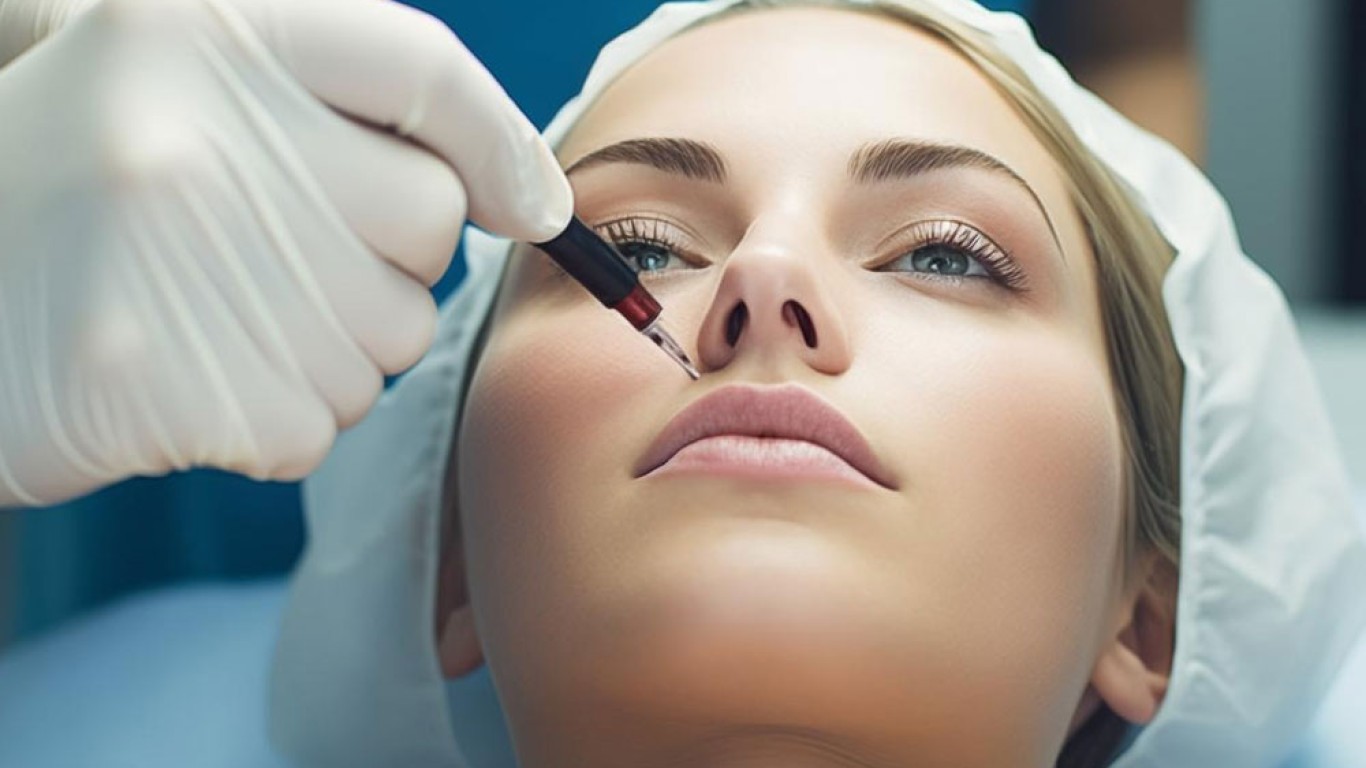
Each skin booster session is quick and straightforward. The practitioner cleanses the skin and may apply numbing cream. The product is injected using fine needles or a blunt cannula. Some products use only a few injection points. Others require many tiny injections across the treatment area. A session usually takes fifteen to forty-five minutes. Small bumps or mild redness may appear but settle within a day or two. Most patients return to normal activities straight away.
Who Is Suitable for Skin Boosters?
Skin boosters suit most adults who want healthier, more radiant skin. Good candidates often have dull, dehydrated or uneven skin. Patients with fine lines or early loss of elasticity may also benefit. Skin boosters can help patients who want subtle improvement without changing their features. They are also popular before special events or as part of an anti-ageing routine. Treatment is not suitable during pregnancy or breastfeeding. Patients with active skin infections or inflammation should wait until healed. Those with certain autoimmune conditions need careful medical assessment. A consultation helps confirm suitability and the right treatment plan.
Conclusion
Most patients need two to four skin booster sessions for an initial course. Sessions are usually spaced two to four weeks apart, depending on the product. Skin condition, age, lifestyle and goals all affect the number of sessions needed. Maintenance treatments every four to nine months help preserve results. A personalised assessment ensures each patient follows the most effective treatment plan.
To learn more about how many skin booster treatments you need and to book a consultation, visit the ACIBADEM Beauty Center Skin Rejuvenation webpage.
Frequently Asked Questions
Most patients need two to four sessions, spaced two to four weeks apart.
Some patients notice improvement after one session, with full results after completing the course.
Results typically last six to nine months, depending on the product and skin condition.
One session can help, but a full course usually gives better and longer-lasting results.
Downtime is minimal. Small bumps or redness usually settle within one to two days.