Ataşehir Mah. Feza Sk. No:3 İstanbul / Türkiye
 French
  English
  German
  Spanish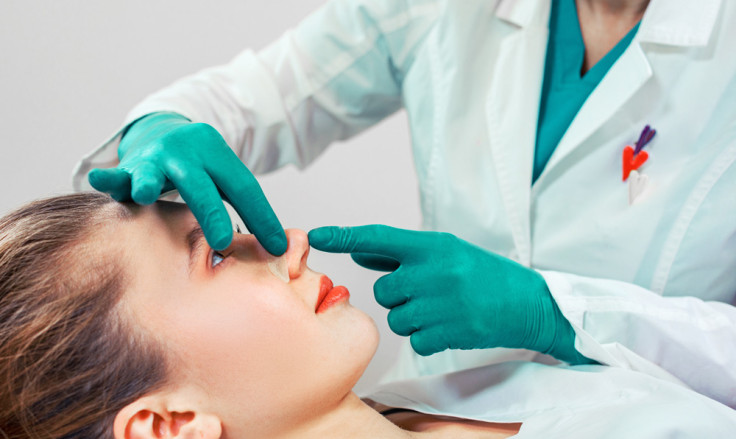
Introduction
Alarplasty is a surgical procedure that refines the nostrils. It reduces nostril width or flare to create a more proportionate nasal appearance. The procedure is one of the most targeted nose refinement options available. It can be performed alone or alongside rhinoplasty. Many patients feel their nostrils are too wide for their facial proportions. This procedure addresses these issues directly. Understanding the procedure helps patients evaluate whether it suits their goals. This article explains what alarplasty involves, how it works and what to expect during recovery.
What Is Alarplasty?
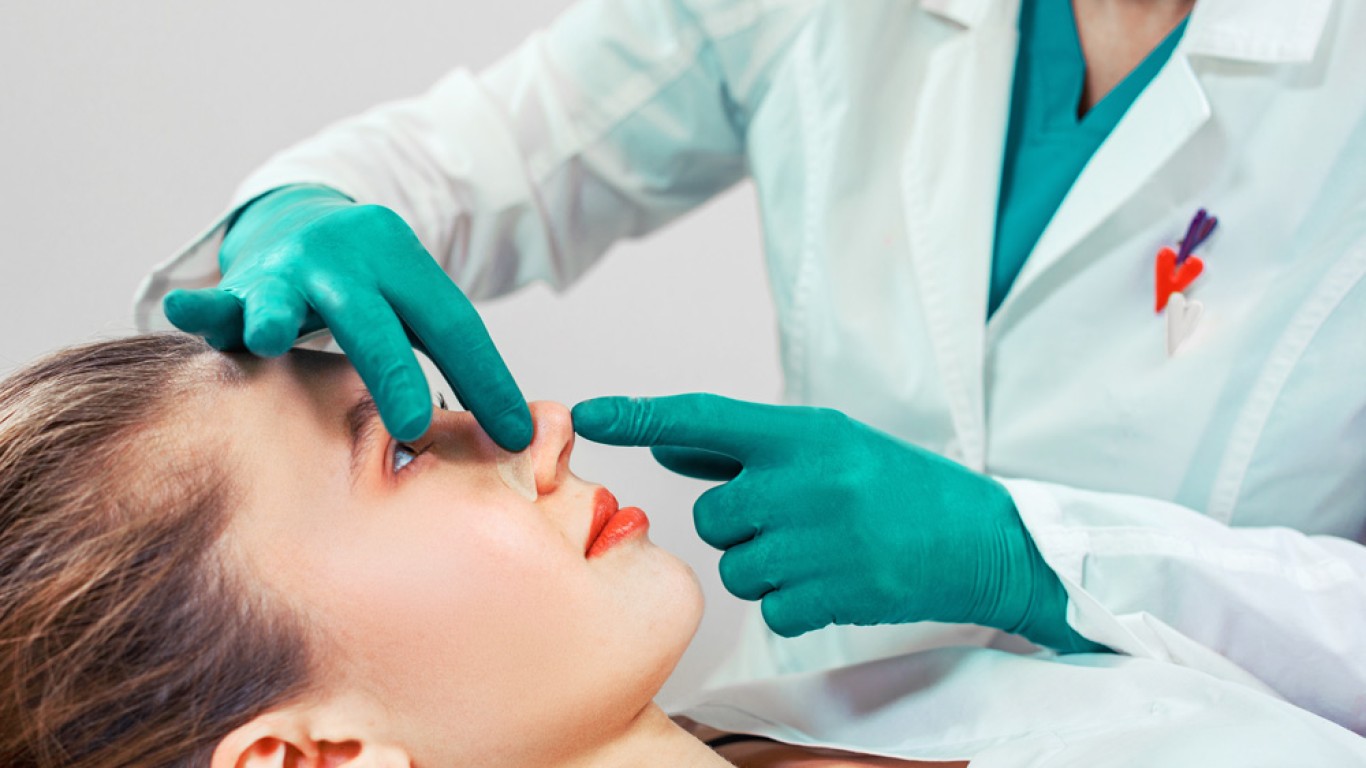
Alarplasty is a procedure that modifies the alar base of the nose. The alae are the outer walls of the nostrils. They form the curved outer edges of the nasal base. This procedure reduces the width or flare of these structures. The procedure narrows the nostrils for a more refined appearance. It also reduces nostril visibility when viewed from the front. It does not change the nasal bridge or tip. It specifically targets the lower nasal base. The surgery is relatively quick and recovery is straightforward. It is less complex than a full rhinoplasty procedure. Many patients choose this procedure as a standalone treatment.
How Alarplasty Works
The procedure uses precise tissue removal to narrow the nostrils. The surgeon removes a small wedge of tissue from each alar base. The incisions are placed within the natural crease where the nostril meets the cheek. This placement hides the resulting scar effectively. The technique varies depending on the specific concern being addressed. Nostril flare is reduced by removing tissue from the outer alar wall. Nostril width is reduced by removing tissue from the base. Some patients benefit from both approaches combined. The procedure is performed under local anaesthesia. Sedation may be added for patient comfort. This procedure takes approximately thirty to sixty minutes. Fine sutures close the incisions. The procedure is typically performed as a day case.
Who Benefits from Alarplasty?
Alarplasty suits patients with specific nostril concerns. Those with wide nostrils that appear disproportionate benefit most. Patients with excessive nostril flare find the procedure particularly helpful. Some patients have nostril asymmetry that this procedure can correct. The procedure suits adults in good general health. It is appropriate for patients who are satisfied with their nasal bridge and tip. Those wanting only nostril refinement do not need a full rhinoplasty. Patients who have previously had rhinoplasty sometimes add this procedure as a secondary refinement. It is important that candidates have realistic expectations about the degree of change achievable. Consultation assesses individual nasal anatomy carefully. The surgeon determines whether this alone is sufficient or whether rhinoplasty would be more appropriate.

Alarplasty vs Rhinoplasty
Patients often compare these two procedures. They address different nasal concerns. Rhinoplasty modifies the bridge, tip and overall nasal structure. It is a more extensive surgical procedure. Recovery is longer and more involved. Alarplasty focuses exclusively on the nostril base. It is less invasive and recovery is quicker. The procedures can be combined for comprehensive nasal refinement. This procedure alone suits patients whose only concern is nostril width or flare. Rhinoplasty suits patients wanting broader structural changes. Choosing between the two depends on individual anatomy and goals. An experienced surgeon advises which approach is most appropriate during consultation. This procedure is not a substitute for rhinoplasty when structural change is needed. Similarly, rhinoplasty does not always address nostril width adequately on its own.
Alarplasty Recovery: What to Expect
Recovery from alarplasty is straightforward and quick. Swelling around the nostrils is mild. Bruising is uncommon for most patients. Pain is minimal and managed with standard pain relief. The sutures are removed within five to seven days. Most patients return to work within three to five days. Social activities are comfortable within one week. Recovery requires avoiding strenuous exercise for two weeks. The nose should not be bumped or pressed during early healing. Sleeping with the head elevated reduces swelling. Glasses should be avoided for two weeks if they rest on the nasal base. Sun protection over the incision sites prevents scar darkening. Most patients find recovery significantly easier than after rhinoplasty. Full healing takes approximately four to six weeks. Scar maturation continues for up to twelve months.
Scarring After Alarplasty
Scarring is a common concern for alarplasty patients. The incisions sit within the natural nasal crease. This crease provides effective concealment. Scars fade from pink to skin tone over several months. Most patients find their scars virtually undetectable by six months. The scars are among the most discreet of any facial procedure. Silicone-based scar products support healing. Sun protection prevents permanent scar discolouration. Gentle scar massage from week three softens the tissue. Patients with darker skin tones should discuss scarring tendency during consultation. Keloid risk is higher in certain skin types. An experienced surgeon adjusts technique to minimise visible scarring for each individual patient. Regular follow-up appointments allow scar healing to be monitored closely. Early intervention can address any concerns before they become more noticeable. Most patients are pleasantly surprised by how discreet the scars become.
Alarplasty Results
Results from alarplasty are visible immediately. The nostrils appear narrower and more refined. Nostril flare is reduced when smiling. The nose appears more proportionate to the face. Swelling obscures the final result slightly during the first few weeks. Full results are typically visible at four to six weeks. This procedure produces permanent results. The removed tissue does not grow back. The change is structural and lasting. Most patients report high satisfaction with the improvement. The procedure creates subtle but noticeable refinement. Results look natural rather than obviously surgical. Before-and-after photographs help patients assess the expected degree of change during consultation. Results continue refining subtly as residual swelling resolves completely. The final appearance blends naturally with surrounding facial features and proportions.
Alarplasty Results and Patient Satisfaction
Alarplasty produces one of the highest satisfaction rates among facial procedures. The change is subtle but meaningful. Patients often describe looking more balanced rather than obviously different. Friends and family may notice an improvement without identifying what has changed. This natural quality is one of the procedure’s greatest strengths. The nose appears refined rather than surgically altered. Photographs from the front show the most noticeable difference. The nostrils sit closer together and appear more proportionate to the nasal bridge. Patients who felt self-conscious about nostril width often report significant improvement in confidence after healing.
The procedure is also well suited to patients of diverse ethnic backgrounds. Nostril width and flare vary naturally across different facial anatomies. An experienced surgeon respects individual facial harmony rather than applying a single standard. It should enhance existing features rather than erase ethnic characteristics. The goal is proportion and balance within the patient’s own facial framework. Cultural sensitivity during consultation ensures that the surgical plan reflects the patient’s personal aesthetic preferences. This individualised approach produces the most natural and satisfying outcomes across all patient groups.
Cost and Planning
Alarplasty pricing varies by location and clinic. UK pricing typically ranges from two thousand to four thousand pounds. Turkey offers the procedure at significantly lower pricing. All-inclusive Turkish packages commonly cover consultation, surgery, accommodation and aftercare. The procedure in Turkey typically costs between eight hundred and one thousand five hundred pounds. The price difference reflects lower operating costs rather than reduced quality. JCI-accredited Turkish clinics use modern facilities and experienced surgeons. Most patients stay three to five days when travelling for treatment. A remote consultation before travel confirms suitability and pricing. The procedure's quick recovery makes it well suited to medical tourism. Planning sufficient recovery time before returning home supports a comfortable experience. Patients should also attend all scheduled follow-up assessments.
Conclusion
Alarplasty is a targeted procedure that refines nostril width and flare. It narrows the nostrils for a more proportionate nasal appearance. The procedure is less invasive than rhinoplasty with a quicker recovery. Results are permanent and visible within four to six weeks. Scarring is minimal and well concealed within the natural nasal crease. It suits patients whose primary concern is nostril shape rather than overall nasal structure. Professional consultation determines whether the procedure alone or a combined approach is most appropriate. Turkey offers the procedure at competitive pricing with experienced facial surgeons. Careful planning and realistic expectations contribute greatly to patient satisfaction.
For more on nose procedures and to book a consultation visit the ACIBADEM Beauty Center Aesthetics page.
Frequently Asked Questions
A procedure that narrows the nostrils by removing tissue from the alar base.
No. Most patients return to work within three to five days.
Scars are hidden in the natural nasal crease and become virtually undetectable.
Yes, the two procedures are frequently combined for comprehensive nasal refinement.
Yes. The removed tissue does not grow back.