Ataşehir Mah. Feza Sk. No:3 İstanbul / Türkiye
 French
  English
  German
  Spanish
Introduction
Blepharoplasty, also known as eyelid surgery, rejuvenates the upper or lower eyelids. The procedure removes excess skin, fat or muscle to create a more refreshed and youthful appearance. Many patients seek the surgery to address hooded upper lids or puffy lower eyelids. Understanding what to expect after surgery helps patients prepare for the healing process. The blepharoplasty recovery timeline follows a predictable pattern over several weeks. Each phase brings specific changes and milestones. This article explains the blepharoplasty recovery timeline day by day from immediately after surgery through to final results. The information helps patients prepare for each stage of healing.
What Happens During Blepharoplasty?
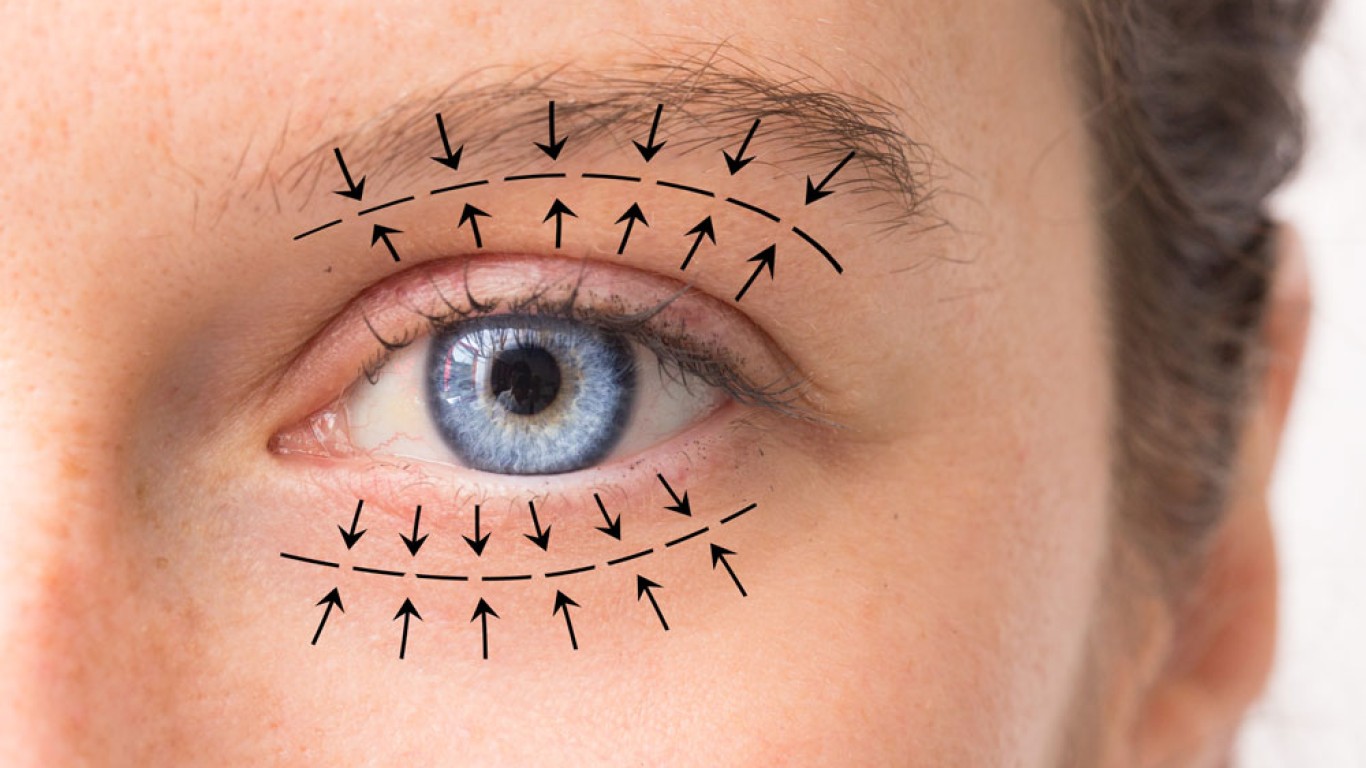
Blepharoplasty rejuvenates the eyelids through precise surgical techniques. Upper blepharoplasty removes excess skin and fat from the upper eyelids. The incision is placed in the natural crease to minimise visible scarring. Lower blepharoplasty addresses puffiness, bags and loose skin beneath the eyes. The incision may be placed on the lash line or inside the lower eyelid. The procedure typically takes one to two hours depending on whether upper, lower or both eyelids are treated. Local anaesthesia with sedation or general anaesthesia may be used. Most patients return home the same day. The surgery provides dramatic improvement in the appearance of the eye area.
Blepharoplasty Recovery Timeline: Day 1
The first day marks the start of the blepharoplasty recovery timeline. Patients wake from anaesthesia with their eyes feeling swollen and tender. Vision may be slightly blurry due to ointment applied during surgery. Cold compresses help manage swelling and discomfort. Pain medication keeps any discomfort manageable. Patients should rest with the head elevated. Reading, watching screens and other visual activities should be avoided. A friend or family member should help with basic tasks. Most patients feel tired from the anaesthesia. The eyes may water or feel dry. Following aftercare instructions from the first day supports the best healing.
Blepharoplasty Recovery Timeline: Days 2 to 3
Days two and three of the blepharoplasty recovery timeline typically show peak swelling and bruising. The eyes may appear puffy and discoloured. This can look alarming but is completely normal. Cold compresses applied gently around the eyes continue to help. Sleeping with the head elevated reduces overnight swelling. Patients should avoid bending, lifting or straining. Reading and screen time should be limited to prevent eye strain. Most patients feel some discomfort but rarely significant pain. Activities remain restricted. Rest is essential for optimal healing. Many patients describe this as the most visually challenging phase of recovery. Staying hydrated and maintaining a calm routine can help support the body during this stage.
Blepharoplasty Recovery Timeline: Days 4 to 7
Days four to seven of the blepharoplasty recovery timeline bring visible improvement. Swelling begins to decrease noticeably. Bruising starts to fade and changes colour as it resolves. Most patients feel much better. Light activities around the house become comfortable. Reading and screen use can usually resume with breaks. Sutures are typically removed around day five to seven if non-dissolvable stitches were used. The incision sites heal well and become less noticeable. Many patients feel ready to return to office work from home during this period. Social activities should still be avoided due to visible bruising. Confidence begins to return as the eyes appear more natural each day.

Blepharoplasty Recovery Timeline: Week 2
Week two of the blepharoplasty recovery timeline sees significant progress. Most visible bruising fades during this period. Residual swelling is much reduced. Many patients return to office work and light social activities. Makeup can typically be applied to cover any remaining bruising with surgeon approval. Sunglasses offer both comfort and discretion. The improvement in eye appearance becomes clear. Light exercise such as walking can resume. Strenuous activities should still be avoided. The blepharoplasty recovery timeline is progressing well by this stage. Most patients feel increasingly confident about their appearance as healing continues. Energy levels also improve, allowing a more normal daily routine to resume comfortably.
Weeks 3 to 4: Continued Healing
Weeks three and four of the blepharoplasty recovery timeline bring continued improvement. Most remaining swelling resolves during this period. The eyes look increasingly refreshed and natural. Moderate exercise can typically resume. Contact lens wearers can usually return to their lenses during this period. Any numbness or tightness gradually improves. The incision lines continue to fade. Most patients feel completely comfortable with social activities. The new eye appearance feels more natural. Photographs at this stage show the developing result clearly. Many patients report positive comments from friends and family about looking more refreshed. Confidence in appearance continues to grow steadily during this stage.
Months 2 to 3: Refinement Phase
Months two and three of the blepharoplasty recovery timeline show the result settling into place. Subtle residual swelling resolves during this period. The incision lines continue to mature and fade. Most patients can resume all normal activities without restriction. Sun protection around the eyes is essential to prevent pigmentation changes. The eyes look refreshed and the improvement is dramatic. Many patients describe looking years younger during this period. The new appearance feels natural and comfortable. Confidence in the result grows as the subtle swelling completely resolves and the final contour becomes apparent. Skin texture also appears smoother as healing completes.
Months 6 to 12: Final Results
Months six to twelve complete the blepharoplasty recovery timeline. The incision scars become virtually invisible over this period. Upper eyelid scars hide in the natural crease and become imperceptible. Lower eyelid scars along the lash line fade to near invisibility. The final result is stable and long-lasting. Patients enjoy their refreshed appearance confidently. The improvement in the eye area often has a significant impact on overall facial appearance. Most patients describe feeling like themselves again but more rested and alert. The results of blepharoplasty are among the longest-lasting in cosmetic surgery. Subtle refinements continue as the skin fully settles and blends naturally with surrounding tissue, enhancing the overall outcome.
Tips for a Smooth Recovery
Several tips support a smoother blepharoplasty recovery timeline. Following all aftercare instructions carefully is essential. Cold compresses during the first forty-eight hours reduce swelling significantly. Sleeping with the head elevated supports healing. Avoiding bending and lifting prevents strain on healing tissues. Keeping the eyes protected from sun exposure is important during early healing. Artificial tears help with any dryness. Avoiding rubbing the eyes protects the incisions. Eating a healthy diet supports tissue healing. Staying hydrated helps the body recover. Avoiding smoking is essential as it impairs healing and scar quality. Patience through the early swelling supports satisfaction with results. Wearing sunglasses outdoors also helps protect sensitive skin and supports more comfortable recovery during this period.
When to Contact Your Surgeon
Knowing when to contact the surgeon supports a safer blepharoplasty recovery timeline. Severe pain that does not respond to medication warrants attention. Significant vision changes should be reported immediately. Signs of infection such as increasing redness, warmth or discharge require urgent care. Any significant bleeding should be reported. Concerns about the appearance of healing deserve professional input. Most clinics provide a contact number for post-operative queries. Asking questions early prevents minor concerns from becoming bigger problems. Surgeons expect patient queries during recovery and welcome providing reassurance throughout the healing journey. Prompt communication helps ensure any unexpected changes are assessed and managed appropriately.
Conclusion
The blepharoplasty recovery timeline progresses through clear phases from the day of surgery to final results months later. The initial swelling and bruising gradually give way to dramatic rejuvenation of the eye area. Understanding what to expect helps patients prepare practically and emotionally for each phase of healing. Following aftercare instructions carefully and maintaining patience supports the best outcomes. The result is a refreshed, youthful appearance that typically lasts many years. Professional follow-up ensures optimal recovery throughout the process. The improvement justifies the patience required during the early healing phases. Consistent care and realistic expectations contribute significantly to long-term satisfaction with the final aesthetic result.
For more information and to book a consultation visit the ACIBADEM Beauty Center page.
Frequently Asked Questions
Initial recovery takes about two weeks; final results develop over several months.
Most patients return to office work within seven to ten days.
Makeup can typically be applied after one to two weeks with surgeon approval.
Scars are placed in natural creases and typically become virtually invisible.
Blepharoplasty results typically last many years and often over a decade.