Ataşehir Mah. Feza Sk. No:3 İstanbul / Türkiye
 French
  English
  German
  Spanish
Introduction
Breast augmentation continues to evolve as surgical techniques advance and patient preferences shift. Breast augmentation trends in 2026 reflect a movement toward results that look considered and individual. Patients are arriving at consultations with more sophisticated goals than previous generations. They have done more research and have a clearer sense of what they want. The days of the one-size-fits-all approach are firmly in the past. This article explores the key trends shaping patient choices and surgical practice this year. It covers implant preferences, technique innovations and recovery advances. It also examines the growing importance of personalisation throughout the process.
The Natural Look Dominates Breast Augmentation Trends in 2026
Demand for natural-looking results is the most consistent theme in breast augmentation trends in 2026. Patients increasingly want enhancement that integrates with their body proportions. They do not want results that draw attention to themselves as obviously surgical. This preference is visible in implant size choices. Patients are trending toward moderate and proportionate volumes. The largest available size is no longer the default aspiration. It is also visible in the growing popularity of anatomical implants. These produce a more natural slope than round devices. The rise of fat transfer to the breast also reflects this preference. Social media has reinforced this natural aesthetic shift significantly. Size selection is now guided by body frame and tissue volume rather than size requests.
Fat Transfer to the Breast: A Rising Breast Augmentation Trend in 2026
The growth of fat transfer is one of the most significant shifts in breast augmentation trends in 2026. It is increasingly used as a primary method or as an adjunct to implants. The procedure is also known as autologous fat grafting. It uses liposuction to harvest fat from the abdomen, flanks or thighs. This fat is processed and injected into the breasts to add natural volume. For patients wanting a modest increase of around one cup size, fat transfer can achieve results without implants. For patients having implant surgery, fat grafting to the upper pole softens the transition zone. It creates a more seamless appearance between the chest wall and the implant edge. The dual benefit of body contouring and breast enhancement makes it compelling within current trends.
Composite Augmentation and Personalisation
Composite augmentation combines a smaller implant with fat transfer. It achieves a result that is both volumetric and natural in texture. By reducing implant size, visible implant edges are softened. Fat is used to add upper pole subtlety and improve overall feel. The result has the longevity and projection of an implant. It also carries the natural feel and appearance of autologous tissue. This approach requires a surgeon experienced in both implant surgery and fat grafting. It particularly appeals to patients wanting meaningful size increase. It also suits those concerned about the implant appearing obvious under the skin. Composite augmentation illustrates the broader trend toward highly personalised procedures. Standardised solutions are being replaced by tailored surgical plans.
Implant Choices Shaping Breast Augmentation Trends in 2026
Implant preferences are shifting as part of breast augmentation trends in 2026. Round silicone implants with moderate projection remain the most widely chosen option. They remain popular among patients wanting reliable results with upper pole fullness. Anatomical implants continue to attract patients seeking a more natural slope. These particularly suit patients with limited existing breast tissue. Implant sizing is trending smaller compared with peaks in the 2010s. Patients are more likely to choose an implant that fits within their existing frame. High-profile implants remain popular among patients with a narrower chest base. The preference for silicone gel over saline has remained consistent. Silicone offers more natural feel and movement. Three-dimensional imaging tools are significantly influencing implant selection. They allow patients to visualise size and shape options before committing.
Technology and the Breast Augmentation Consultation in 2026
Technology is playing an increasingly central role in the patient experience. It is shaping how breast augmentation trends in 2026 are delivered in practice. Three-dimensional imaging systems generate simulations of augmentation results. They have moved from specialist clinics into mainstream practice. This transforms consultation from a verbal discussion into a visual planning session. Patients can compare different implant sizes, shapes and profiles on a representation of their own body. AI-assisted planning tools are beginning to help surgeons select implant dimensions more precisely. Digital follow-up platforms allow patients to submit photographs for remote clinical assessment. This reduces the need for unnecessary in-person appointments during recovery. These technologies enhance precision and predictability without replacing surgical skill.
Recovery Innovation and Minimally Invasive Adjuncts
Recovery planning and minimally invasive adjuncts form another strand of current trends. Patients are more informed about recovery than previous generations. Enhanced recovery protocols are increasingly standard at leading surgical centres. These reduce reliance on opioid pain relief and support faster return to activity. PRP therapy applied at the time of procedure supports tissue healing. Lymphatic massage in the early postoperative period reduces swelling duration. Post-surgical compression garments are better designed than in previous years. Patients are scheduling surgery more carefully around work and family commitments. This makes recovery planning a core part of the consultation conversation. It is no longer an afterthought considered only after the surgical decision is made. Digital recovery monitoring and virtual follow-up appointments are also becoming increasingly common across leading clinics.
Combined Procedures Are Increasingly Common
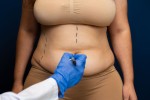
Combining breast augmentation with other procedures is another notable trend in 2026. The mommy makeover remains one of the most popular combined approaches. It typically combines augmentation with abdominoplasty and liposuction. Breast augmentation combined with a simultaneous lift is increasingly chosen. This particularly suits patients with volume loss and skin laxity after pregnancy. Combining augmentation with minor body contouring reduces total anaesthesia time. Surgeons report patients arriving at consultations having already decided on multiple procedures. They are requesting guidance on what can be safely combined in one session. This reflects the broader planning sophistication among patients seeking aesthetic surgery today. Combined procedures also allow patients to achieve more balanced overall body contouring within one recovery period.
Medical Tourism and Breast Augmentation Trends in 2026
Medical tourism continues to grow as a strand of breast augmentation trends in 2026. Patients from across Europe are choosing Turkey for their procedures. Several factors drive this. Pricing in Turkey is significantly lower than in the UK or France. JCI-accredited facilities meet international safety standards. Surgeons at leading centres are internationally trained. Many hold European or American board certifications. High procedural volumes create expertise and efficiency. All-inclusive packages simplify planning for international patients. These typically include accommodation, transfers and patient coordination. Digital consultation tools allow patients to plan remotely before travelling. Follow-up through video consultation continues care after returning home.
Turkey's combination of value and quality is a key attraction. ACIBADEM Beauty Center exemplifies this model. It offers accredited facilities, internationally trained surgeons and comprehensive patient care. Patients receive support before, during and after their procedure. This full patient journey is one reason why Turkey leads in breast augmentation for international patients. Many patients also appreciate shorter waiting times compared with some European healthcare systems.
Conclusion
Breast augmentation trends in 2026 are defined by personalisation and natural aesthetics. Patients are more informed than ever before. Natural-looking results and proportionate sizing are reshaping what patients seek. Techniques such as fat transfer and composite augmentation are growing in adoption. Recovery optimisation and combined procedures are standard patient expectations. Implant choices now reflect individual body type and personal aesthetic goals. Understanding these trends helps patients approach consultations with realistic, well-informed goals. It also helps them identify surgeons and clinics best placed to deliver their desired outcome. Patients most satisfied with their results arrive at consultation well-prepared. Understanding the trends shaping 2026 is a valuable part of that preparation. Ongoing advances in surgical planning and recovery continue improving comfort, efficiency and aesthetic outcomes for patients.
For more information on the latest breast augmentation trends for 2026 visit the ACIBADEM Beauty Center Breast Augmentation page.
Frequently Asked Questions
Natural-looking results, proportionate sizing and fat transfer are dominant themes. Composite augmentation and combined procedures are also shaping patient choices this year.
Yes, it is one of the fastest-growing options. It suits patients wanting a modest natural increase. It also complements implant surgery for a more seamless result.
On average, yes. The trend toward natural results has driven sizing toward moderate volumes. These fit within the patient's existing frame rather than maximising size.
It combines a smaller implant with fat transfer. This achieves natural texture and volume simultaneously, reducing visible implant edges while providing reliable projection.
Competitive pricing, JCI-accredited facilities and internationally trained surgeons make Turkey a leading destination. High procedural volumes add further appeal in 2026.