Ataşehir Mah. Feza Sk. No:3 İstanbul / Türkiye
 English
Introduction
Many patients ask whether breast reduction and lift surgery can be performed in one operation. The answer is yes, and the two procedures are very commonly combined. Large breasts often sag because of their weight and the effects of gravity. Reducing size alone would not create a youthful, lifted shape. Similarly, lifting heavy breasts without reducing them may give short-lived results. Combining both procedures addresses size and position together. This approach can relieve physical symptoms and improve breast shape. This article explains how the combined procedure works and who it suits. It also covers techniques, recovery, risks and long-term results.
Understanding Each Procedure
Breast reduction and breast lift have different main goals. Breast reduction removes excess breast tissue, fat and skin. Its main aim is to reduce size and relieve symptoms caused by heavy breasts. These symptoms may include neck, back and shoulder pain. Skin irritation beneath the breasts and grooves from bra straps are also common. A breast lift, also called mastopexy, raises and reshapes sagging breasts. It removes excess skin and moves the nipple to a higher position. A lift alone does not significantly change breast volume. Understanding these differences helps patients see why combining them is useful.
What Is a Combined Breast Reduction and Lift?
A combined breast reduction and lift reduces breast size while restoring a higher, firmer shape. In practice, most modern breast reductions already include lifting techniques. The surgeon removes excess tissue and reshapes what remains. The nipple and areola are moved upwards to a more youthful position. Stretched areolas can also be reduced in size. Excess skin is removed and the remaining skin is tightened. The result is a smaller, lifted and more proportionate breast. The operation is performed under general anaesthesia. It usually takes between two and four hours.
Why Breast Reduction and Lift Are Often Combined
Combining the two procedures offers several important advantages. Heavy breasts almost always sag to some degree. Reducing volume without lifting may leave the breasts low and flat. Lifting without reducing may allow the weight to stretch the skin again. Treating both concerns together creates a more balanced and longer-lasting result. Patients need only one anaesthetic and one recovery period. Combined surgery is also usually more cost-effective than two separate operations. Most importantly, it allows the surgeon to plan size and shape together.

Who Is a Good Candidate for Breast Reduction and Lift?
Good candidates have large breasts that also sag or droop. Many experience neck, back or shoulder pain due to breast weight. Some have skin irritation or rashes beneath the breasts. Others find it difficult to exercise or find clothes that fit well. Nipples that point downwards or sit below the breast crease are common features. Candidates should be in good general health and at a stable weight. Non-smokers heal better and face fewer complications. Women planning future pregnancies may prefer to wait, as pregnancy can change results. Realistic expectations about scarring and recovery are also essential.
Breast Reduction and Lift Techniques
Surgeons choose a technique based on breast size, sagging and skin quality. The following table summarises the most common approaches.
| Technique | Incision Pattern | Best Suited For |
| Vertical (lollipop) | Around the areola and down to the breast crease | Moderate reduction with moderate sagging |
| Inverted-T (anchor) | Around the areola, vertically and along the crease | Large reductions with significant sagging |
| Free nipple graft | Anchor pattern with the nipple removed and replaced | Very large reductions in selected patients |
In most cases, the nipple stays attached to a bridge of tissue that preserves its blood supply. The surgeon will recommend the technique that offers the safest and most balanced result.
Benefits of the Combined Procedure
The combined procedure offers both physical and aesthetic benefits. Many patients experience significant relief from neck, back and shoulder pain. Posture often improves once the weight of the breasts is reduced. Skin irritation beneath the breasts usually resolves. Exercise and physical activity often become easier and more comfortable. Clothing and swimwear fit better and more comfortably. The breasts look higher, firmer and more proportionate to the body. Many patients report greater confidence after surgery. Studies consistently show high satisfaction rates after breast reduction.
Preparing for Surgery
Preparation begins with a detailed consultation and examination. The surgeon measures the breasts and assesses skin quality and nipple position. Patients discuss their preferred size and shape with the surgeon. A breast scan may be recommended before surgery, depending on age and history. Smokers should stop at least four to six weeks beforehand. Certain medications and supplements may need to be paused. Patients should arrange help at home for the first week. Front-fastening tops and a supportive bra will make early recovery easier.
What Happens During the Operation
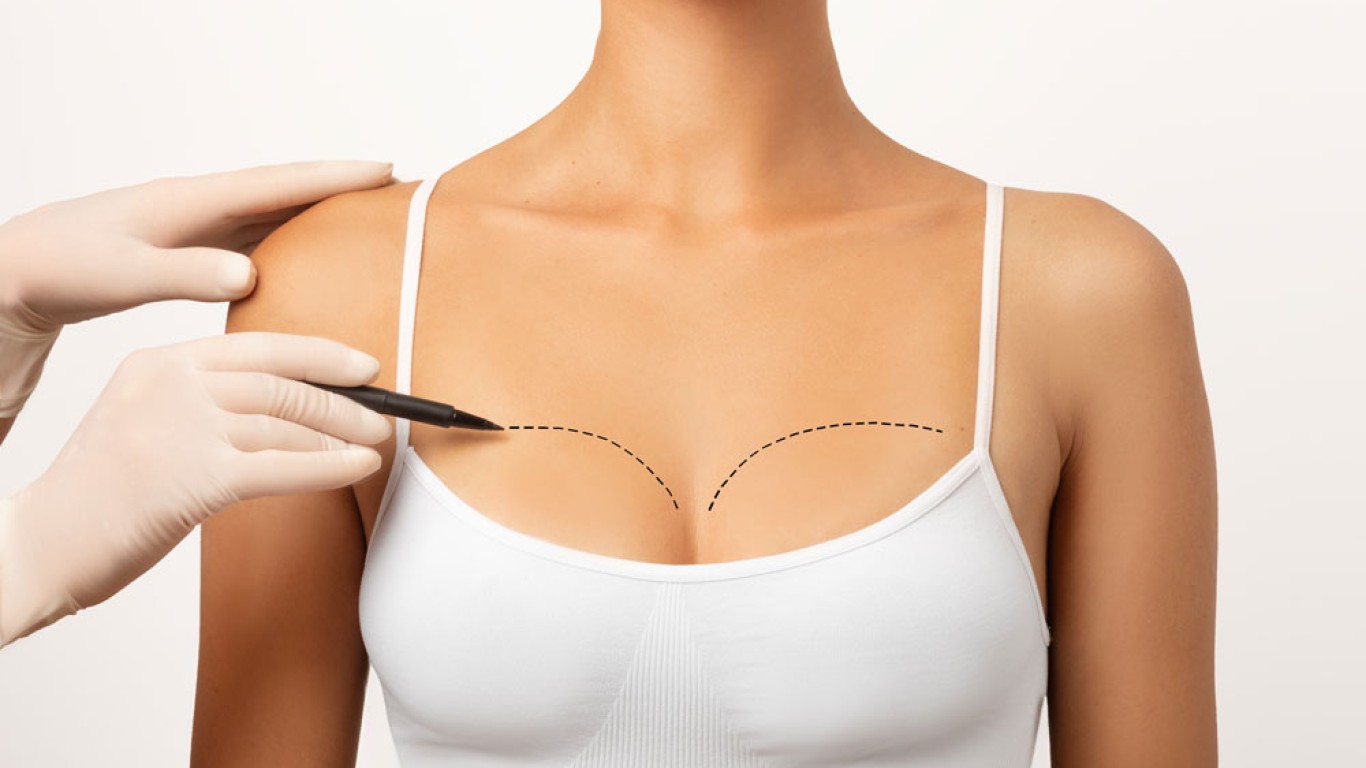
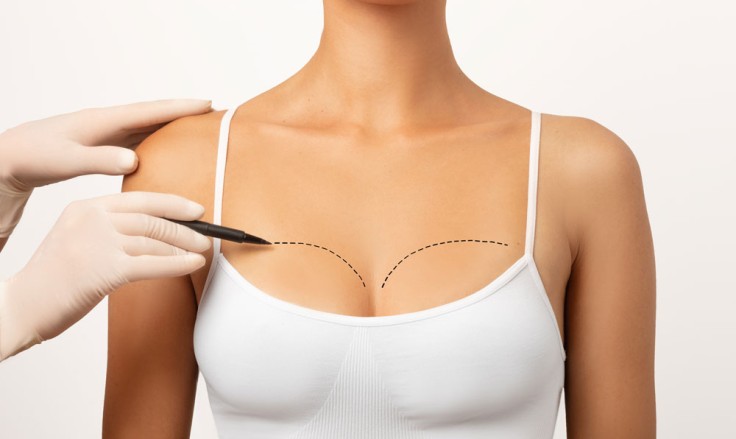
The surgeon marks the incision lines while the patient is standing. Surgery is then performed under general anaesthesia. Excess breast tissue, fat and skin are carefully removed. The remaining tissue is reshaped to create a lifted breast mound. Nipple and areola are moved to their new, higher position. The incisions are closed in layers with fine sutures. Small drains may be placed to remove excess fluid. A supportive surgical bra is fitted at the end of the procedure. Many patients stay in hospital for one night.
Recovery After Breast Reduction and Lift
Recovery takes several weeks, but most patients find it manageable. Soreness, swelling and tightness are common during the first week. Prescribed pain relief helps keep patients comfortable. Drains, if used, are usually removed within a few days. Patients wear a supportive surgical bra for around six weeks. Most patients return to desk-based work within two weeks. Heavy lifting and strenuous exercise should be avoided for about six weeks. Patients should sleep on their back during early recovery. Swelling gradually settles over the following months.
Scars and Scar Care
Scarring is an expected part of combined breast surgery. Scars usually sit around the areola and run down to the breast crease. With the anchor technique, a further scar follows the breast crease. Scars are often red and raised for the first few months. Over time, they usually fade to pale, flat lines. Silicone gel or sheets may help once the wounds have fully healed. Protecting scars from the sun prevents them from darkening. Most scars can be hidden comfortably beneath underwear and swimwear.
Future Pregnancy and Breastfeeding
Patients should consider future family plans before surgery. Pregnancy can stretch the breast skin and change breast shape. Weight changes during pregnancy may also affect results. Some patients prefer to wait until they have finished having children. Surgical techniques that preserve nipple attachment help protect milk ducts. However, breastfeeding ability may still be reduced after surgery. Patients should discuss these questions openly during consultation.
Conclusion
Breast reduction and lift can be performed together in a single operation. The combined procedure reduces breast size while restoring a higher, firmer shape. It can relieve pain, improve posture and enhance overall proportions. Recovery usually takes several weeks, with final results visible within a year. An experienced plastic surgeon can recommend the most suitable technique for each patient.
To learn more about breast reduction and lift surgery and to book a consultation, visit the ACIBADEM Beauty Center Breast Reduction webpage.
Frequently Asked Questions
Yes. Most breast reductions already include lifting and reshaping techniques.
The operation usually takes between two and four hours under general anaesthesia.
Yes. Scars are unavoidable but typically fade well over twelve to eighteen months.
Some women can, but breastfeeding may be reduced or not possible after surgery.
Most patients return to desk-based work within two weeks.