Ataşehir Mah. Feza Sk. No:3 İstanbul / Türkiye
 French
  English
  German
  Spanish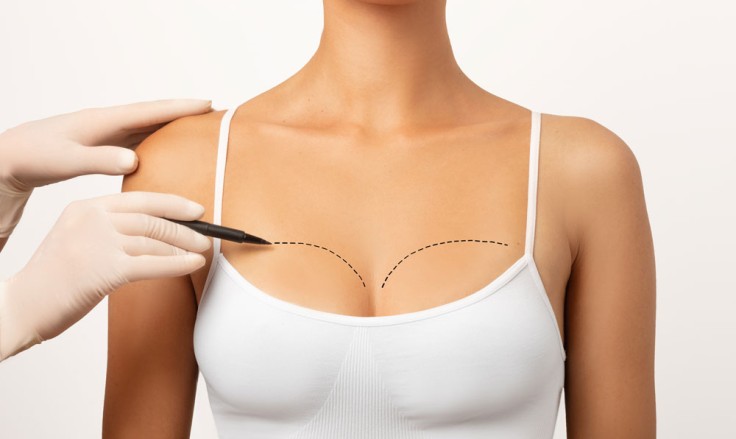
Introduction
Breast reduction, or reduction mammoplasty, is one of the most satisfying cosmetic and reconstructive procedures in modern plastic surgery. Many women seek reduction procedures for both functional and aesthetic reasons. The surgery reduces breast size, reshapes the breasts and lifts them to a youthful position. Patients considering a reduction mammoplasty typically have many questions about the procedure, recovery and results. Understanding the answers to common questions helps individuals make informed decisions. This article addresses seven of the most frequently asked questions about reduction surgery. The information supports patients in approaching their consultation. They leave with a clearer understanding of what the procedure involves and can achieve.
What Is Breast Reduction Surgery?
Breast reduction surgery, also known as reduction mammoplasty, removes excess breast tissue, fat and skin. The procedure creates smaller, lighter and more proportionate breasts. The surgeon makes incisions around the areola and down the centre of the breast. Excess tissue is removed through these incisions. The nipple and areola are repositioned higher on the breast. Remaining tissue is reshaped to create a more youthful contour. The procedure typically takes three to four hours under general anaesthesia. Most patients stay overnight in the hospital. Reduction mammoplasty produces immediate improvement in comfort, posture and appearance for women with large breasts.
Who Is a Good Candidate for a Reduction Procedure?
Good candidates for reduction procedures experience physical or emotional issues related to large breasts. Common physical concerns include back, neck and shoulder pain. Skin irritation beneath the breasts is another frequent issue. Grooves from bra straps often indicate the weight is excessive. Difficulty with physical activity and finding clothing that fits well are common complaints. Good general health supports safe surgery. Non-smokers or those willing to stop smoking before surgery are ideal candidates. Patients should be at a stable weight. Breast reduction works best for women who have finished having children and breastfeeding. A consultation evaluates individual suitability for the procedure.
How Long Does the Breast Reduction Recovery Take?
Breast reduction recovery follows a predictable timeline. The first week involves significant swelling and some discomfort. Most patients need someone to help at home during this period. Most return to office work within two to three weeks. Strenuous exercise should be avoided for six to eight weeks. Upper body workouts require surgeon approval typically around six weeks. Swelling continues to resolve over three to six months. Final reduction mammoplasty results develop gradually during this period. Scars fade over twelve to eighteen months. Most patients describe the recovery as manageable given the dramatic improvement in daily comfort that breast reduction surgery provides.
Will a Reduction Procedure Leave Scars?
Scarring is an important consideration for reduction mammoplasty patients. The standard technique produces three scars. One around the areola, one running vertically from the areola to the crease and one along the breast fold. Some patients are suitable for a vertical scar only technique without the horizontal component. Modern techniques minimise scar visibility. Scars fade significantly over twelve to eighteen months. They typically transition from pink to a softer flesh tone. Most patients consider the scars a worthwhile trade for the dramatic relief of symptoms. Scar care products and sun protection during healing support the best outcome from reduction surgery.

Can I Breastfeed After Reduction Mammoplasty?
Breastfeeding after a reduction procedure is possible for some women but not guaranteed. The surgery can affect milk ducts and the nipple sensation involved in breastfeeding. Modern techniques aim to preserve as much of the functional breast tissue as possible. Some women successfully breastfeed after undergoing a reduction mammoplasty. Others find they cannot produce enough milk or have reduced nipple sensation that affects breastfeeding. Women planning future pregnancies should discuss breastfeeding goals carefully with their surgeon. Some may choose to delay their reduction until after completing their family. The surgeon can recommend techniques that offer the best chance of preserving breastfeeding ability.
What Are the Risks of Breast Reduction?
Reducing your breast size surgically carries risks like any major procedure. Common considerations include swelling, bruising and temporary numbness. Infection is uncommon with proper protocols. Wound healing issues can occur particularly in smokers. Asymmetry between the breasts may develop. Changes in nipple sensation are common and sometimes permanent. Scarring varies between individuals. Revision surgery is occasionally needed. Choosing an experienced surgeon significantly reduces complication rates. Reduction mammonplasty has excellent safety records when performed by qualified specialists. Most patients are extremely pleased with their results despite these considerations. The benefits of symptom relief typically far outweigh the risks for appropriate candidates.
How Much Does Breast Reduction Cost?
Reduction mammoplasty cost varies significantly by location and technique. Private UK reduction procedures typically cost between seven thousand and ten thousand pounds. In Turkey the procedure is available for three to five thousand pounds as part of all-inclusive packages. The NHS sometimes covers reduction surgery when symptoms meet specific criteria. Criteria include documented physical problems and previous attempts at non-surgical management. The cost of a reduction mammoplasty reflects surgeon fees, hospital charges, anaesthesia and follow-up care. All-inclusive international packages often provide excellent value. Insurance coverage varies and should be explored before making decisions about funding the procedure.
Will Breast Reduction Affect My Long-Term Body Shape?
Breast reduction produces lasting changes to body shape. The surgery permanently reduces breast size. Results typically remain stable over many years. Weight changes can affect the breasts as they do other body areas. Significant weight gain may cause some increase in breast size. Pregnancy and breastfeeding can alter the breasts. The ageing process continues naturally. Most patients maintain good results for decades. The improvement in posture, reduced back pain and enhanced quality of life persist throughout this period. Many reduction mammoplasty patients describe the surgery as life-changing. The combination of physical comfort and aesthetic improvement typically provides lasting satisfaction.
What Results Can I Expect?
Breast reduction produces dramatic and satisfying results for appropriate candidates. Physical symptoms typically resolve significantly. Back, neck and shoulder pain usually improve within weeks of surgery. Exercise becomes easier and more enjoyable. Clothing choices expand considerably. Confidence typically grows alongside the physical improvements. The aesthetic results include smaller, lifted and more youthful breasts. The nipple position improves. Overall body proportions appear more balanced. Most reduction patients describe extremely high satisfaction levels with their results. The combination of symptom relief and improved appearance makes reduction mammoplasty one of the most rewarding procedures in cosmetic surgery for appropriate patients.
Choosing the Right Surgeon
Choosing the right surgeon is the most important decision in planning breast reduction. The surgeon should be board certified in plastic surgery. Specific experience with reduction procedures is essential. Before and after photographs of previous patients demonstrate the surgeon's work. Patient reviews provide insight into the overall experience. The consultation should feel comprehensive and unhurried. The surgeon should explain the procedure clearly and address all questions. Hospital accreditation ensures appropriate facilities. Insurance for medical complications abroad is important for international patients. Professional credentials and clear communication during consultation support the best reduction outcomes. Time spent selecting the right surgeon pays lasting dividends.
Conclusion
Breast reduction surgery offers significant improvements in both physical comfort and appearance for appropriate candidates. Common questions cover the procedure itself, recovery, scarring, breastfeeding, risks, cost and long-term results. Understanding these aspects helps patients approach consultation with realistic expectations. Reduction mammoplasty consistently ranks among the most satisfying procedures in cosmetic surgery. Most patients describe dramatic improvements in quality of life alongside the aesthetic benefits. Choosing an experienced surgeon and following aftercare instructions supports the best outcomes. Overall, professional consultation ensures personalised planning for each patient considering this life-changing procedure.
For more information and to book a consultation visit the ACIBADEM Beauty Center Breast Reduction page.
Frequently Asked Questions
Most patients return to work within two to three weeks.
Yes, but scars fade significantly over twelve to eighteen months.
Breastfeeding is sometimes possible but cannot be guaranteed.
Prices range from three to ten thousand pounds depending on location.
Yes, reduction mammoplasty produces lasting changes over many years.