Ataşehir Mah. Feza Sk. No:3 İstanbul / Türkiye
 English
Introduction
Many patients considering a tummy tuck want to know whether a visible six-pack is achievable after surgery. The question reflects a desire for a flat, toned abdomen beyond simply removing excess skin. A tummy tuck changes the abdominal wall structurally. Understanding what it does and does not do helps patients set realistic goals for their post-surgical physique. This article explains whether a six-pack after a tummy tuck is possible and what factors determine the outcome.
What a Tummy Tuck Does to the Abdominal Muscles
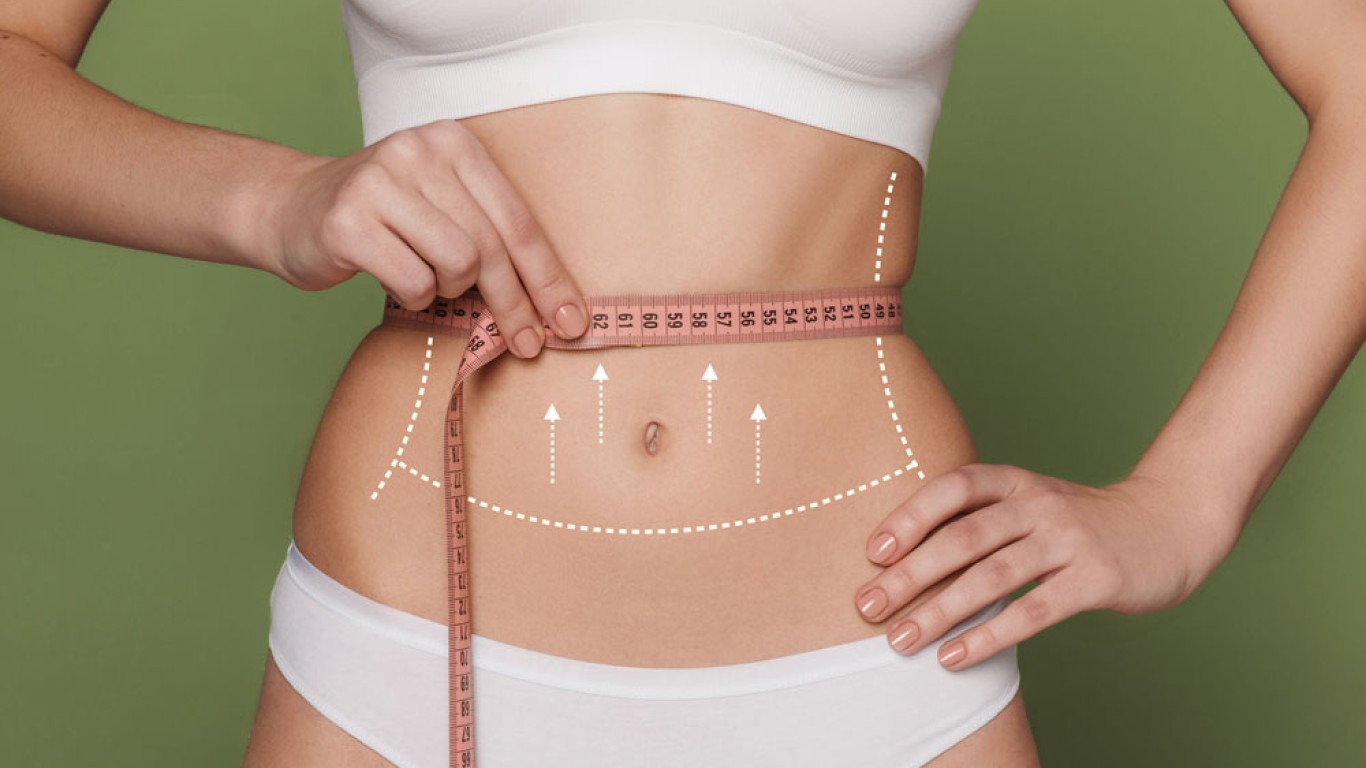
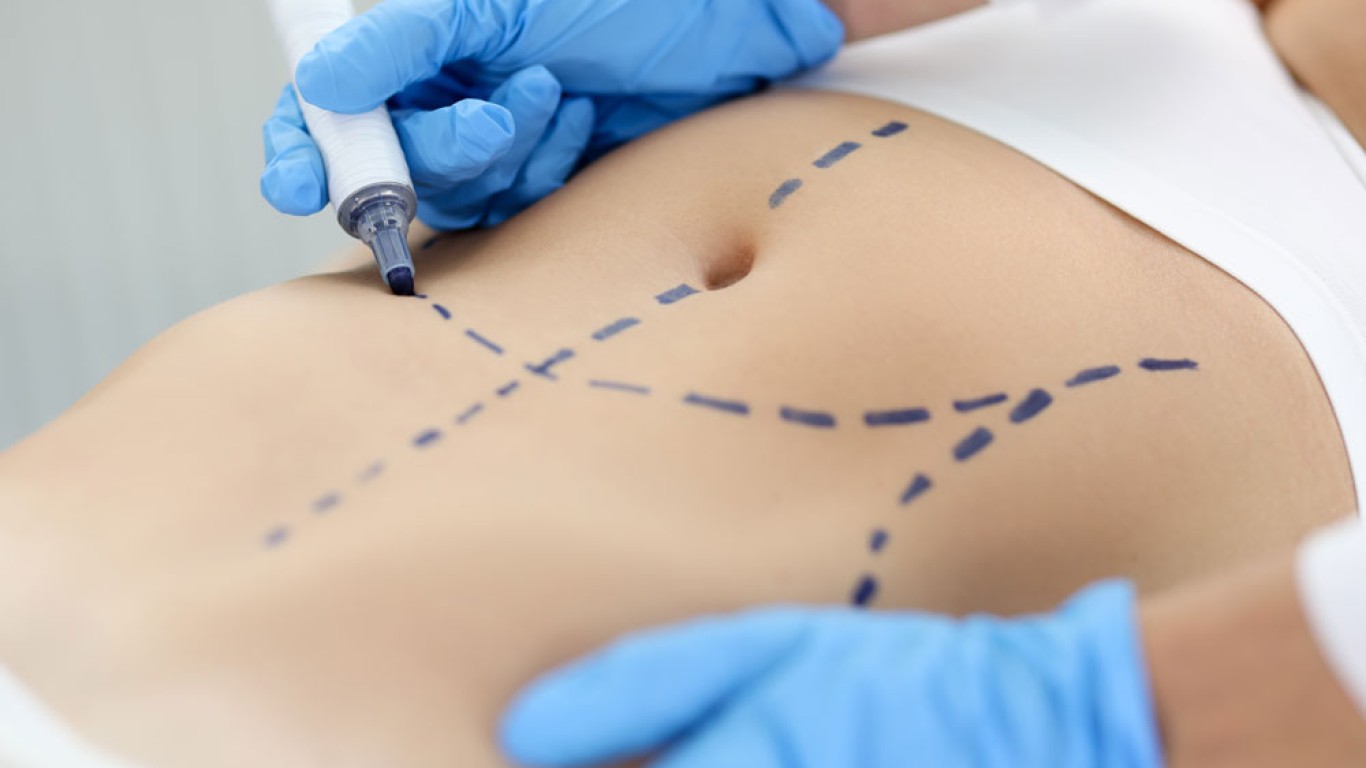
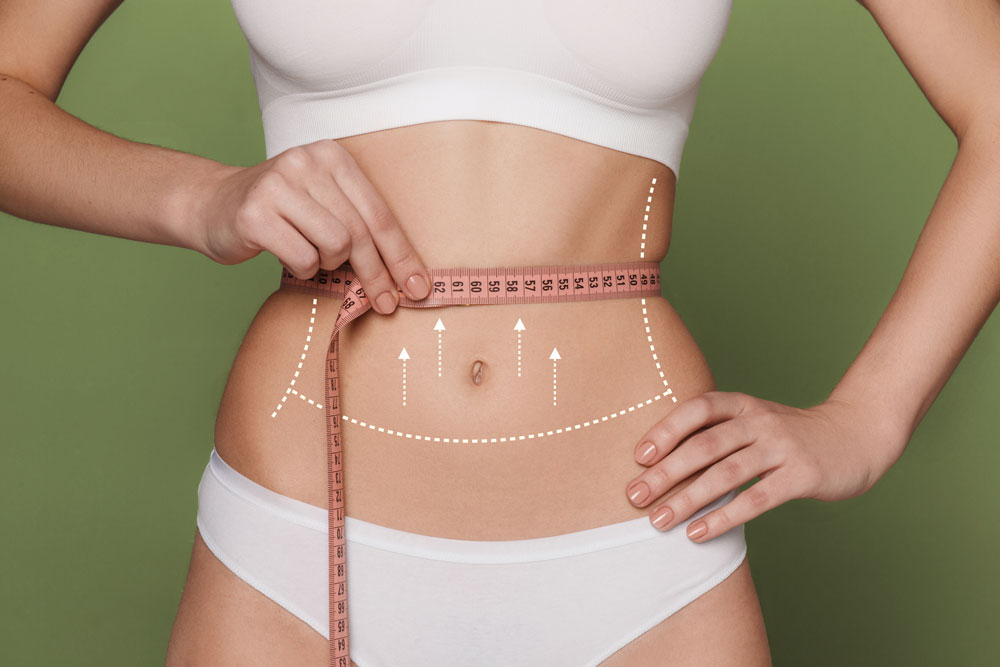
A tummy tuck tightens the rectus abdominis muscles. These are the paired muscles that run vertically down the front of the abdomen. They are the muscles responsible for the six-pack appearance. Pregnancy and significant weight gain stretch the connective tissue between these muscles. The gap that develops is called diastasis recti. A tummy tuck repairs this gap by suturing the muscles back together at the midline. After a tummy tuck the abdominal wall is tighter and flatter than it has been in years. Muscles are repositioned close together. The waist narrows. The abdomen projects less. After a tummy tuck the foundation for abdominal definition is restored. However, the surgery alone does not create a visible six-pack. It creates the structural platform upon which muscle definition can develop through exercise and diet.
Can You See a Six-Pack After a Tummy Tuck?
Potentially, yes. Following a tummy tuck the abdominal wall is tight. The muscle repair brings the rectus muscles together. If body fat percentage is low enough, the muscle definition beneath the skin becomes visible. This is the six-pack appearance. After a tummy tuck the barrier that prevented visible definition is removed. Before surgery, the separated muscles, excess skin and subcutaneous fat concealed any underlying muscle development. After a tummy tuck these barriers are eliminated. The tightened muscles and reduced skin allow whatever muscle definition exists to show through. Following a tummy tuck a six-pack depends on two additional factors. First, the patient must develop the abdominal muscles through targeted exercise. Second, body fat percentage must be low enough for the muscles to be visible beneath the skin. The surgery provides the structure. Exercise and diet provide the definition.
After a Tummy Tuck: The Role of Body Fat
Body fat is the primary determinant of visible abdominal definition. After a tummy tuck the muscle wall is tight. But subcutaneous fat between the muscle and the skin conceals the definition beneath. Even well-developed abdominal muscles are invisible under a layer of fat. After a tummy tuck visible six-pack definition requires body fat percentage in the range of twelve to fifteen percent for men and eighteen to twenty-two percent for women. Above these levels, the fat layer obscures the muscle contour.
Following a tummy tuck the surgery removes some subcutaneous fat. However, it does not eliminate all of it. If the patient's body fat remains above the threshold for visible definition, the six-pack will not appear regardless of how tight the muscles are. Following a tummy tuck patients wanting visible definition must commit to both exercise and nutrition. The surgery is the first step. The lifestyle that follows determines whether the six-pack becomes visible.
After a Tummy Tuck: The Role of Exercise
Exercise builds the muscle that creates the six-pack appearance. After a tummy tuck the repaired muscles are the foundation. They need to be developed through targeted abdominal training once healing permits. Following a tummy tuck exercise restrictions apply for six to eight weeks. Core exercises are the last to resume. The muscle repair must heal fully before being loaded. Premature abdominal training risks disrupting the sutures.
After a tummy tuck abdominal exercises typically resume at eight to twelve weeks with surgeon clearance. Start gently. Planks, gentle crunches and pelvic tilts build strength gradually. Increase intensity progressively over weeks. Following a tummy tuck patients who commit to consistent abdominal training develop visible definition. The repaired muscle wall responds to exercise effectively. The tight skin reveals the muscle contour as it develops. After a tummy tuck the combination of muscle repair, exercise and appropriate body fat produces the best chance of visible six-pack definition.
After a Tummy Tuck: Abdominal Etching
Some surgeons offer abdominal etching as an additional procedure. After a tummy tuck abdominal etching uses liposuction to sculpt the fat layer over the rectus muscles. Fat is selectively removed from the grooves between the muscle segments. The six-pack lines are literally carved into the fat layer. Following a tummy tuck abdominal etching produces immediate visible definition without requiring the extremely low body fat that natural definition demands. The technique suits patients who want the six-pack appearance without the dietary discipline needed to achieve it through body fat reduction alone. Following a tummy tuck abdominal etching is not appropriate for every patient. Sufficient subcutaneous fat must be present for sculpting. The patient must be near their target weight. The results look most natural on patients with some underlying muscle development. Following a tummy tuck abdominal etching combined with the muscle repair produces the most dramatic cosmetic abdominal result achievable.
Realistic Expectations
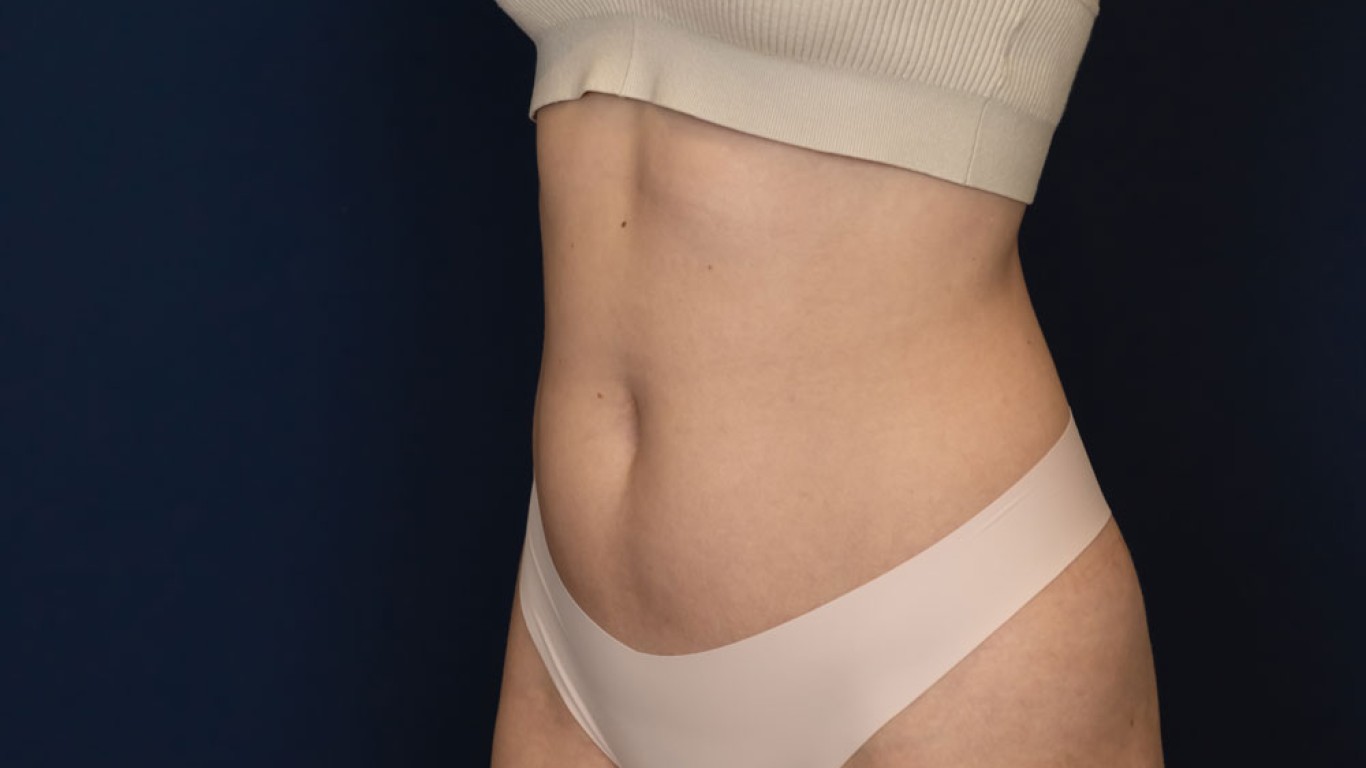
Expectations should be calibrated honestly. After a tummy tuck most patients achieve a flat, firm abdomen. This alone is a transformative result for patients who lived with separated muscles, loose skin and abdominal protrusion. Following a tummy tuck a flat abdomen is achievable for virtually all patients who heal normally and maintain a stable weight. After a tummy tuck visible six-pack definition is achievable for a subset of patients. Those who were athletic before pregnancy or weight gain have existing muscle mass to reveal. Those willing to train consistently and maintain low body fat can develop visible definition.
Following a tummy tuck a six-pack is realistic for motivated patients but not automatic. Following a tummy tuck patients who expect a six-pack without exercise or dietary effort will be disappointed. The surgery provides the foundation. The patient builds the visible result on top of it. Patients who commit to both the surgical recovery and the ongoing fitness lifestyle achieve the most impressive outcomes.
Conclusion
A visible six-pack following a tummy tuck is achievable for motivated patients. The surgery repairs separated muscles and creates a tight abdominal wall. Exercise develops the muscle. Low body fat reveals the definition. Abdominal etching offers a surgical shortcut to visible definition. Most patients achieve a flat, firm abdomen which is itself a significant improvement. Six-pack definition requires additional commitment to fitness and nutrition. Professional guidance ensures safe exercise return. Turkey offers tummy tuck with optional abdominal etching at competitive pricing.
To find out more information about tummy tucks and to book a consultation visit the ACIBADEM Beauty Center Aesthetics page.
Frequently Asked Questions
Yes, with exercise and low body fat. The surgery creates the foundation. Fitness builds the visible result.
Eight to twelve weeks with surgeon clearance. Start gently and build gradually.
Liposuction that sculpts the fat layer to create visible six-pack lines without extreme body fat reduction.
Unlikely without exercise and dietary commitment. Surgery creates the flat foundation. Definition requires fitness.
Six to twelve months. Swelling must resolve and muscle must develop through training.