Ataşehir Mah. Feza Sk. No:3 İstanbul / Türkiye
 English
Introduction
Laser treatment for fine lines is a popular option for patients who want smoother skin without injections or surgery. Fine lines often appear first around the eyes, mouth and forehead. They are caused by collagen loss, sun damage and repeated facial movement. Over time, these lines can deepen into more noticeable wrinkles. Lasers can renew the skin surface and stimulate fresh collagen. Many patients notice smoother, firmer and more even skin after treatment. This article explains how lasers reduce fine lines and which options are available. It also covers sessions, recovery, results and suitability.
Why Fine Lines Develop
Collagen and elastin keep young skin smooth and resilient. Production of both slows gradually from early adulthood. Sun exposure accelerates their breakdown. Repeated expressions, such as smiling and squinting, crease the skin over time. Smoking and pollution add further damage. Dehydration can make fine lines more visible. Together, these factors create the fine lines that many people notice.
How Laser Treatment for Fine Lines Works
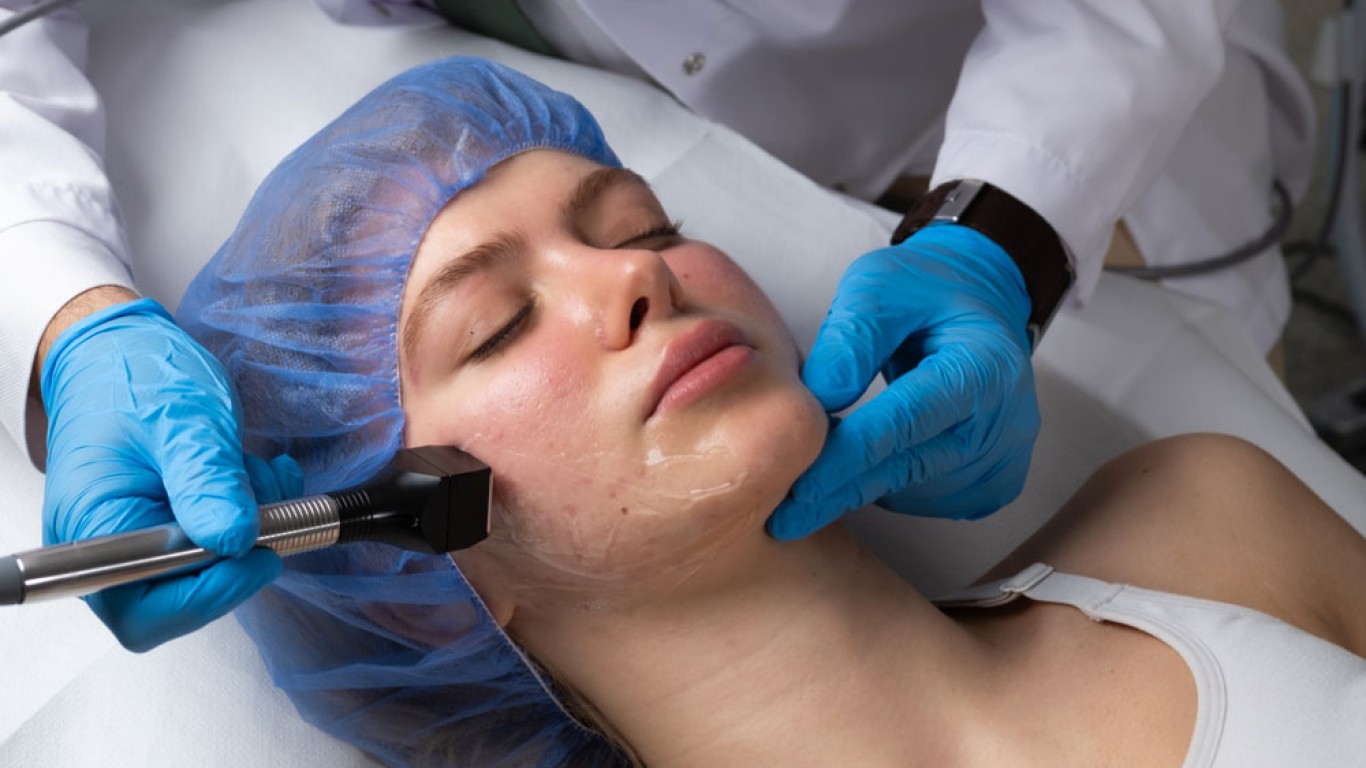
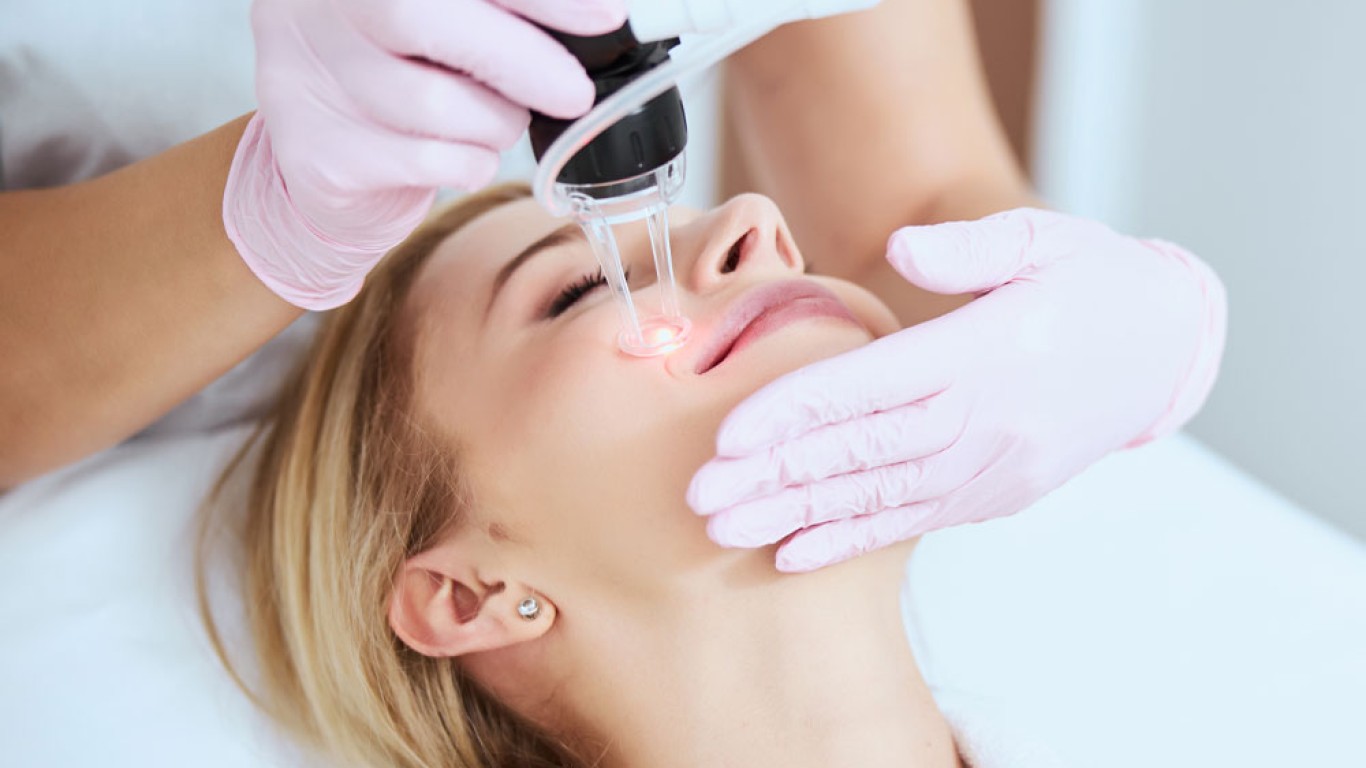
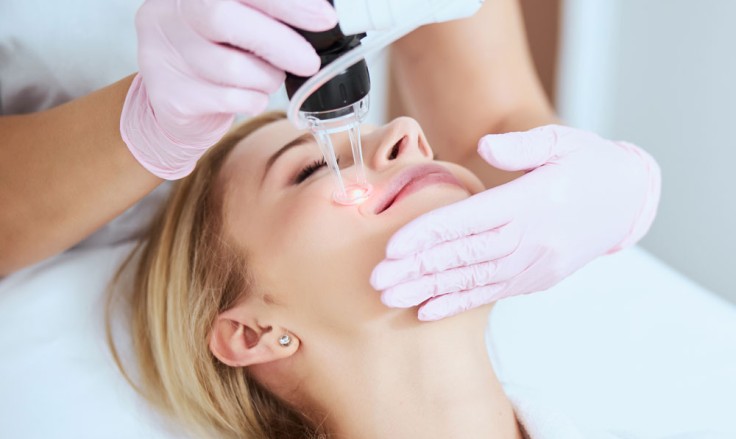
Lasers deliver controlled light energy into the skin. This energy creates tiny areas of heat or micro-injury. In response, the skin builds fresh collagen and elastin. Over the following months, the skin becomes firmer and smoother. Ablative lasers also remove thin layers of damaged surface skin. Fresh, smoother skin then forms as the area heals. Non-ablative lasers heat deeper layers without breaking the surface. Both approaches can reduce the appearance of fine lines.
Types of Laser Treatment for Fine Lines
Several laser types can treat fine lines. The following table compares them.
| Laser Type | Strength of Effect | Typical Downtime |
| Non-ablative fractional laser | Gradual improvement over several sessions | One to three days |
| Fractional erbium laser | Moderate improvement with surface renewal | Around four to seven days |
| Fractional CO₂ laser | Strong improvement for deeper lines | Around five to ten days |
| Picosecond laser | Gentle collagen stimulation and tone improvement | Minimal |
The practitioner will recommend a laser based on skin type, concerns and downtime preferences.

Is Laser Treatment for Fine Lines Effective?
Lasers are an effective option for fine lines caused by sun damage and collagen loss. Many patients see smoother texture and softer lines after a course. Ablative lasers usually produce more dramatic improvement in fewer sessions. Non-ablative lasers produce subtler change with less downtime. Lasers work best on static lines that are visible at rest. Lines caused mainly by muscle movement may respond better to Botox. Combining both treatments often produces the best results.
Areas Commonly Treated
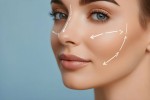
Lasers can treat fine lines on many areas of the face. Crow's feet around the eyes are a common concern. Fine lines around the mouth, including smoker's lines, also respond well. Forehead lines can be softened, especially when combined with Botox. Cheek lines and crepey texture often improve with fractional lasers. The neck and chest can also be treated with suitable settings. Delicate areas require careful energy levels and protection.
How Many Sessions Are Needed?
The number of sessions depends on the laser and the depth of lines. Non-ablative lasers usually need three to five sessions. These sessions are typically spaced four weeks apart. Ablative lasers may need only one or two sessions. However, these sessions involve longer recovery. Maintenance treatments once a year help preserve results.
Who Is a Good Candidate for Laser Treatment for Fine Lines?
Good candidates have fine lines, crepey texture or mild sun damage. Patients should be generally healthy and have realistic hopes for results. Patients with lighter skin tones often tolerate a wide range of lasers. Darker skin tones can be treated with carefully selected lasers and settings. Any active skin infection should clear before treatment. Those taking certain medications may need to pause them first. A consultation helps confirm suitability and the best laser choice.
Preparing for Treatment
Good preparation helps reduce side effects. Patients should avoid sun exposure and tanning for several weeks beforehand. Retinoids and exfoliating products may need to be paused for a few days. Antiviral medicine may be advised for people prone to cold sores. Some practitioners recommend pre-treatment skincare for darker skin tones. Patients should arrange time off if having an ablative treatment.
Recovery After Laser Treatment for Fine Lines
Recovery varies with laser strength. After non-ablative treatment, redness and mild swelling usually settle within a few days. The skin may feel dry or rough as it renews. After ablative treatment, the skin may weep, crust and peel for around a week. Pinkness may last several weeks afterwards. Gentle cleansing and rich moisturisers support healing. Patients must avoid picking or scratching the healing skin. Strict daily sunscreen is essential throughout recovery.
When Results Appear
Some smoothness is visible once the skin has healed. However, collagen continues to build for three to six months. Fine lines soften gradually over this period. Results after a full course can last a year or longer. Ablative laser results may last several years with good skincare. Natural ageing continues, so maintenance is helpful.
Combining Laser Treatment for Fine Lines With Other Treatments
Lasers work well alongside other anti-ageing treatments. Botox relaxes muscles that create expression lines. Fillers restore volume in deeper folds that lasers cannot correct. Skin boosters improve hydration between laser sessions. Topical retinoids help maintain collagen production over time. A practitioner will plan the timing of each treatment carefully.
Professional Care and Personalised Treatment
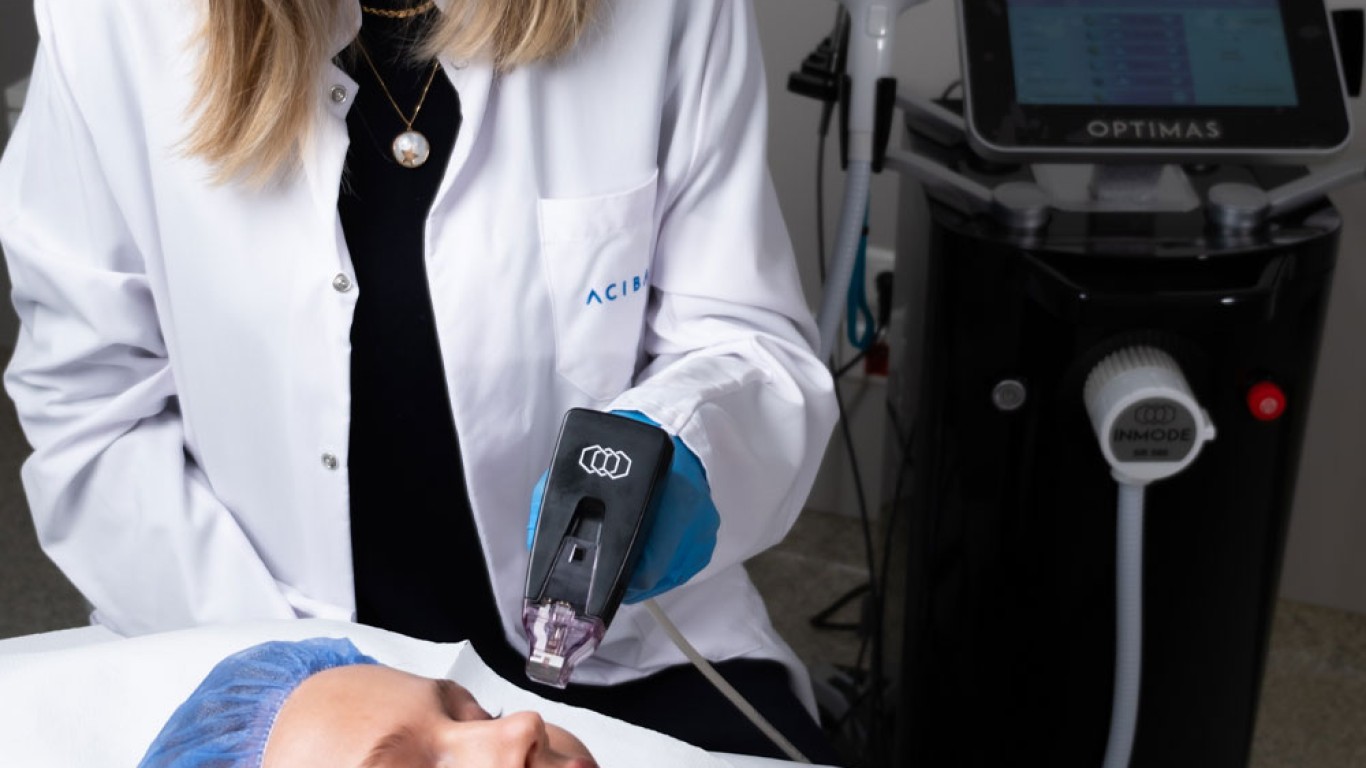
Achieving smooth, natural-looking results starts with expert assessment and treatment planning. A qualified practitioner will evaluate skin type, fine lines and individual concerns. They will select suitable laser technology and adjust settings accordingly. Patients receive tailored guidance before, during and after treatment. Clear aftercare advice helps support healing and maintain results. Regular follow-up appointments allow progress to be reviewed and treatment plans adjusted when needed.
Choosing a Practitioner
Lasers require medical expertise to use safely. Patients should choose a qualified dermatologist or aesthetic doctor. The clinic should offer suitable lasers for different skin types. The practitioner should assess the skin carefully before treatment. Clear aftercare instructions are a sign of good practice.
Laser for the Eye and Mouth Areas
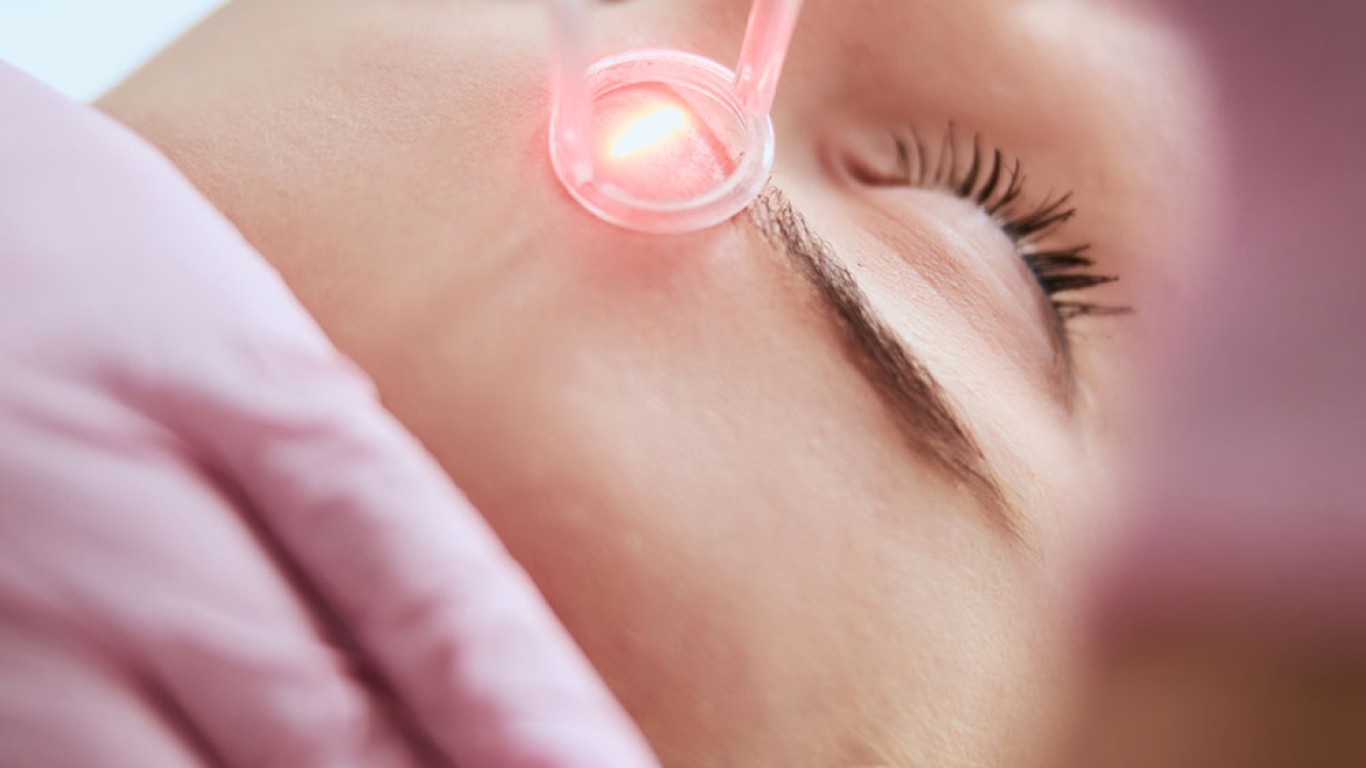
The skin around the eyes and mouth needs particular care. Crow's feet often respond well to gentle fractional lasers. Protective shields cover the eyes during treatment. Lines around the lips can be softened with careful resurfacing. Smoker's lines may need stronger settings for noticeable change. Healing in these areas can take slightly longer. A skilled practitioner adjusts settings for each delicate zone.
Aftercare Tips
Good aftercare improves comfort and results. Patients should cleanse with lukewarm water and a mild cleanser. Rich, soothing moisturisers help the skin recover. Makeup is best avoided until the surface has healed. Heat, saunas and hard exercise should wait for a few days. Sunscreen and a wide-brimmed hat protect the skin outdoors. Picking at flaking skin should always be avoided.
Conclusion
Laser treatment for fine lines can smooth skin and soften lines by stimulating new collagen. Non-ablative lasers offer gradual improvement with little downtime. Ablative lasers provide stronger results but require longer recovery. Results develop over several months and can last a year or more. Combining laser with Botox or fillers often gives the most complete improvement.
To learn more about laser treatment for fine lines, visit the ACIBADEM Beauty Center Skin Treatments webpage.
Frequently Asked Questions
Laser can significantly soften fine lines, although complete removal is not always possible.
Most patients need three to five gentle sessions or one to two stronger sessions.
They treat different causes, and many patients benefit from both.
Recovery ranges from a few days to around a week, depending on the laser.
Results can last a year or longer with good skincare and sun protection.