Ataşehir Mah. Feza Sk. No:3 İstanbul / Türkiye
 English
Introduction
Laser resurfacing vs microneedling are two of the most widely used skin texture treatments. Both aim to reduce scarring, fine lines and uneven tone by encouraging the skin to repair itself. However, they work in different ways and suit different patients. Neither treatment is better for everyone, as the right choice depends on your goals. Downtime, budget and the number of sessions you are willing to attend also matter. This guide compares the two treatments side by side to help you prepare. It covers how each works, what results to expect and who each option suits.
How Laser Resurfacing Works
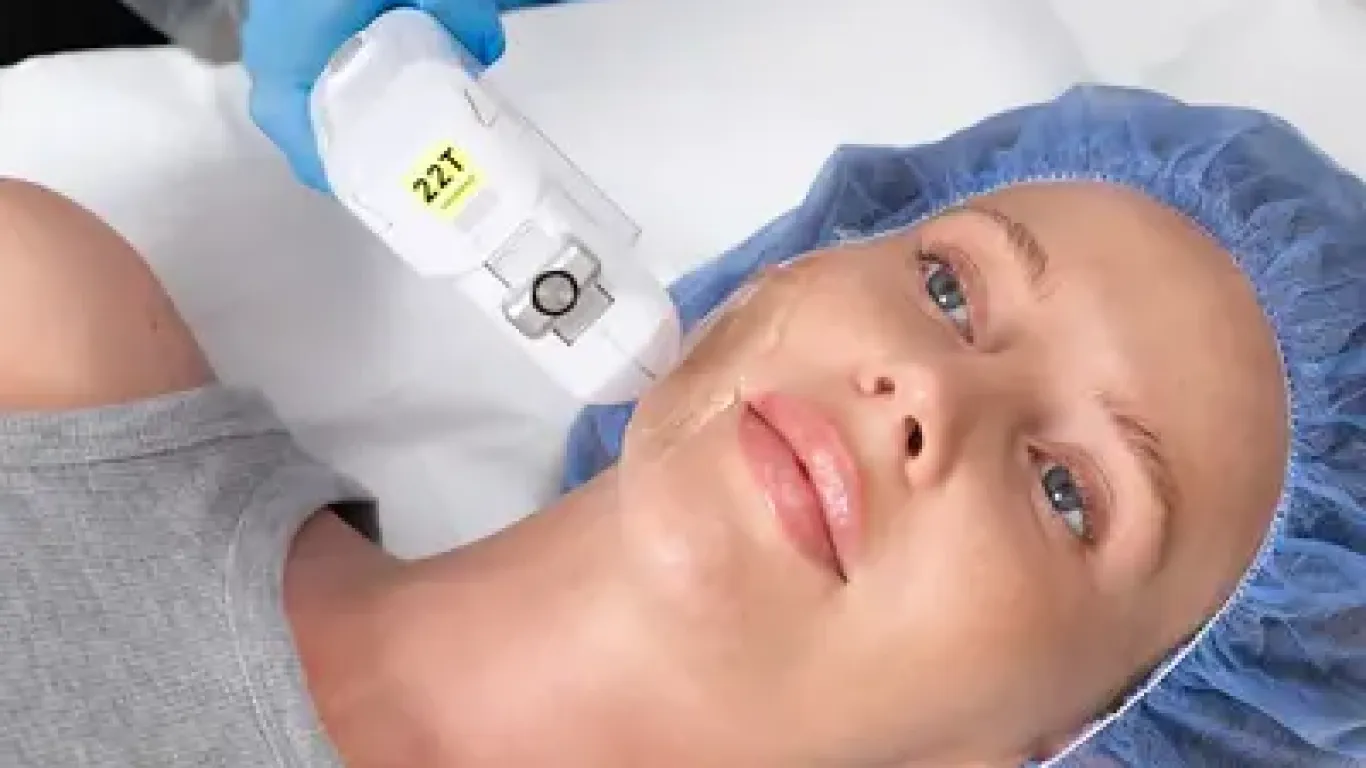
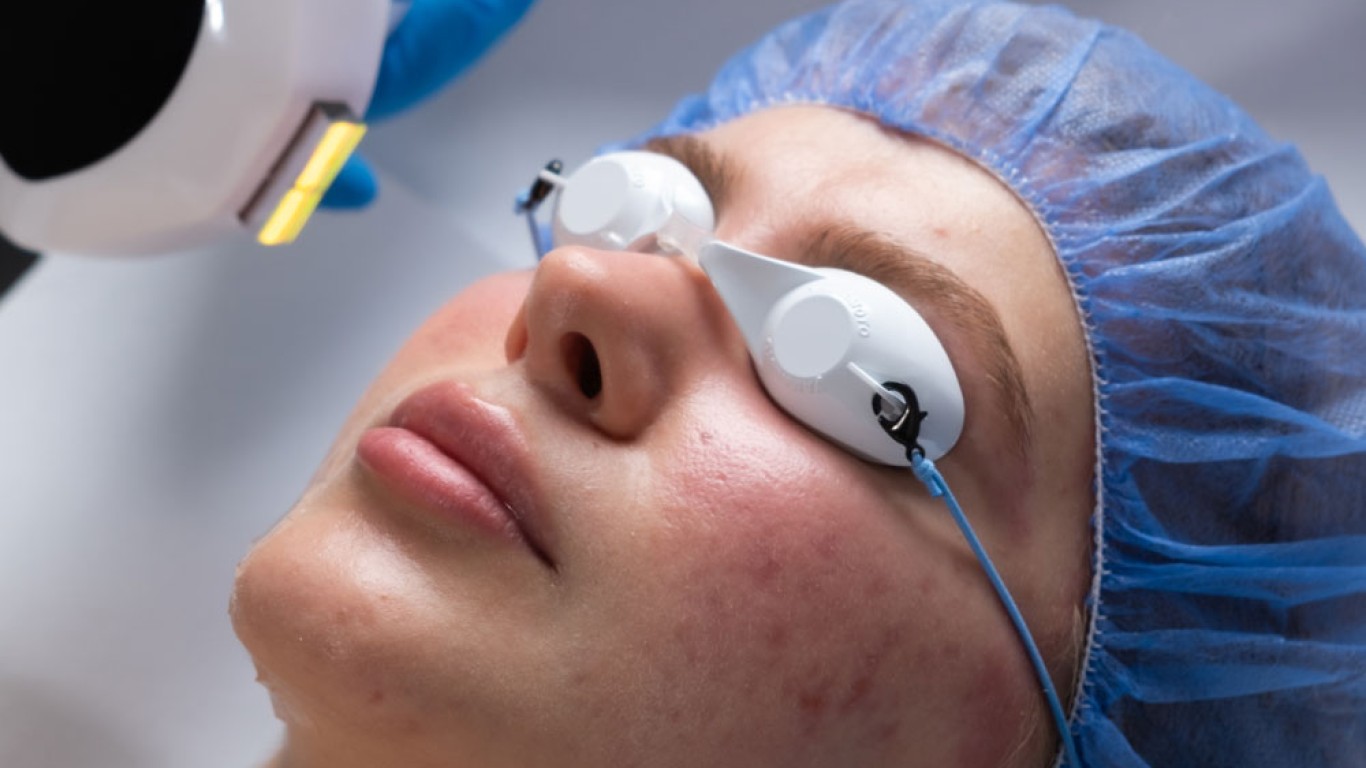
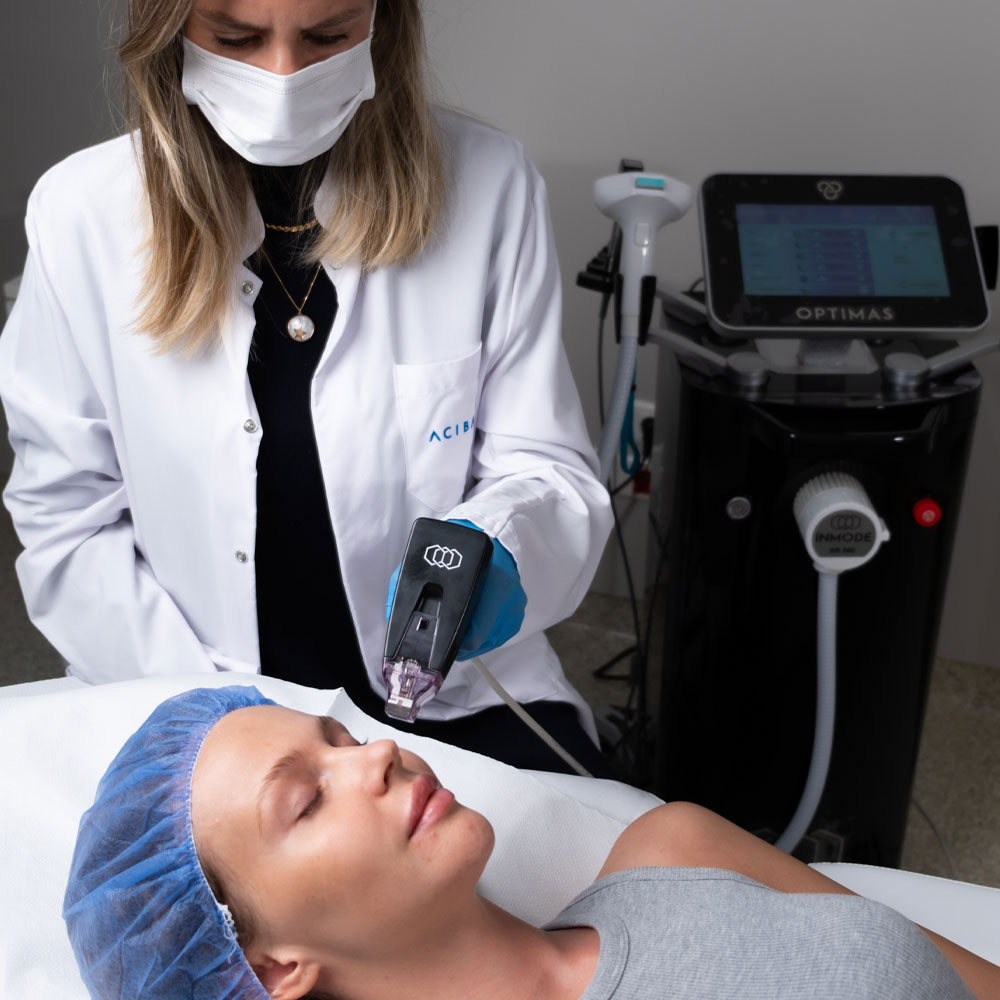
Laser resurfacing uses focused light energy to treat damaged skin in a controlled way. Ablative lasers, such as carbon dioxide and erbium lasers, remove the outer skin layer. Non-ablative lasers heat deeper layers while leaving the surface of the skin intact. Many lasers now use fractional technology, which treats thousands of tiny columns of skin. The untreated skin between these columns helps the treated areas heal more quickly. In all cases, the heat and controlled injury trigger the production of new collagen. The skin continues to remodel for several months after each treatment. This gradually tightens the skin and improves texture, tone and the appearance of lines.
How Microneedling Works
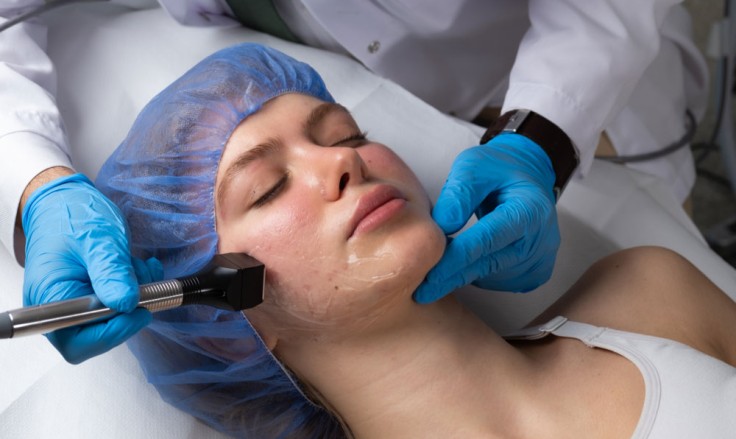
Microneedling uses a device fitted with very fine needles to create tiny punctures in the skin. These small channels trigger the body's natural wound-healing response without removing the surface layer. As the skin repairs these micro-injuries, it produces new collagen and elastin. Over a course of treatments, this can improve texture, firmness and the appearance of some scars. Microneedling does not rely on heat, so it is often considered lower risk. Some clinics also offer radiofrequency microneedling, which adds controlled heat through the needles. This hybrid approach sits between standard microneedling and laser treatment in terms of intensity. A numbing cream is usually applied before treatment to keep the procedure comfortable. A typical session lasts between thirty and sixty minutes, depending on the area treated. Some clinics apply serums or platelet-rich plasma during the session to support healing.
Laser Resurfacing vs Microneedling: Key Differences at a Glance
The table below summarises the main differences in laser resurfacing vs microneedling. Exact details depend on the device, the settings and the individual patient.
| Feature | Laser Resurfacing | Microneedling |
| Mechanism | Light and heat energy | Fine needles creating micro-injuries |
| Typical sessions | 1 (ablative) or 3 to 5 (non-ablative) | 3 to 6 |
| Session interval | 4 to 6 weeks for non-ablative courses | 4 to 6 weeks |
| Typical downtime | 1 to 14 days, depending on laser type | 1 to 3 days |
| Intensity of results | Moderate to significant | Gradual and more subtle |
| Suitability for darker skin | Requires careful device selection | Generally well suited |
These figures are general guides only. Your practitioner will recommend a plan for your skin.
Laser Resurfacing vs Microneedling for Acne Scars
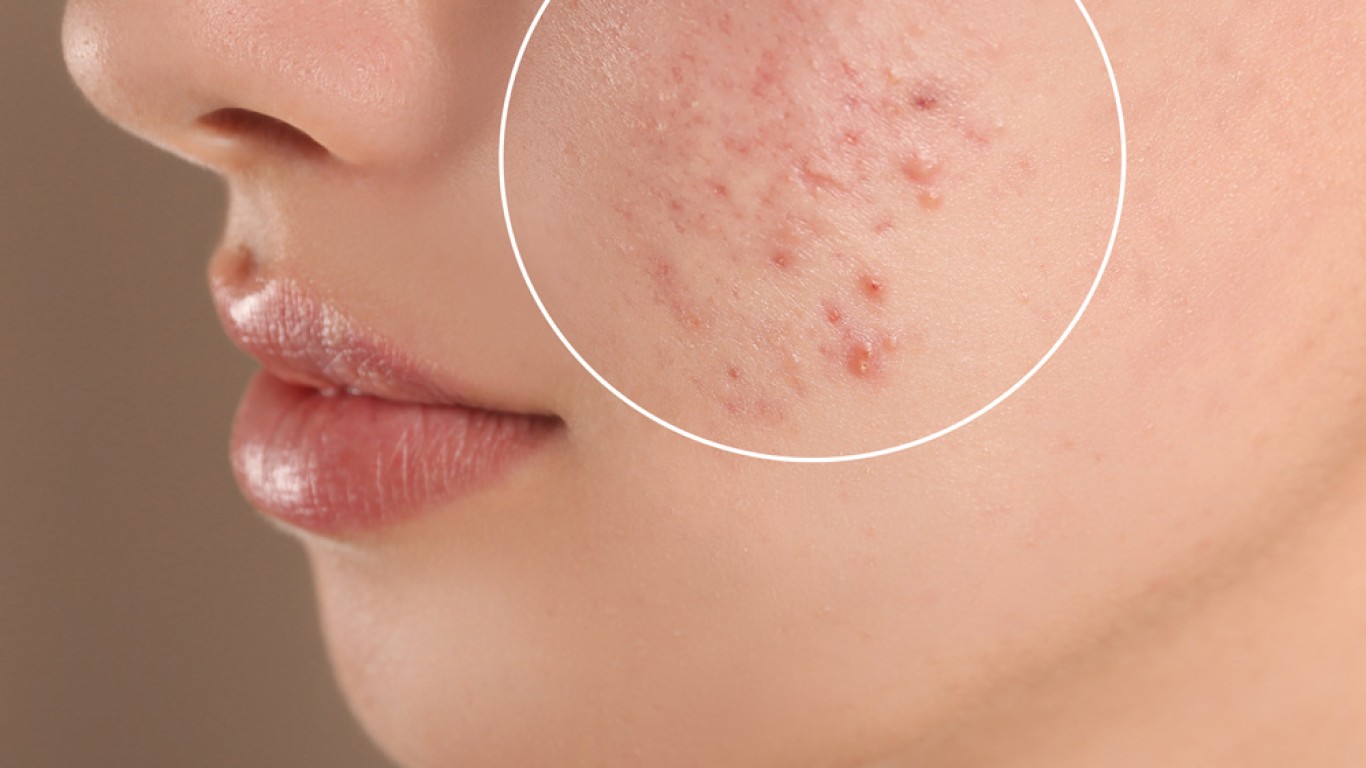
Both treatments are commonly used to improve atrophic acne scars, which sit below the skin's surface. These include rolling scars, boxcar scars and some shallower icepick scars. Fractional laser resurfacing is often effective for moderate to more severe scarring. It can produce a noticeable improvement in fewer sessions, although downtime is usually longer. Microneedling tends to work well for mild to moderate rolling scars and general texture concerns. Results build gradually over a course of treatments, with little time away from daily life. For deeper or mixed scarring, clinicians often combine approaches over a treatment plan. This may include subcision, chemical peels or platelet-rich plasma alongside laser or microneedling. Deep icepick scars often need targeted treatments, as resurfacing alone may not reach their base. A clinician can map each type of scar before recommending a combined plan.
Laser Resurfacing vs Microneedling for Wrinkles and Sun Damage
For deeper wrinkles and significant sun damage, laser resurfacing is usually the stronger option. Ablative lasers in particular can tighten skin and smooth lines around the eyes and mouth. Lasers can also target pigmentation, such as sun spots and uneven tone, more directly. Some devices are designed specifically to treat brown spots and visible blood vessels. Microneedling can soften fine lines and improve overall skin quality over time. However, it is generally less effective for deep wrinkles or marked sun damage. It may be a good starting point for patients with early signs of ageing.
Laser Resurfacing vs Microneedling: Downtime and Recovery
Recovery is one of the clearest practical differences between the two treatments. It is often the deciding factor for patients with busy work or family lives. After microneedling, the skin usually looks pink or red, similar to mild sunburn. This normally settles within one to three days. Many patients return to work the following day. Recovery after laser resurfacing depends on the type of laser used. Non-ablative treatments may cause redness and swelling for a few days. Fractional ablative treatments often involve around one week of peeling and redness. Fully ablative treatments can require up to two weeks of downtime, with redness lasting longer. Sun protection is essential after both treatments, as healing skin burns more easily.
Laser Resurfacing vs Microneedling: Suitability for Skin Types
Skin type is an important factor in laser resurfacing vs microneedling decisions. Microneedling is generally suitable for a wide range of skin tones, including darker skin. Some lasers carry a higher risk of pigment changes in darker skin tones. These changes can include dark patches or areas of lighter skin after healing. Experienced practitioners can reduce this risk by choosing appropriate devices and conservative settings. Patients with very sensitive skin, active acne or certain skin conditions may need to wait. Infections and inflammatory flare-ups should usually be settled before either treatment begins.
Conclusion
Laser resurfacing vs microneedling both stimulate collagen, but they differ in intensity, downtime and suitability. Laser is usually stronger for wrinkles and sun damage, while microneedling offers gentler, gradual improvement. The better option depends on your skin type, goals and available recovery time. To find out which approach is likely to suit your skin, consider a professional consultation.
Explore laser resurfacing vs microneedling at ACIBADEM Beauty Center to learn more about the options available.
Frequently Asked Questions
Microneedling can be effective for mild scarring and general texture concerns. For deeper wrinkles and significant sun damage, laser resurfacing usually gives stronger results. The most effective option depends on the specific concern being treated.
Yes, some treatment plans use both approaches at different stages. They are not usually performed on the same day in the same area. Your practitioner will advise on safe intervals between treatments.
Microneedling usually has less downtime, with redness typically settling within one to three days. Laser downtime ranges from a few days to around two weeks, depending on the laser.
Both treatments stimulate new collagen, which can give long-lasting improvement. However, the skin continues to age naturally over time. Maintenance treatments may help to preserve results.
Microneedling is generally considered suitable for darker skin tones. This is because it does not rely on heat, which lowers the risk of pigment changes. A trained practitioner should still assess your skin before treatment.