Ataşehir Mah. Feza Sk. No:3 İstanbul / Türkiye
 English
Introduction
Liposuction removes fat cells permanently. However, the relationship between liposuction and subsequent weight management is more nuanced than many patients realise. Can you lose weight after liposuction? Yes. Should you? It depends on your starting point. Understanding how weight changes interact with liposuction results helps patients maintain the best possible outcome long term. This article explains what happens when patients lose weight after liposuction and how to manage body composition for the most sustained benefit.
How Liposuction Affects Fat Distribution
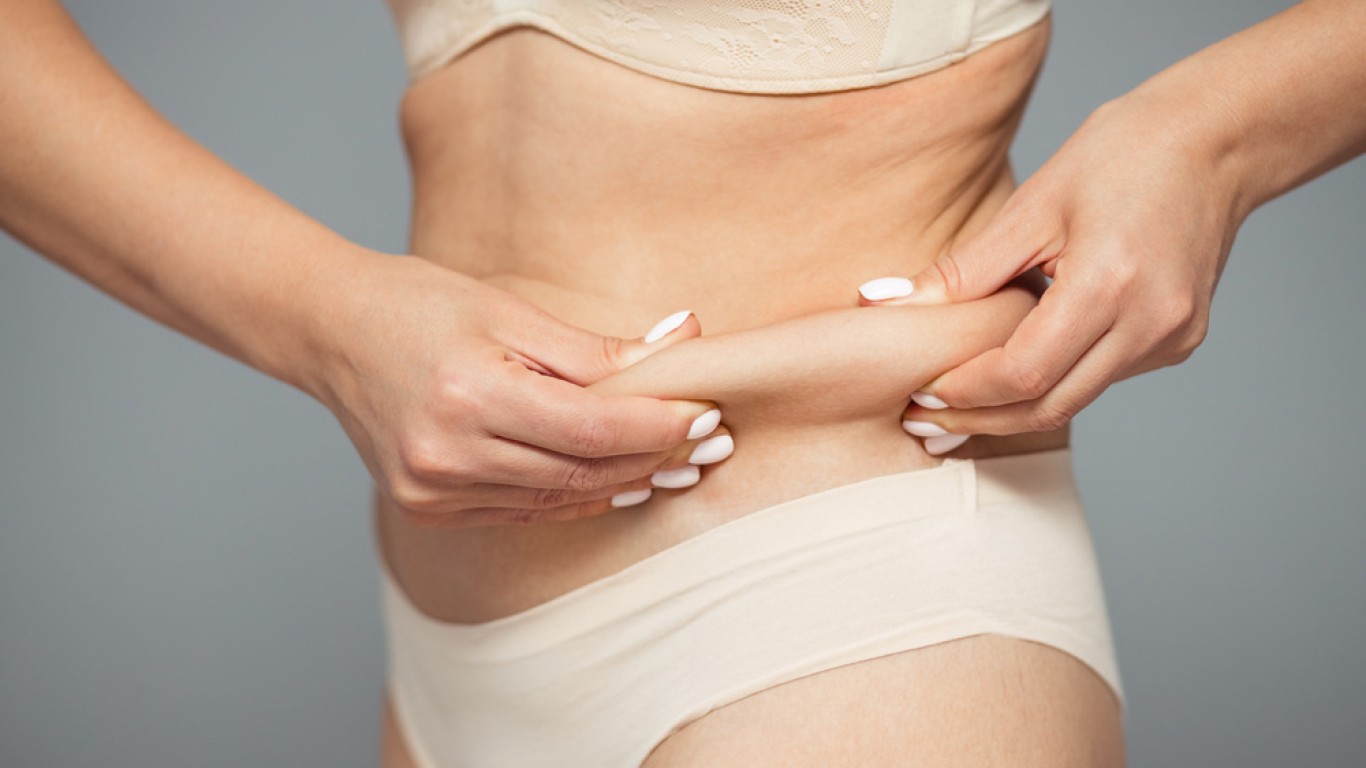
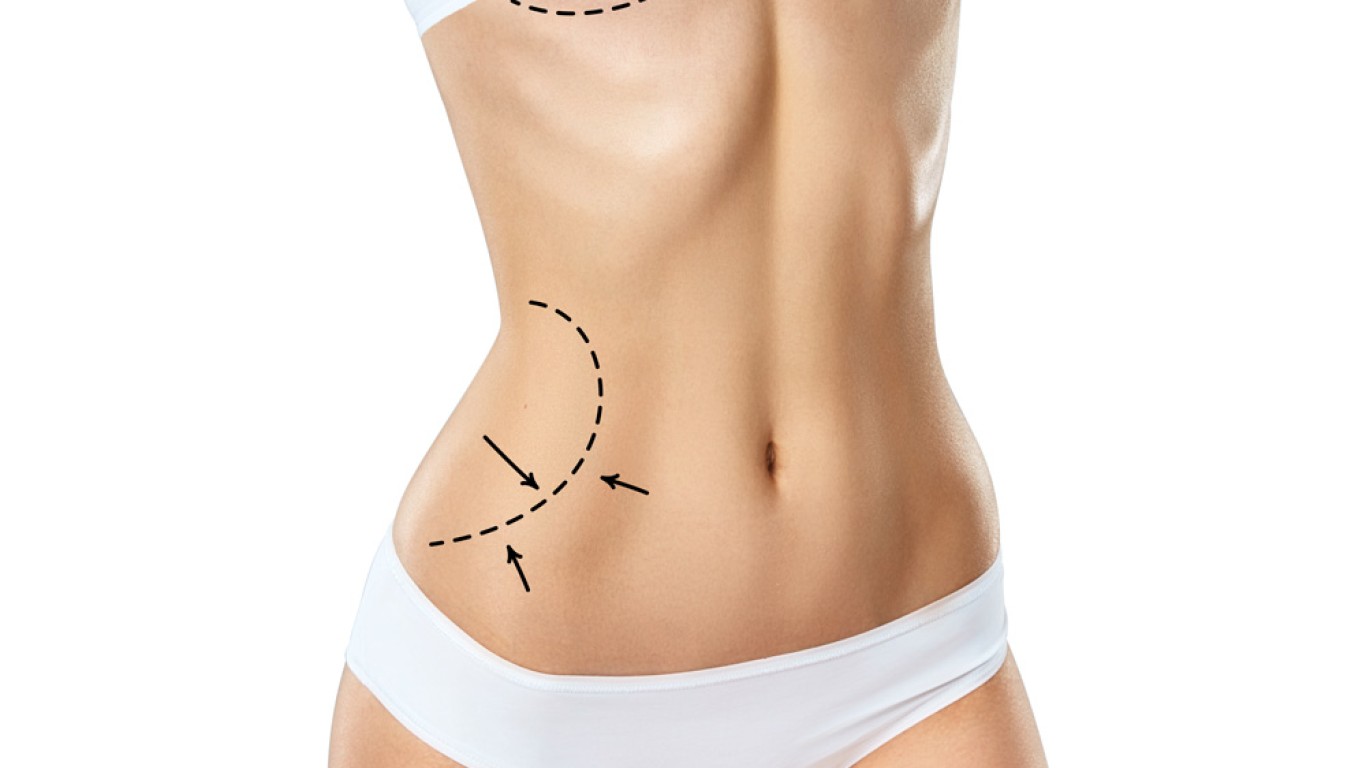
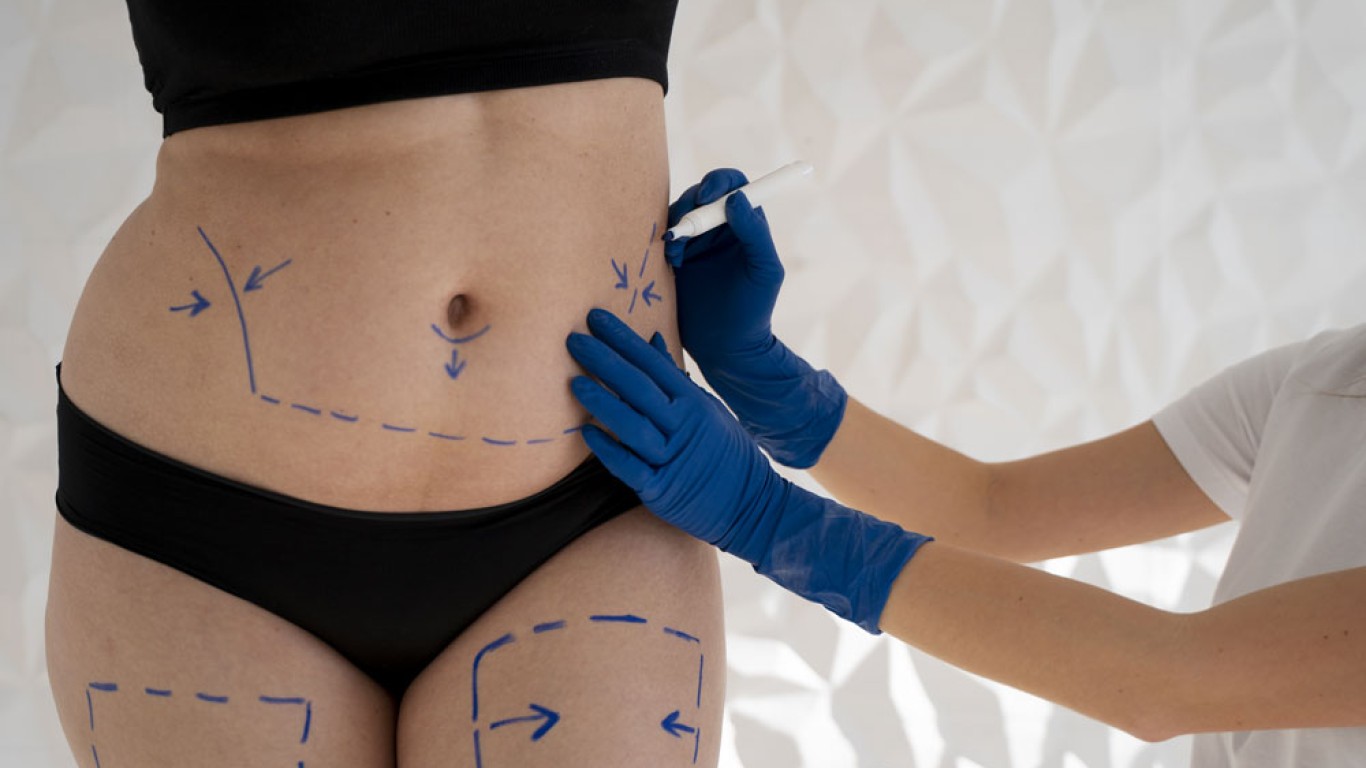
Liposuction permanently removes fat cells from specific areas. The treated zones contain fewer fat cells after surgery. Lose weight after liposuction understanding begins with this fact. The removed cells do not regenerate. The treatment area retains its improved contour when body weight is stable. However, the remaining fat cells throughout the body can still change size. Lose weight after liposuction by reducing calorie intake causes the remaining fat cells everywhere to shrink. Treated areas shrink slightly. The untreated areas shrink proportionally. The body's overall contour remains improved relative to its pre-surgical state. Lose weight after liposuction the opposite also applies. Weight gain causes remaining fat cells to expand. Untreated areas may gain fat disproportionately because they contain more cells. Treated areas gain less because fewer cells are present. Weight gain after liposuction can create an uneven distribution that looks unnatural.
Lose Weight After Liposuction: Is It Advisable?
This depends on the patient's situation. Lose weight after liposuction is appropriate for patients who were above their ideal weight at the time of surgery. Liposuction is a contouring procedure, not a weight loss tool. Some patients have liposuction while still carrying excess overall weight. Continued weight loss after surgery improves both health and cosmetic outcome. Lose weight after liposuction is less advisable for patients who were already at or near their ideal weight.
Excessive weight loss can create a gaunt appearance. The treated areas may become overly slim relative to other body areas. The contour balance that liposuction created may shift if too much additional weight is lost. Lose weight post liposuction the goal is reaching and maintaining a stable, healthy body weight. Five to ten pounds of variation is normal and does not significantly affect the result. Dramatic weight fluctuations in either direction produce the most noticeable changes to liposuction results.
Lose Weight After Liposuction: What Happens to the Treated Area?
The treated area responds to weight loss alongside the rest of the body. Lose weight after liposuction causes the remaining fat cells in the treated area to shrink. The area becomes slimmer. The contour improvement from liposuction is maintained or enhanced. Lose weight after liposuction at a moderate level enhances the surgical result. The already-improved area becomes even more defined. The body looks leaner overall. Liposuction contour improvement persists within the thinner body.
Lose weight post liposuction at an excessive level can cause the treated area to appear too thin. If liposuction removed a significant amount of fat and the patient then loses substantial additional weight, the area may look hollowed or disproportionately slim. This is uncommon but possible with dramatic weight loss. Lose weight post liposuction at a healthy, sustainable pace produces the best cosmetic outcome. Gradual loss of one to two pounds per week allows the body to adjust proportionally. The liposuction result looks natural within the evolving body composition.
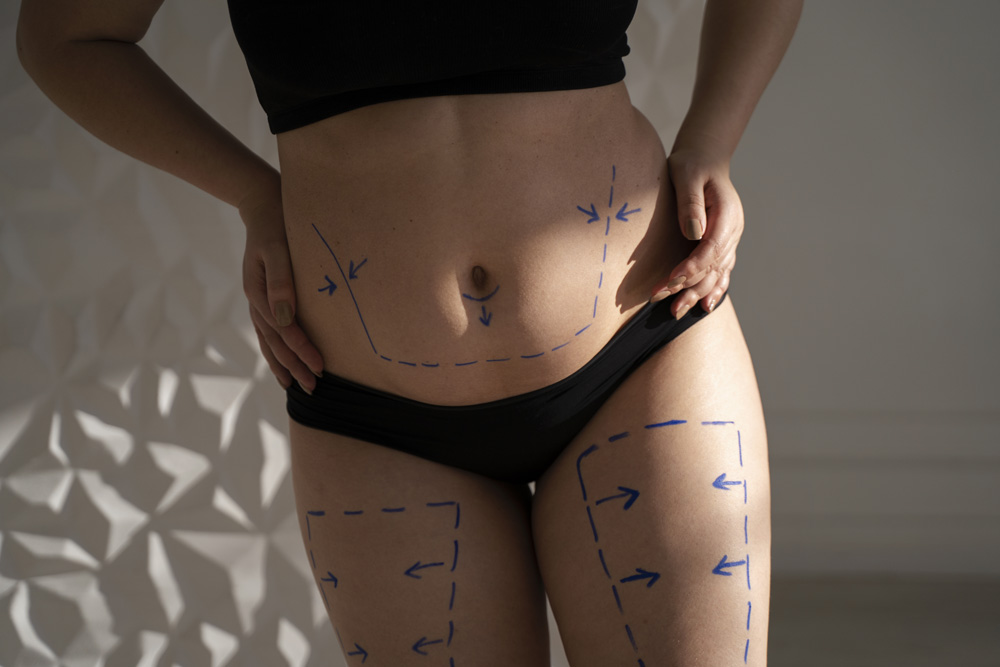
Lose Weight After Liposuction: What About Weight Gain?
Weight gain is the more common concern. Lose weight after liposuction is the ideal trajectory. However, many patients gain weight over the years following surgery. Understanding how this affects the result is important. Weight gain after liposuction causes the remaining fat cells to expand. The treated area has fewer cells. It gains less fat than untreated areas. This creates a proportional shift. Lose weight post liposuction versus gaining weight produces opposite cosmetic effects. Weight loss enhances the liposuction contour. Weight gain can create an unnatural distribution where untreated areas become disproportionately larger.
Weight gain after liposuction of five to ten pounds is manageable. The changes are subtle. The liposuction improvement is still visible. Weight gain of fifteen pounds or more begins creating noticeable distribution changes. The treated areas remain relatively slim. The untreated areas absorb the additional weight. Weight gain of twenty-five pounds or more can significantly alter the body's proportions in ways that look unbalanced. The liposuction result is not reversed. But the surrounding body changes enough to reduce the cosmetic benefit. Gradual weight changes are generally less noticeable than rapid fluctuations. Maintaining a consistent weight helps preserve balanced proportions between treated and untreated areas. Regular monitoring can identify small increases before they become harder to manage.
Exercise and Diet
Lifestyle habits determine long-term results. Lose weight after liposuction or maintain stable weight through consistent exercise and balanced nutrition. Regular cardiovascular exercise burns calories. Resistance training builds lean muscle that supports metabolic rate. Lose weight after liposuction through dietary management ensures the caloric balance supports the desired body composition. Protein-rich meals preserve lean muscle. Vegetables and whole grains provide sustained energy. Processed foods and excessive sugar promote fat storage. Lose weight after liposuction the most effective approach is establishing sustainable habits during the recovery period. The first three to six months after surgery represent a behavioural window. Patients are motivated by their improved contour. This motivation can be channelled into permanent lifestyle changes.
Lose weight post liposuction patients who use the post-surgical motivation to establish lasting exercise and nutrition habits achieve the most sustained results. Those who return to pre-surgical eating and activity patterns risk gradual weight gain that diminishes the liposuction benefit over time. Exercise should restart gradually following surgical clearance. Walking usually comes first before more demanding cardiovascular or resistance activities. Sustainable routines are more valuable than restrictive diets or intense short-term exercise programmes.
Conclusion
Losing weight after liposuction is possible and often beneficial for patients above their ideal weight. Moderate weight loss enhances the contour improvement. Excessive loss can create disproportionate thinness. Weight gain causes untreated areas to expand disproportionately. Stable weight produces the most consistent long-term result. Exercise and nutrition habits established during recovery protect the investment. Liposuction changes contour more than weight. Focus on body composition rather than the scale. Professional guidance supports lasting results. Turkey offers liposuction with comprehensive lifestyle support at competitive pricing. Ultimately, realistic expectations remain essential. Liposuction should complement healthy weight management rather than replace it. Consistent habits help preserve improved proportions for years after treatment.
For more information about liposuction and to book a consultation visit the ACIBADEM Beauty Center Aesthetics page.
Frequently Asked Questions
Yes. Moderate weight loss enhances the contour. Maintain a stable, healthy weight for the best result.
Removed fat cells do not regenerate. Remaining cells can expand with weight gain but the improvement persists.
Untreated areas may gain fat disproportionately. The treated area remains relatively slim.
No. It is a contouring procedure. Typical removal is one to five litres of fat.
Consistent exercise, balanced nutrition and stable weight. Establish sustainable habits during recovery.