Ataşehir Mah. Feza Sk. No:3 İstanbul / Türkiye
 English
Introduction
Hyperpigmentation is one of the most common skin concerns patients seek treatment for. Dark patches, uneven tone, sun spots and melasma affect self-confidence significantly. A chemical peel is one of the most established treatment approaches. Chemical peels remove pigmented surface layers. New, more evenly pigmented skin regenerates beneath. But effectiveness depends on the type of pigmentation, the peel used and the patient's skin type. This article examines whether a chemical peel for hyperpigmentation works and which approaches produce the best results.
How Chemical Peel for Hyperpigmentation Works
A chemical peel uses acid solutions to remove the pigmented outer skin layers. The acid dissolves the bonds between skin cells. The treated layers separate and shed. Beneath, new cells form with more evenly distributed melanin. A chemical peel works at two levels. Surface peels remove the pigmented epidermis directly. The visible discolouration is physically removed with the shedding skin. Deeper peels stimulate dermal remodelling. New collagen formation supports healthier melanin distribution in the regenerated skin. A chemical peel effectiveness depends on where the pigment sits. Epidermal pigmentation responds well. The melanin deposits are in the superficial layers that the peel removes. Dermal pigmentation is deeper. Chemical peels have limited reach into the dermis. Deeper pigmentation requires more aggressive peels or combination approaches.
Chemical Peel for Hyperpigmentation: Which Peels Work Best?
| Peel Type | Pigmentation Treated | Sessions Needed |
| Glycolic acid (superficial) | Mild sun damage, dullness | Four to six |
| Mandelic acid (superficial) | Mild pigmentation, safe for darker skin | Four to six |
| Jessner's peel (superficial-medium) | Moderate pigmentation, melasma | Three to five |
| TCA 15–25% (medium) | Moderate sun damage, age spots | Two to four |
| TCA 30–40% (medium-deep) | Significant pigmentation, deep melasma | One to three |
A chemical peel must be matched to the specific pigmentation type and the patient's skin tone. Lighter skin tolerates a broader range of peel acids and concentrations. Darker skin requires more conservative peel selection. A chemical peel on darker skin carries risk of post-inflammatory hyperpigmentation. The peel itself can trigger new pigmentation if too aggressive. Mandelic acid is one of the safest options for darker tones. Its larger molecular size produces slower, more controlled penetration. A chemical peel for hyperpigmentation using mandelic acid provides effective treatment with lower pigmentation risk.
Chemical Peel for Hyperpigmentation: Sun Damage
Sun damage pigmentation responds well to chemical peels. A chemical peel caused by UV exposure produces consistently strong results. Sun spots, age spots and diffuse photo-damage all improve. The pigmented cells are concentrated in the epidermis. Chemical peels remove these cells directly. A chemical peel for hyperpigmentation from sun damage using glycolic or TCA acid produces visible improvement from the first session. Darker spots lighten. Overall tone evens. A course of treatments clears most surface sun damage comprehensively. A chemical peel from sun damage must be combined with rigorous sun protection. SPF fifty daily prevents new damage. Without sun protection, the pigmentation returns. The peel removes existing damage. Sun protection prevents recurrence. Both are essential components of the treatment plan.
Chemical Peel for Hyperpigmentation: Melasma
Melasma is the most challenging pigmentation concern. A chemical peel from melasma requires careful management. Melasma involves hormonal, genetic and UV-driven melanin overproduction. It is chronic and recurrence-prone. A chemical peel from melasma can improve the condition. Superficial peels including mandelic, glycolic and Jessner's produce gradual improvement over multiple sessions. Medium TCA peels address more significant melasma. However, a chemical peel from melasma carries a paradox. The peel can improve pigmentation and potentially worsen it. Overly aggressive peels on melasma-prone skin trigger a rebound response. New pigmentation develops in response to the inflammatory stimulus. A chemical peel for hyperpigmentation from melasma must be conservative. Lower concentrations. Shorter contact times. Gradual building rather than aggressive single-session treatment. Pre-treatment with hydroquinone and retinoid for four to six weeks prepares the skin and suppresses melanocyte activity before the peel.
Chemical Peel for Hyperpigmentation: Post-Inflammatory Hyperpigmentation
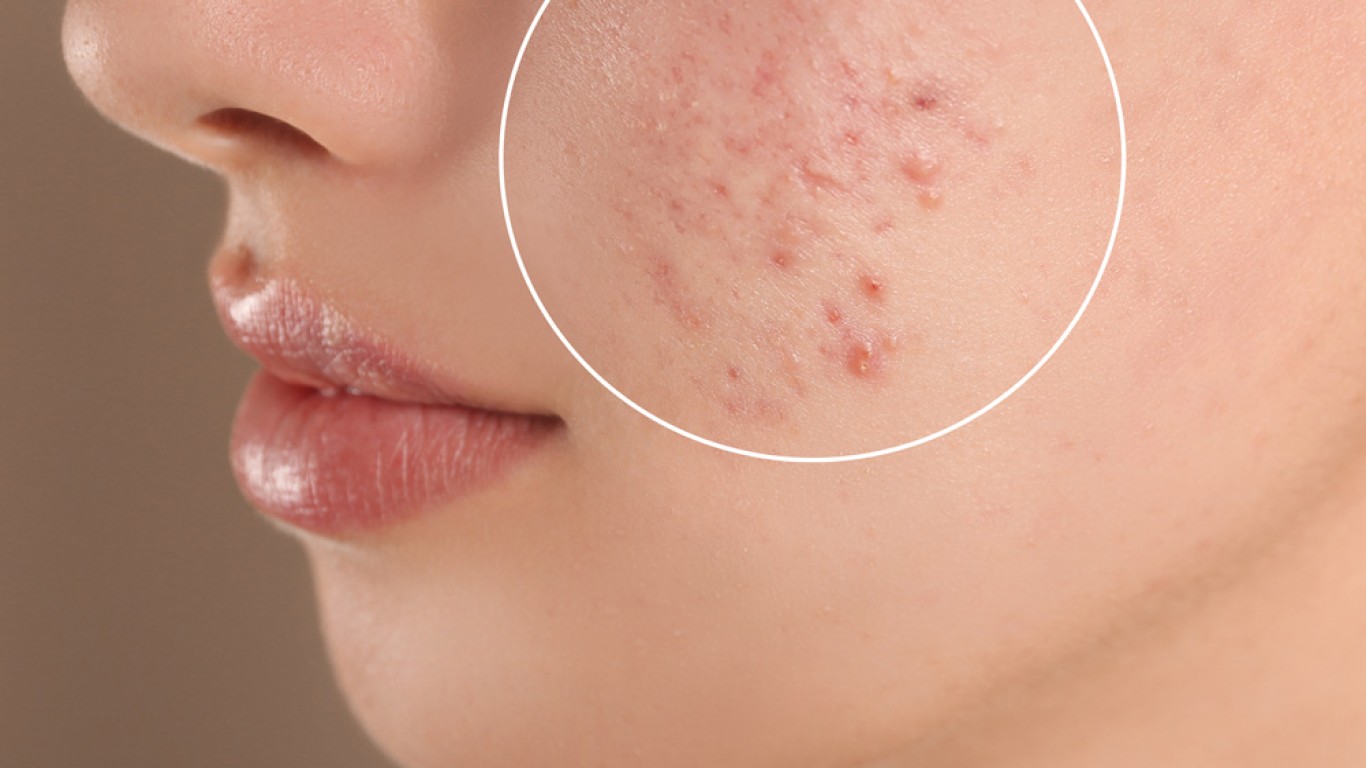
Post-inflammatory hyperpigmentation follows skin injury or inflammation. Acne, eczema, burns and previous cosmetic treatments can all produce PIH. The skin produces excess melanin at the site of inflammation. A chemical peel for hyperpigmentation from PIH can be effective. Superficial peels gently exfoliate the pigmented layer. New, more evenly pigmented skin emerges. A chemical peel from PIH requires particular caution in darker skin types. Darker skin is more susceptible to PIH. The peel itself creates a controlled inflammatory response. If the peel triggers more PIH than it resolves, the condition worsens. A chemical peel for hyperpigmentation from PIH in darker skin uses the gentlest effective acid at the lowest effective concentration. Mandelic and lactic acid are preferred. Build gradually. Monitor between sessions. If any darkening occurs, pause and reassess. A chemical peel from PIH works well with patient and conservative management.
Chemical Peel for Hyperpigmentation: Skin Type Considerations
Skin type determines peel selection and risk. A chemical peel on Fitzpatrick one to three skin is the most straightforward. The full range of peel acids and concentrations can be used safely. Pigmentation risk from the peel itself is low. A chemical peel on Fitzpatrick four to six skin requires more careful planning. The higher melanin content increases the risk of peel-triggered pigmentation. A chemical peel for hyperpigmentation on darker skin should use mandelic acid, low-concentration glycolic acid or carefully controlled Jessner's peel. TCA should be used at lower concentrations with extended intervals between sessions. Pre-treatment skin preparation is more important for darker skin types. A chemical peel on any skin type benefits from practitioner experience with that specific skin type. Ask the practitioner how many patients with similar skin tone they have treated. Experience with diverse skin types produces the safest outcomes.
Chemical Peel for Hyperpigmentation: Combination Approaches
The strongest results come from combining peels with other treatments. A chemical peel combined with topical skin lightening agents produces superior results. Hydroquinone, azelaic acid, vitamin C and niacinamide suppress melanin production between peel sessions. The peel removes existing pigmentation. The topicals prevent new pigmentation from forming. A chemical peel for hyperpigmentation combined with microneedling enhances penetration of lightening agents. The micro-channels created by needling allow products to reach the dermis. A chemical peel combined with IPL addresses different pigmentation depths simultaneously. The peel removes surface pigment. IPL targets deeper melanin deposits. The combination produces more comprehensive clearance than either treatment alone. A chemical peel within a broader skin programme produces the most complete and lasting improvement.
Conclusion
A chemical peel for hyperpigmentation is effective for sun damage, age spots and post-inflammatory pigmentation. Melasma responds with careful, conservative management. Peel selection must match the pigmentation type and skin tone. Darker skin types require gentler acids and closer monitoring. Combination approaches produce the strongest results. Sun protection is essential for lasting improvement. A chemical peel for hyperpigmentation within a comprehensive skin programme produces the most complete clearance. Professional consultation ensures the right peel for individual skin. Turkey offers chemical peels at competitive pricing with experienced dermatologists.
For more information about hyperpigmentation and to book a consultation visit the ACIBADEM Beauty Center Skin Treatments page.
Frequently Asked Questions
Yes. Sun damage and post-inflammatory pigmentation respond well. Melasma requires conservative management.
TCA and glycolic acid for lighter skin. Mandelic acid for darker skin types.
Three to six depending on peel depth and pigmentation severity.
Possible on darker skin with aggressive peels. Conservative treatment with experienced practitioners minimises risk.
Yes, essential. SPF fifty daily prevents new pigmentation and protects the treatment result.