Ataşehir Mah. Feza Sk. No:3 İstanbul / Türkiye
 English
Introduction
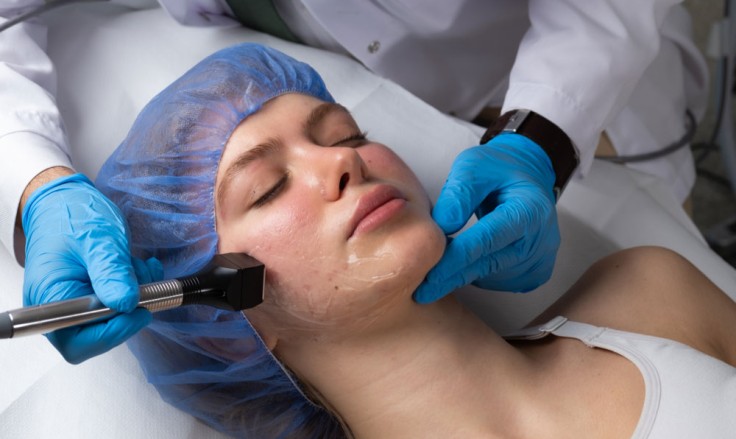
Choosing between chemical peels vs microneedling can feel difficult when both promise improved skin. Both treatments address several common concerns, including uneven texture, dullness and early signs of ageing. However, they work differently and suit different skin conditions. Chemical peels use carefully selected acids to exfoliate damaged skin layers. Meanwhile, microneedling creates tiny punctures that encourage the skin's natural repair processes. Both approaches can improve appearance, although results depend on individual skin characteristics. Understanding both treatments helps patients make informed decisions. This guide examines benefits, limitations, recovery, costs and potential combination treatments.
How Chemical Peels Work
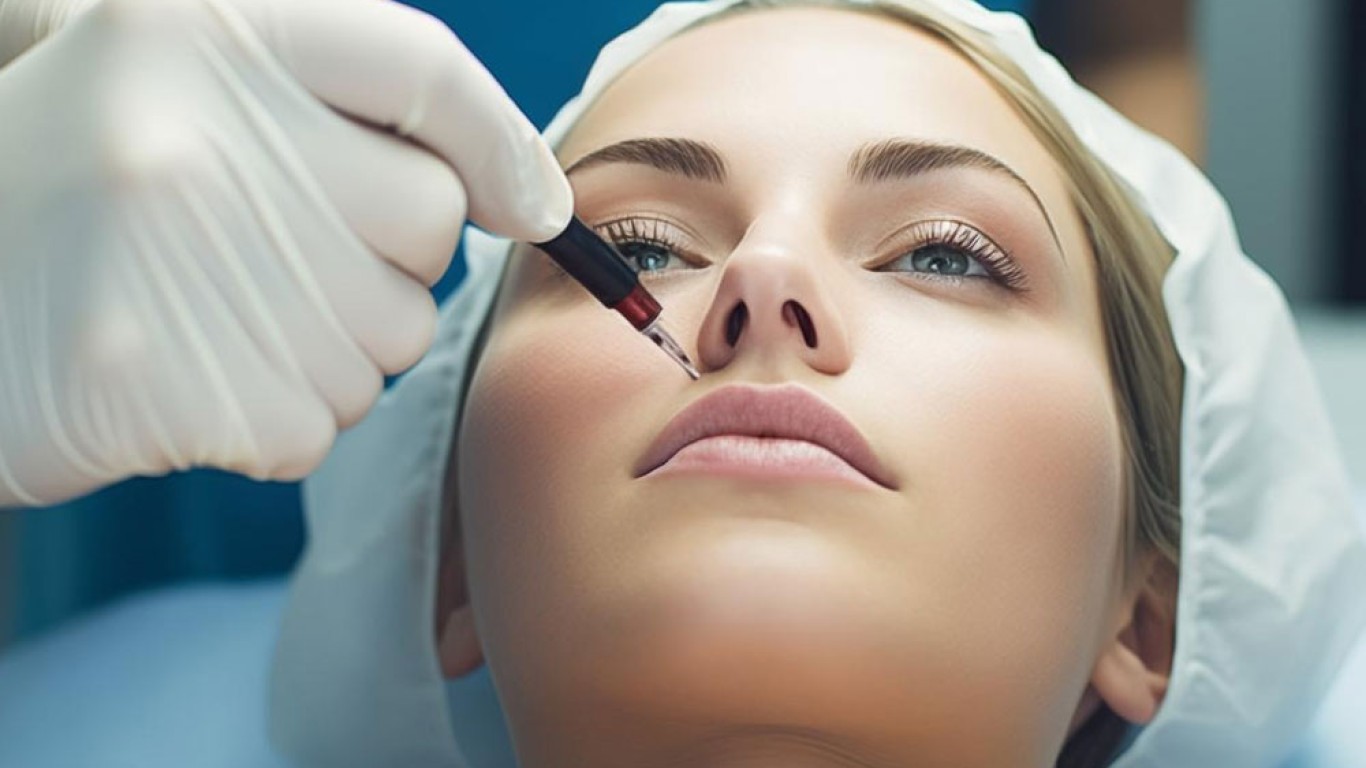
Chemical peels apply controlled acidic solutions to remove selected layers of skin. Consequently, damaged surface cells shed, revealing fresher skin beneath. Superficial peels commonly contain glycolic, lactic or salicylic acid. These formulations address mild pigmentation, roughness and dullness with relatively little downtime. Additionally, salicylic acid may help patients experiencing oily or acne-prone skin. Medium-depth peels penetrate further and may use trichloroacetic acid. They can improve certain fine lines, uneven pigmentation and superficial scarring. However, deeper treatment requires longer healing and more careful monitoring. Deep peels involve stronger chemicals and substantially greater recovery requirements. They also carry additional risks and require specialist assessment. In chemical peels vs microneedling comparisons, peels particularly target surface pigmentation and damaged texture. Nevertheless, stronger peels are unsuitable for some skin types and medical histories. Practitioners should select appropriate acids, concentrations and exposure times.
How Microneedling Works
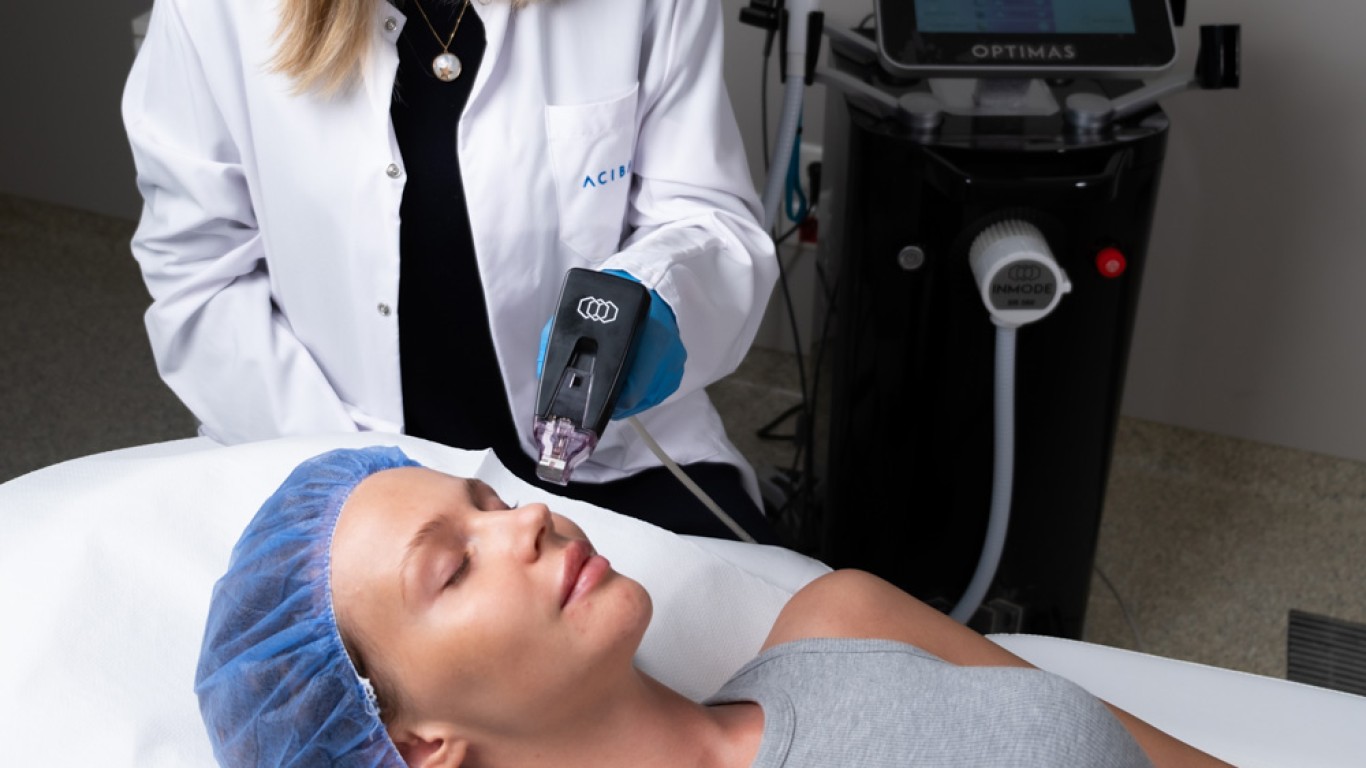
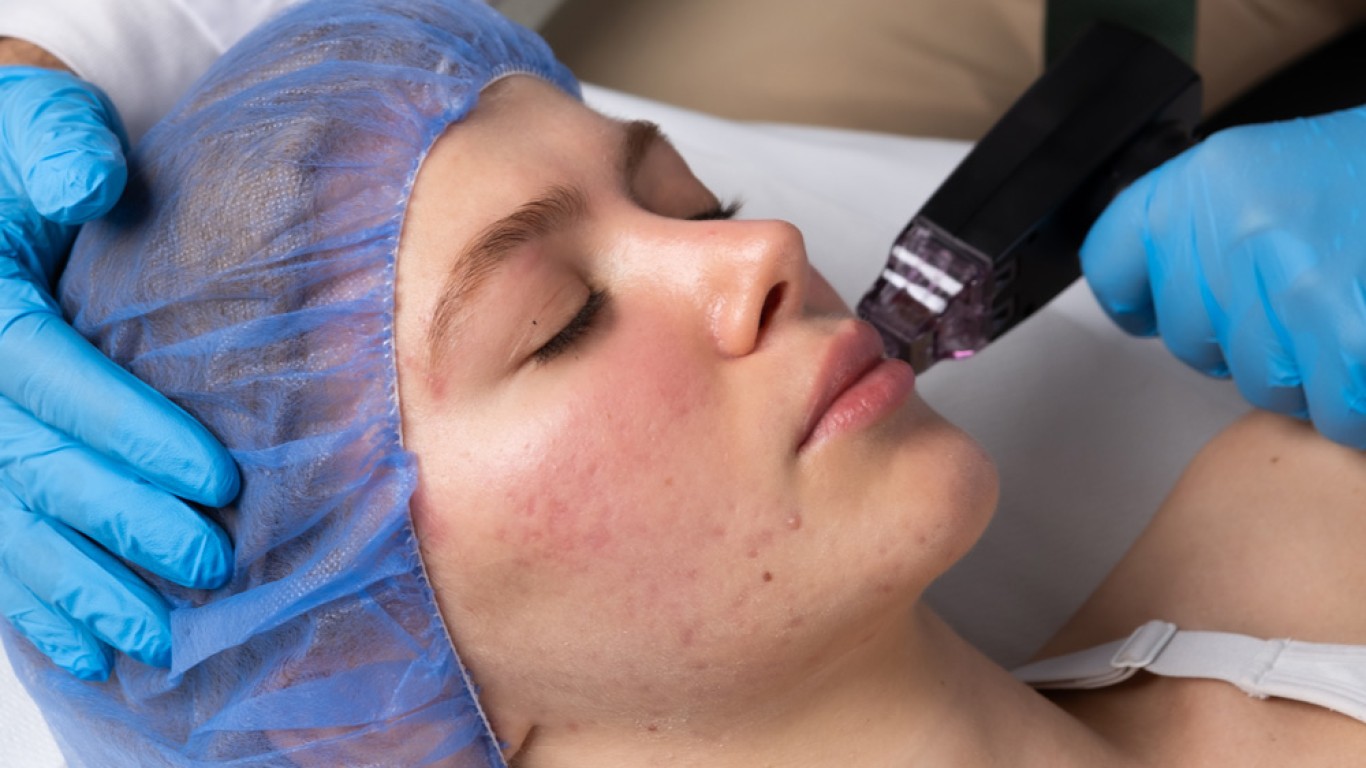
Microneedling uses fine needles to create controlled punctures across selected skin areas. These injuries trigger repair responses, including processes associated with collagen production. Subsequently, gradual remodelling may improve texture, firmness and some acne scars. Practitioners adjust needle depth according to treatment location and individual concerns. Shallow treatments target relatively superficial problems, while deeper settings address selected scarring. However, deeper needling requires appropriate clinical expertise and careful infection prevention. Results usually develop gradually rather than appearing immediately after treatment. Compared with chemical peels vs microneedling approaches, needling particularly targets structural skin irregularities. It may suit various skin tones when performed appropriately. Nevertheless, pigmentation changes, infection and scarring remain possible complications. Active infections or inflammatory conditions may require postponing treatment. Professional assessment helps establish suitable needle depths and realistic expectations.
Chemical Peels vs Microneedling: Side-by-Side Comparison
Comparing chemical peels vs microneedling highlights their distinct mechanisms and treatment priorities. However, individual outcomes depend on the procedure's intensity and the patient's skin.
| Feature | Chemical Peels | Microneedling |
| How it works | Acid solution removes damaged outer skin layers | Fine needles create micro-injuries to stimulate collagen |
| Best for | Pigmentation, dullness, surface texture, fine lines | Acne scarring, enlarged pores, firmness, deep texture |
| Skin types | Most types; caution with darker skin tones for deeper peels | All skin types including darker tones |
| Recovery time | One to fourteen days depending on peel depth | One to three days of redness and sensitivity |
| Number of sessions | One to six depending on peel type and goals | Three to six sessions spaced four to six weeks apart |
| Results timeline | Visible within days for superficial; weeks for deeper peels | Gradual improvement over weeks as collagen builds |
| Combination potential | Pairs well with microneedling in alternating protocols | Pairs well with peels, PRP and topical serums |
Neither procedure automatically produces better results for every patient. Instead, clinicians should match the technique to the underlying concern.
Which Skin Concerns Does Each Treatment Address Best?
The decision often depends on the problem's location. Chemical peels can improve certain dark spots, superficial unevenness and dullness. They may also help manage acne when appropriately formulated. For example, salicylic acid targets oiliness and blocked pores. Medium-depth peels can improve selected fine lines and surface irregularities. However, pigmentation disorders such as melasma require careful management. Aggressive peeling may worsen discolouration in susceptible patients. Conversely, microneedling can improve some indented acne scars through tissue remodelling. It may also soften certain surgical scars and stretch marks. Nevertheless, deep scars sometimes require additional or alternative procedures. Enlarged pores may appear less noticeable following improvements in surrounding texture. Neither treatment guarantees complete scar removal or permanent pore reduction. Therefore, assessment should identify whether pigmentation, scarring or laxity predominates.
Chemical Peels vs Microneedling for Different Skin Types
Skin tone influences the safety of chemical peels vs microneedling. Both treatments can suit diverse patients when appropriately selected. However, deeper chemical peels increase pigmentation risks for some darker skin tones. Post-inflammatory hyperpigmentation can develop following excessive irritation or injury. Consequently, experienced practitioners often favour conservative treatment protocols for susceptible skin. Microneedling may offer an alternative for selected structural concerns. Nevertheless, it can also cause discolouration when performed too aggressively. Sensitive skin requires particular attention to existing inflammation and barrier health. Likewise, active rosacea or infections may change treatment suitability. Patients using prescription retinoids should disclose their skincare routines before treatment. Some medicines and recent procedures also affect healing and safety. A thorough consultation examines medical history, skin tone and previous reactions. Personalised treatment reduces avoidable complications without promising completely risk-free results.
Recovery and Downtime Comparison
Recovery is another important consideration when comparing chemical peels vs microneedling. Superficial peels may cause temporary redness, dryness and mild flaking. These effects often settle within several days. Medium-depth peels generally involve more noticeable peeling and longer recovery. Deep peels can require substantial downtime and close medical supervision. Meanwhile, microneedling commonly produces redness, tenderness and temporary swelling. These symptoms often improve over several days, depending on treatment intensity. However, individual recovery varies, particularly after deeper procedures. Both treatments increase the importance of careful sun protection. Furthermore, skincare products should follow the practitioner's instructions during healing. Makeup timing depends on the procedure and the skin's condition. Patients should seek advice for worsening pain, unusual discharge or spreading redness. Ultimately, the chemical peels vs microneedling recovery comparison depends on treatment depth. A superficial peel may involve less downtime than intensive needling. Conversely, deeper peeling can require substantially longer healing.
Conclusion
Chemical peels vs microneedling offer different routes towards improving skin appearance. Peels primarily address selected surface concerns through controlled exfoliation. Meanwhile, microneedling encourages repair processes that may improve scarring and texture. Skin tone, medical history, downtime and budget should guide treatment planning. Combining procedures may help selected patients, provided appropriate recovery intervals are maintained. Ultimately, qualified practitioners can explain realistic benefits and possible complications. Professional consultation supports safer choices and more effective, personalised skin rejuvenation.
For further information about chemical peels vs microneedling and to book a consultation, visit the ACIBADEM Beauty Center webpage.
Frequently Asked Questions
Microneedling may improve certain indented scars by encouraging collagen remodelling. However, scar type and severity determine the most suitable approach.
Combining treatments too closely may increase irritation. Therefore, follow your practitioner's recommended healing interval between appointments.
Selected chemical peels can improve some pigmentation concerns. However, melasma and darker skin tones require particularly careful assessment.
Session numbers vary with treatment strength, skin condition and individual response. Your practitioner should explain a personalised treatment schedule.
Both treatments require precautions against pigmentation changes. Microneedling may suit some patients, although technique and practitioner experience remain essential.