Ataşehir Mah. Feza Sk. No:3 İstanbul / Türkiye
 English
Introduction
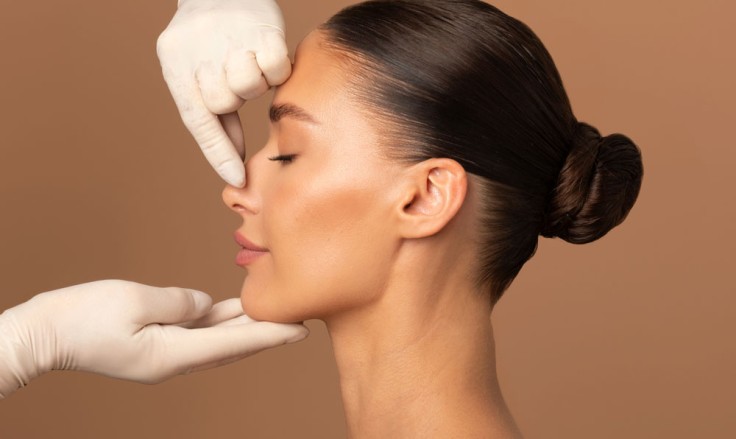
Deviated septum rhinoplasty allows surgeons to improve breathing and nose shape in a single operation. Many people with a crooked or uneven nose also have breathing difficulties. These problems are often linked to a bent septum inside the nose. Treating them separately would mean two operations and two recovery periods. Fortunately, both concerns can usually be corrected together. This combined approach is known as septorhinoplasty. This article explains how the septum affects breathing and appearance. It also covers who suits combined surgery, how it works, recovery and expected results.
Understanding the Nasal Septum
The nasal septum is the central wall that divides the nose into two airways. It is made of flexible cartilage at the front and thin bone further back. The septum also provides structural support for the nasal bridge and tip. When it bends to one side, it is described as deviated. Some deviations are present from birth or develop during growth. Others result from a knock or injury to the nose. Because the septum supports the nose, a deviation can affect its outer shape too. This is why breathing and appearance problems often occur together.
Signs of a Deviated Septum
A deviated septum can cause a range of symptoms. Many people notice a blocked nose, often worse on one side. Breathing through the nose during exercise may feel difficult. Snoring and mouth breathing at night are common. Some people experience frequent sinus infections or nosebleeds. Facial pressure and headaches can also occur. Externally, the nose may look crooked or twisted. The tip may lean towards one side. Some patients notice uneven nostrils when looking at the nose from below.
What Is Deviated Septum Rhinoplasty?
Deviated septum rhinoplasty combines septoplasty with cosmetic rhinoplasty. Septoplasty straightens the septum to improve airflow. Rhinoplasty reshapes the outside of the nose to improve its appearance. When combined, the operation is called septorhinoplasty. The surgeon addresses internal and external structures in one procedure. Straightening the septum often helps correct a crooked nose at the same time. Cartilage removed from the septum can also be reused as grafts. These grafts may support the tip or strengthen weak areas. Surgery is performed under general anaesthesia and usually takes two to four hours.
Benefits of Deviated Septum Rhinoplasty
Combining procedures offers several important advantages. Patients need only one anaesthetic and one recovery period. This reduces overall time away from work and daily life. The surgeon can plan function and appearance together for a balanced result. Straightening the septum improves the foundation for cosmetic changes. A straighter septum also helps the external nose stay straight long term. Using septal cartilage avoids the need to harvest grafts from elsewhere. Many patients enjoy better breathing and greater confidence after one operation.
Who Is a Candidate for Deviated Septum Rhinoplasty?
Good candidates have breathing problems caused by a deviated septum. They also want to change the shape or size of their nose. Some candidates have a crooked nose after an injury. Others have a bump, wide tip or asymmetry they wish to correct. Candidates should be in good general health with realistic expectations. Facial growth should be complete, usually from around sixteen to eighteen years. Non-smokers heal better and face fewer complications. A specialist examination confirms whether the septum is the main cause of blockage.
Deviated Septum Rhinoplasty vs Septoplasty Alone
Patients often ask whether they need combined surgery or septoplasty alone. The following table compares the two options.
| Feature | Septoplasty Alone | Septorhinoplasty |
| Main purpose | Improve breathing | Improve breathing and nose shape |
| Changes to external appearance | None | Planned cosmetic changes |
| Incisions | Inside the nose only | Inside the nose, sometimes with a small external incision |
| Typical operation time | Thirty to ninety minutes | Two to four hours |
| Swelling and bruising | Usually minimal externally | More visible for one to two weeks |
Patients who are happy with their nose shape usually need septoplasty alone.
The Consultation and Planning Stage
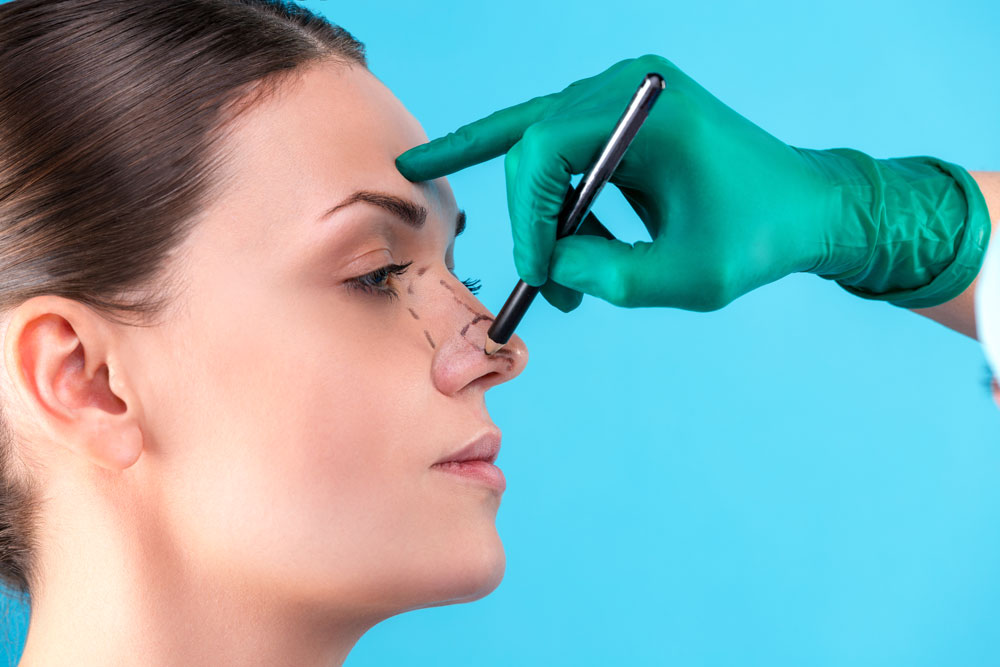
Careful planning is essential for successful combined surgery. The surgeon examines the inside of the nose, often using an endoscope. They assess the septum, turbinates and nasal valves. The external nose is examined from several angles. The surgeon also considers how the nose relates to the rest of the face. Photographs and digital imaging help agree on cosmetic goals. Patients should describe their breathing symptoms in detail. A clear plan ensures both functional and cosmetic goals are addressed.
How the Surgery Works
The surgeon begins by accessing the septum through the inside of the nose. The bent cartilage and bone are straightened, repositioned or partly removed. Enough cartilage is preserved to keep the nose well supported. The surgeon then reshapes the external nose as planned. This may involve reducing a bump, refining the tip or narrowing the bones. An open approach uses a small incision across the columella for greater precision. A closed approach keeps all incisions inside the nostrils. The turbinates may also be reduced to improve airflow further. A splint is applied to protect the nose after surgery.
Preparing for Surgery
Good preparation supports a smoother operation and recovery. Patients should stop smoking at least four to six weeks beforehand. Blood-thinning medicines and some supplements may need to be paused. Allergies and nasal sprays should be discussed with the surgeon. Patients should arrange one to two weeks off work or study. Soft foods, extra pillows and saline spray are useful to prepare at home. Someone should be available to help during the first few days. International patients should plan to stay locally for around one week.
Other Causes of Nasal Blockage
A deviated septum is not the only cause of breathing problems. Enlarged turbinates can narrow the airways. Weak or narrow nasal valves may collapse when breathing in. Allergies and chronic sinus inflammation can also cause congestion. Nasal polyps may block airflow in some patients. A thorough assessment identifies every contributing factor. Treating all relevant causes gives the best chance of improved breathing.
Insurance and Cost Considerations
In some countries, the functional part of surgery may be covered by insurance. The cosmetic part is usually paid privately. Patients should check their policy and request a detailed quote. A combined operation is often more cost-effective than two separate surgeries. Shared anaesthesia, theatre time and hospital care reduce the total cost. International patients should also budget for travel and around one week abroad.
Recovery After Deviated Septum Rhinoplasty
Recovery is similar to standard rhinoplasty. A splint is usually worn on the nose for around one week. The nose often feels blocked for the first one to two weeks. Bruising and swelling around the eyes usually settle within two weeks. Saline rinses help keep the nasal passages clean. Patients should avoid blowing the nose for at least one week. Sleeping with the head raised helps reduce swelling. Most patients return to work within one to two weeks. Contact sports should be avoided for at least six weeks.
Conclusion
A deviated septum and nasal shape concerns can usually be corrected together. Deviated septum rhinoplasty improves breathing and appearance in a single operation. Combining procedures means one anaesthetic and one recovery period. Careful planning ensures both functional and cosmetic goals are met. An experienced surgeon can confirm whether combined surgery is the right option.
To learn more about deviated septum rhinoplasty and to book a consultation, visit the ACIBADEM Beauty Center Rhinoplasty webpage.
Frequently Asked Questions
Yes. The combined procedure is called septorhinoplasty.
Septoplasty alone does not change the outside shape, but it can help straighten a crooked nose.
The operation usually takes two to four hours under general anaesthesia.
Breathing usually improves as swelling settles over the first few weeks and months.
The functional part may be covered in some countries. The cosmetic part is usually paid privately.