Ataşehir Mah. Feza Sk. No:3 İstanbul / Türkiye
 English
  German
  Spanish
Introduction
LASIK is the most widely performed laser eye surgery worldwide. It corrects short-sightedness, long-sightedness and astigmatism. Two main variations exist. Standard LASIK uses a mechanical blade to create the corneal flap. Femto LASIK uses a femtosecond laser instead. The Femto LASIK vs LASIK comparison is one of the most common questions patients ask. Both produce excellent visual outcomes. However, they differ in technique, precision and safety profile. This article explains the differences clearly and helps patients understand which option may suit them.
How Standard LASIK Works
Standard LASIK uses a two-stage process. First, a microkeratome blade creates a thin flap in the corneal surface. The flap is lifted to expose the underlying corneal tissue. Second, an excimer laser reshapes the cornea according to the patient's prescription. The flap is repositioned and adheres naturally. No stitches are needed. The comparison begins with this first stage. The microkeratome is a precision instrument. It has been used successfully for decades. Standard LASIK produces excellent visual outcomes for the vast majority of patients. The technique is well established and reliable. The blade approach creates a flap with predictable characteristics. Standard LASIK remains a valid treatment option in 2026. It is offered at many ophthalmology clinics worldwide.
How Femto LASIK Works
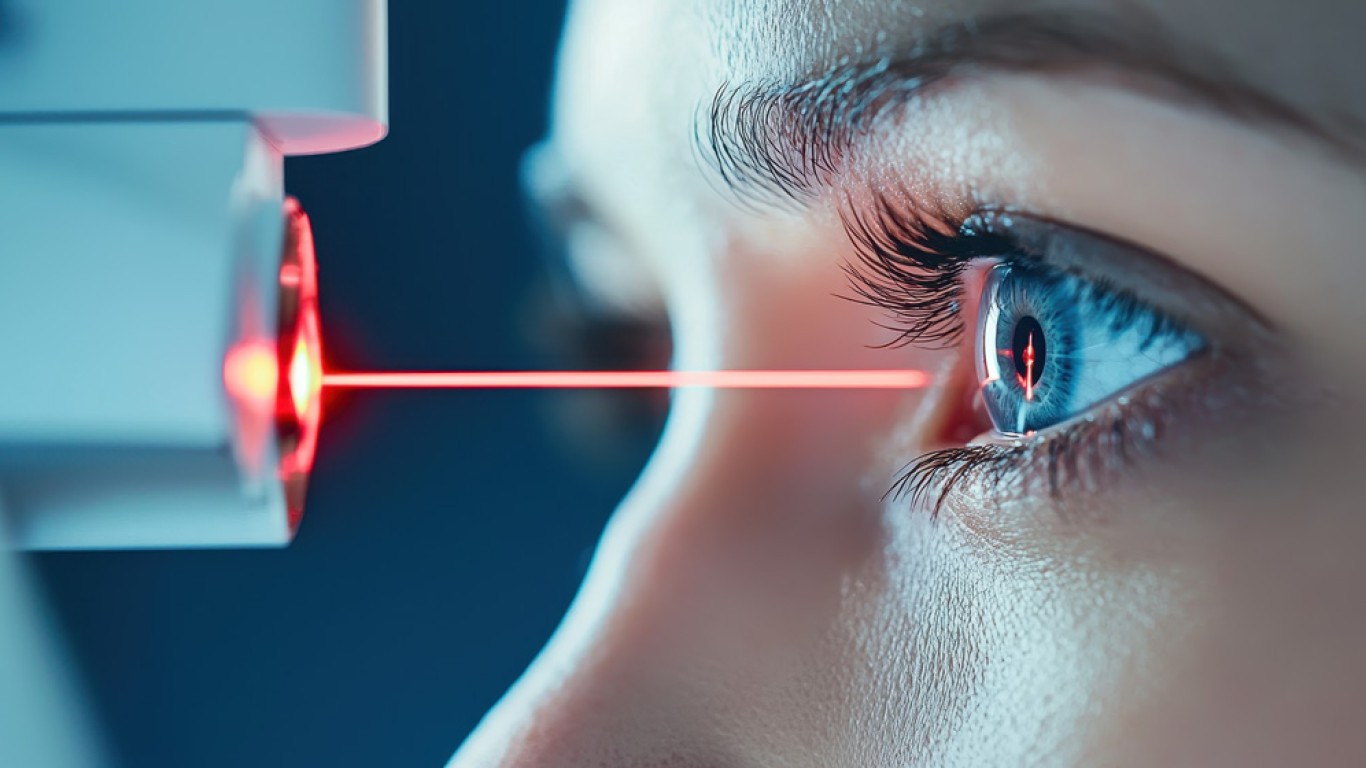
Femto LASIK replaces the blade with a femtosecond laser for flap creation. The laser delivers ultra-rapid pulses of light. These pulses create a precise plane of separation within the cornea. The flap is then lifted in the same way as standard LASIK. The excimer laser reshapes the cornea identically. Femto LASIK differs only in how the flap is made. The reshaping step is the same in both procedures. The femtosecond laser offers greater control over flap dimensions. Thickness, diameter and hinge position can be customised precisely. Femto LASIK is often described as bladeless LASIK. This terminology reassures patients uncomfortable with the concept of a blade near their eye. The laser approach creates a more uniform flap with consistent thickness across its entire surface.
Femto LASIK vs LASIK: Precision and Safety
| Feature | Femto LASIK | Standard LASIK |
| Flap creation | Femtosecond laser (bladeless) | Microkeratome blade |
| Flap precision | Higher | Good |
| Flap complications | Lower risk | Slightly higher risk |
| Corneal reshaping | Excimer laser | Excimer laser |
| Visual outcome | Excellent | Excellent |
| Recovery speed | Slightly faster | Fast |
| Cost | Slightly higher | Lower |
The Femto LASIK vs LASIK safety comparison centres on flap quality. The femtosecond laser creates a more uniform flap. Thickness variation is minimal. This consistency reduces the risk of flap-related complications. Incomplete flaps, irregular flaps and buttonhole flaps are less common with Femto LASIK. Femto LASIK vs LASIK complication rates are low for both. However, the laser approach provides a wider safety margin. The reduced risk appeals to patients and surgeons alike. Many ophthalmologists now prefer Femto LASIK as their standard technique. The improved flap quality also supports more predictable visual outcomes. A uniform flap allows the excimer laser to work on a consistent surface.

Femto LASIK vs LASIK: Visual Outcomes
Both techniques produce excellent visual results. The vast majority of patients achieve twenty-twenty vision or better. Femto LASIK visual outcome studies show comparable results overall. Some research suggests slightly better outcomes with Femto LASIK for higher prescriptions. The more precise flap may contribute to better visual quality in these cases. Contrast sensitivity and night vision outcomes are similar between the two techniques. Femto LASIK vs LASIK patient satisfaction rates are high for both. The visual outcome depends more on the excimer laser accuracy and surgeon skill than on the flap creation method alone. Both techniques produce life-changing vision improvement. Patients wearing glasses with prescriptions up to ten dioptres of short-sightedness achieve excellent results with either approach.
Femto LASIK vs LASIK: Recovery Comparison
Recovery is fast with both techniques. Most patients notice improved vision within hours. Femto LASIK vs LASIK recovery timelines are very similar. Some studies suggest slightly faster visual stabilisation with Femto LASIK. The more precise flap may promote marginally quicker healing. Dry eye symptoms during recovery are comparable between the techniques. Both require eye drops for several weeks. Light sensitivity resolves within a few days. Most patients return to normal activities within twenty-four to forty-eight hours. Femto LASIK vs LASIK recovery differences are subtle. Both allow patients to drive and work within a few days. Follow-up appointments at one day, one week and one month monitor healing progress. The ophthalmologist confirms visual stability at each visit.
Femto LASIK vs LASIK: Which Should You Choose?
The choice depends on several factors. Femto LASIK vs LASIK preference increasingly favours the laser approach. The improved precision and reduced flap complication risk make it the preferred option for many surgeons. Patients uncomfortable with a blade near their eye find the bladeless approach reassuring. Femto LASIK vs LASIK cost difference is modest. Femto LASIK is slightly more expensive due to the additional laser technology. The price difference is typically a few hundred pounds. Many patients consider this worthwhile for the improved safety margin. Standard LASIK remains an excellent option. Patients with straightforward prescriptions and normal corneal anatomy achieve outstanding results with either technique. The ophthalmologist recommends the most appropriate approach based on individual eye assessment. Corneal thickness, prescription and eye anatomy all guide the recommendation.
Femto LASIK vs LASIK: Suitability Considerations
Both techniques require sufficient corneal thickness. The cornea must be thick enough to create a flap and allow safe reshaping beneath. Femto LASIK vs LASIK suitability assessment follows the same criteria. Prescriptions should be stable for at least twelve months. Patients should be at least eighteen years old. General eye health must be good. Conditions such as keratoconus disqualify patients from both techniques. Femto LASIK may be preferred for patients with thinner corneas. The more precise flap control allows a thinner flap to be created safely. This preserves more corneal tissue for the reshaping stage. Femto LASIK vs LASIK for patients with very high prescriptions may favour the laser approach for similar reasons. The ophthalmologist determines suitability through comprehensive pre-operative eye examination.
Conclusion
Femto LASIK vs LASIK differs primarily in flap creation technique. Femto LASIK uses a laser. Standard LASIK uses a blade. Both produce excellent visual outcomes. Femto LASIK offers greater flap precision and a reduced risk of flap complications. Recovery is fast with both. Femto LASIK vs LASIK cost difference is modest. Many surgeons now prefer the laser approach as their standard technique. Professional consultation determines the most appropriate option based on individual eye assessment. Turkey offers both techniques at competitive pricing with experienced ophthalmologists.
For more information about LASIK and to book a consultation visit the ACIBADEM Beauty Center Laser Eye Surgery page.
Frequently Asked Questions
Femto LASIK uses a laser to create the corneal flap. Standard LASIK uses a mechanical blade.
Both produce excellent visual outcomes. Femto LASIK offers slightly greater precision.
It has a lower risk of flap-related complications due to more precise flap creation.
Slightly. The premium reflects the additional laser technology used.
The recommendation depends on individual eye assessment including corneal thickness and prescription.