Ataşehir Mah. Feza Sk. No:3 İstanbul / Türkiye
 French
  English
  German
  Spanish
Introduction
Facelift surgery is one of the most transformative cosmetic procedures available. It repositions descended tissue, removes excess skin and restores a more youthful facial contour. Turkey has become a leading destination for this procedure among international patients. The combination of experienced surgeons, modern hospitals and competitive pricing makes a facelift in Turkey an increasingly popular choice. Planning a facelift abroad requires careful preparation across several stages. This article guides patients through the complete journey from initial research to recovery at home. It explains what to expect at each step along the way.
Why International Patients Choose a Facelift in Turkey
Several factors drive the decision to travel to Turkey for facial rejuvenation. A facelift in Turkey typically costs forty to sixty percent less than equivalent surgery in the UK or USA. Surgeons perform facial procedures at high volume, which refines technique through extensive experience. Many Turkish surgeons hold international training credentials from European or American programmes. Hospitals maintain JCI accreditation and modern surgical facilities. All-inclusive packages simplify the experience for patients travelling from abroad. Turkey offers strong overall value when pricing, expertise and care quality are evaluated together.
Initial Research and Clinic Selection
The journey begins with researching clinics and surgeons. Patients should review before-and-after photographs specifically showing facelift results. Surgeon qualifications and board certification should be verified independently. Online reviews from verified patients provide genuine insight. Hospital accreditation should be confirmed through the JCI website. Shortlisting two to three clinics allows meaningful comparison. A facelift in Turkey requires selecting a surgeon who specialises in facial procedures rather than a generalist practitioner. Experience with the specific technique is particularly important for achieving natural-looking facial rejuvenation results.
Remote Consultation for a Facelift in Turkey
Most clinics offer video consultations for international patients. The surgeon assesses the face remotely using photographs taken from multiple angles. Skin laxity, jowling, neck descent and facial volume are evaluated. The surgeon discusses which facelift technique is most appropriate. Options may include a traditional facelift, deep plane facelift or mini facelift depending on the degree of ageing present. A treatment plan and pricing are provided. A facelift in Turkey consultation covers the same ground as a domestic appointment. Patients should use this opportunity to ask about recovery timelines, results and what's included.
What Facelift in Turkey Packages Typically Include
All-inclusive packages simplify planning significantly. A facelift in Turkey package typically includes:
- Pre-operative consultation, blood tests and health assessments.
- Surgeon fees, anaesthesia and hospital facility charges.
- One to two nights hospital stay with nursing care.
- Post-operative medications, compression garments and wound care supplies.
- Hotel accommodation for the recovery period.
- Airport transfers and interpreter services throughout the stay.
- Follow-up appointments before departure and remote aftercare.
Confirming exactly what is included before booking is important. It ensures patients understand the full value of their investment and avoids unexpected additional costs.
Travel Planning and Preparation
Most patients stay in Turkey for ten to fourteen days for a facelift procedure. This allows adequate time for the pre-operative appointment, surgery and initial recovery before travelling home. Flights to Istanbul are short from most European cities. Booking flexible tickets accommodates any scheduling adjustments. Comfortable clothing that opens at the front avoids pulling garments over the face after surgery. Travel insurance covering medical procedures abroad is recommended. The trip should be planned in advance to secure preferred surgery dates and accommodation arrangements.
Arrival and Pre-Operative Assessment
Upon arrival, patients attend an in-person consultation. The surgeon examines the face directly and confirms the surgical plan. Pre-operative blood tests and health assessments ensure fitness for anaesthesia. The specific facelift technique is finalised. Digital imaging may preview the expected outcome. The clinical team explains the procedure, recovery expectations and aftercare instructions. Any remaining questions are addressed before surgery. A facelift in Turkey pre-operative appointment is thorough and unhurried. Patients should feel confident and informed before proceeding. The appointment typically takes place one to two days before the scheduled surgery date.
The Facelift Procedure
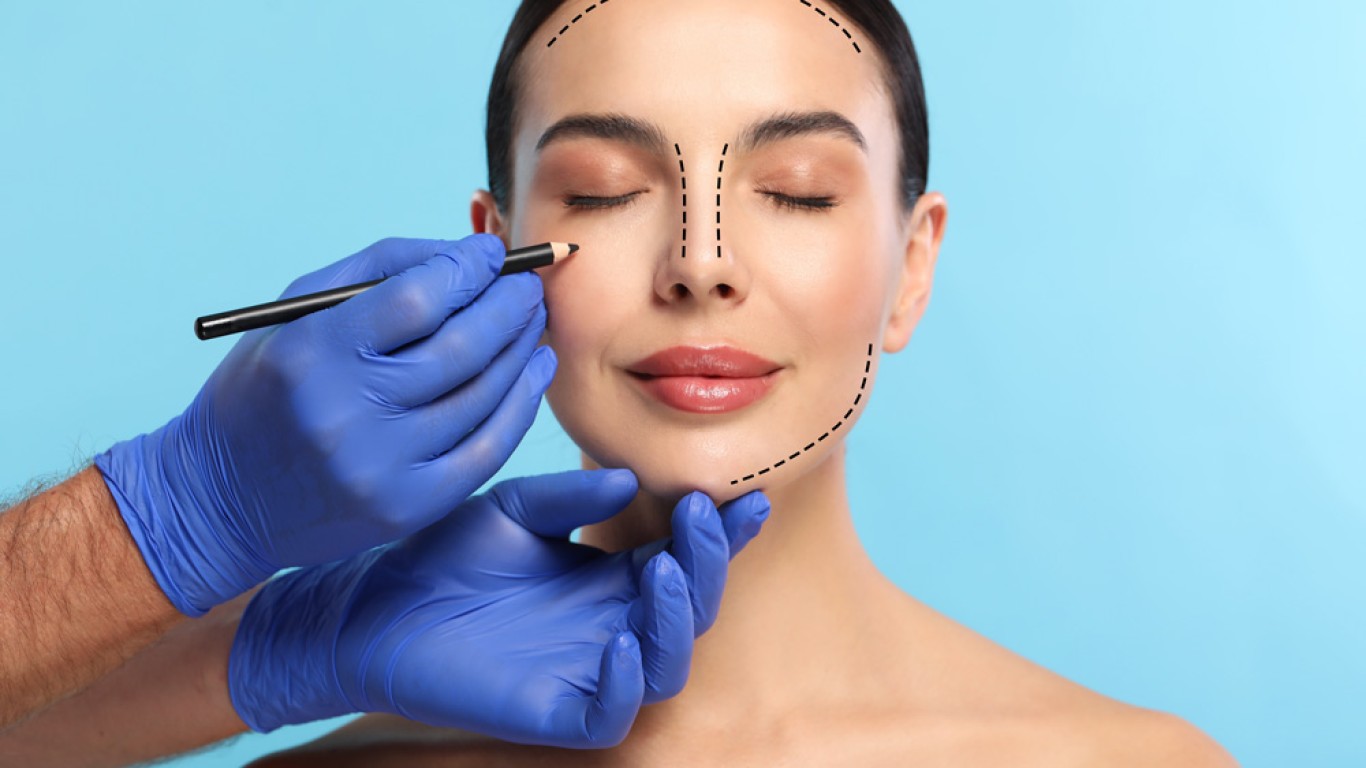
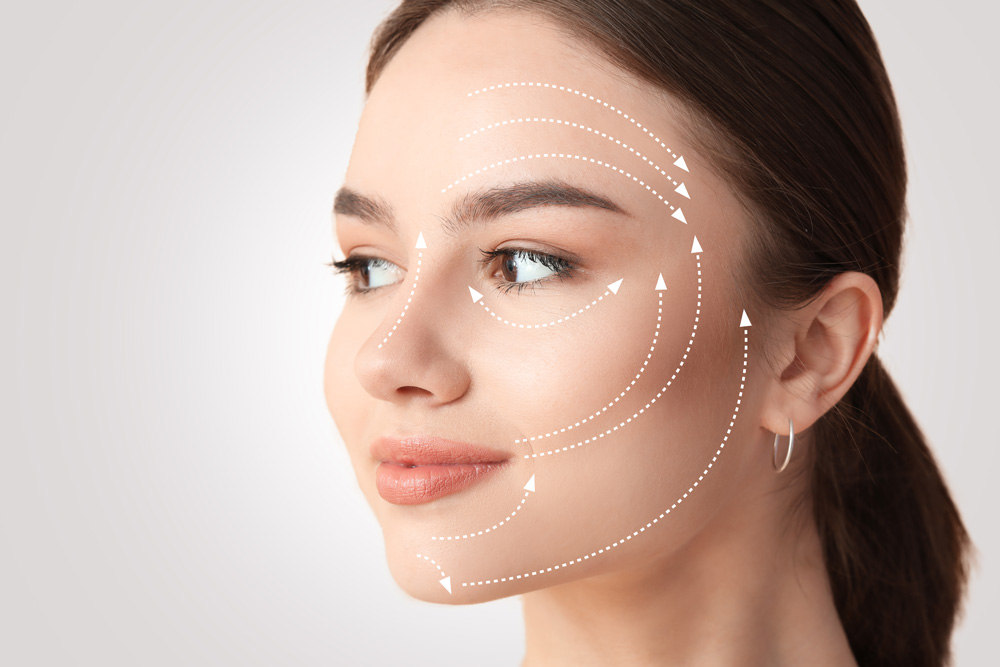
Surgery is performed under general anaesthesia. A traditional facelift typically takes three to five hours depending on the extent of correction. Incisions are placed around the ears and sometimes along the hairline. The surgeon lifts and repositions the underlying SMAS layer. Excess skin is removed and the remaining skin is redraped smoothly. A deep plane facelift addresses the structural layer directly for more comprehensive repositioning. A facelift in Turkey follows the same surgical principles and techniques used by leading practitioners worldwide. Bandages and drains are applied at the end of the procedure.
Recovery During the Stay in Turkey
The first few days involve rest and careful monitoring. Swelling and bruising around the face and neck are expected. Pain is managed with prescribed medication. Drains are typically removed within one to two days. The head should remain elevated during rest to reduce swelling. Light walking is encouraged to support circulation. A facelift in Turkey recovery stay allows the surgeon to monitor healing closely during the most critical early period. Bandages are adjusted or removed during the first week. Most patients feel comfortable attending their follow-up appointment within five to seven days of surgery.
Follow-Up Before Departure
The surgeon examines the healing progress before the patient travels home. Sutures may be removed or checked depending on the technique used. The treatment area is assessed for symmetry and healing quality. Detailed aftercare instructions are provided for the journey home and the weeks ahead. A facelift in Turkey follow-up ensures the patient is healing well before they leave. Many clinics provide direct contact information for post-operative queries. Patients should feel confident about their healing progress before booking their return flight. Remote follow-up consultations are typically scheduled for the weeks and months that follow.
Flying Home After a Facelift in Turkey
Most patients fly home between ten and fourteen days after surgery. The surgeon provides clearance to fly based on healing progress. Mild swelling may still be present during the flight. Keeping the head elevated and staying hydrated supports comfort during travel. Compression garments or bandages should be worn as directed. Sun protection for the face is important if travelling during daylight hours. A facelift in Turkey travel timeline allows sufficient healing before the journey. Most patients find the flight home comfortable at this stage of recovery.
Long-Term Recovery After Returning Home
Recovery continues for several months after returning home. Swelling decreases gradually over the following weeks. Bruising typically resolves within two to three weeks. Sensation changes in the facial skin are normal and resolve over time. Most patients feel comfortable in social settings within three to four weeks. A facelift in Turkey result continues to refine for six to twelve months as tissue settles into its final position. Remote follow-up with the surgical team monitors progress throughout this period. Patients send photographs at agreed intervals for review.
Facelift in Turkey: Results and Longevity
A well-performed facelift produces results that typically last eight to twelve years. The face appears refreshed, lifted and more defined. Jowling is reduced. The jawline and neck contour improve significantly. Natural ageing continues after surgery but from a repositioned baseline. A facelift in Turkey delivers the same quality and longevity of results as procedures performed in Western Europe when performed by experienced specialists. Sun protection and healthy lifestyle habits support the longevity of the surgical outcome. Patients report that the procedure was one of the most positive investments they have made.
Cost Comparison
A facelift in Turkey typically costs between €4,500 and €8,000 depending on the technique used and the extent of correction. Equivalent procedures in the UK typically range from £8,000 to £15,000. In the USA, pricing ranges from $12,000 to $25,000. Even after including flights and accommodation, the total investment for a facelift in Turkey remains substantially lower. The pricing difference reflects lower operational costs rather than reduced quality. Packages that include surgery, hospital stay, accommodation and transfers provide transparent pricing that supports planning.
Conclusion
A facelift in Turkey offers international patients access to experienced surgeons, modern facilities and comprehensive care at competitive pricing. The journey involves careful planning from remote consultation through to long-term recovery at home. All-inclusive packages simplify logistics. Results are long lasting and comparable to those achieved in Western Europe. Professional guidance ensures personalised surgical planning for each patient's unique facial anatomy and rejuvenation goals.
For more information about facelifts in Turkey visit the ACIBADEM Beauty Center Facelift page.
Frequently Asked Questions
Most patients stay ten to fourteen days.
Pricing typically ranges from €4,500 to €8,000.
Results typically last eight to twelve years.
Yes, most clinics offer video follow-up for international patients.
Yes, experienced Turkish surgeons deliver results comparable to leading Western practitioners.