Ataşehir Mah. Feza Sk. No:3 İstanbul / Türkiye
 English
Introduction
Bruising is a normal consequence of cosmetic surgery. Blood vessels are disrupted during any procedure. Blood leaks into the surrounding tissue. The visible discolouration follows. Bruising after cosmetic surgery is temporary. However, its appearance during recovery causes significant anxiety for many patients. Understanding how long bruising lasts, what influences its duration and how to speed resolution helps patients plan their social return with confidence. This article covers bruising timelines for every common cosmetic procedure.
Why Bruising After Cosmetic Surgery Occurs
Every surgical procedure disrupts blood vessels. Bruising after cosmetic surgery is the visible result of blood leaking into the tissue surrounding the surgical site. The blood pools beneath the skin. Haemoglobin in the leaked blood creates the characteristic purple discolouration. Bruising after cosmetic surgery severity depends on the extent of surgical dissection. Procedures involving more tissue manipulation produce more bruising. Facelifts create extensive bruising because the skin is elevated over a large area. Rhinoplasty creates periorbital bruising because the nasal bones are repositioned near the eye socket.
Bruising post cosmetic surgery also depends on individual patient factors. Blood-thinning medications increase bruising. Aspirin, ibuprofen, fish oil supplements and certain herbal remedies all affect blood clotting. Bruising after cosmetic surgery patients who stop these products before surgery as directed experience less severe discolouration. Age affects bruising. Older skin bruises more easily. The blood vessels are more fragile. The surrounding tissue provides less support. Bruising post cosmetic surgery in older patients may be more extensive and slower to resolve than in younger patients.
Bruising After Cosmetic Surgery: Timeline by Procedure
| Procedure | Bruising Duration | Concealable By |
| Rhinoplasty | Seven to fourteen days | Day ten to fourteen with makeup |
| Facelift | Ten to twenty-one days | Day fourteen to twenty-one |
| Blepharoplasty | Seven to fourteen days | Day seven to ten with makeup |
| Breast augmentation | Seven to fourteen days | Hidden by clothing |
| Tummy tuck | Ten to twenty-one days | Hidden by clothing |
| Liposuction | Fourteen to twenty-eight days | Hidden by clothing |
| Botox / filler | One to seven days | Day two to three with makeup |
The Colour Progression
Bruising changes colour as it heals. Bruising post cosmetic surgery starts dark purple or blue within the first twenty-four to forty-eight hours. This represents fresh blood beneath the skin. The haemoglobin is intact. The colour is intense. Bruising after cosmetic surgery transitions to dark blue and purple during days two to four. The bruise may spread slightly as gravity pulls the leaked blood downward. Facial bruising may track from the eyes down to the cheeks. Abdominal bruising may extend toward the hips. Bruising post cosmetic surgery turns green at approximately days five to seven.
The body begins breaking down the haemoglobin. Biliverdin, a green pigment, is produced during this process. The green colour indicates active healing. Bruising after cosmetic surgery transitions to yellow at approximately days seven to fourteen. Bilirubin, a yellow pigment, replaces the green. This is the final colour stage before resolution. Yellow bruising is much easier to conceal with makeup than purple or green. Bruising post cosmetic surgery fades from yellow to skin tone over the following days. The body absorbs the remaining pigment. Skin returns to its normal colour. The bruise has fully resolved.

Bruising After Cosmetic Surgery: Facial Procedures
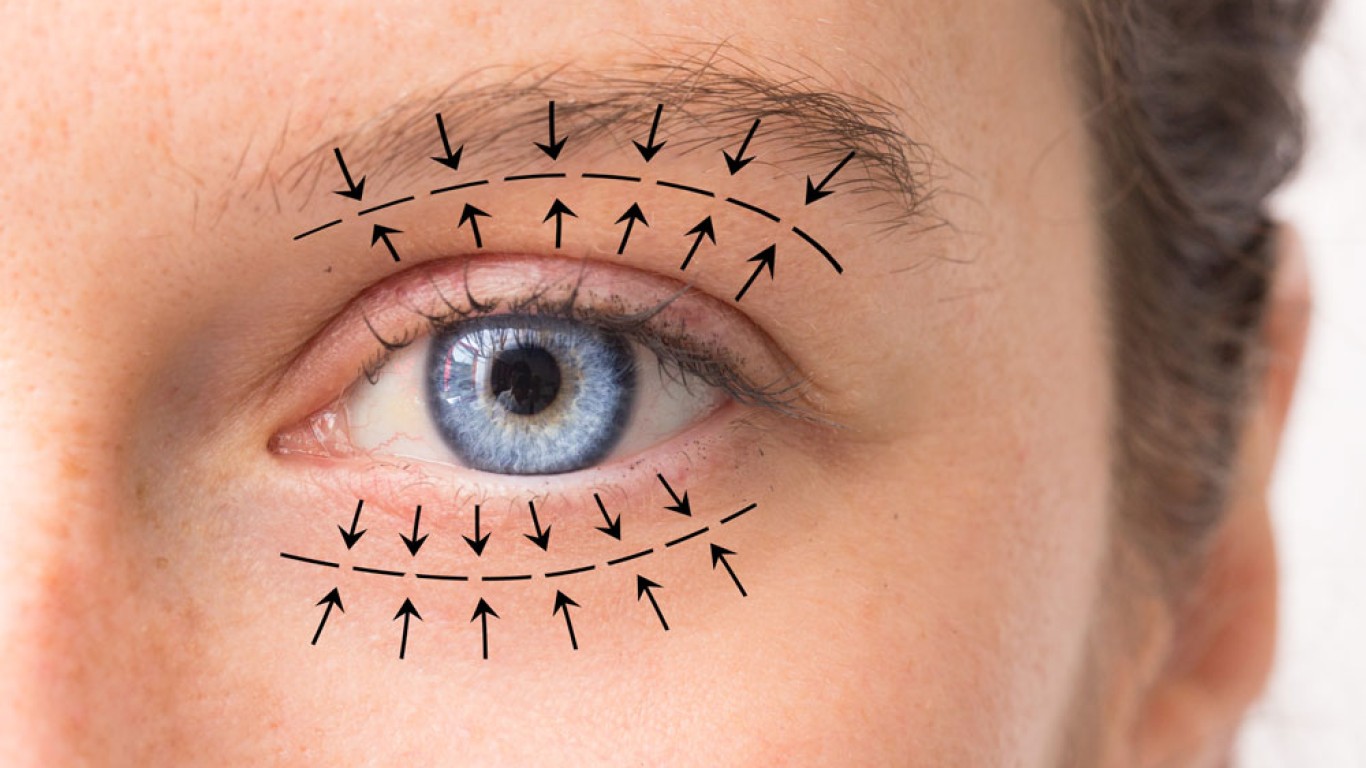
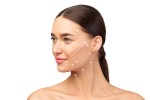
Facial bruising is the most socially impactful. Bruising post cosmetic surgery on the face cannot be hidden by clothing. It is visible in every social interaction. Rhinoplasty produces periorbital bruising. The blood tracks from the nasal bones into the tissue around the eyes. Dark circles and discolouration develop beneath and around the eyes. Bruising after cosmetic surgery rhinoplasty typically resolves within seven to fourteen days. Makeup can conceal residual yellow discolouration from day seven to ten. Bruising post cosmetic surgery facelift is more extensive.
The surgical dissection covers a larger area. Bruising extends across the cheeks, jawline and neck. It may track down to the chest. Bruising after cosmetic surgery facelift takes ten to twenty-one days to resolve. The later stages are concealable with makeup. Most patients feel comfortable socially at two to three weeks. Bruising post cosmetic surgery blepharoplasty affects the eyelid and periorbital area. It resolves within seven to fourteen days. Sunglasses provide effective concealment during the resolution period.
Bruising After Cosmetic Surgery: Body Procedures
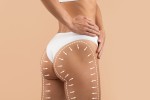
Body bruising is extensive but concealed. Bruising post cosmetic surgery on the body is hidden beneath clothing. This reduces social impact significantly. Patients can return to social settings earlier because the bruising is invisible to others. Bruising after cosmetic surgery tummy tuck extends across the lower abdomen and may track toward the hips and thighs. The bruising is significant but resolves within ten to twenty-one days. Compression garment wear may disguise the discolouration beneath clothing. Bruising post cosmetic surgery liposuction is among the most extensive. Multiple treatment zones produce widespread discolouration. The bruising may appear alarming. It looks worse than it feels. Bruising after cosmetic surgery liposuction takes fourteen to twenty-eight days to resolve fully. The compression garment conceals the bruising and supports resolution through gentle pressure. Bruising post cosmetic surgery breast augmentation is relatively mild compared with body contouring. The surgical bra conceals any visible discolouration.
How to Reduce Bruising After Cosmetic Surgery
Several strategies accelerate resolution. Bruising post cosmetic surgery responds to arnica supplementation. Arnica montana taken before and after surgery may reduce bruising severity. The evidence is mixed but many patients report improvement. Bruising after cosmetic surgery benefits from cold compresses during the first forty-eight hours. Cold constricts blood vessels. Less blood leaks into the tissue. The bruise is less extensive. After forty-eight hours, cold becomes less effective. Bruising post cosmetic surgery head and body elevation reduces the severity of facial bruising. Gravity encourages blood to drain away from elevated areas.
Sleeping with the head elevated for the first week reduces periorbital and facial bruising. Bruising post cosmetic surgery avoidance of blood-thinning substances is the most impactful preventive step. Stopping aspirin, ibuprofen, fish oil, vitamin E, ginkgo biloba and green tea supplements two weeks before surgery reduces bruising significantly. The surgeon provides a specific list of substances to avoid. Bruising after cosmetic surgery resolves faster with gentle movement. Light walking promotes circulation. The body processes the leaked blood more efficiently when blood flow is maintained.
Conclusion
Bruising after cosmetic surgery is a normal, temporary consequence of tissue disruption. Duration ranges from a few days for non-surgical treatments to three to four weeks for extensive body contouring. Facial bruising resolves in seven to twenty-one days depending on the procedure. The colour progresses from purple through green and yellow to skin tone. Arnica, cold compresses, elevation and avoiding blood thinners reduce severity. Makeup conceals residual discolouration from day seven to ten for facial procedures. Most bruising resolves completely without intervention. Professional guidance supports patients through the healing phase.
For more information about cosmetic surgery and to book a consultation visit the ACIBADEM Beauty Center Aesthetics page.
Frequently Asked Questions
Seven to twenty-one days for most procedures. Liposuction may take up to four weeks.
Purple to blue to green to yellow to skin tone. Each stage indicates progressive healing.
Arnica, cold compresses, elevation and avoiding blood thinners all help. Light walking promotes circulation.
Day seven to ten for facial procedures once the surgeon confirms it is safe near incisions.
If bruising worsens after the first week, or is accompanied by increasing pain and firmness. Contact the surgeon.