Ataşehir Mah. Feza Sk. No:3 İstanbul / Türkiye
 English
Introduction
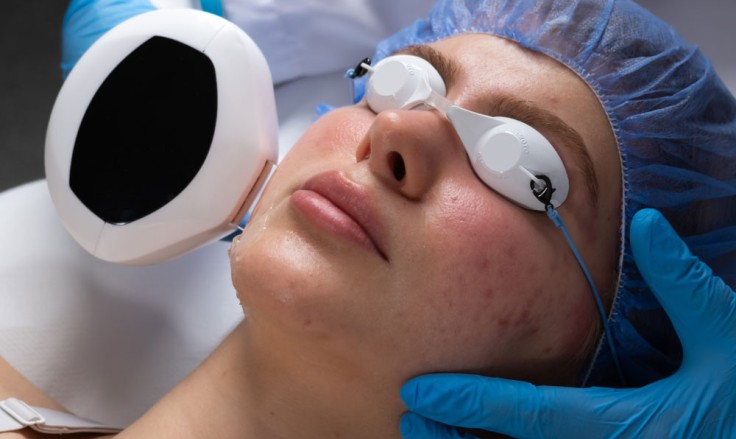
Microneedling is a popular skin treatment that stimulates the skin's natural repair process. It is used to improve scarring, fine lines, enlarged pores, uneven texture and stretch marks. A common question is how many microneedling sessions are needed to see a visible difference. Results build gradually, so most patients need a course of treatments rather than a single session. This guide explains the typical number of microneedling sessions needed for different skin concerns. It also covers the timing between sessions, when results appear and how to maintain them.
What Is Microneedling?
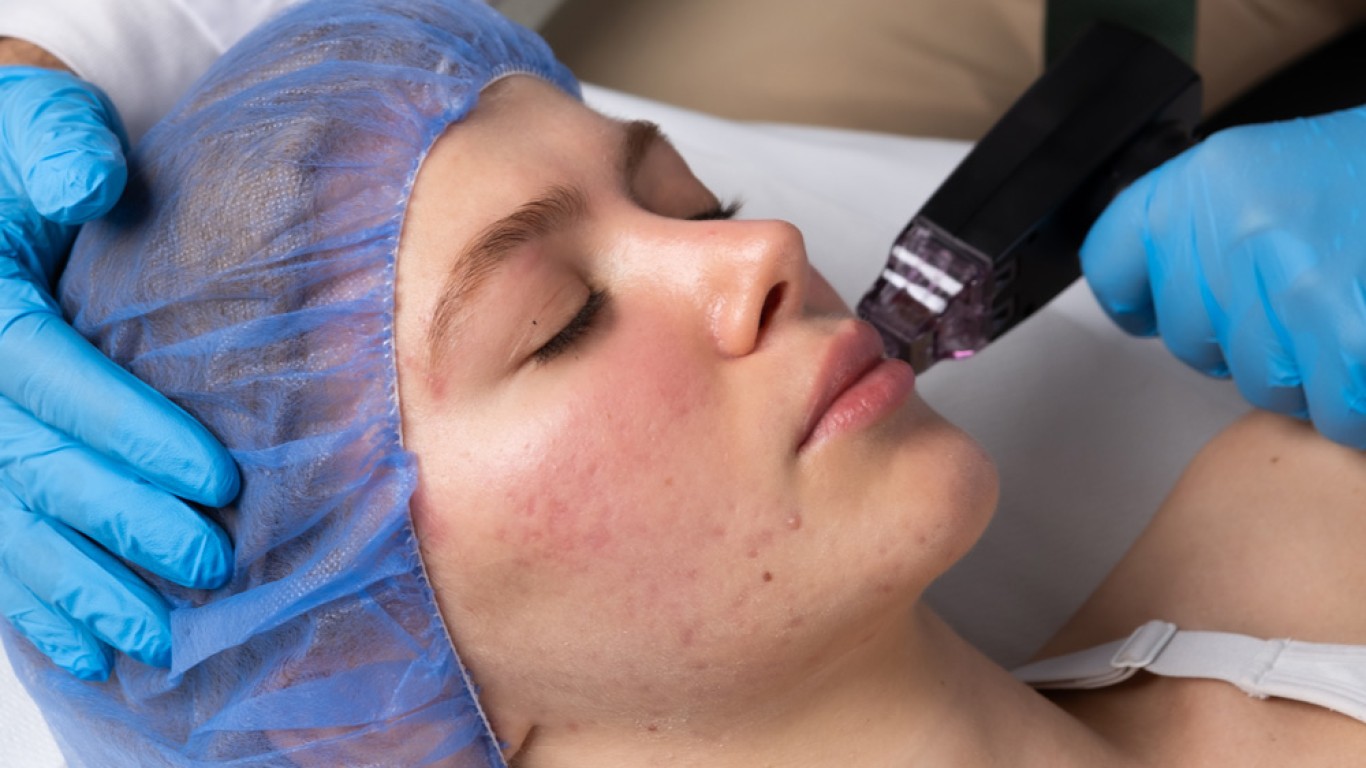
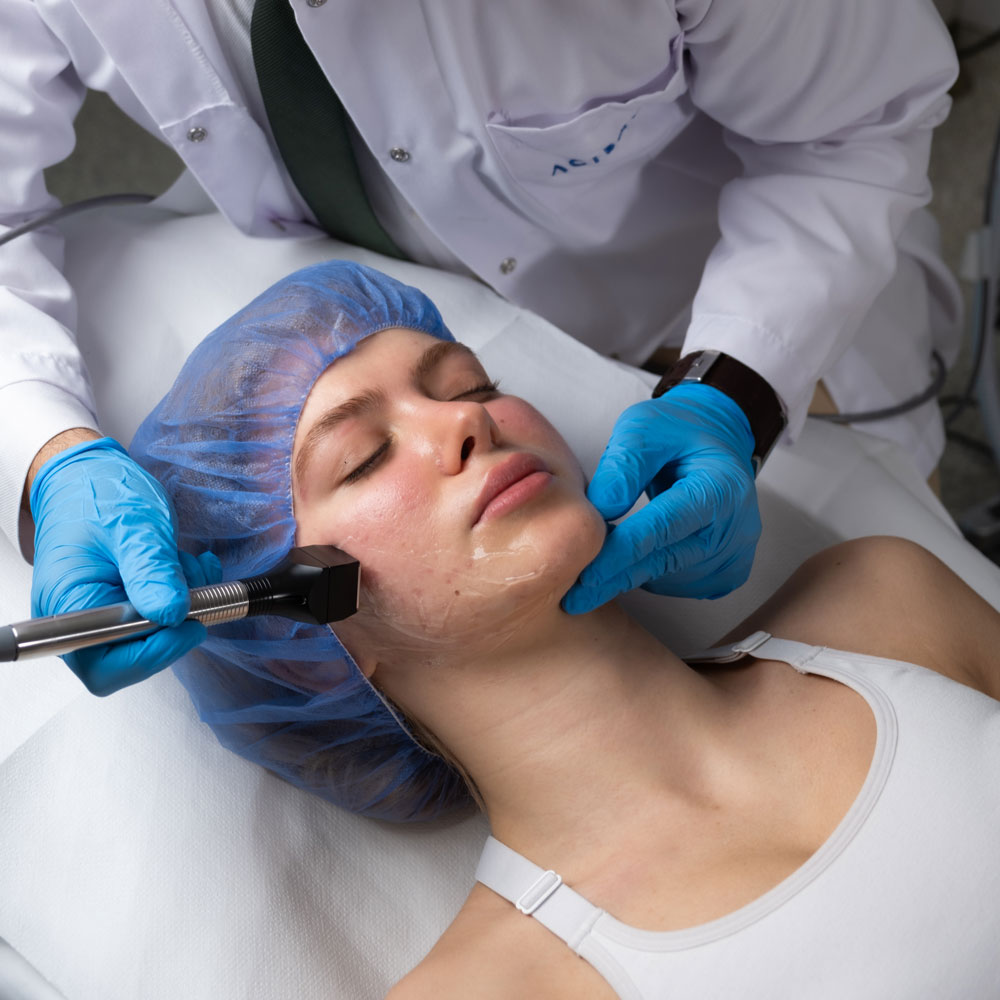
Microneedling uses a device fitted with very fine needles to create tiny channels in the skin. These controlled micro-injuries trigger the body's wound-healing response. As the skin repairs itself, it produces new collagen and elastin. Over time, this can improve firmness, texture and the appearance of some scars. Some clinics also offer radiofrequency microneedling, which delivers heat through the needles for a deeper effect. This version may need fewer sessions for some concerns but usually involves more downtime.
Microneedling Sessions Needed: Why a Course Works Best
Collagen production takes several weeks, which is why microneedling results build gradually. Each session adds to the improvement made by the previous one, so results are cumulative. New collagen continues to form for several weeks after each treatment. Spacing sessions apart allows the skin to complete this process before the next round of stimulation. This is why a course of treatments usually gives better results than one session alone. The number of microneedling sessions needed depends mainly on the concern being treated.
Microneedling Sessions Needed for Acne Scars
Acne scars usually need more sessions than general skin rejuvenation. Most treatment plans involve four to six sessions spaced four to six weeks apart. Rolling scars and shallow boxcar scars tend to respond best to microneedling. Deeper icepick scars may need additional treatments, such as targeted chemical treatments or subcision. Microneedling is often combined with platelet-rich plasma for acne scars. Some studies suggest this combination can improve results compared with microneedling alone. Patients with active acne usually need to wait until breakouts are under control before starting treatment. Treating inflamed skin can spread bacteria and increase the risk of irritation or infection. Your practitioner will assess the skin carefully and advise on the best time to begin.
Microneedling Sessions Needed for Fine Lines and Skin Texture
For fine lines, dullness and uneven texture, a course of three to four sessions is common. These are usually spaced around four weeks apart to allow collagen to develop between treatments. Many patients notice brighter, smoother skin after the first one or two sessions. More noticeable improvement in firmness usually becomes clear towards the end of the course. Microneedling is less effective for deep wrinkles or significant sagging in the lower face and neck. In these cases, other treatments such as laser resurfacing, fillers or HIFU may be discussed.
Microneedling Sessions Needed for Pores, Stretch Marks and Pigmentation
Enlarged pores often improve with a course of three to four sessions. Results build gradually as the surrounding skin becomes firmer, smoother and more even in tone. Stretch marks usually need a longer course, often four to six sessions or more. Newer pink or red stretch marks tend to respond better than older, silvery marks. Microneedling may also help some types of pigmentation as part of a wider treatment plan. However, patients prone to darkening of the skin need careful assessment before treatment.
Microneedling Sessions Needed: A Summary Table
The table below summarises typical session numbers for common concerns. These figures are general guides, and individual plans will vary.
| Concern | Typical Sessions | Interval | Maintenance |
| Acne scars | 4 to 6 | 4 to 6 weeks | As advised after the course |
| Fine lines and texture | 3 to 4 | Around 4 weeks | 1 to 2 sessions a year |
| Enlarged pores | 3 to 4 | Around 4 weeks | 1 to 2 sessions a year |
| Stretch marks | 4 to 6 or more | 4 to 6 weeks | As advised after the course |
| General rejuvenation | 3 | Around 4 weeks | 1 to 2 sessions a year |
Your practitioner will recommend a plan based on your skin type and concern.
Factors That Affect Microneedling Sessions Needed
Several factors influence the number of microneedling sessions needed to reach your goals. Understanding them helps to set realistic expectations from the start.
Factors that affect the number of sessions include the following:
- The type, depth and severity of the concern being treated
- Skin type, age and how quickly the skin heals
- The needle depth and device used by the practitioner
- Whether microneedling is combined with PRP or other treatments
- Sun protection and skincare between sessions
- Smoking and other lifestyle factors that affect healing
Deeper treatments may produce stronger results per session but often involve slightly more downtime. The treatment area also matters, as thicker body skin may tolerate deeper needles. Delicate areas, such as beneath the eyes, are usually treated more gently. A personalised course takes all of these factors into account from the first consultation.
How Far Apart Should Microneedling Sessions Be?
Most microneedling sessions are spaced around four to six weeks apart. This gives the skin enough time to heal and produce new collagen between treatments. Having sessions too close together does not usually speed up or improve results. It may also increase irritation and the risk of side effects. For radiofrequency microneedling, sessions are often spaced four to six weeks apart as well. Planning the full course in advance can make it easier to fit sessions around work and holidays. Many patients prefer to schedule treatment during autumn and winter, when sun exposure is lower. Lower sun levels make aftercare simpler and reduce the risk of pigment changes after each session. Your practitioner will confirm the right interval for your skin and the device used.
Conclusion
The number of microneedling sessions needed depends on the concern and how your skin responds. Most patients need three to six sessions spaced four to six weeks apart. Maintenance sessions once or twice a year can help to sustain results. A professional assessment is the best way to plan the right number of sessions. Additionally, understanding the microneedling sessions needed helps patients plan treatment around their daily commitments. A personalised schedule considers skin sensitivity, healing time and the improvements patients hope to achieve. Furthermore, the microneedling sessions needed may change as the skin responds throughout treatment. Regular reviews allow practitioners to adjust the course without unnecessary appointments. Consistent aftercare, gentle skincare and daily sun protection also support recovery. Ultimately, patience and realistic expectations are important for achieving lasting improvements.
Explore skin treatments at ACIBADEM Beauty Center to learn more about how many microneedling sessions needed.
Frequently Asked Questions
One session can brighten the skin and improve texture slightly. However, most concerns need a course of treatments for lasting results. Scars and stretch marks usually need several sessions.
Most practitioners recommend spacing sessions around four to six weeks apart. This allows the skin to heal and build collagen between treatments. More frequent sessions are not usually recommended.
Most acne scar treatment plans involve four to six sessions. Deeper scars may need additional treatments as well. Your practitioner will assess your scars before planning a course.
Radiofrequency microneedling may need fewer sessions for some concerns. It delivers heat through the needles for a deeper effect. Downtime is usually slightly longer than standard microneedling.
Results can last for many months or longer with good skincare and sun protection. The skin continues to age naturally over time. Maintenance sessions can help to preserve results.