Ataşehir Mah. Feza Sk. No:3 İstanbul / Türkiye
 French
  English
  German
  Spanish
Introduction
Collagen is the most abundant structural protein in the skin. It provides firmness, strength and elasticity. As the body ages, collagen production naturally declines. This leads to visible changes such as fine lines, sagging and texture loss. Regenerative treatments that support collagen renewal have become a central focus in modern aesthetic medicine. Polynucleotide therapy is one such treatment that works at a cellular level. It works by stimulating the body's own repair mechanisms. Understanding how polynucleotide therapy supports collagen and skin regeneration helps patients appreciate the science behind this increasingly popular approach to skin rejuvenation.
The Science Behind Polynucleotide Therapy
Polynucleotide therapy uses purified chains of nucleotides derived from biological sources. These molecules are biocompatible with tissue and have been extensively studied for their regenerative properties. When injected into the skin, polynucleotides interact with fibroblasts. These are the cells responsible for producing collagen and elastin. The treatment activates these fibroblasts, increasing their production of structural proteins. The molecules also provide a biological scaffold that supports tissue repair. They also attract water molecules into the tissue. This improves hydration at a cellular level. This multi-action mechanism distinguishes the therapy from simpler hydration treatments.
How It Stimulates Collagen
Collagen stimulation is one of the primary benefits of polynucleotide therapy. The treatment activates fibroblasts through specific cellular signalling pathways. Once activated, fibroblasts increase their output of type I and type III collagen. Type I collagen provides structural firmness. Type III collagen supports skin flexibility and resilience. The treatment triggers a sustained increase in collagen production. It continues for weeks after each treatment session. This ongoing biological response means that results develop progressively rather than appearing immediately. The cumulative effect of multiple sessions produces meaningful improvement in skin firmness and structure.
Polynucleotide Therapy and Elastin Production
Beyond collagen, polynucleotides also support elastin production. Elastin is the protein responsible for skin elasticity. It is responsible for the ability to bounce back after stretching. As elastin declines with age, the skin loses its resilience. The treatment stimulates fibroblasts to produce elastin alongside collagen. This dual protein stimulation creates comprehensive structural improvement. Patients often notice that their skin feels firmer and supple after completing a treatment course. The combination of increased collagen and elastin produces tighter skin. This develops naturally over the following weeks.
Anti-Inflammatory Benefits
Polynucleotide therapy provides notable anti-inflammatory benefits that support skin health. Chronic low-grade inflammation contributes to accelerated ageing and skin sensitivity. The anti-inflammatory properties of polynucleotides help reduce redness and calm reactive skin. The treatment may benefit patients with conditions characterised by skin sensitivity or irritation. Reducing inflammation creates a healthier cellular environment. This supports more effective collagen production because inflammatory processes can interfere with fibroblast activity. This anti-inflammatory action therefore complements its regenerative effects by creating optimal conditions for tissue renewal.
Skin Hydration Benefits
Hydration plays a crucial role in skin health and appearance. Polynucleotides improve hydration by attracting and retaining moisture within the skin tissue. The molecules bind water at a cellular level, plumping the skin from within. This hydration effect reduces the appearance of fine surface lines. The treatment provides deeper and more sustained hydration than topical moisturisers alone. The moisture-attracting properties work alongside collagen stimulation to produce skin that looks fuller and radiant. Patients with chronically dehydrated skin often notice significant improvement in texture and comfort after treatment.
Which Skin Concerns Does Polynucleotide Therapy Address?
Polynucleotide therapy addresses a range of skin concerns related to ageing and quality.
Specific applications include:
- Fine lines and wrinkles caused by collagen and elastin depletion.
- Skin laxity and reduced firmness in the face and neck.
- Dull, tired-looking skin that lacks radiance and vitality.
- Dehydrated skin that does not respond well to topical products alone.
- Post-treatment recovery following laser or chemical peel procedures.
The treatment supports comprehensive skin health improvement. It works most effectively as part of a broader skincare treatment plan developed with guidance.
The Polynucleotide Therapy Treatment Experience
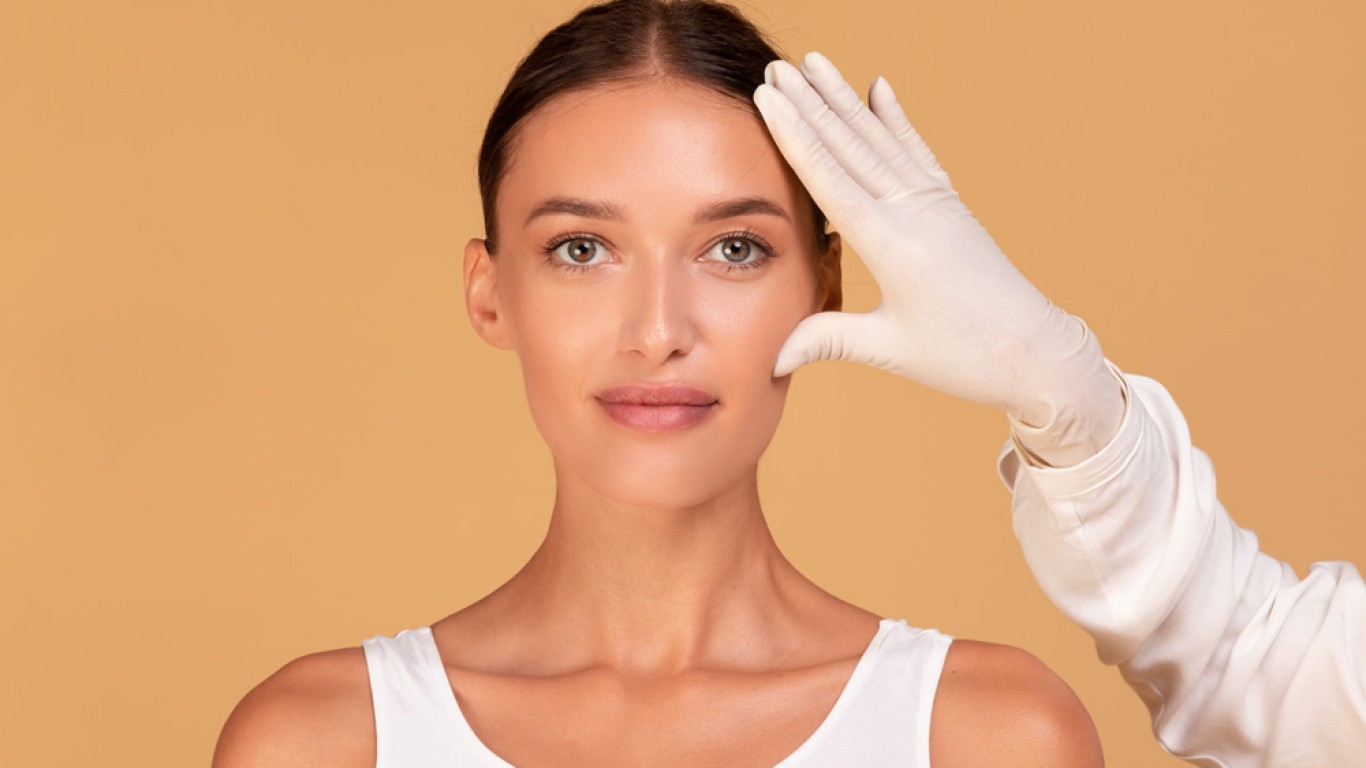
The treatment is administered through a series of small injections into the treatment area. Topical numbing cream is applied for comfort before the procedure begins. Using a fine needle or cannula, the practitioner delivers the solution into the targeted layers. Treatment typically takes thirty to forty-five minutes. Most patients experience only mild discomfort during the procedure. The treatment causes minimal disruption. Small injection marks or slight redness may appear temporarily. These resolve within one to two days. Patients return to normal activities immediately after the appointment.
Expected Results
Results from polynucleotides develop gradually as the biological processes it triggers take effect. Initial hydration improvement may be noticeable within the first week after treatment. Skin texture and firmness continue to improve over the following four to eight weeks. Results become most apparent after completing a full course of three to four sessions. The skin appears firmer, smoother and more radiant. Fine lines may appear softened. The overall complexion looks healthier and more even. Results are subtle and natural. Patients typically report that their skin looks refreshed rather than treated.
Long-Term Skin Health
Regular treatment supports long-term skin health beyond immediate cosmetic improvement. By stimulating ongoing collagen production, the treatment helps slow the visible progression of ageing. Consistent sessions maintain the regenerative benefits achieved during the initial course. The treatment promotes a healthier skin environment that supports better cellular function over time. Patients who incorporate the treatment into a regular maintenance programme often report sustained improvement in skin quality across months and years. The long-term perspective makes polynucleotide therapy an investment in ongoing skin health. Rather than a one-time cosmetic fix.
Combining with Other Treatments
Polynucleotide therapy combines effectively with other aesthetic treatments. Microneedling paired with polynucleotides enhances penetration and amplifies the regenerative response. Skin boosters provide complementary hydration alongside polynucleotide collagen stimulation. Laser treatments followed by polynucleotides may support faster recovery and improved outcomes. The approach works well as both a standalone treatment. It is effective as one component of a comprehensive rejuvenation plan. Treatment combinations are discussed during consultation to determine the most effective approach for each patient.
Who Benefits Most from Polynucleotide Therapy?
The treatment benefits a broad range of patients. Individuals in their thirties and forties who notice early firmness loss and texture changes are strong candidates. Patients with sun-damaged skin may see notable improvement in quality and radiance. Those preparing for or recovering from other procedures use the treatment to support their skin. Patients seeking subtle and natural improvement rather than dramatic visible change are particularly well suited. The treatment is appropriate for most skin types. A professional consultation assesses individual suitability based on skin condition, concerns and goals.
What to Expect During the First Session
The first polynucleotide therapy session begins with a thorough skin assessment. The practitioner evaluates texture, firmness, hydration levels and any specific concerns. Treatment areas are identified and marked. Topical numbing cream ensures comfort throughout the injection process. The session typically takes thirty to forty-five minutes. Patients may notice mild redness or small injection marks afterward. These resolve quickly. The practitioner discusses aftercare, expected timelines and the recommended number of follow-up sessions. Results from the first session are subtle - the most significant improvements developing after subsequent treatments.
Conclusion
Polynucleotide therapy supports skin regeneration. It does this in a number of ways - through collagen stimulation, elastin production, anti-inflammatory action and deep hydration. The treatment works at a cellular level to improve skin firmness, texture and radiance. Results develop gradually over weeks and months. The therapy is safe, minimally invasive and suitable for a wide range of skin types. Combining polynucleotides with other treatments can enhance overall outcomes. Professional consultation ensures a personalised treatment plan tailored to individual skin concerns.
For more information and to book a consultation visit the ACIBADEM Beauty Center Skin Treatments page.
Frequently Asked Questions
It activates fibroblasts, the cells that produce collagen and elastin.
Three to four sessions spaced two to four weeks apart.
Yes, anti-inflammatory properties may benefit sensitive skin types.
Improvement develops over four to eight weeks after treatment.
Yes, it pairs well with microneedling, skin boosters and laser therapy.