Ataşehir Mah. Feza Sk. No:3 İstanbul / Türkiye
 French
  English
  German
  Spanish
Introduction
The aesthetic medicine landscape evolves with treatments that work alongside the body's natural processes. Among the most talked-about innovations in recent years are injectable therapies that stimulate tissue repair at a cellular level. These represent a refined approach to skin regeneration that has gained traction across clinics worldwide. These treatments use biologically derived molecules to support collagen production. They will improve hydration and enhance overall skin quality. Understanding what polynucleotide treatments 2026 offer helps patients evaluate whether this therapy aligns with their rejuvenation goals and skin concerns.
What Are Polynucleotides?
Polynucleotides are long chains of nucleotides. These are the basic building blocks of DNA. In aesthetic medicine, polynucleotides are purified for injection. They are typically derived from salmon or trout DNA. A rigorous purification process is used. The resulting product is biocompatible with human tissue. These purified molecules are used to trigger regenerative responses in the skin. When injected, polynucleotides stimulate fibroblast activity. This is the cellular process that produces collagen and elastin. They also attract moisture into the tissue, improving hydration from within.
How Polynucleotide Treatments 2026 Work
Polynucleotide treatments 2026 work through several biological mechanisms simultaneously. The molecules activate fibroblasts. Collagen and elastin production increases. This structural boost improves firmness and resilience. Polynucleotides also have anti-inflammatory properties that help calm sensitised or irritated skin. They act as biological scaffolds that support tissue repair. Free radical scavenging protects cells from damage. The treatment therefore addresses multiple aspects of skin ageing in a single therapy. Results develop gradually over weeks and months.
Key Benefits of Polynucleotide Treatments 2026
The benefits of polynucleotide treatments 2026 span several aspects of skin health. Key advantages include:
• Stimulation of collagen and elastin production for improved firmness.
• Enhanced skin hydration through moisture-attracting properties.
• Anti-inflammatory effects that reduce redness and sensitivity.
• Improved skin texture and smoothness over successive treatments.
• Antioxidant protection against environmental damage and free radicals.
The therapy offers a comprehensive approach to skin quality improvement. This is rather than targeting a single concern. This multifaceted action makes them suitable for a broad range of patients.
Who Is Suitable for Polynucleotide Treatments 2026?
Polynucleotide treatments 2026 suit a wide range of patients with different skin concerns. Individuals with early signs of ageing may benefit. Fine lines and reduced firmness respond to the collagen-stimulating effects. Patients with dehydrated or dull skin often notice improved radiance after treatment. Those with sensitive or reactive skin may appreciate the anti-inflammatory properties. Polynucleotide treatments 2026 are suitable for most skin types and tones. Candidates should be in good general health. The treatment is appropriate for patients seeking gradual, natural improvement rather than dramatic immediate changes. A consultation determines individual suitability.
Treatment Areas for Polynucleotide Treatments 2026
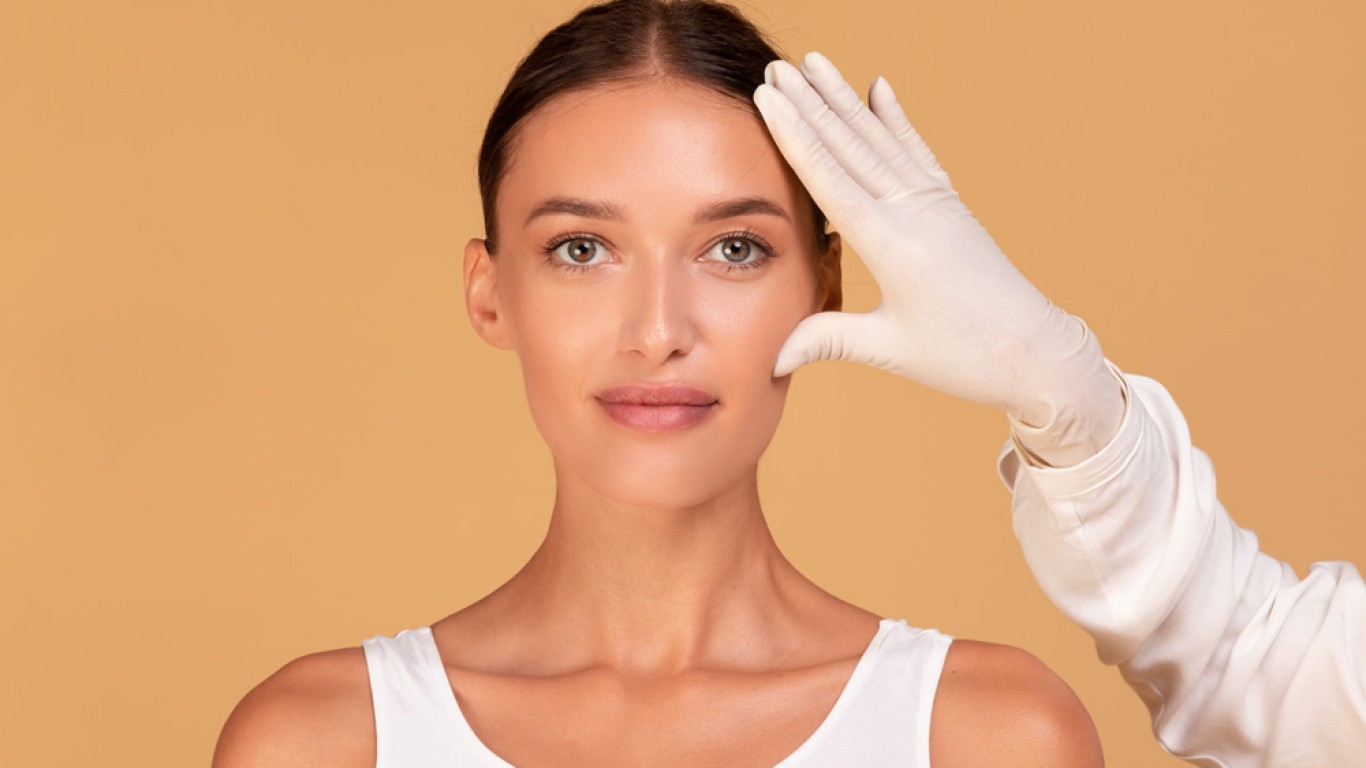
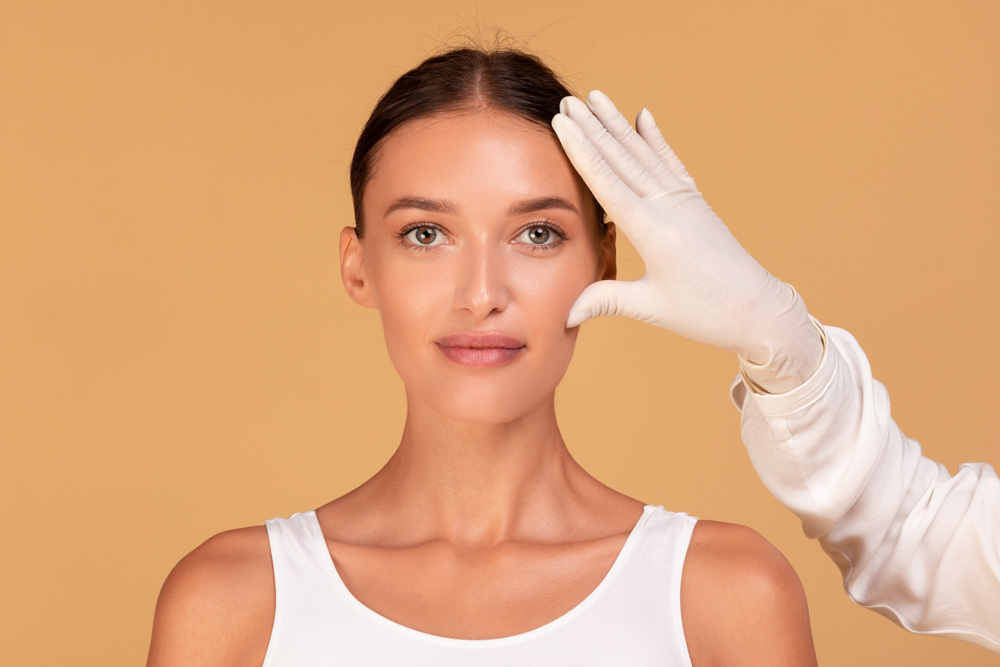
Polynucleotide treatments 2026 can be applied to several areas of the face and body. The face is the most commonly treated area. With particular focus on the cheeks, under-eye region and forehead. The neck and decolletage respond well to treatment. This is because these areas are prone to crepey texture and sun damage. The hands can also benefit from improved hydration and texture. The treatment is versatile enough to address quality concerns across multiple zones in one session. Treatment planning identifies the areas that will benefit most based on each patient's specific concerns.
The Treatment Process
Polynucleotide treatments 2026 are administered through a series of small injections. The procedure begins with skin cleansing and application of topical numbing cream. Using a fine needle or cannula, the practitioner injects the polynucleotide solution into target areas. The procedure typically takes thirty to forty-five minutes. Most patients describe the sensation as mild and tolerable. The injections cause minimal disruption to the skin surface. Slight redness or pinpoint marks may appear at injection sites. These typically resolve within twenty-four to forty-eight hours. No significant downtime is required after treatment.
How Many Sessions Are Needed?
Most practitioners recommend an initial course of three-four sessions spaced two to four weeks apart. This allows cumulative regenerative effects to build progressively. Results strengthen with each session as collagen production increases and skin quality improves. Some patients notice improvement after a single session. But the most significant benefits come from completing the full course. Maintenance treatments every three to six months help sustain the improvements achieved. A personalised plan is developed during consultation.
Results and Timeline
Results from polynucleotide treatments 2026 develop gradually over several weeks. Initial improvement in skin hydration may be noticeable within the first week. Texture and firmness improvements become more apparent after two to four weeks. The full benefit of a complete course typically becomes visible within two to three months. Results are subtle and natural-looking rather than dramatic visible change. Patients often describe their skin as looking healthier, firmer and more radiant. The gradual nature of results means that improvement appears natural to others.
Polynucleotide Treatments 2026 vs Other Injectable Therapies
Patients often compare polynucleotide treatments with other injectable options. Skin boosters primarily deliver hyaluronic acid for hydration. PRP uses the patient's own blood components. Polynucleotide treatments 2026 offer a distinct mechanism. It combines collagen stimulation with anti-inflammatory and antioxidant effects. Each therapy has its place in aesthetic medicine. Some practitioners combine polynucleotides with other treatments for a layered approach. The choice depends on individual skin concerns and treatment priorities. The approach offers advantages for patients seeking comprehensive regeneration rather than hydration alone.
Safety Profile
The treatment has a well-established safety profile. The purified molecules are biocompatible with human tissue. Allergic reactions are rare. The most common side effects are temporary redness, mild swelling and small injection marks. These typically resolve within one to two days. The products do not contain synthetic fillers or volumising agents. The treatment works by stimulating the body's own repair processes. Choosing a qualified practitioner who uses approved products ensures the safest possible treatment experience. Discussing medical history during consultation helps identify any potential contradictions. Following proper clinical protocols further enhances safety. Additionally, it ensures consistent treatment outcomes across different patient profiles.
Aftercare and Post-Treatment Guidance
Following treatment, patients should avoid direct sun exposure and harsh skincare products. They should avoid it for twenty-four to forty-eight hours. Gentle cleansing and moisturising supports the skin during the initial regenerative phase. Hydration through adequate water intake complements the moisture-attracting properties of the treatment. Treatment delivers its benefits most effectively when aftercare guidance is followed consistently. Most patients resume their full skincare routine within two to three days. Applying broad-spectrum sun protection daily supports the skin health improvements achieved through treatment. On top of this, avoiding excessive heat exposure is recommended. For example, avoiding saunas or hot showers also support optimal skin recovery during this period.
Why Polynucleotide Treatments Are Gaining Popularity
There is a growing popularity of polynucleotide treatments. This reflects a broader shift toward regenerative approaches in aesthetic medicine. Patients increasingly prefer treatments that work with the body's natural processes. It is a good alternative to simply adding volume or masking imperfections. Polynucleotide treatments 2026 align with this preference by stimulating genuine cellular renewal. The minimal downtime and favourable safety profile add to their appeal. Clinical evidence supporting their effectiveness continues to grow. In turn, more and more practitioners are incorporating them into their treatment offerings. Patient demand for science-based skin improvement drives ongoing interest.
Conclusion
Polynucleotide treatments 2026 represent an advanced approach to skin regeneration that stimulates collagen production, improves hydration and provides anti-inflammatory benefits. The therapy suits a wide range of patients with various skin concerns. Results develop gradually over weeks and months, producing natural-looking improvement. Treatment is safe, minimally invasive and requires no significant downtime. Professional consultation ensures personalised planning based on individual skin condition and aesthetic goals.
For more information and to book a consultation visit the ACIBADEM Beauty Center Skin Treatments page.
Frequently Asked Questions
Most patients benefit from three to four initial sessions.
Improvement typically develops over two to four weeks.
Most patients describe only mild discomfort during injections.
Results are sustained with maintenance sessions every three to six months.
Yes, they complement other injectable therapies effectively.