Ataşehir Mah. Feza Sk. No:3 İstanbul / Türkiye
 English
  German
  Spanish
Introduction
Freckles are small, flat areas of increased melanin pigmentation on the skin. They are common in fair-skinned individuals and often become more pronounced with sun exposure. Many people love their freckles. Others find them a source of self-consciousness and want to reduce or remove them. Understanding how to get rid of freckles means knowing which options exist. It also involves knowing how each works and what results to realistically expect. This article explains the most effective treatments for freckle reduction. It covers laser therapy, IPL, peels and topical approaches. It also covers what to expect from each method. It explains how to prevent freckles from returning after treatment.
What Causes Freckles and Can They Be Removed?
Freckles are caused by clusters of cells that produce more melanin than the surrounding skin. They are more common in people with lighter skin tones. Genetic factors also play a significant role in their development. Sun exposure triggers melanin production and makes freckles darker and more visible. UV light is the most significant factor in their appearance and intensity. Freckles are not harmful and do not indicate any health concern. However, they can be reduced or eliminated with the right treatments. Pigmentation depth, freckle count and skin tone all influence the best approach. These factors determine how to get rid of freckles most effectively. Treatments work by targeting and breaking down the excess melanin clusters.
How to Get Rid of Freckles with Laser Treatment
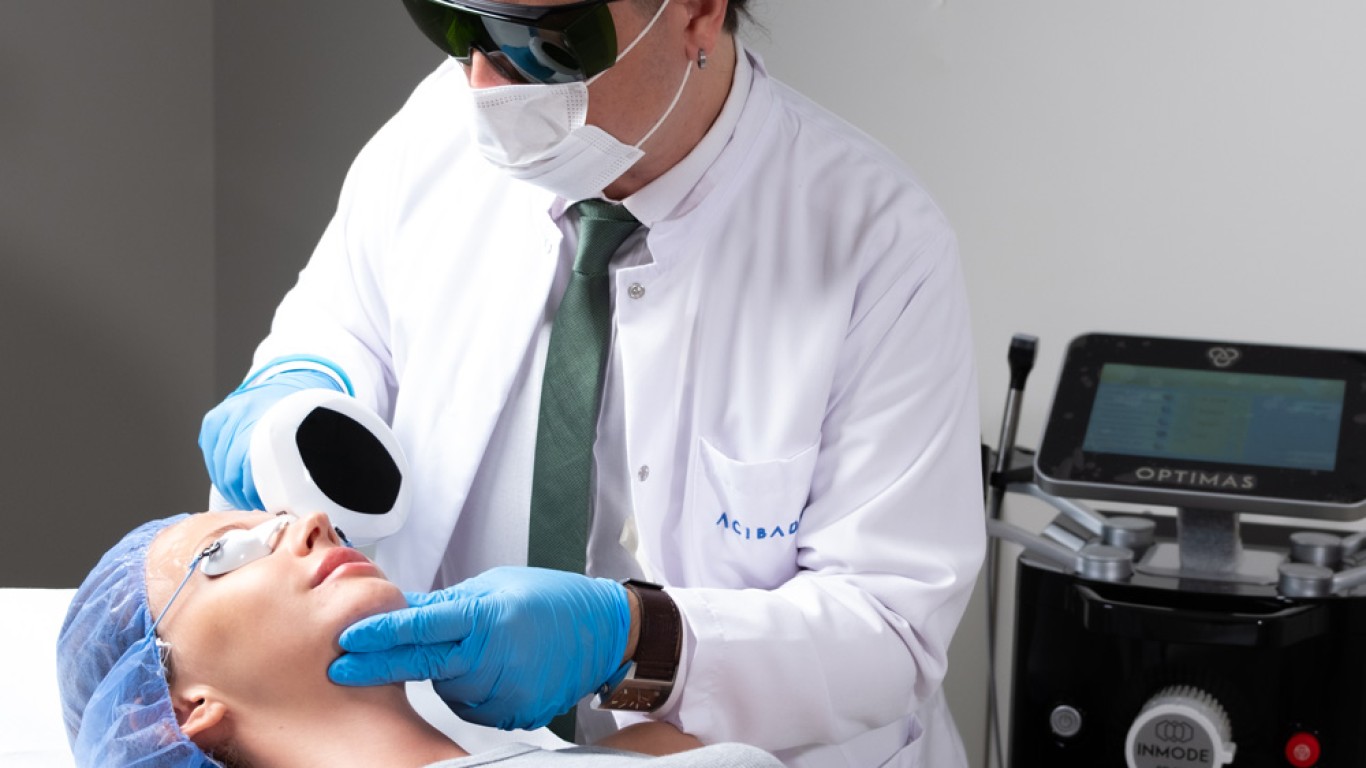
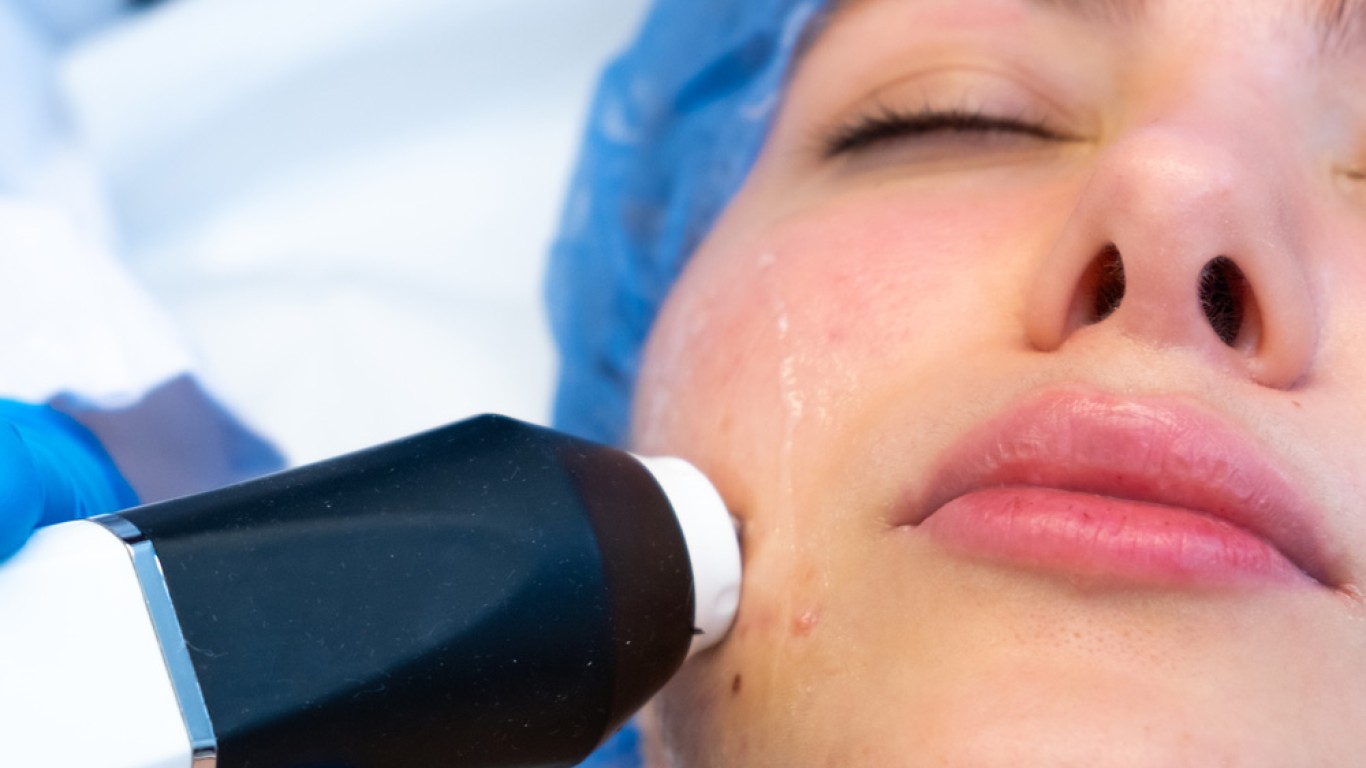
Laser treatment is one of the most effective methods for how to get rid of freckles. It uses targeted light energy to break down the melanin in freckled areas. Q-switched lasers are among the most commonly used for this purpose. They deliver energy in very short pulses that shatter melanin particles. The body's immune system then naturally removes the fragmented pigment. Picosecond lasers work similarly but with even shorter pulse durations for greater precision. Alexandrite lasers are particularly effective on lighter skin tones. Most patients need one to three sessions for noticeable results. Sessions are typically spaced four to six weeks apart. Results are often dramatic. Freckles can lighten significantly or disappear completely with appropriate laser treatment.
IPL for Freckle Reduction
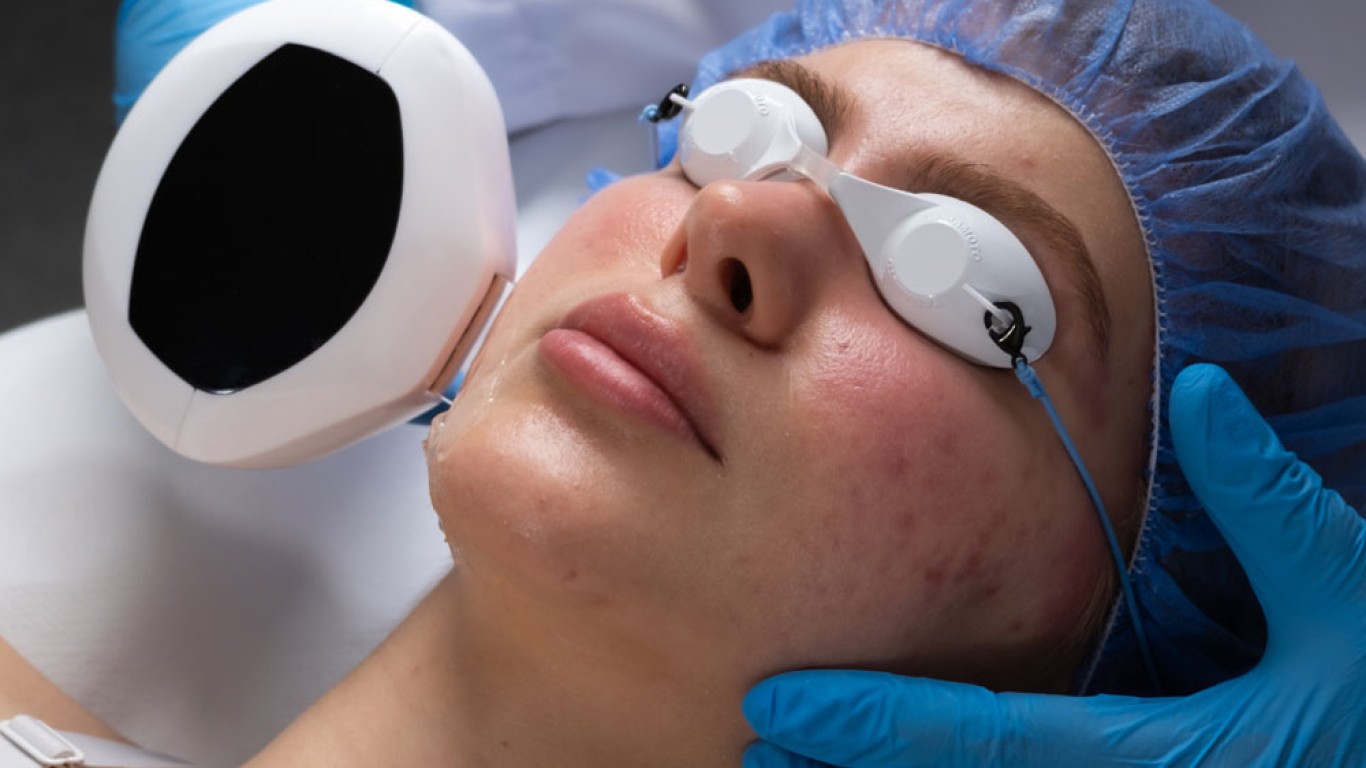
Intense Pulsed Light, commonly known as IPL, is another effective method for how to get rid of freckles. IPL uses broad-spectrum light rather than a single laser wavelength. This allows it to target multiple shades of pigmentation simultaneously. After treatment, freckles often darken slightly before flaking away over seven to fourteen days. This is a normal part of the healing process. The skin beneath appears clearer as the treated pigment sheds. IPL is particularly suited to patients with widespread sun damage across larger areas. It is generally more comfortable than laser treatment. Multiple sessions are usually needed for optimal results. IPL suits lighter to medium skin tones most effectively. It is widely available at Turkish aesthetic clinics.
How to Get Rid of Freckles with Chemical Peels
Chemical peels offer another approach to how to get rid of freckles. They use acids to exfoliate the outer layers of skin and accelerate cell turnover. Alpha hydroxy acids such as glycolic and lactic acid target surface pigmentation gently. Trichloroacetic acid peels reach deeper layers for more significant results. A series of peels is usually required. The skin may appear red and flaky for several days after a medium-depth peel. This is normal and resolves as the skin heals. Chemical peels also improve overall skin tone and texture alongside reducing freckle visibility. They are often combined with laser or IPL treatment for a comprehensive approach to pigmentation. Sun protection is essential after peels to prevent stimulating new melanin production.
Topical Treatments for Freckles
Topical treatments are a gentler, longer-term approach to how to get rid of freckles. They do not produce the dramatic results of laser or IPL. However, they can make a meaningful difference over time. Retinoids accelerate cell turnover and help fade surface pigmentation gradually. Vitamin C serums inhibit melanin production and brighten overall skin tone. Kojic acid and azelaic acid are other commonly used brightening ingredients. Hydroquinone is a prescription-only agent that directly reduces melanin production. It is used in short courses under medical supervision. Topical treatments work best as maintenance after laser or IPL treatment. They help slow the return of treated freckles and improve overall skin evenness. Consistent daily use is required for results to develop. Improvements are usually gradual, making patience and adherence important for success.
How to Get Rid of Freckles: Preventing Their Return
Preventing freckles from returning after treatment is essential for lasting results. Sun exposure is the primary driver of freckle development and recurrence. Broad-spectrum SPF 50 sunscreen should be applied every morning, even on cloudy days. Reapplication during sun exposure is important. UV-protective clothing, hats and sunglasses reduce direct exposure to the skin. Avoiding peak sun hours between ten in the morning and three in the afternoon reduces UV intensity significantly. Indoor UV exposure through windows is also a factor. Car windows and office glass transmit UVA rays. Applying sunscreen indoors near windows is therefore worthwhile. Understanding how to get rid of freckles is only part of the solution. Protecting the skin from UV light consistently is what makes results last. Long-term skin protection also helps reduce future pigmentation concerns beyond freckles alone.
How to Get Rid of Freckles in Turkey
Turkey has become a leading destination for pigmentation treatments including freckle removal. Modern laser platforms including Q-switched, picosecond and Alexandrite lasers are available at accredited Turkish clinics. Dermatologists and aesthetic practitioners at leading Istanbul clinics hold international qualifications. Treatment packages for international patients typically include consultation, treatment sessions, aftercare and accommodation. Costs are significantly lower than in the UK or Western Europe. Many patients achieve meaningful results within a short treatment stay. Follow-up sessions can be scheduled on return visits or locally after the initial course. Sun protection products are advised for use before and after treatment. Professional assessment at a reputable clinic ensures the right approach. Each patient receives a plan suited to their individual skin. Advanced diagnostic tools also help practitioners tailor treatments more accurately.
The Role of SPF in How to Get Rid of Freckles Long-Term
Sun protection is the single most important factor in maintaining freckle removal results. UV exposure is the primary trigger for new melanin production. Without consistent protection, freckles can return even after successful laser treatment. Broad-spectrum SPF 50 sunscreen should be applied every morning. This applies regardless of weather or season. Reapplication every two hours during sun exposure is important. Protective clothing such as wide-brimmed hats and UV-blocking sunglasses reduce direct exposure further. Physical sunscreens containing zinc oxide or titanium dioxide are particularly effective. These sit on the skin's surface and reflect UV rays rather than absorbing them. For patients who have invested in treatment, sun protection is the most cost-effective maintenance strategy. It is also the simplest. Daily SPF use also supports overall skin health and a more even complexion.
Conclusion
Understanding how to get rid of freckles begins with knowing which treatment suits your skin type and the extent of pigmentation. Laser treatment and IPL are the most effective clinical options. Chemical peels and topical treatments provide complementary approaches. Preventing recurrence through rigorous sun protection is as important as the treatment itself. Results vary by skin tone, freckle depth and the number of sessions completed. Professional consultation with a qualified dermatologist ensures the right plan for each individual. Turkey offers high-quality freckle removal treatments at competitive pricing. Choosing an accredited clinic with modern laser technology is essential. Experienced practitioners deliver the safest and most satisfying results. With the correct treatment plan and ongoing skin protection, long-term improvement is achievable for most patients.
For more information on laser treatments and to book a consultation visit the ACIBADEM Beauty Center Freckle Removal Treatments page.
Frequently Asked Questions
Laser treatment can remove freckles permanently. However, new freckles can form with sun exposure. Consistent use of SPF 50 sunscreen is essential to maintain results long-term.
Most patients need one to three sessions for significant results. Sessions are typically spaced four to six weeks apart depending on the laser type used.
Most patients experience a brief snapping or stinging sensation. The procedure is generally well-tolerated and takes less than thirty minutes per session.
Q-switched and picosecond lasers are the most effective. IPL suits widespread sun damage across larger areas. The right choice depends on skin tone and freckle depth.
Yes, if the skin is exposed to significant UV light. Consistent sun protection is essential after treatment to prevent stimulating new melanin production.