Ataşehir Mah. Feza Sk. No:3 İstanbul / Türkiye
 English
Introduction
Learning how to get rid of stretch marks is a common goal for many patients. These visible skin changes can affect confidence and body image. Stretch marks, known medically as striae, develop when skin stretches rapidly. The skin stretches beyond its elastic capacity, leaving visible lines. Pregnancy, growth spurts, weight fluctuations and muscle gain are among the most frequent causes. Stretch marks affect both men and women across all skin types and body areas. While stretch marks are not harmful, many patients seek treatment to improve their skin.
Microneedling has emerged as one of the most effective non-surgical treatments for stretch marks. The procedure stimulates the skin’s natural healing response to rebuild collagen and improve texture. This article explains how to get rid of stretch marks with microneedling. It describes how the treatment works and what results to expect. It also covers the number of sessions needed and recovery. Finally, it outlines important factors that influence treatment outcomes.
What Are Stretch Marks and Why Do They Form?
Stretch marks are a form of scarring that occurs in the dermis. The dermis is the middle layer of the skin. They develop when the skin is stretched rapidly. This causes collagen and elastin fibres to rupture under pressure. New stretch marks, called striae rubrae, appear as red, pink or purple lines. Over time, they mature into striae albae. These are pale, white or silvery marks with a slightly different texture. The most common locations include the abdomen, thighs, hips, buttocks, breasts and upper arms. Hormonal changes during pregnancy and puberty increase the skin’s susceptibility to stretch marks. Rapid weight gain or loss stretches the skin beyond its capacity to stay intact.
Genetic factors influence how prone an individual is to developing stretch marks. Understanding their nature helps patients appreciate how to get rid of stretch marks effectively. Treatments that rebuild collagen in the dermis offer the most meaningful improvement. This is especially true for established stretch marks.
How to Get Rid of Stretch Marks: How Microneedling Works
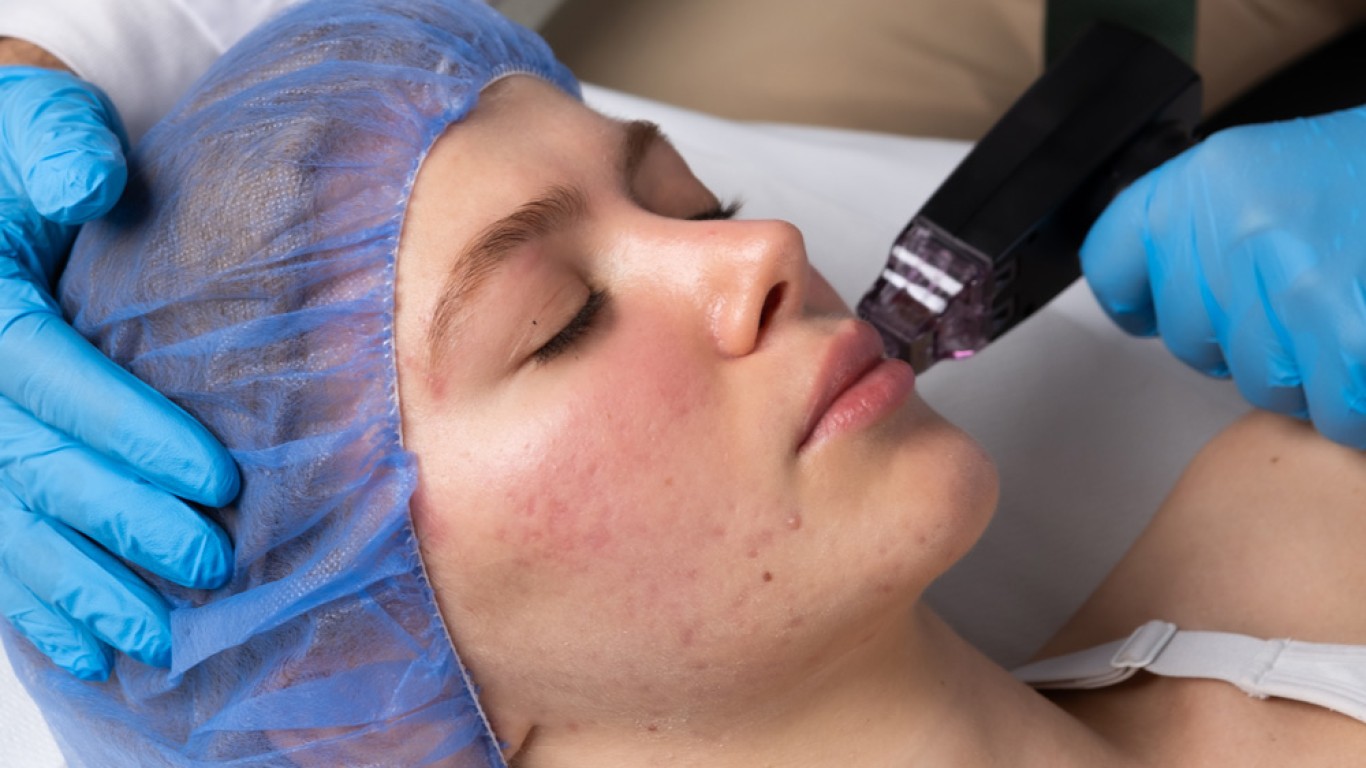
Microneedling treats stretch marks by creating controlled micro-injuries in the skin. These micro-injuries stimulate the skin’s natural healing response. A device fitted with fine needles is passed across the affected area. The needles penetrate the skin to a precise, controlled depth. These micro-channels trigger the body to produce new collagen and elastin fibres. The new collagen fills in the damaged dermal tissue that forms the visible stretch mark. Over multiple sessions, stretch marks become narrower, shallower and less noticeable. Their colour and texture also gradually improve.
Microneedling also improves blood supply to the treated area. This supports healthier skin regeneration overall. Needle depth can be adjusted to the severity and age of the stretch marks. Deeper penetration may be used for mature stretch marks that need greater collagen stimulation. The procedure is suitable for all skin types and tones. Some laser treatments, by contrast, carry pigmentation risks for darker skin. Understanding this process helps patients see how to get rid of stretch marks with microneedling.
Microneedling Results for Different Types of Stretch Marks
The effectiveness of microneedling depends on the age, colour and severity of stretch marks. The following table outlines expected results for different stretch mark presentations.
| Stretch Mark Type | Characteristics | Expected Response to Microneedling |
| New (striae rubrae) | Red, pink or purple; slightly raised | Best response; colour fades and texture improves significantly |
| Mature (striae albae) | White or silvery; flat or indented | Moderate response; texture improves, colour change is limited |
| Wide stretch marks | Broad marks with visible texture change | Gradual narrowing and softening over multiple sessions |
| Deep stretch marks | Visibly indented below surrounding skin | Improvement in depth; may not fully flatten to surrounding skin level |
What to Expect During a Microneedling Session
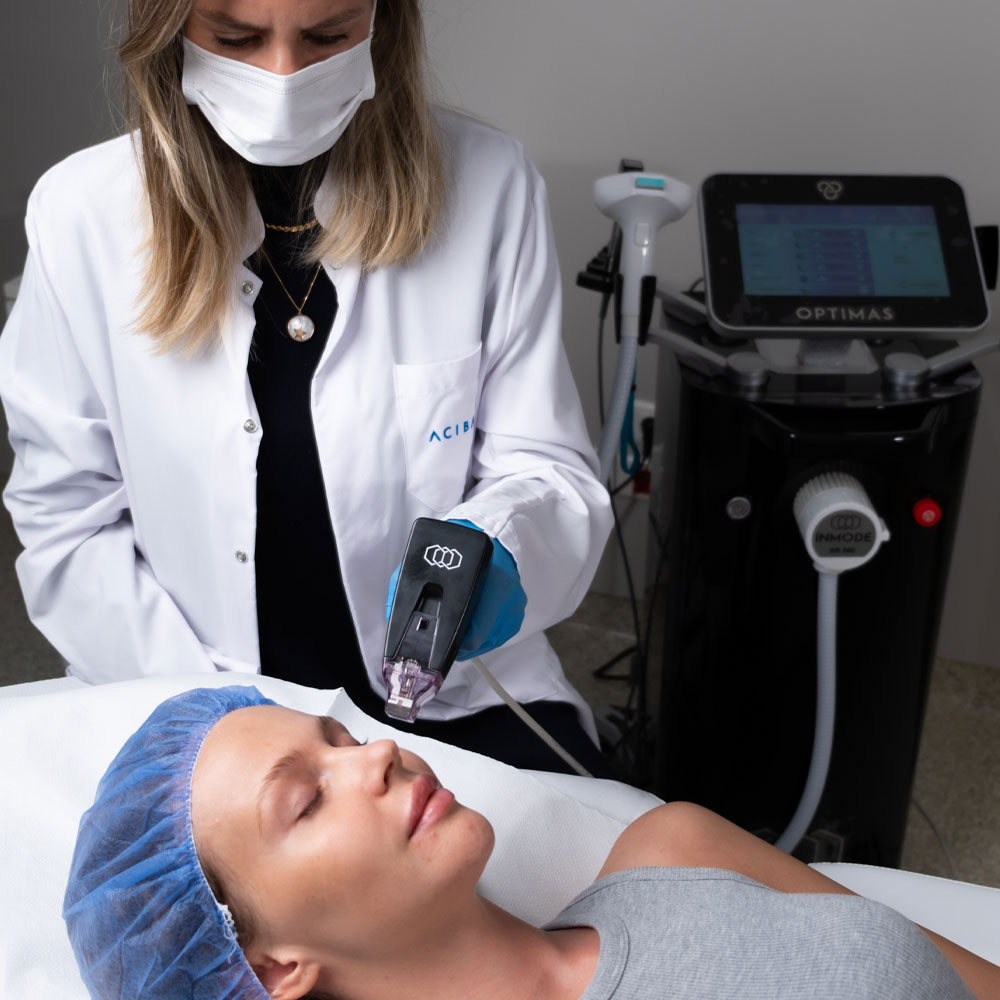
A microneedling session for stretch marks typically takes thirty to sixty minutes. The exact time depends on the size of the treatment area. Patients researching how to get rid of stretch marks often want to understand the process. The practitioner begins by cleansing the skin thoroughly. A topical numbing cream is then applied to reduce discomfort. The cream is left on for twenty to thirty minutes before treatment begins. Once the area is numb, the device is passed systematically across the stretch-marked skin.
Patients may feel a slight scratching or vibrating sensation despite the numbing cream. The needle depth is adjusted to the severity and location of the stretch marks. Pinpoint bleeding and redness can occur during and immediately after the session. Learning how to get rid of stretch marks safely also means choosing a qualified practitioner. A soothing serum or hyaluronic acid may be applied after the treatment. The procedure is generally performed as an outpatient treatment. It does not require sedation or general anaesthesia.
Conclusion
For patients learning how to get rid of stretch marks, microneedling is an effective option. It is a safe, evidence-based treatment when performed correctly. The treatment stimulates natural collagen production in the skin. This improves the colour, texture and depth of stretch marks. Newer stretch marks typically respond best. Mature marks also show meaningful improvement over a treatment course. Most patients need four to six sessions, spaced four to six weeks apart. Recovery is minimal, with redness resolving within a few days after each session. Professional microneedling by a qualified practitioner provides the safest, most consistent outcomes. A consultation assesses individual stretch mark characteristics and recommends the most suitable treatment approach.
To find out more information about how to get rid of stretch marks and to book a consultation visit the ACIBADEM Beauty Center Skin Treatments webpage.
Frequently Asked Questions
Most patients need four to six sessions, spaced four to six weeks apart.
Yes, mature white stretch marks can improve in texture and appearance. However, newer marks respond more effectively.
Topical numbing cream is applied before treatment. Most patients describe a mild scratching sensation during the procedure.
Visible improvement typically begins after the second or third session. Full results appear around three months after the final treatment.
Microneedling significantly improves stretch mark appearance but does not remove them entirely. Most patients see fifty to eighty per cent improvement.