Ataşehir Mah. Feza Sk. No:3 İstanbul / Türkiye
 French
  English
  German
  Spanish
Introduction
Many women want to regain breast size after significant weight loss and body transformation changes. Major weight reduction frequently decreases breast volume alongside fat loss throughout the rest of the body. The breasts may appear deflated, flatter or lower following substantial changes in body composition. This is a common concern among women who have successfully lost large amounts of weight. Breast tissue contains a substantial proportion of fat alongside glandular and connective tissue naturally. When body fat decreases, breast fat often decreases simultaneously during the overall weight-loss process. Understanding why this happens helps women explore realistic solutions and treatment options confidently. This article examines natural approaches first before discussing the most effective surgical restoration procedures available.
Why Weight Loss Affects Breast Size
Breast tissue consists primarily of fat, glandular tissue and supportive connective structures beneath the skin. Fat makes up a significant proportion of breast volume in many women, although ratios vary individually. Women with higher fat-to-gland ratios generally lose more visible breast volume during major weight reduction. Weight loss reduces fat throughout the body rather than targeting specific anatomical areas selectively afterward. The breasts are therefore affected alongside the abdomen, hips, thighs and other fat-storage regions naturally. Rapid weight loss often creates more dramatic changes because skin has less time adapting gradually. The skin may stretch and lose elasticity, creating a softer or deflated appearance. To regain breast size after weight loss effectively, the underlying volume loss must first be understood properly.
Hormonal fluctuations may also influence breast tissue density during and after major weight-loss changes significantly. Oestrogen levels often shift as body fat percentages decrease throughout dieting or exercise programmes. Lower body fat percentages are commonly associated with reduced natural oestrogen production within the body. This hormonal change may further reduce glandular fullness and breast tissue density over time naturally. Women losing weight after pregnancy or breastfeeding may experience even more noticeable breast volume reduction afterward.
Natural Ways to Regain Breast Size After Weight Loss
Several natural approaches may provide modest improvements for women experiencing reduced breast fullness afterward naturally. Chest exercises strengthen the pectoral muscles sitting beneath the breasts and surrounding chest wall structures. Push-ups, chest presses and chest flies remain popular exercises targeting this muscular region effectively. Stronger pectoral muscles may create a slightly fuller chest appearance by improving support beneath breast tissue. Improved muscle tone may enhance posture, making the breasts appear higher and more projected visually. However, exercise cannot directly replace the fat volume lost during significant body-weight reduction periods. Some women regain limited breast fullness after gaining small amounts of weight again naturally afterward. This should occur gradually through healthy nutritional choices rather than extreme weight fluctuations afterward. Targeted weight gain specifically within the breasts alone is not biologically possible through natural methods.
Regain Breast Size After Weight Loss: Nutrition and Hormonal Factors
Nutrition plays an important supporting role in overall tissue health and hormonal balance after weight loss. Adequate dietary protein supports collagen production, skin repair and connective tissue health throughout the body. Healthy fats also contribute to hormone production and broader endocrine system function naturally afterward. Oestrogen plays a major role in breast development and long-term tissue maintenance throughout adulthood. Foods containing phytoestrogens, including soy products, may exert mild hormone-like effects within the body afterward. However, dietary changes alone rarely create dramatic increases in breast volume following significant weight reduction.
Hormonal fluctuations during the menstrual cycle may temporarily influence breast fullness and overall size appearance naturally. Some supplements claim to increase breast size naturally through hormonal stimulation or tissue growth mechanisms. Scientific evidence supporting these products remains limited across available clinical research. Women hoping to regain breast size after weight loss through nutrition alone should maintain realistic expectations overall.
Regain Breast Size After Weight Loss: Topical Products and Massage
Many creams, oils and topical products claim to increase breast size or improve fullness naturally afterward. Scientific evidence supporting these products remains relatively weak across most commercially available formulations currently. Most creams contain moisturising ingredients designed primarily to improve skin texture and surface hydration afterward. Healthier skin may slightly improve breast appearance by increasing smoothness and firmness visually overall.
Massage may also improve circulation throughout the treated area while supporting temporary tissue relaxation afterward. Some practitioners believe massage stimulates tissue growth, although strong scientific evidence remains limited currently overall. These approaches may improve skin quality modestly without substantially increasing actual breast volume afterward naturally. They are therefore unlikely to significantly regain breast size after weight loss independently through non-surgical means alone.
Regain Breast Size After Weight Loss: Supportive Bras and Clothing
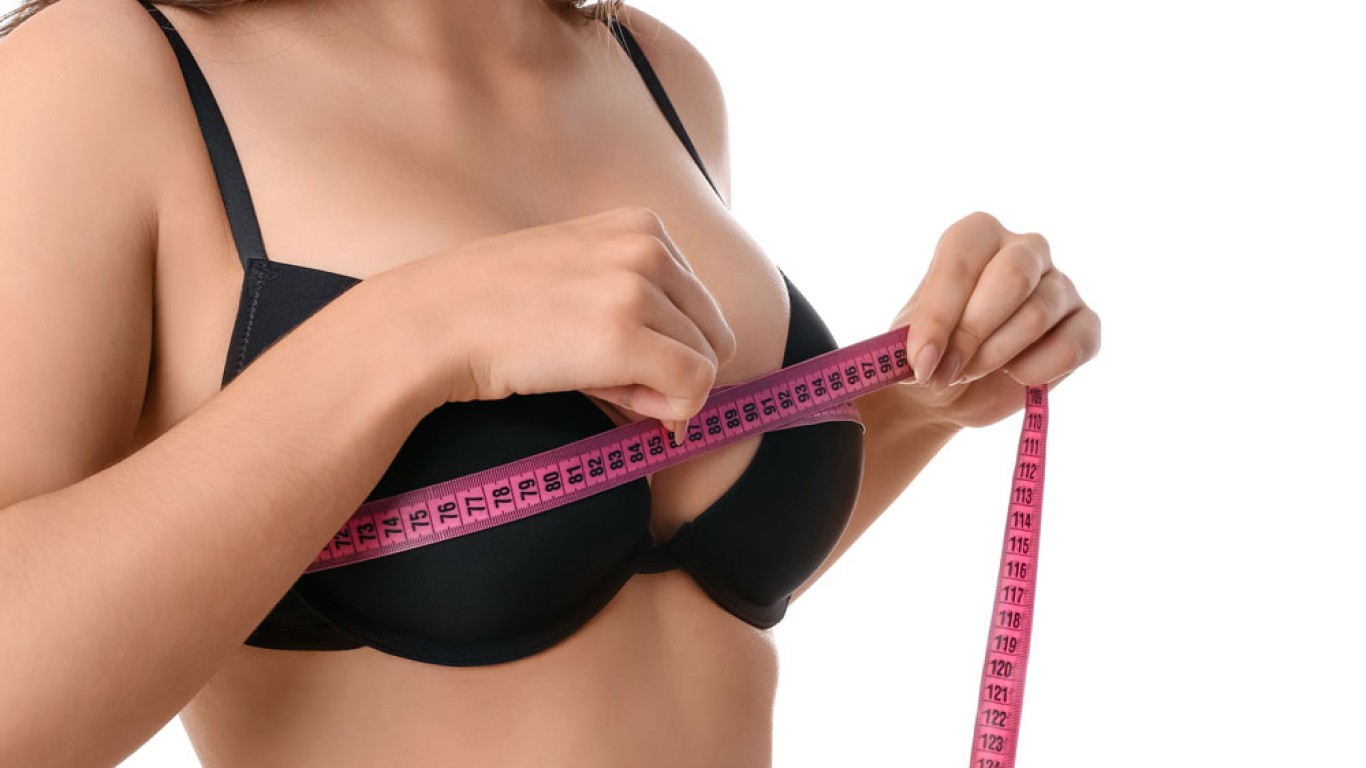
Well-fitted bras can improve breast appearance immediately without surgery or medical intervention. Padded bras increase visible fullness while helping clothing fit more proportionately throughout everyday activities. Push-up styles may also enhance cleavage and upper-breast projection visually beneath fitted clothing. Properly fitted supportive bras improve posture, which can influence overall chest appearance positively and immediately. Better posture often makes the bust appear fuller, higher and more balanced with body proportions. These approaches do not permanently regain breast size after weight loss or restore lost tissue. However, they frequently provide immediate confidence and improve body image during social situations.
Structured tops and carefully chosen necklines may create the impression of greater fullness across the chest. Ruffled fabrics and layered materials can also increase apparent volume without additional padding. Although non-surgical, these strategies remain practical confidence-building tools during longer-term restoration planning and treatment consideration.
Regain Breast Size After Weight Loss: Breast Augmentation Surgery
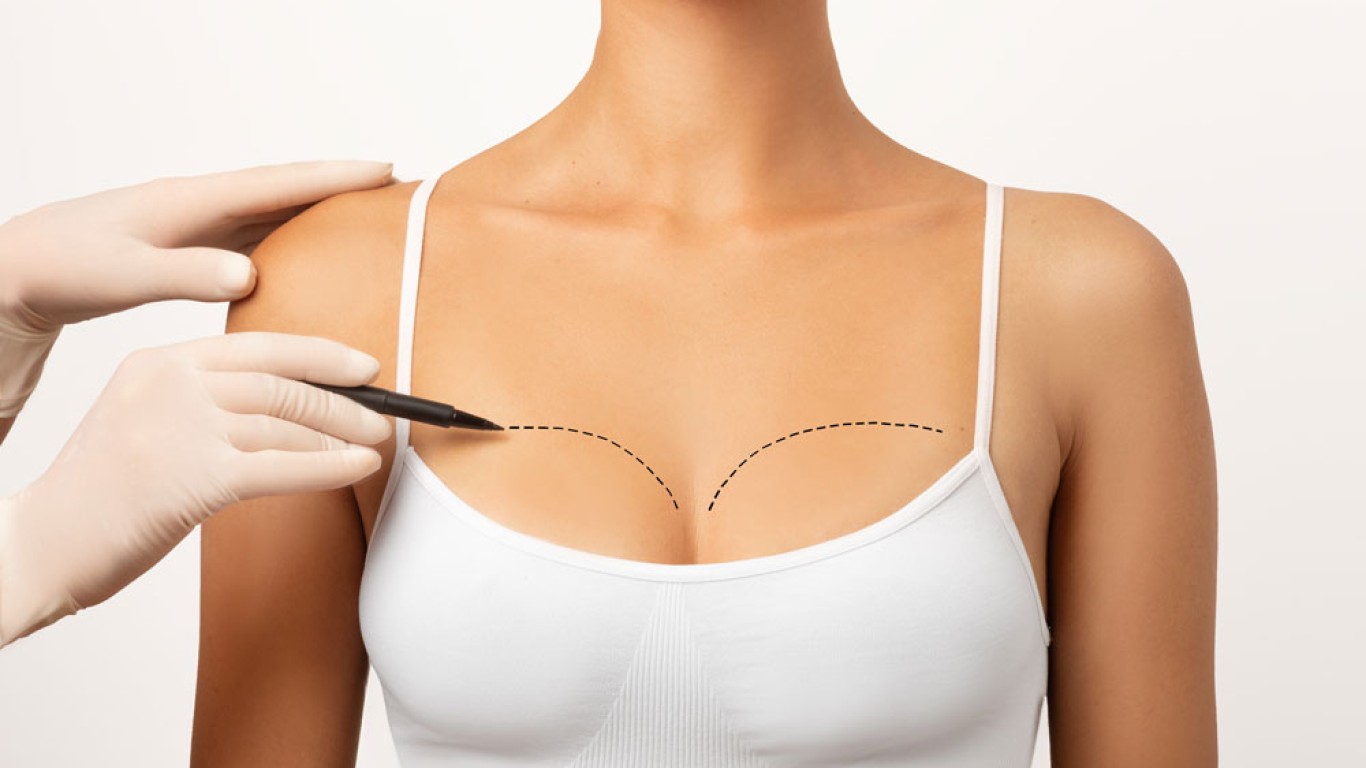
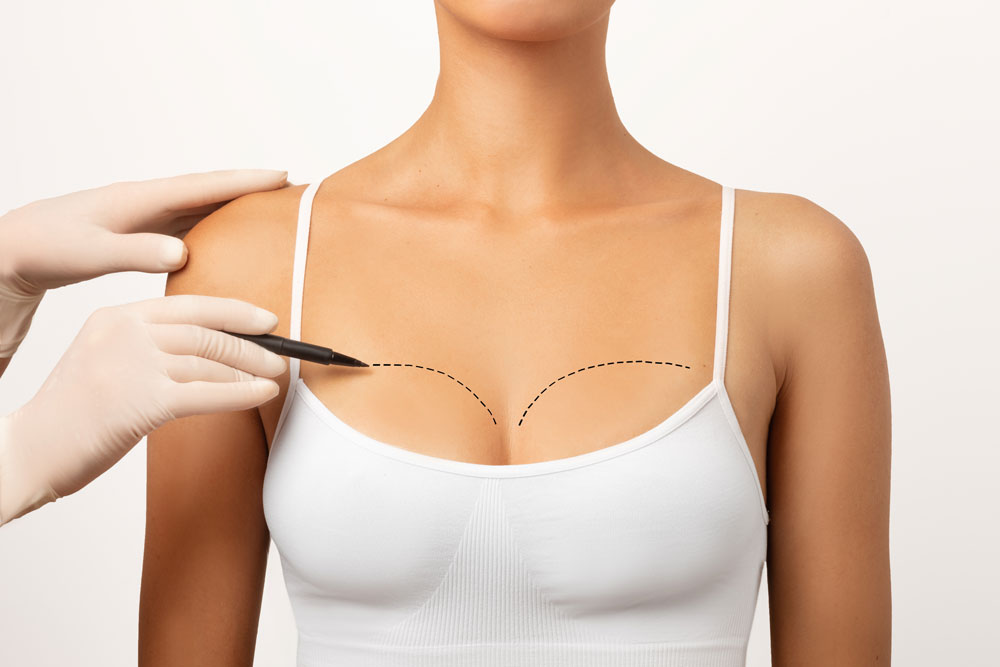
Breast augmentation remains the most effective way to regain breast size after weight loss. Implants restore volume directly while allowing precise control over shape, projection and breast proportions overall. Silicone and saline implants are both available depending on patient goals and surgeon recommendations. The surgeon selects implant size carefully according to anatomy, lifestyle and desired cosmetic outcomes. The procedure usually takes between one and two hours within accredited cosmetic surgery clinics or hospitals. Recovery generally takes one to two weeks before most normal daily activities comfortably resume. Results appear immediately, although swelling gradually improves throughout the following recovery months after surgery. Modern implants often feel soft and natural while providing long-lasting shape and fullness.
Breast Lift with or without Augmentation
Some women require a breast lift alongside augmentation because weight loss frequently causes tissue descent. The nipple may sit lower than the natural breast crease following substantial weight reduction and skin stretching. A mastopexy lifts and reshapes breast tissue while removing excess stretched skin. Combining a breast lift with implants restores both volume and youthful positioning during one procedure. This combined approach remains one of the most popular solutions after pregnancy or major weight loss transformations. It helps women regain breast size after weight loss while improving breast shape and upper-pole fullness.
Regain Breast Size After Weight Loss: Fat Transfer Breast Augmentation
Fat transfer offers a more natural alternative for women avoiding implants or larger augmentation procedures. The surgeon removes fat from another body area using liposuction techniques during the same operation. Common donor areas include the abdomen, thighs, flanks and lower back depending on available fat stores. The harvested fat is purified carefully before injection into the breasts using specialised transfer techniques. This method creates modest volume increases using the patient’s own tissue rather than synthetic implants. No implants are involved, and the breasts usually feel completely natural after healing and fat integration. However, fat transfer generally produces smaller increases compared with traditional breast augmentation using implants. Some patients require multiple sessions to achieve their desired fullness and cosmetic outcome.
Regain Breast Size After Weight Loss: Cost of Surgical Options
Surgical pricing varies according to procedure type, surgeon experience and treatment location internationally. Breast augmentation in the UK generally costs between £6,000 - £10,000 depending on clinic reputation. Turkey offers competitive all-inclusive packages ranging between £3,000 - £5,000 for augmentation procedures. Breast lift pricing is broadly similar, although combined procedures typically cost more overall. Fat transfer pricing depends partly on the extent of liposuction and operative complexity required. Turkey provides significant financial savings across many cosmetic surgery procedures without reducing procedure quality.
Conclusion
Many women seek ways to regain breast size after significant weight loss and broader body transformation changes. Natural approaches including exercise, nutrition and supportive clothing may provide modest cosmetic improvements However, these methods rarely restore substantial lost breast volume or correct significant skin laxity effectively. Surgical procedures remain the most reliable option for restoring fullness, projection and breast shape permanently. Breast augmentation restores lost volume directly through implants designed around individual anatomy and cosmetic goals. Breast lift surgery improves positioning and corrects sagging caused by stretched skin after weight reduction. Fat transfer offers a natural alternative for women seeking subtler enhancement without synthetic implants. Professional consultation remains essential when deciding which approach best suits individual anatomy and expectations.
For more information on breast augmentation procedures, visit the ACIBADEM Beauty Center Breast Augmentation page.
Frequently Asked Questions
It strengthens chest muscles but cannot replace lost breast fat.
Partially, but targeted breast-only gain is not possible.
Breast augmentation with implants provides the most reliable restoration.
Three to five thousand pounds for all-inclusive augmentation packages.
For modest increases yes, but implants provide greater volume.