Ataşehir Mah. Feza Sk. No:3 İstanbul / Türkiye
 English
Introduction
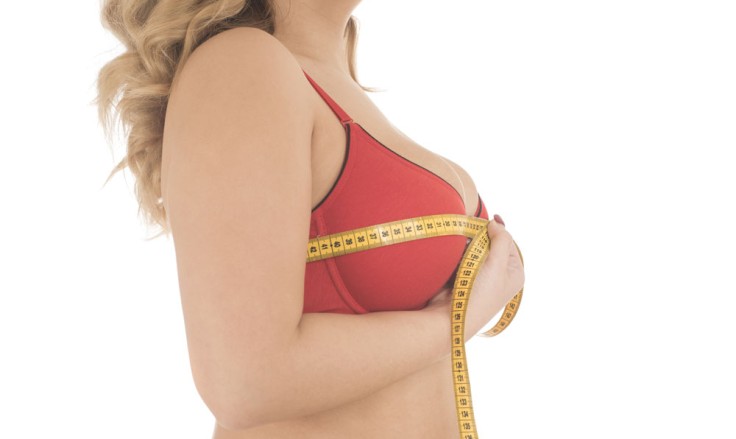
Hybrid breast augmentation is growing in popularity among patients seeking natural-looking results. The procedure combines breast implants with fat transfer in a single operation. Implants provide reliable volume and projection. Fat transfer softens the result and improves the shape around the implant. Together, they can create a fuller breast that looks and feels more natural. This approach can be particularly helpful for slim patients with little natural breast tissue. However, it is not the right choice for everyone. This article explains how the procedure works and who it suits. It also covers the benefits, recovery, potential risks and questions to ask a surgeon.
What Is Hybrid Breast Augmentation?
Hybrid breast augmentation is also known as composite breast augmentation. It uses two techniques together to enlarge and reshape the breasts. First, the surgeon places a silicone breast implant to provide the main increase in size. Next, the surgeon injects purified fat from the patient's own body around the implant. This fat adds a soft layer of natural tissue over and beside the implant. The extra layer can disguise implant edges and improve the overall contour. The surgeon can also use fat to refine cleavage and correct small asymmetries. Because fat is the patient's own tissue, it integrates naturally with the breast. The result combines the predictability of an implant with the softness of natural tissue.
How Hybrid Breast Augmentation Works
The procedure begins with gentle liposuction from a donor area. Common donor areas include the abdomen, flanks and inner or outer thighs. The harvested fat is then processed to remove fluid and damaged cells. This leaves healthy fat cells that are suitable for transfer. The surgeon then places the implant through a small incision. Incisions are usually made in the breast crease, around the areola or in the armpit. Implants may sit above or below the chest muscle, depending on anatomy. Finally, the surgeon injects small amounts of fat in multiple thin layers. Careful layering helps the fat develop a new blood supply and survive. The operation is performed under general anaesthesia and usually takes two to four hours.
Benefits of Hybrid Breast Augmentation
Hybrid breast augmentation offers several advantages over implants alone. The added fat layer can make implant edges less visible or palpable. This is especially valuable for patients with thin skin and little breast tissue. Fat can reduce the risk of visible rippling along the sides of the implant. Surgeons can use fat to create a softer, more natural slope in the upper breast. Cleavage can also be refined by placing fat towards the centre of the chest. A smaller implant may be needed because fat contributes some of the volume. Smaller implants place less weight on the breast tissue over time. Patients also benefit from mild body contouring at the liposuction donor sites.
Who Is a Good Candidate for Hybrid Breast Augmentation?
Hybrid breast augmentation suits patients who want volume with a natural appearance. Good candidates often have a slim frame and limited natural breast tissue. They may be concerned that implants alone could look obvious. Patients must have enough spare fat in at least one donor area. Very slim patients without sufficient fat may not be suitable. The procedure can also help patients with mild breast asymmetry. Some patients with tuberous or constricted breasts may benefit as well. Candidates should be in good general health and at a stable weight. Non-smokers are preferred because smoking reduces blood supply and fat survival. Realistic expectations about size, shape and scarring are also essential.
Hybrid Breast Augmentation vs Implants or Fat Transfer Alone
Each augmentation method has its own strengths and limitations. The following table compares the three main approaches.
| Approach | Volume Increase | Key Features |
| Implants alone | Moderate to large | Predictable size and projection; edges may be visible in thin patients |
| Fat transfer alone | Small, around one cup size | Very natural feel; some fat is reabsorbed; may need more than one session |
| Hybrid augmentation | Moderate to large | Implant volume with a natural fat layer for softer contours |
Choosing Implant Size and Fat Volume
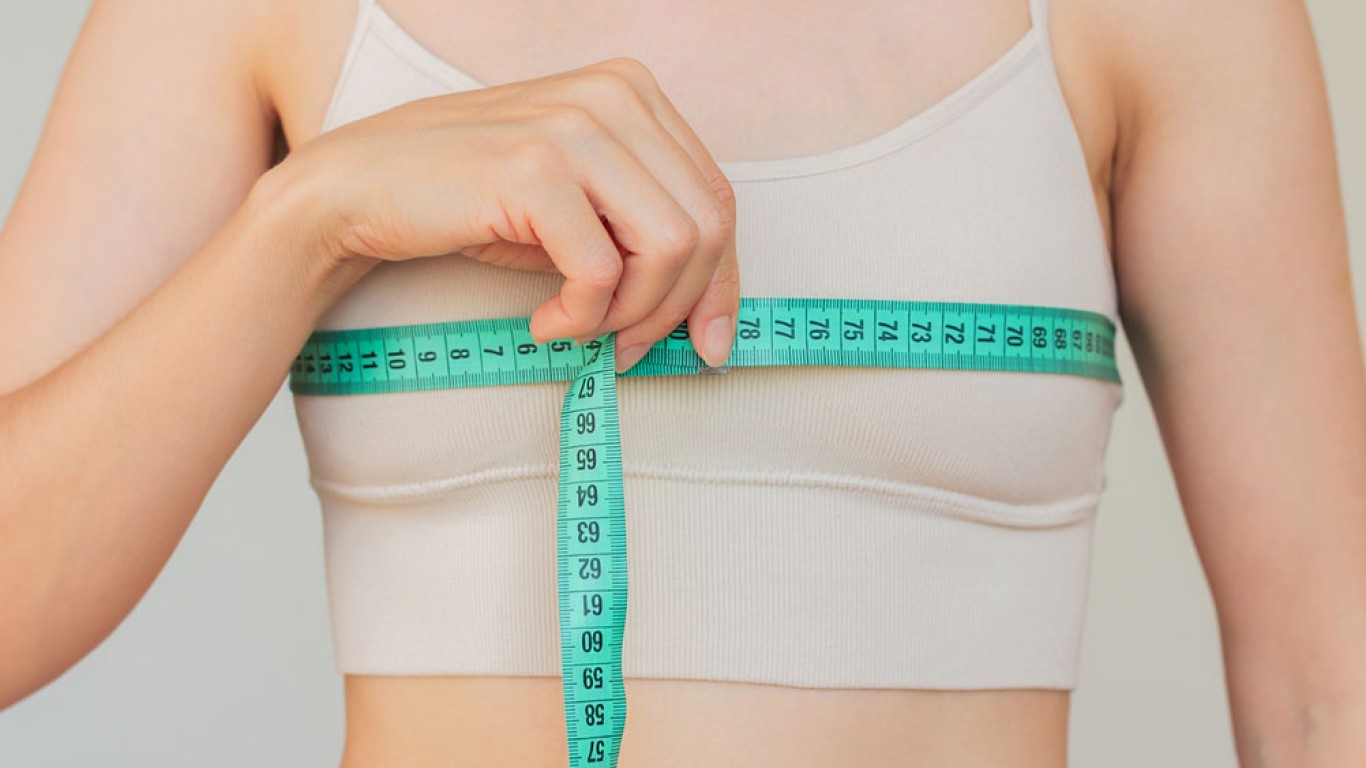
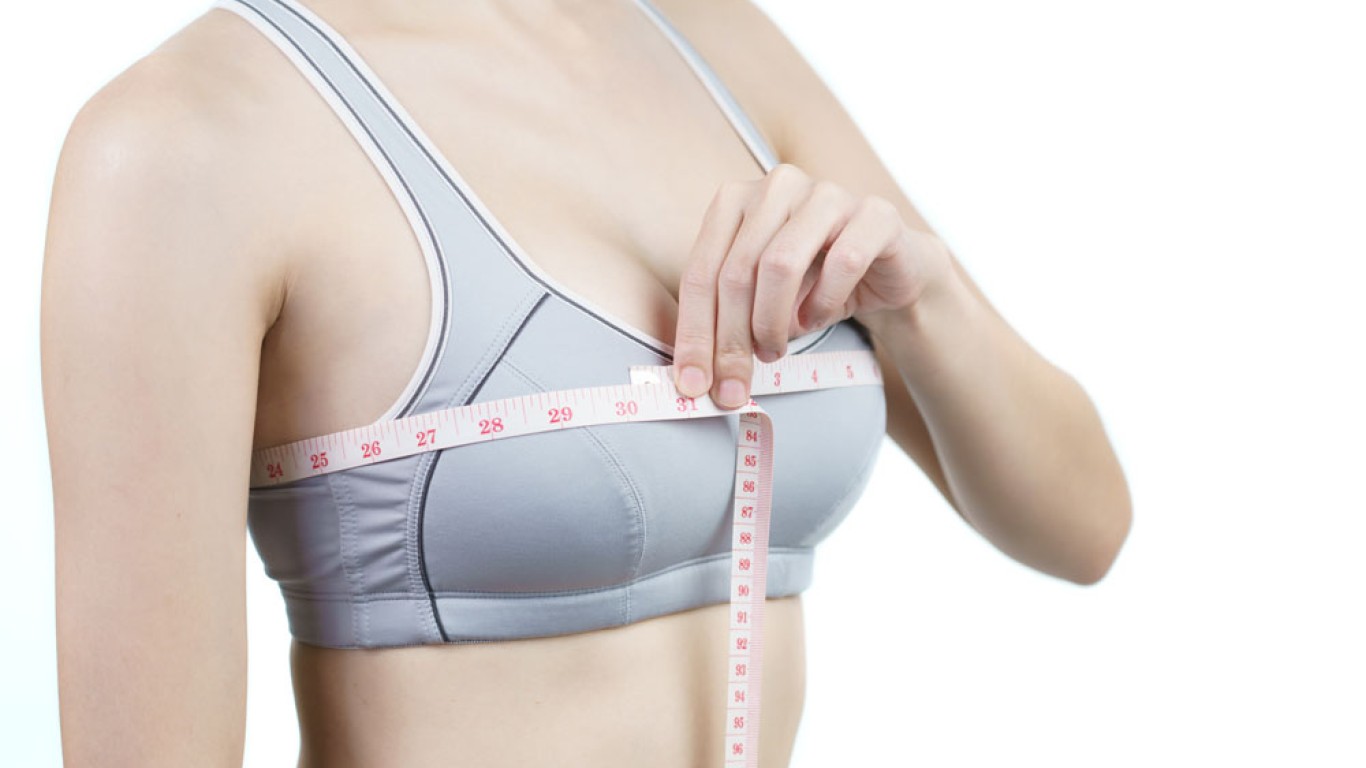
Planning is an important part of a successful result. The surgeon measures the chest wall, breast width and skin elasticity. These measurements help determine a suitable implant size and shape. Round and anatomical implants each create a different breast profile. The surgeon then plans where fat will add the greatest benefit. This often includes the upper breast, cleavage area and sides of the breast. Patients should understand that not all transferred fat survives. Typically, around fifty to seventy percent of the fat remains long term. Surgeons therefore plan for some reabsorption when deciding fat volumes. Many clinics use sizers or digital imaging to help patients visualise outcomes.
Recovery After Hybrid Breast Augmentation
Recovery involves healing at both the breasts and the liposuction sites. Most patients feel sore and tight for the first few days. Prescribed pain relief helps keep discomfort under control. Patients wear a supportive surgical bra for around six weeks. A compression garment is also worn over the donor areas for several weeks. Swelling and bruising usually settle significantly within two to three weeks. Most patients return to desk-based work after one to two weeks. Heavy lifting and strenuous exercise should be avoided for about six weeks. Patients should avoid pressure on the breasts while the fat establishes a blood supply. The final shape usually becomes clear between three and six months.
Achieving Natural-Looking Results with Hybrid Breast Augmentation
Hybrid breast augmentation offers a personalised approach to achieving fuller, more naturally contoured breasts. Combining implants with fat transfer allows surgeons to carefully refine breast shape and projection. Additionally, transferred fat can soften implant edges and create a smoother transition between surrounding tissues. This is particularly beneficial for patients with limited natural breast tissue. The technique also allows subtle adjustments to breast symmetry and cleavage definition.
Long-Term Results
Fat that survives the first few months is generally considered permanent. It behaves like other fat in the body and changes with weight. Significant weight gain or loss may therefore affect breast size. Implants are not lifetime devices and may need replacement in future. Many patients keep the same implants for ten to fifteen years or longer. Regular check-ups help monitor the implants and breast health. Pregnancy and ageing will continue to affect breast shape over time. Maintaining a stable weight helps preserve the result. Most patients enjoy natural-looking, long-lasting improvement after recovery.
Conclusion
Hybrid breast augmentation combines implants with fat transfer for fuller, more natural-looking breasts. It suits slim patients with limited breast tissue and enough spare fat. The fat layer can soften implant edges and refine the breast shape. Recovery involves both breast and liposuction sites and usually takes several weeks. An experienced plastic surgeon can confirm whether this approach is the right choice.
To learn more about hybrid breast augmentation and to book a consultation, visit the ACIBADEM Beauty Center Breast Augmentation webpage.
Frequently Asked Questions
Hybrid augmentation adds fat transfer around the implant for softer, more natural contours.
Around fifty to seventy percent of transferred fat typically survives long term.
Fat is usually taken from the abdomen, flanks or thighs using gentle liposuction.
It often suits slim patients, but they must have enough spare fat to harvest.
Most patients return to desk work within two weeks and resume exercise after six weeks.