Ataşehir Mah. Feza Sk. No:3 İstanbul / Türkiye
 English

Introduction
Many patients research alternatives to tear trough fillers before treating the under-eye area. Tear trough filler is a popular way to reduce hollowing and tired-looking eyes. However, it is not suitable for every patient or every under-eye concern. Some patients have puffiness, pigmentation or very thin skin. Others prefer a treatment that does not involve adding volume. Fortunately, there are many effective non-surgical and surgical options available. Each one targets a different cause of under-eye ageing. This article explains the main alternatives and how they work. It also compares results, recovery and suitability to help patients choose confidently.
Why Patients Look for Alternatives to Tear Trough Fillers
There are several reasons why filler may not be the best choice. Filler works best for hollowing caused by volume loss. It does not treat pigmentation or improve the colour of dark circles. Patients with under-eye bags may find filler makes puffiness worse. Very thin skin can show filler as a bluish tint, known as the Tyndall effect. Some patients are prone to fluid retention, which filler can aggravate. Others have had previous filler complications and prefer a different approach. Some patients simply want to improve skin quality rather than add volume. In these situations, alternative treatments often provide better and safer results.
Understanding Under-Eye Concerns
Choosing the right alternative depends on the underlying problem. Hollowing creates shadows that look like dark circles. Pigmentation causes brown or grey discolouration in the under-eye skin. Thin, translucent skin can reveal blue or purple blood vessels. Fine lines and crepey texture develop as collagen declines with age. Under-eye bags form when fat pads bulge forward through weakened tissue. Many patients have a combination of these concerns. A thorough assessment helps identify which factors are most significant. Treatment can then target each concern with the most suitable approach.
Skin Boosters and Polynucleotides as Alternatives to Tear Trough Fillers
Skin boosters and polynucleotides improve skin quality rather than adding structural volume. Skin boosters use very light, fluid hyaluronic acid. They hydrate the skin from within and improve texture and elasticity. Polynucleotides are injectable treatments derived from purified DNA fragments. They support tissue repair and stimulate collagen production. Both treatments can help thin, crepey skin appear firmer and brighter. They may also slightly reduce the visibility of blood vessels beneath the eyes. Treatment usually involves two to four sessions spaced a few weeks apart. Results develop gradually and typically last six to twelve months. Downtime is minimal, with only mild swelling or small bruises.

Platelet-Rich Plasma
Platelet-rich plasma, or PRP, uses the patient's own blood to rejuvenate the skin. A small blood sample is taken and spun to concentrate the platelets. The concentrated plasma is then injected beneath the eyes. Platelets release growth factors that support healing and collagen production. Over time, this can improve skin thickness, texture and tone. PRP may also help soften mild hollowing and fine lines. Because it uses the patient's own blood, allergic reactions are very unlikely. Most patients need three sessions spaced around four weeks apart. Results develop gradually over several months. Mild swelling and bruising usually settle within a few days.
Laser and Energy-Based Alternatives to Tear Trough Fillers
Laser and energy-based treatments can tighten skin and improve texture. Fractional lasers create tiny treatment zones that stimulate collagen renewal. This can reduce fine lines and improve crepey under-eye skin. Certain lasers can also target pigmentation beneath the eyes. Radiofrequency microneedling combines fine needles with gentle heat. It encourages collagen production and firms the skin over time. These treatments do not add volume to deep hollows. However, they can significantly improve skin quality and reduce shadowing from fine lines. Most patients need several sessions for the best results. Downtime varies from one day to around a week, depending on intensity.
Chemical Peels and Skincare
Chemical peels and skincare are useful for pigmentation and surface texture. Gentle peels designed for the eye area can lighten pigmentation gradually. They also encourage cell turnover for smoother, brighter skin. Topical retinoids help stimulate collagen and improve fine lines over time. Vitamin C brightens the skin and helps reduce pigmentation. Caffeine-based eye creams may temporarily reduce puffiness. Daily sunscreen is essential, as sun exposure worsens pigmentation and skin thinning. Skincare results develop slowly over several months of consistent use. These approaches work well alongside professional treatments.
Fat Grafting Among the Alternatives to Tear Trough Fillers
Fat grafting uses the patient's own fat to restore volume beneath the eyes. Fat is harvested from the abdomen or thighs using gentle liposuction. It is then purified and injected in tiny amounts into the hollow. Some techniques use very finely processed fat, often called nanofat. Nanofat mainly improves skin quality rather than adding significant volume. Fat grafting can provide long-lasting results once the fat has settled. However, some transferred fat is naturally reabsorbed. Results can be less predictable than with hyaluronic acid filler. Fat cannot be dissolved easily if lumps or irregularities develop. This procedure therefore requires a highly experienced surgeon.
Surgical Alternatives to Tear Trough Fillers: Lower Blepharoplasty
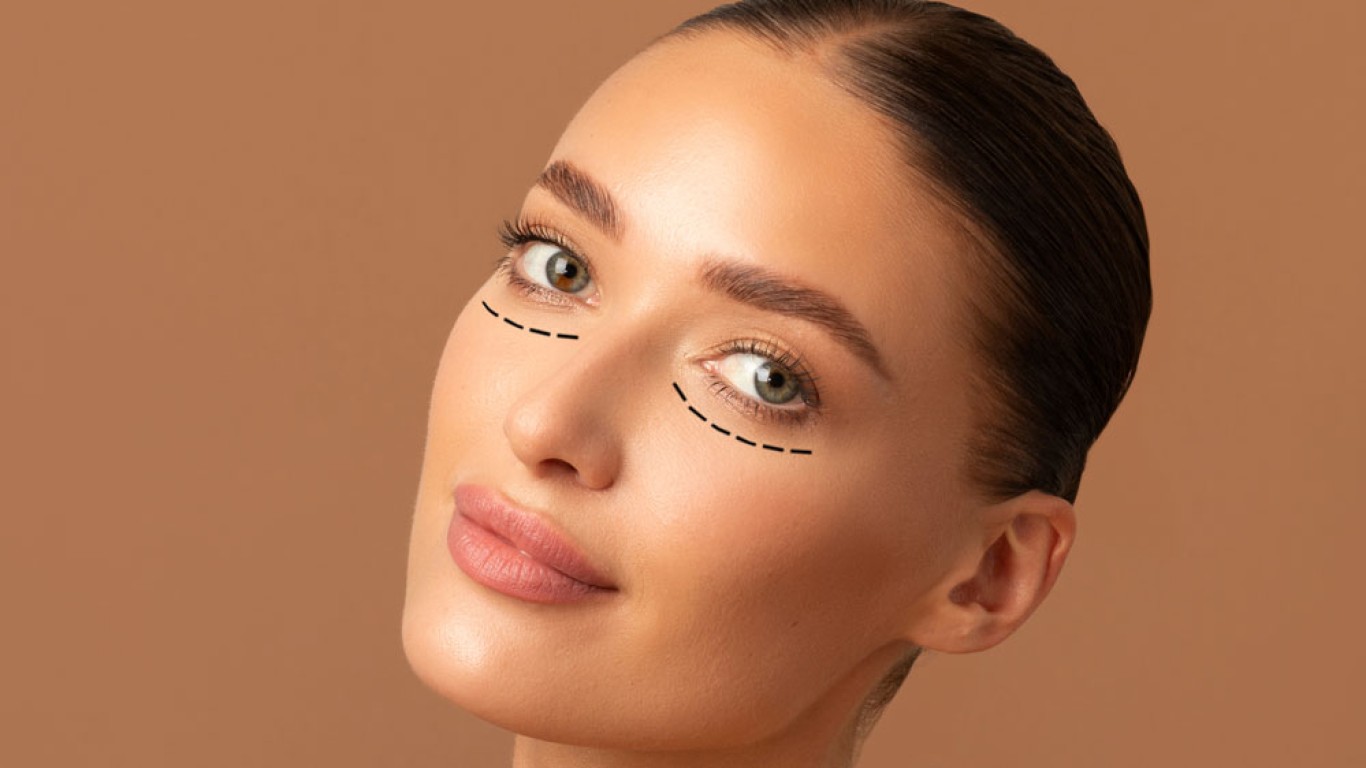
Lower blepharoplasty is the main surgical option for the under-eye area. It suits patients with significant bags, loose skin or deep hollows. The surgeon can remove or reposition fat to smooth the lid-cheek junction. Fat repositioning moves bulging fat into the hollow, treating both concerns together. Incisions are often made inside the eyelid, leaving no visible scar. When excess skin is removed, a fine incision is placed just below the lashes. Surgery is usually performed under local anaesthesia with sedation or general anaesthesia. Bruising and swelling typically settle within two to three weeks. Results are long-lasting, often for many years.
Comparing the Alternatives to Tear Trough Fillers
Each option targets different concerns and has a different recovery profile. The following table compares the main alternatives.
| Treatment | Best For | Typical Downtime |
| Skin boosters and polynucleotides | Thin, crepey skin and mild darkness | One to three days |
| Platelet-rich plasma | Skin quality and mild hollowing | One to three days |
| Laser and radiofrequency | Fine lines, laxity and pigmentation | One to seven days |
| Chemical peels and skincare | Pigmentation and surface texture | Minimal to a few days |
| Fat grafting | Hollowing with longer-lasting volume | One to two weeks |
| Lower blepharoplasty | Bags, loose skin and deep hollows | Two to three weeks |
Choosing the Right Option
The best treatment depends on the specific cause of each patient's concern. Patients with pigmentation usually benefit most from skincare, peels or lasers. Those with thin skin may prefer skin boosters, polynucleotides or PRP. Patients with significant bags often achieve the best results with surgery. Many patients benefit from combining two or more treatments. A qualified specialist will assess the under-eye area in detail. They will then recommend a personalised plan based on goals and anatomy.
Conclusion
There are many effective alternatives to tear trough fillers for under-eye concerns. Skin boosters, polynucleotides and PRP improve skin quality with minimal downtime. Lasers, peels and skincare target pigmentation and fine lines. Fat grafting and lower blepharoplasty offer longer-lasting solutions for hollows and bags. A personalised assessment helps patients choose the most suitable approach.
To learn more about alternatives to tear trough fillers and to book a consultation, visit the ACIBADEM Beauty Center Skin Treatments webpage.
Frequently Asked Questions
Skin boosters, polynucleotides and PRP are popular options for improving under-eye skin quality.
Certain lasers can reduce pigmentation and improve crepey skin, but they do not fill hollows.
Surgery is often better for significant bags or loose skin. Filler suits mild hollowing.
Surviving fat can last for many years, but results are less predictable.
Yes. Many patients achieve the best results by combining treatments that target different concerns.