Ataşehir Mah. Feza Sk. No:3 İstanbul / Türkiye
 English

Introduction
Mastopexy, also known as a breast lift, is a popular procedure among international patients travelling to Turkey. Over time, the breasts can lose firmness and begin to sag. Pregnancy, breastfeeding, weight changes and ageing all contribute to this process. Gravity and reduced skin elasticity can cause the nipples to sit lower on the breast. A breast lift reshapes the breast tissue and removes excess skin. It also repositions the nipple to a higher, more youthful position. Turkey has become a leading destination for this procedure in recent years. This article guides international patients through each stage of their journey. It covers planning, travel, surgery, recovery and aftercare once home.
What Is Mastopexy?
Mastopexy is a surgical procedure that lifts and reshapes sagging breasts. Surgeon removes excess skin and tightens the surrounding tissue. The nipple and areola are moved to a higher position on the breast. The areola can also be reduced in size if it has stretched. A breast lift improves shape and position rather than significantly changing breast size. Patients wanting more volume can combine the procedure with breast implants. Those wanting smaller breasts may combine it with a breast reduction. Surgery is performed under general anaesthesia and usually takes two to three hours. Results can last for many years, especially with a stable weight. Natural ageing and future pregnancies may still affect breast shape over time.
Why International Patients Choose Turkey for Mastopexy
Turkey attracts patients from across Europe, the Middle East and beyond for breast surgery. Competitive pricing is one of the main reasons for this popularity. Lower operating costs allow clinics to offer high-quality treatment at accessible prices. Leading Turkish hospitals also hold Joint Commission International accreditation. Experienced plastic surgeons perform high volumes of breast procedures each year. Many hospitals offer dedicated international patient services and multilingual coordinators. Packages often include accommodation, airport transfers and follow-up appointments. Istanbul also has excellent direct flight connections with many major cities. Some patients combine their recovery period with a quiet stay in the city.
Mastopexy Techniques and Incision Types
Surgeons use different techniques depending on the degree of sagging. The following table summarises the most common approaches.
| Technique | Incision Pattern | Best Suited For |
| Crescent lift | Small incision along the upper areola edge | Very mild sagging |
| Periareolar (doughnut) lift | Around the edge of the areola | Mild sagging and areola reduction |
| Vertical (lollipop) lift | Around the areola and down to the breast crease | Moderate sagging |
| Inverted-T (anchor) lift | Around the areola, vertically and along the crease | Significant sagging and excess skin |

Planning Your Mastopexy Journey Before You Travel
Careful planning is essential for a smooth and safe experience. Most journeys begin with a remote consultation with the surgeon. Patients usually share photographs, medical history and their aesthetic goals. The surgeon then provides a provisional treatment plan and quote. Patients should confirm the surgeon's qualifications and the hospital's accreditation. A full written breakdown of costs and inclusions is important. Patients should plan to stay in Turkey for around seven to ten days. This allows time for pre-operative checks, surgery and early follow-up. Smokers are advised to stop at least four to six weeks before surgery. Some medications and supplements may need to be paused, as advised by the surgeon. Travel insurance that covers medical treatment abroad is strongly recommended.
Who Is a Good Candidate for a Breast Lift?
A breast lift suits women who are bothered by sagging or drooping breasts. Good candidates may have nipples that point downwards or sit below the breast crease. Some have stretched skin or enlarged areolas after pregnancy or weight loss. Candidates should be in good general health and at a stable weight. Non-smokers heal better and face fewer complications after surgery. Women planning future pregnancies may prefer to wait, as pregnancy can affect results. Realistic expectations about scarring and results are also important. A surgeon will assess breast shape, skin quality and nipple position during consultation.
What to Pack for Your Trip
Thoughtful packing makes recovery abroad more comfortable. Patients should bring loose, front-opening tops that are easy to put on. Comfortable trousers and slip-on shoes help avoid unnecessary bending. Compression stockings are useful for the flight home. Patients should pack any regular medications and a list of current prescriptions. Copies of medical records, insurance documents and the treatment plan are also helpful. A small pillow can support comfort during travel and rest. Patients should also bring phone chargers, entertainment and essential toiletries. Most hospitals provide the surgical bra, but patients should confirm this beforehand.
Your Surgery Day in Turkey
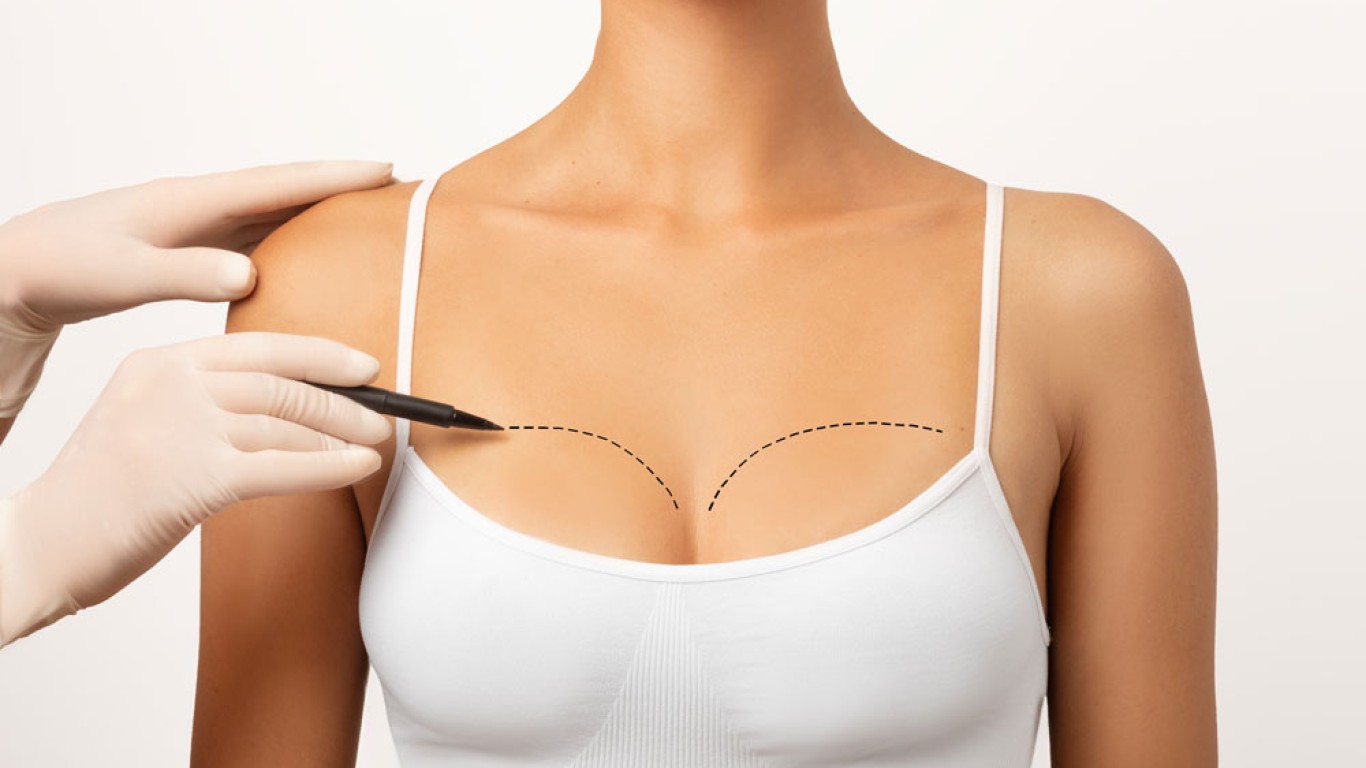
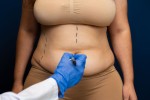
Most patients arrive in Turkey one or two days before surgery. An in-person consultation confirms the surgical plan and expected results. Pre-operative tests usually include blood tests and sometimes a breast ultrasound. The surgeon marks the incision lines on the breasts before surgery. The procedure is performed under general anaesthesia by the plastic surgery team. Surgery typically takes two to three hours, depending on the technique. After surgery, patients are monitored closely in the recovery area. Many patients stay in hospital for one night. Small drains may be placed to remove excess fluid, although this varies. Patients wear a supportive surgical bra immediately after the procedure.
The First Week After Surgery
The first week focuses on rest, comfort and early healing. Patients usually return to their hotel after one night in hospital. Some soreness, tightness and swelling are normal during this period. Prescribed pain relief helps keep patients comfortable. Patients should walk gently several times a day to support circulation. Lifting the arms above shoulder height should be avoided. A follow-up appointment typically takes place within a few days. The surgeon checks the wounds, changes dressings and removes any drains. Patients should sleep on their back with the upper body slightly raised. Many international patients find a companion helpful during this first week.
Flying Home After Mastopexy
Most surgeons recommend waiting around seven to ten days before flying home. This allows time for initial healing and a final check with the surgeon. Long flights increase the risk of blood clots after surgery. Wearing compression stockings during the flight helps reduce this risk. Patients should drink plenty of water and avoid alcohol while travelling. Walking in the aisle regularly also supports healthy circulation. Patients should not lift heavy luggage after surgery. Requesting assistance at the airport can make the journey easier. Patients should carry their medication, surgical bra and hospital contact details. They should also bring a written summary of the procedure for their home doctor.
Conclusion
Mastopexy lifts and reshapes sagging breasts for a firmer, more youthful appearance. Turkey offers international patients accredited hospitals, experienced surgeons and competitive prices. Careful planning, from the first consultation to the flight home, supports a smooth journey. Most patients stay in Turkey for seven to ten days before travelling home. A qualified surgeon can recommend the most suitable technique for each patient's anatomy and goals.
To learn more about breast surgery and to book a consultation, visit the ACIBADEM Beauty Center Aesthetics webpage.
Frequently Asked Questions
Most patients stay for seven to ten days to allow for surgery and early follow-up.
Most surgeons recommend waiting seven to ten days before flying home.
Yes. Many patients combine a breast lift with implants to restore volume and shape.
Yes. Scars are unavoidable but typically fade well over twelve to eighteen months.
Results can last many years, especially when patients maintain a stable weight.