Ataşehir Mah. Feza Sk. No:3 İstanbul / Türkiye
 English
Introduction
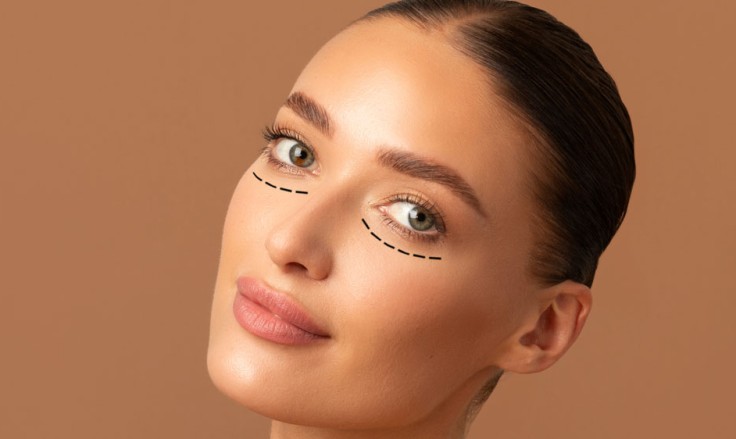
Many patients ask whether tear trough fillers can reduce dark circles under the eyes. Dark circles are a common concern for adults of all ages. They can make the face look tired, older or unwell, even after a good night's sleep. However, dark circles have several different causes. Some are caused by hollowing, while others result from pigmentation or visible blood vessels. Tear trough filler works well for some causes but not for others. Understanding the reason behind dark circles is therefore essential before treatment. This article explains how tear trough filler works and which concerns it can improve. It also covers suitable candidates, the treatment process, recovery and possible risks.
What Causes Dark Circles?
Dark circles develop for a variety of reasons, and many patients have more than one. Volume loss is one of the most common causes. As we age, fat and bone beneath the eyes gradually reduce. This creates a hollow groove called the tear trough. The hollow casts a shadow that appears as a dark circle. Pigmentation is another cause, particularly in people with darker skin tones. Extra melanin in the under-eye skin creates a brown or grey tone. Thin skin can also allow underlying blood vessels to show through. This often creates a bluish or purple tinge. Puffiness, fluid retention, allergies and lack of sleep can also make dark circles more noticeable.
What Are Tear Trough Fillers?
Tear trough fillers are injectable gels placed beneath the eyes to restore lost volume. Most are made from hyaluronic acid, a substance found naturally in the body. Products used here are usually soft and smooth to suit the delicate eye area. They must integrate evenly without creating lumps or visible ridges. Hyaluronic acid attracts water, so practitioners use products that absorb relatively little. This helps avoid unwanted swelling beneath the eyes. The filler is placed deep, often close to the bone. This supports the hollow from below and softens the shadow. Hyaluronic acid filler can also be dissolved with hyaluronidase if needed.
How Tear Trough Fillers Reduce Dark Circles
Tear trough fillers reduce dark circles mainly by correcting shadowing. When the hollow beneath the eye is filled, light reflects more evenly from the skin. The shadow that created the dark appearance therefore becomes less visible. Filler also smooths the transition between the lower eyelid and the cheek. This creates a more rested and refreshed appearance. In some patients, a thin layer of filler can slightly reduce the visibility of blood vessels. However, this effect is modest and varies between individuals. Filler does not change the colour of pigmented skin. Its main role is to restore structure and volume rather than alter skin tone.
Which Types of Dark Circles Respond to Tear Trough Fillers?
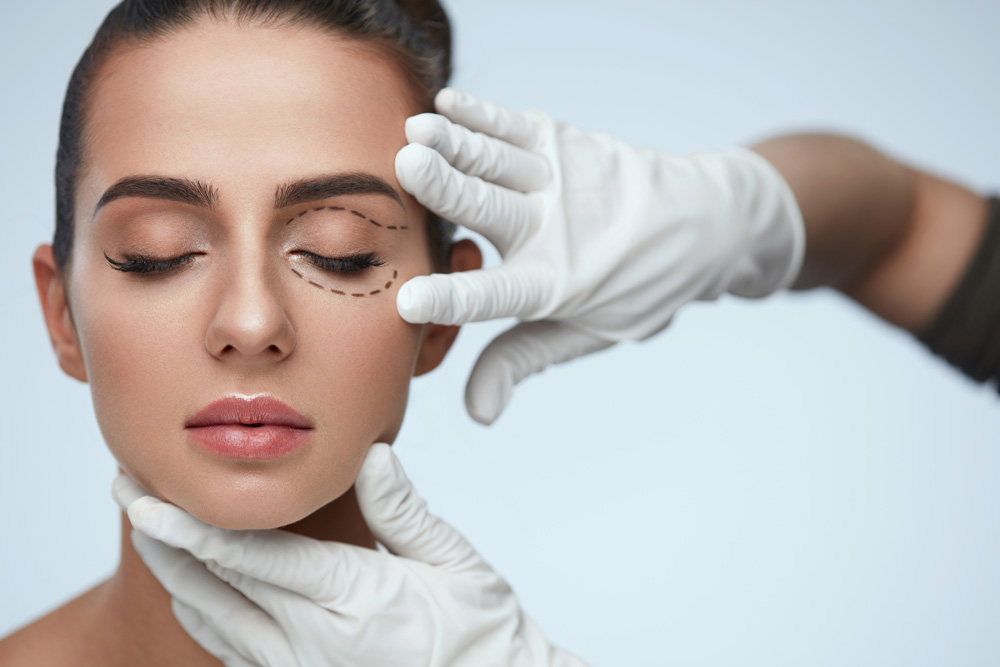
Not all dark circles respond equally to treatment. The following table summarises how different causes typically respond to filler.
| Type of Dark Circle | Main Cause | Response to Filler |
| Structural (shadow) | Hollowing and volume loss | Usually responds well |
| Vascular | Thin skin showing blood vessels | May improve slightly |
| Pigmented | Excess melanin in the skin | Does not respond; needs skin treatments |
| Puffy | Fat pads or fluid retention | Not suitable; may worsen puffiness |
A practitioner will assess the cause carefully before recommending filler. Many patients have mixed causes and benefit from a combination of treatments.
When Tear Trough Fillers Cannot Fix Dark Circles
There are situations where filler is not the right solution. Pigmented dark circles need treatments that target melanin, not volume. Options include topical skincare, chemical peels and certain laser treatments. Patients with significant under-eye bags are often unsuitable for filler. Adding volume next to protruding fat pads can make bags look larger. Fluid retention and allergies can also cause puffiness that filler may worsen. Very thin, crepey skin may show filler as a bluish tint, known as the Tyndall effect. In these cases, skin-quality treatments or surgery may be more appropriate. A responsible practitioner will explain when filler is unlikely to help.
Who Is a Good Candidate for Tear Trough Fillers for Dark Circles?
The best candidates have dark circles caused mainly by hollowing. They often notice a visible groove running from the inner corner of the eye. Good skin thickness and elasticity help filler sit smoothly. Candidates should have little or no under-eye puffiness. They should also be in good general health with realistic expectations. Patients should not have active infections or inflammation around the eyes. Treatment is not recommended during pregnancy or breastfeeding. Patients who are prone to fluid retention should discuss this beforehand. A thorough assessment in good lighting helps confirm suitability.
Tear Trough Fillers for Dark Circles: The Treatment Process
Treatment begins with a detailed consultation and facial assessment. The practitioner examines the under-eye area from different angles and in different lighting. They also assess the cheeks, as cheek volume affects the under-eye area. The skin is cleansed thoroughly, and numbing cream may be applied. Many practitioners use a blunt-tipped cannula for this area. A cannula can reduce bruising and lower the risk of injury to blood vessels. Small amounts of filler are placed deep and spread carefully along the hollow. Most patients need between half a millilitre and one millilitre in total. Treatment usually takes around thirty minutes. Patients can usually return to normal activities on the same day.
Recovery and Aftercare
Recovery after tear trough filler is usually short. Mild swelling, redness and tenderness are common for a few days. Bruising can occur because the skin under the eyes is very thin. Most bruising fades within one to two weeks. Applying a cold compress gently can help reduce early swelling. Patients should sleep with the head slightly raised for the first few nights. Strenuous exercise, alcohol and saunas are best avoided for forty-eight hours. Patients should not rub or press the under-eye area. Makeup can usually be applied the following day if the skin is intact. The final result is normally visible after two weeks.
Results and Longevity of Tear Trough Fillers for Dark Circles
Many patients see an immediate improvement in shadowing after treatment. The final result becomes clear once swelling settles after around two weeks. Tear trough filler often lasts longer than filler in more mobile areas. Results typically last between nine and eighteen months. Some patients find results remain visible for longer. Longevity depends on the product, the volume used and individual metabolism. Results fade gradually, so the hollow slowly becomes visible again. Small maintenance treatments can help preserve a refreshed appearance. A practitioner should assess remaining filler carefully before adding more.
Conclusion
Tear trough filler can reduce dark circles caused by hollowing and volume loss. It restores support beneath the eyes and softens the shadow that creates a tired look. However, it does not treat pigmentation and is unsuitable for significant under-eye bags. A careful assessment of the cause is essential before treatment. An experienced practitioner can recommend filler, alternative treatments or a combined approach.
To learn more about tear trough fillers and to book a consultation, visit the ACIBADEM Beauty Center Dermal Fillers webpage.
Frequently Asked Questions
They can significantly reduce shadowing, but they do not treat pigmentation.
Results typically last nine to eighteen months, depending on the product and metabolism.
Most patients feel mild discomfort. Numbing cream and a cannula help improve comfort.
Yes. Filler may worsen the appearance of significant under-eye bags or puffiness.
Most patients need between half a millilitre and one millilitre in total.